








Not Every Tourist Trap Is a Trap
There is a particular kind of traveler who refuses to pay for anything optional. No guided tours, no priority entry, no rooftop drinks that cost three times a normal bar. I used to be that person. I also spent an hour and forty minutes queuing outside the British Museum in the rain, which cured me of the condition entirely.
The truth is more nuanced than “tourist experiences are overpriced.” Some of them genuinely are. Some of them are worth every penny – not because they are luxurious, but because they give you something you could not have gotten otherwise. The trick is knowing which is which before you hand over your card.
This is an honest breakdown based on a lot of time in New York and London specifically, because those two cities have perfected the art of charging tourists for things that are free everywhere else.
The Experiences That Earn Their Price Tag
Skip-the-line museum access is probably the category with the clearest return on investment. The Louvre queues on a Tuesday in October. The British Museum queues on a grey Wednesday in March. If you are paying for a museum pass that includes priority entry, you are not paying for status – you are paying for the actual ability to spend time looking at the things rather than a metal barrier.
In London, the timed entry slots for popular exhibitions at the National Gallery and the V&A are almost always worth booking in advance, even when they are free exhibitions. The free bit means everyone goes. Booking a slot means you go when you chose to, rather than when the crowd thins enough to move.
In New York, the Metropolitan Museum of Art operates on a suggested donation but the suggested donation is $30. Pay it. The museum’s funding model depends on it, and the experience inside – if you choose your time wisely – justifies it completely.
Observation Decks: The Case For and Against
The honest answer is that most major city observation decks are worth visiting once. The Empire State Building at sunset is genuinely one of the better things you can do in New York – the view is iconic for a reason, and the building itself is part of the experience. The Summit One Vanderbilt is newer, more theatrical, and the glass installations are either wonderful or gimmicky depending on your tolerance for Instagram content.

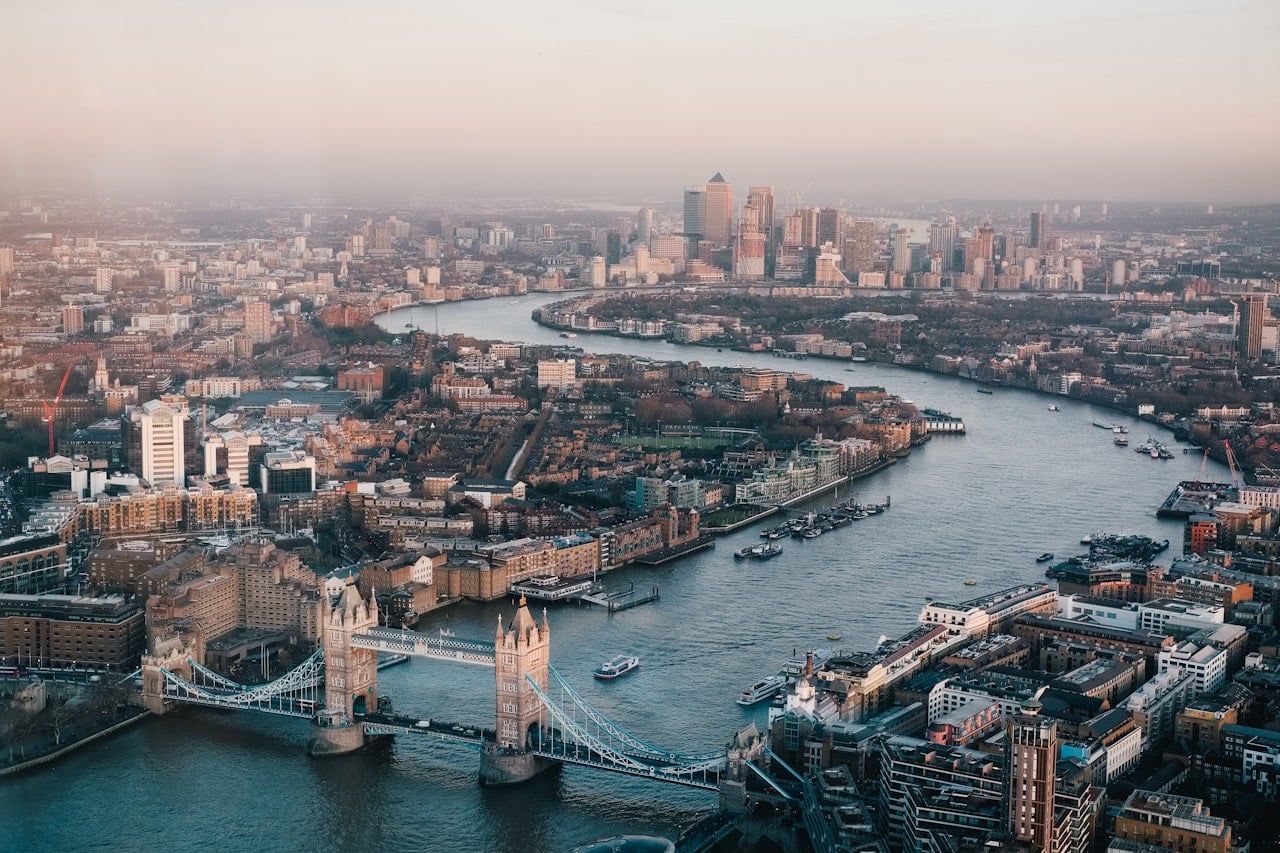
In London, the Shard’s observation floor is expensive and the view is spectacular. The Sky Garden is free with advance booking and genuinely lovely, though the “garden” element is more plants-in-a-lobby than woodland experience. If you can only do one, book the Sky Garden. If you want the clearest unobstructed panorama, the Shard wins.
What makes an observation deck worth it versus not is usually clarity of purpose. Do you want a photograph? Do you want a drink with a view? Do you want to understand the geography of a city from above? Different answers point to different options – and some of them are considerably cheaper.
What to Actually Skip
Hop-on-hop-off buses are almost never worth what they cost. The routes are fine, the commentary is hit-or-miss, and by the time you factor in the waiting and the slow pace, you could have walked the same route and seen more. The exception is if you have limited mobility or a very specific reason – otherwise, the tube and your feet will serve you better in London, and the subway plus walking will serve you better in New York.
Themed afternoon teas at hotels that trade on location but not quality are another consistent disappointment. There are genuinely excellent afternoon teas in London – Claridge’s, Fortnum and Mason, the Savoy. But the mid-tier options marketed at tourists with pictures of Big Ben are frequently mediocre food at premium prices. The bar to clear is specific: if the scones are fresh and the sandwiches are interesting, it is worth it. If everything tastes like it was made three hours ago, it is not.
Souvenir shops inside museums. Just – no. The British Museum gift shop is not the exception it thinks it is.
The ROI Table: NYC and London
| Experience | City | Approx Cost | Worth It? | Why |
|---|---|---|---|---|
| Empire State Building (sunset slot) | NYC | $44+ | Yes | Iconic view, manageable crowds with timed entry |
| Summit One Vanderbilt | NYC | $39+ | Maybe | Spectacular but theatrical – check your vibe |
| Met Museum (suggested donation) | NYC | $30 | Yes | One of the world’s great museums, half a day minimum |
| MoMA general admission | NYC | $30 | Yes | Collection is genuinely world-class |
| Hop-on-hop-off bus | NYC | $40-60 | No | Subway is faster, cheaper, and more flexible |
| The Shard observation floor | London | GBP 32+ | Yes | Best panoramic view in the city, no reservations game |
| Sky Garden | London | Free (book ahead) | Yes | Excellent view, unique setting, costs nothing |
| Kensington Palace state rooms | London | GBP 27 | Maybe | Better for history lovers than casual visitors |
| Thames River Cruise (City Cruises) | London | GBP 18-25 | Yes | Great orientation, genuinely scenic, relaxing pace |
| Themed tourist afternoon tea | London | GBP 40-70 | No (mostly) | Quality rarely matches the price point |
The Rooftop Bar Calculation
Rooftop bars in major cities operate on a simple logic: you are paying for the view as much as the drink. Whether that is a good deal depends on what a view means to you and how long you plan to stay. A GBP 15 glass of wine in London is expensive. That same glass of wine with a 180-degree view of the Thames at sunset is a different transaction entirely.
The places that have earned their reputation – Aqua Shard in London, 230 Fifth in New York – tend to be worth a single visit. The mediocre-but-flashy rooftop bars near tourist centres are not. The tell is usually the drinks menu. If the cocktail list is generic and overpriced without anything interesting on it, the view is doing all the work and you should probably find a different view.
“The best tourist experiences are the ones where you could not have replicated the thing yourself. That is the test worth applying before you buy anything.”
A Few Final Rules
Book time-sensitive things in advance. Observation decks, popular exhibitions, afternoon teas at the places worth going to – all of them have better availability and sometimes better pricing if you book ahead. The spontaneous approach works for restaurants. It does not work for the Shard at 6pm on a Saturday.
Give free things the same consideration you give paid ones. Borough Market in London is free to walk through and one of the best experiences in the city. The High Line in New York is free and genuinely excellent. Central Park is free. The Tate Modern is free. The list of remarkable free things in both cities is very long. Paying for something does not make it better – it just means you paid for it.
And when something is genuinely worth the money, pay it without guilt. A two-hour queue outside in the cold is also costing you something. Time is the currency that does not come back.