








The Experiment
I have a complicated relationship with designer fashion. I find certain pieces genuinely worth the investment – the kind of thing you wear for ten years and still think is right. I find the full retail price of those pieces genuinely prohibitive for most of what I would actually wear. Flash sale sites have always seemed like the obvious middle ground, and Rue La La specifically kept appearing in conversations about designer discounts done reasonably well.
So I decided to actually test it rather than hypothesise. Six months, a set budget, specific categories, careful records of what I bought, what arrived, and whether I still have and wear it. This is that account – the specific version, not the vague “I love flash sales” content that tells you very little.
How Rue La La Actually Works (The Mechanics)
Rue La La operates on a flash sale model – brand events open at specific times (typically 11am EST) and run for 72 hours or until items sell out, whichever comes first. The selection is curated by brand, meaning a given event might be all Kate Spade, all Theory, or all Vince, rather than a mixed rack of different designers. Events are announced to members in advance, which means you can plan to be present for the categories you care about.
Membership is free but the site requires an invitation or referral to join – which sounds more exclusive than it is, since referral links are widely available. You can access Rue La La here and create an account to browse upcoming events and set alerts for brand categories you are interested in.
The discounts range from 30% off (disappointing, particularly if you are comparing to sample sales or end-of-season retail discounts) to 70%+ off (significant, worth acting on quickly). The sweet spot I found was in the 40%-60% range, which is where genuinely good pieces appeared at prices that made the purchase feel like a considered decision rather than an impulse.
What Worked: The Categories Worth Shopping
Structured outerwear was the clearest win across my six months. A cashmere-blend coat and a structured wool blazer were both purchased at prices I would not have found through any other channel short of waiting for an end-of-season sale at the original retailer. Both arrived in perfect condition, both were authenticated (more on that shortly), and both are pieces I would have paid full price for if I had the budget for it. The discount on these categories was in the 50%-60% range on average.

Contemporary American brands – Theory, Vince, Equipment, Eileen Fisher – appeared frequently and at consistently useful discounts. These are brands where the quality is real, the design is relatively timeless, and the full retail price reflects a premium that second-tier discounters do not always match. On Rue La La these showed up regularly at 40%-55% off, which is meaningful for pieces that otherwise hold their price.
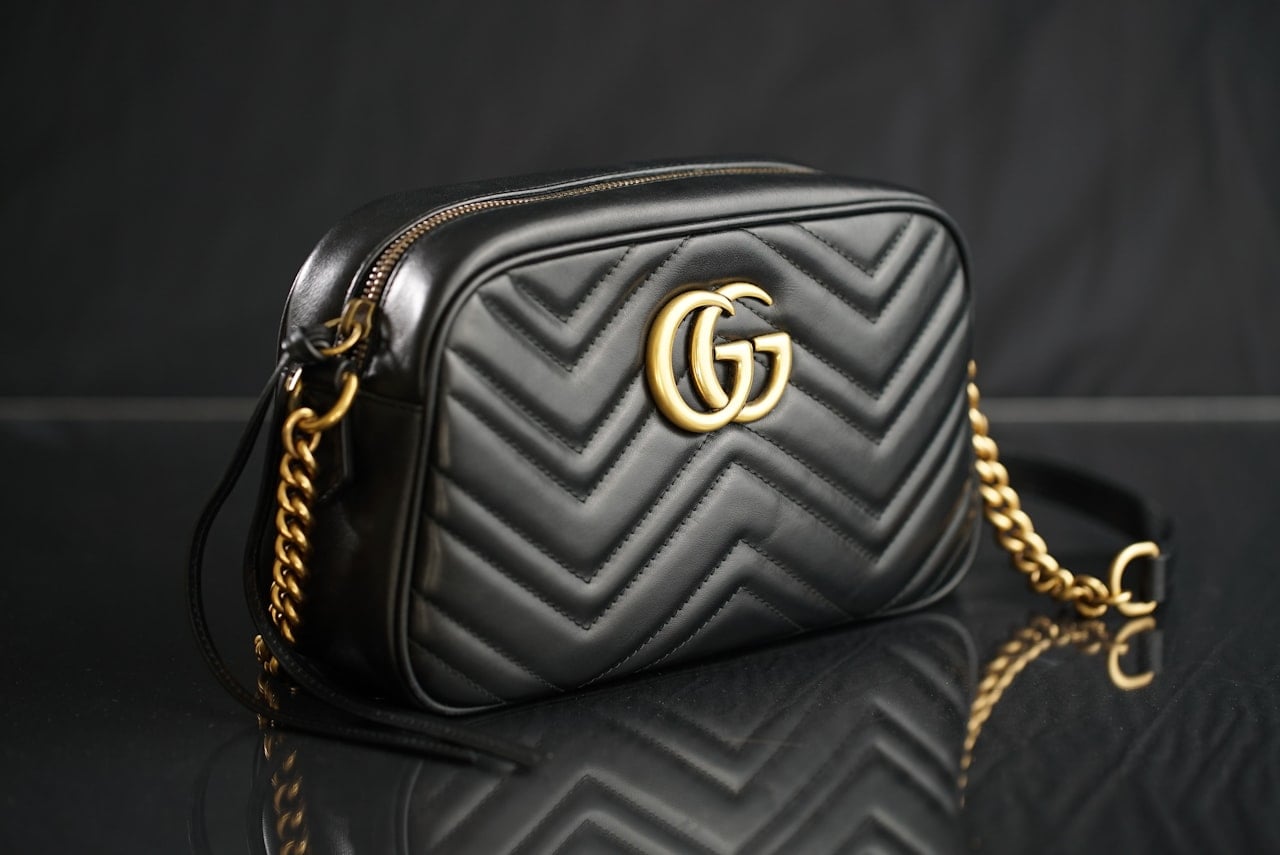
Accessories were a mixed result. Some pieces were excellent. A leather belt and a small structured bag were both what they were presented as and both have been used frequently. Jewellery was more hit-and-miss – the photography was sometimes inconsistent with the actual piece, and in one case what looked like a substantial necklace arrived notably smaller than the photographs implied. This is a photography and description quality issue, not an authenticity issue, but it is worth noting.
The Authenticity Question
| Category | Authenticity Confidence | My Experience |
|---|---|---|
| Contemporary US brands (Theory, Vince) | High | All pieces authentic, tags and packaging consistent |
| Outerwear (known brands) | High | Consistent with retail versions, no concerns |
| Handbags (mid-tier designer) | High | Purchased 2, both genuine |
| High luxury (if listed) | Approach with more care | Did not purchase – would verify carefully |
| Jewellery | Medium | Description accuracy was the bigger issue than authenticity |
| Shoes | High | Sizing ran as expected, condition as described |
Rue La La works directly with brands and authorised sellers, which distinguishes it from peer-to-peer resale platforms where authentication is the individual seller’s responsibility. The model is closer to an off-price retailer than a secondhand marketplace. This is one of the reasons the platform is worth knowing about if designer discount shopping is something you want to do without the authentication uncertainty that comes with peer-to-peer resale.
My honest experience: in six months of purchases across twelve separate items, I did not encounter a single item I believed was inauthentic. The concerns were more prosaic – occasional size discrepancies (one size running small relative to the brand’s usual standard), one item with a minor imperfection not clearly indicated in the listing description, and the jewellery scale issue mentioned above. These are disappointments, not fraud.
How to Time the Sales
The alert system is your primary tool. Set alerts for brand categories you care about and check them consistently. The 11am EST opening is not a soft recommendation – popular items in popular sizes sell out quickly, and “quickly” sometimes means within the first hour of an event opening. If you see something you want at a price that makes sense, the decision should be made that day, not considered over the weekend.
End-of-season timing affects the inventory significantly. In the final weeks before Rue La La shifts to a new season’s inventory, the discounts on current-season pieces tend to deepen. This sounds obvious but it requires knowing what to look for. A winter coat that was 40% off in November may be 65% off in January. If your purchase is not time-sensitive, patience is paid. If the piece is something you need for the current season, waiting is a risk that may not pay off in your size.
I found the best rhythm was checking the event calendar at the beginning of each week, identifying the two or three events most relevant to things I was actually looking for, and having a clear budget ceiling per item in advance. Flash sale shopping without budget pre-commitment is where the regret purchases happen. The discount creates artificial urgency. The pre-committed ceiling is the thing that makes the decision less about the discount and more about whether you actually want the item at that price.
Shipping, Returns, and the Parts That Were Occasionally Annoying
Shipping times are not rapid. Unlike a standard e-commerce order, flash sale items are typically shipped from the brand’s warehouse or Rue La La’s fulfilment centre after the event closes, which adds time to the process. In my experience, items arrived between five and twelve days after purchase, which is fine if you are aware of it and frustrating if you are not.
The return policy requires attention because it varies by event. Some events are final sale – no returns accepted. Others have a standard return window. Always check the return policy for a specific event before purchasing rather than assuming the standard policy applies. Buying a final-sale item of uncertain fit is a risk that the discount rarely compensates for adequately.
Customer service, when I needed it (once, for the jewellery scale issue), was responsive within 24 hours and offered a partial refund without requiring a return. That experience was better than I expected and is worth noting as a data point, though one experience is not a policy guarantee. If you are new to the platform, reading Rue La La’s current return and sale policies before your first purchase saves the frustration of discovering the terms after the fact.
The Six-Month Verdict
Of twelve items purchased over six months, ten are things I wear regularly and consider successful purchases. One was returned (the item with the undisclosed imperfection, within the return window). One was the jewellery scale disappointment that I kept because the refund offer covered part of the gap between expectation and reality. That is a 10/12 genuine success rate, which is better than my vintage online shopping success rate and better than my end-of-season sale impulse purchase rate.
The categories that worked consistently: outerwear, contemporary US brand clothing, leather accessories. The categories requiring more caution: jewellery (description accuracy), any item where fit depends on a brand you have not tried before. The approach that made it work: alerts, pre-set budgets, careful reading of return policies, and treating the discount as a reason to buy something I already wanted rather than a reason to want something I had not considered.
Rue La La is not a replacement for considered fashion shopping. It is a specific tool for a specific use case: getting designer pieces at prices that are meaningfully below retail, from a source with better authenticity confidence than peer-to-peer resale. Used with that specific intention and the right patience for timing, it is a genuinely useful resource. Set up your Rue La La account and browse the upcoming sale events to see what is available in the categories you care about.