







The Accommodation Choice Is Never Just About Budget
We like to say it is, because budget is the comfortable, unchallengeable reason. But I’ve met people who earn good money and still prefer hostels, not for the price, but for the social architecture. And I’ve met people on very limited budgets who will scrimp on food and experiences to stay somewhere beautiful because the room is how they process a trip. The money is a constraint, yes. But the choice within that constraint says something real.
I’ve stayed in all of them – the hostel dorms, the Airbnb apartments in residential streets, the big international chains, the boutique independents I found in a magazine two years before visiting, the design hotels I justified as “part of the experience.” My preferences have shifted. I’m not the same traveller I was at 23, and neither, I suspect, are you.
The Hostel Person
I want to resist making this condescending, because the hostel choice is often the most socially courageous one. You are sleeping in a room with strangers. You are giving up privacy and quiet and the guarantee of a good night’s sleep. What you’re buying is access to other travellers, to spontaneous plans, to conversations that change your trip.
The hostel person – the committed one, not the reluctant one – is usually optimistic in a specific way. They believe the next person they meet might be interesting. They’re comfortable with uncertainty. They’re not travelling to recover; they’re travelling to accumulate experience. I was this person at 23 and I look back at it with genuine affection. I’m also no longer capable of sleeping in a 10-bed dorm without wanting to cry by 6am.
The Big Chain Hotel Person
This is the most misunderstood choice in travel discourse, because it gets written off as boring or unimaginative. But the chain hotel is buying something real: predictability. You know exactly what the bed will feel like, what the shower pressure will be, how quickly someone will pick up when you call the front desk. For certain trips – business travel, high-stress destinations, family travel with small children – predictability is not a consolation prize. It is the product.
The person who books a Marriott or a Hilton in an unfamiliar city and feels genuinely content about that choice is someone who knows what they need from accommodation. That’s not a lack of imagination. It’s honest self-knowledge about what makes travel sustainable.
The Boutique Independent Person
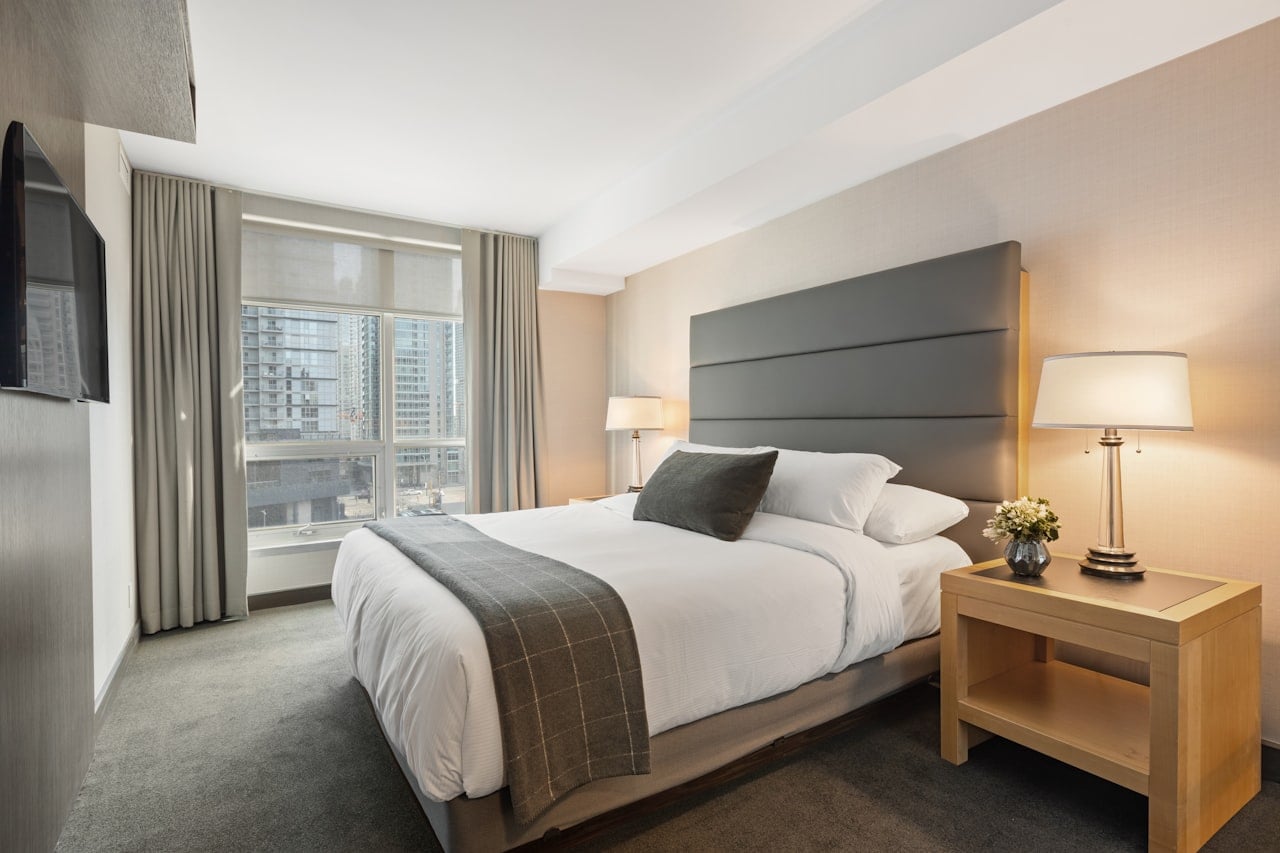
This is where I live now. The boutique independent hotel – the 18-room converted house, the family-run property with actual personality, the place that has a recommendation list written by the owner, not a corporate hospitality department. I’m not embarrassed about how much this matters to me at this point.
The boutique person wants the accommodation to feel like a considered choice, not a default. They’ve usually researched the place. They care about design and atmosphere without necessarily needing it to be luxurious. They want to feel like someone made decisions about this room – about the colour on that wall, about the books on that shelf, about the breakfast menu.
The Airbnb Apartment Person
I have a complicated relationship with this one, and I think a lot of honest travellers do. The appeal is real: a kitchen, more space, the feeling of living in a neighbourhood rather than passing through it. Buying coffee from the local shop around the corner rather than a hotel breakfast buffet. The apartment choice is often about wanting the texture of real life in an unfamiliar place.
But there’s also an element of avoidance in it sometimes. Avoiding the slightly awkward human interaction of hotel check-in. Avoiding judgment about arriving late, or leaving early, or existing loudly. The apartment gives you a shell of local life without the actual friction of it. I’m not sure that’s always the immersive experience it’s billed as.
The Design Hotel Person
I want to be careful here because I’ve been this person and I found it alienating in a way that took me a while to name. The design hotel – the one with the installation in the lobby and the concrete bathroom and the bed positioned at an angle that makes no ergonomic sense – can be spectacular. It can also be a place where the concept of the hotel has become more important than your comfort inside it.
“The design hotel person is buying an aesthetic experience. The question is whether they also want a good night’s sleep – and whether the hotel has considered that possibility.”
How My Own Choices Have Changed
At 23: hostels, always, because the alternative felt like giving up on the adventure. At 27: Airbnb apartments, because I thought that was what thoughtful travel looked like. At 31: boutique independents, because I finally admitted what I actually want from a hotel room is to feel welcomed by someone who made choices about it.
The honest evolution is that I’ve moved towards comfort and specificity at the same rate. I need to sleep well. I want the room to have been thought about. I don’t need it to be expensive, but I need it to be considered. That’s the boutique hotel, almost every time now. I don’t think that’s less adventurous. I think it’s knowing yourself better. And that, in the end, is what travel is for.
| Accommodation Type | What You’re Buying | Best Trip For |
|---|---|---|
| Budget hostel | Social energy, spontaneity | Solo travel, backpacking routes |
| Big chain hotel | Reliability, consistency | Business trips, family with kids |
| Boutique independent | Character, considered welcome | City breaks, celebration trips |
| Airbnb apartment | Space, neighbourhood texture | Longer stays, self-catering trips |
| Design hotel | Aesthetic experience, Instagram value | Short stays where look matters |