







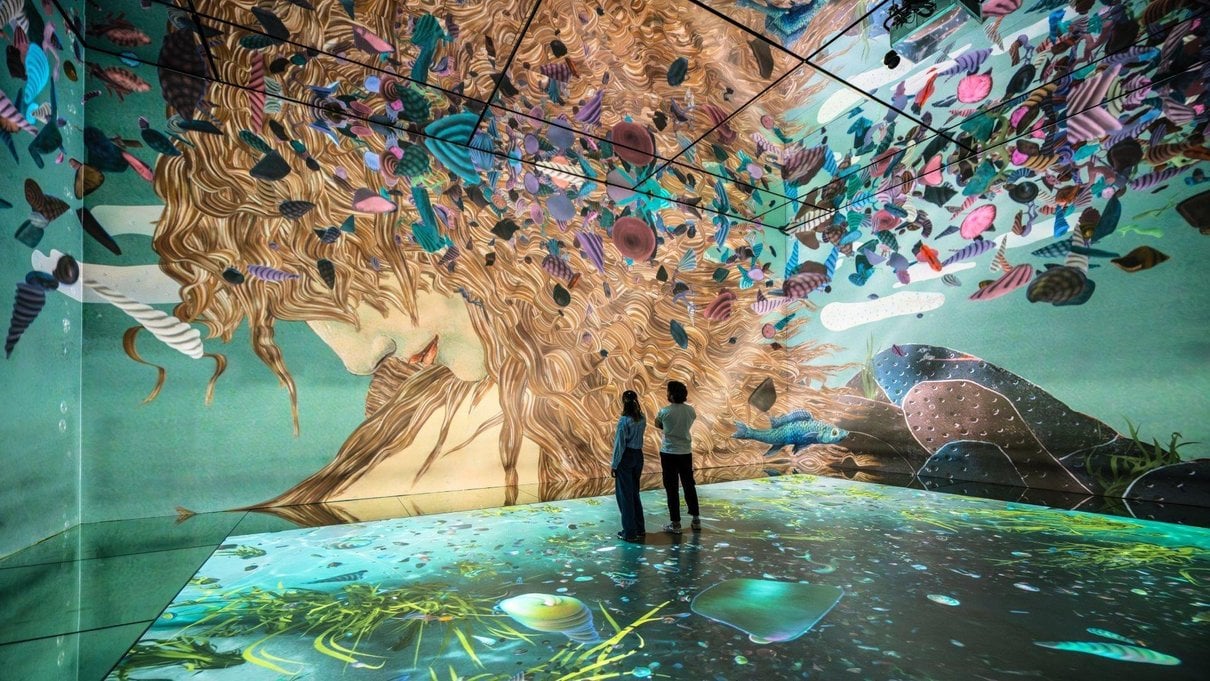
Frameless UK, based at Marble Arch, has a polished Instagram-ready presentation, and the question is whether the actual art stands up to the technology. Immersive exhibitions can be spectacular for ten minutes and oddly empty after that. Frameless makes a stronger case than most because it gives the projection a proper structure: four galleries, more than 40 famous works, motion tracking, original music and enough space to wander rather than queue for one photo.
This review is based on the current programme, ticket information and the brand’s named experiences on its UK product pages, and does not promise that every visitor will have the same afternoon. Our short answer is that Frameless is worth it for visual, social and family-friendly culture, especially if you book ahead. It is less compelling if you want quiet, wall-text-heavy museum time or a tightly timed traditional gallery tour. You can check the current admission options before deciding.
Disclosure: this post includes affiliate links, and we may be paid a commission on purchases made through them.
What can Frameless offer visitors?
The headline promise is simple: step inside art rather than look at it from behind a rope. In practice, the venue uses floor-to-ceiling projection, animation and a cinematic score to turn the rooms into moving environments. The four permanent gallery concepts are Beyond Reality, Colour In Motion, The World Around Us and The Art Of Abstraction. The programme can also add limited-time residencies in the Blank Canvas Gallery, so the exact mix is worth checking before travel.
- Four galleries are included in the main visit.
- The works span artists including Monet, Van Gogh, Dalí, Rembrandt, Canaletto and Kandinsky.
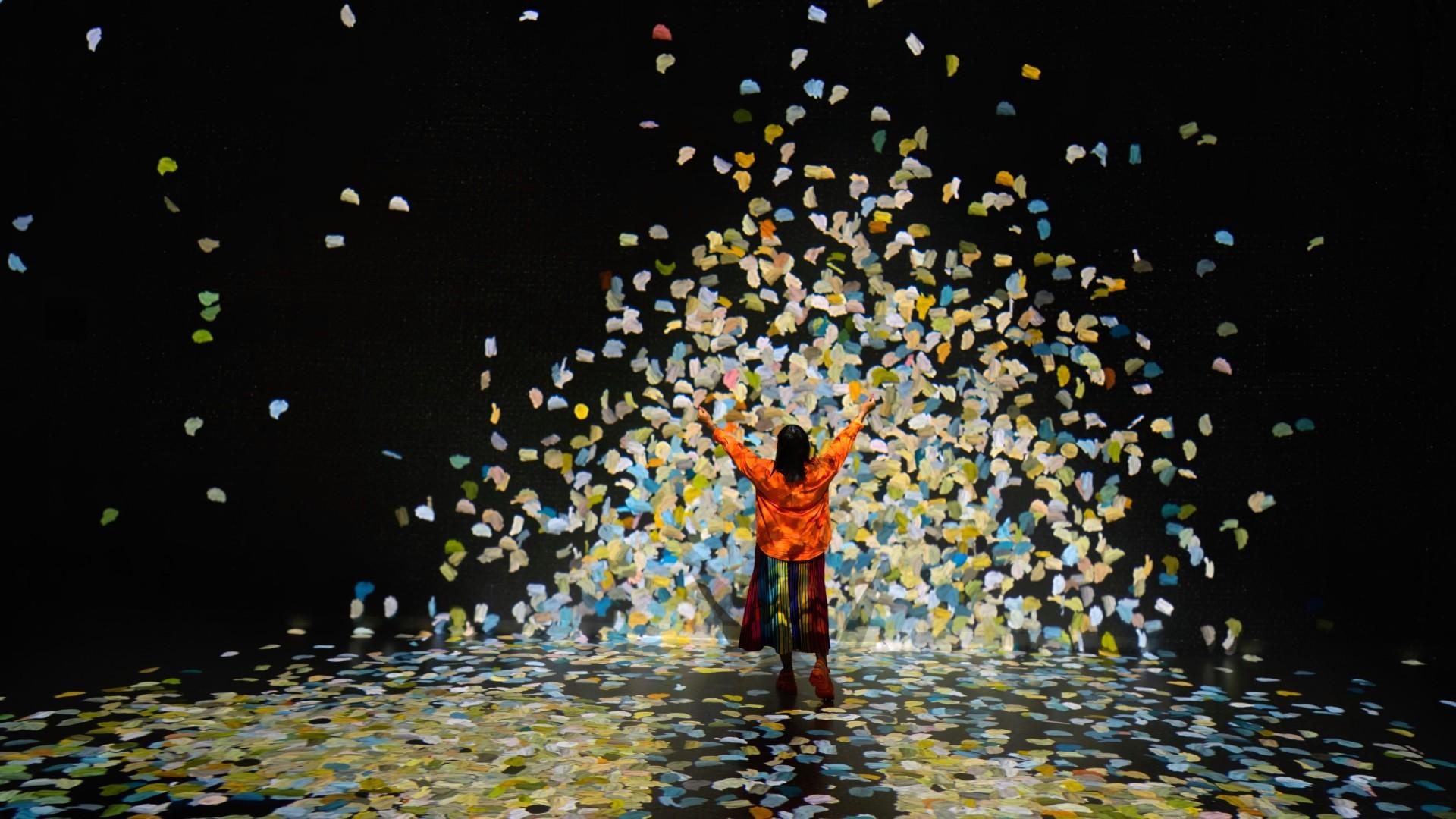
- Colour In Motion uses motion tracking so gestures can influence projected colour.
- The visit is designed to take approximately two hours, though visitors who like taking photographs may want to allow longer.
- There is an on-site Café Bar for a pause between rooms.
The brand’s strongest differentiator is the combination of scale and interaction. A static reproduction of Monet is one thing; walking through a field of moving brushstrokes with sound around you is another. We also like that the experience does not demand specialist art knowledge. You can arrive knowing nothing about Delaunay or Klimt and still understand the mood immediately. On the other hand, the projection format means you are seeing an interpretation, not the physical paintings, and that distinction matters to serious museum visitors. Check the date selector and compare daytime tickets before travelling.
How do Frameless galleries differ?
Beyond Reality is the most atmospheric of the four, using surreal and dreamlike imagery from artists such as Munch, Bosch and Dalí. It is a good starting point if you want drama and darker colour. Colour In Motion is the most obviously playful: motion tracking invites you to wave, move and create projected marks, which is brilliant with children and surprisingly fun as an adult who normally avoids interactive installations.
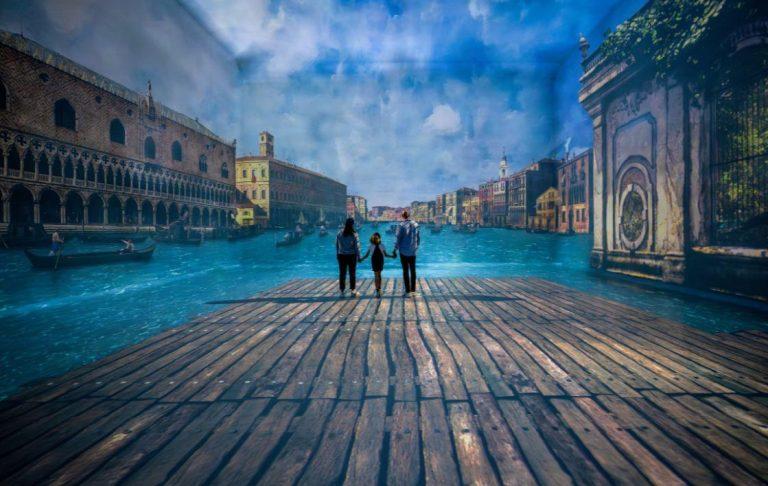
The World Around Us shifts the mood towards landscapes, city scenes and seascapes. This gallery’s imagery has a recognisable sense of place. The Art Of Abstraction is the boldest visual reset, with shape, colour and form taking over. If you prefer a calmer visit, go on a weekday and avoid the busiest family periods. If you want energy, weekends and FRAMELESS Lates create a very different atmosphere. The four gallery pages are useful for choosing your route: view the main Frameless visit, browse the booking flow, or see available visit dates once you know your preferred date.
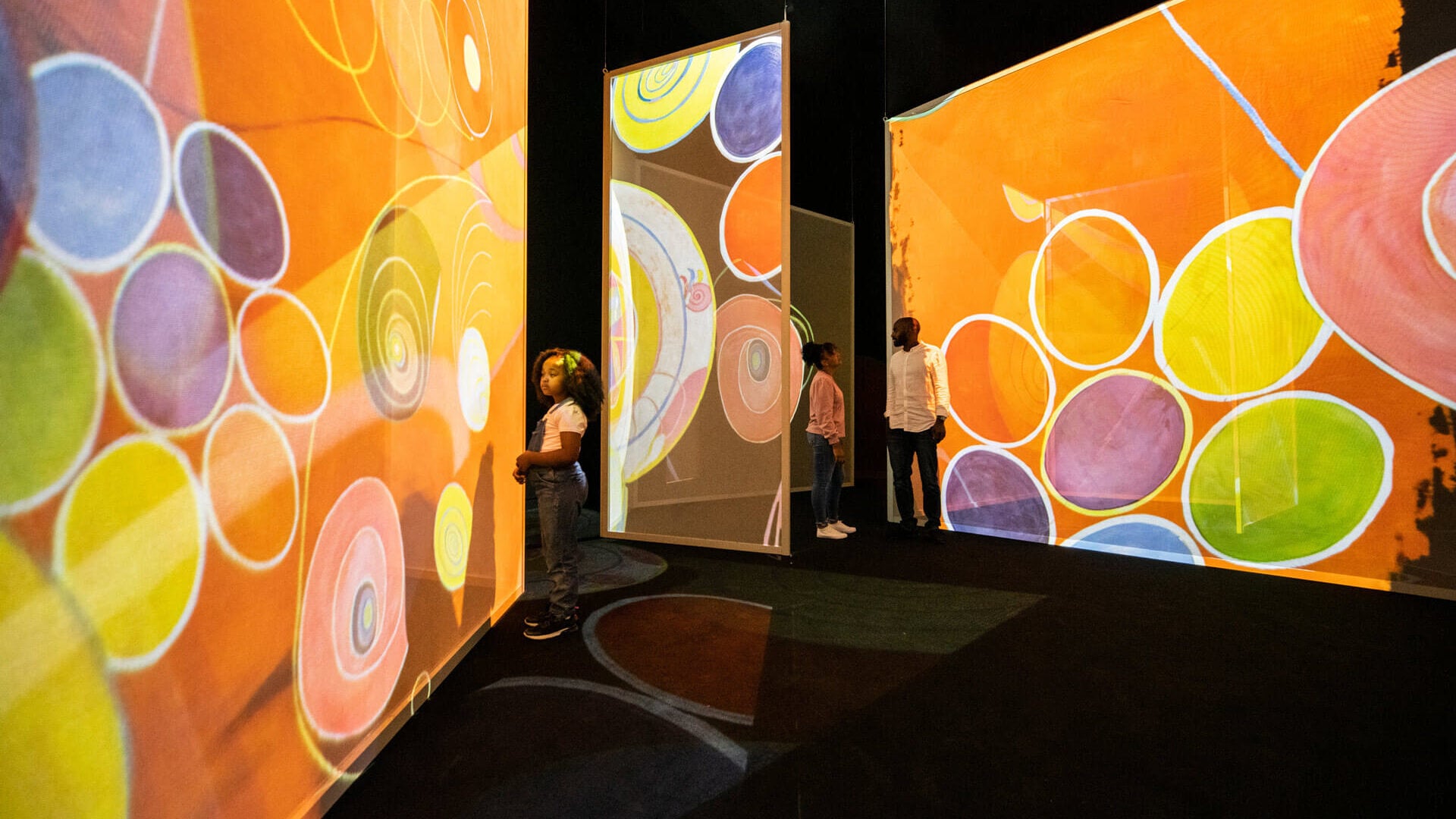
The memorable detail is that the rooms are not simply giant screens. The score, the movement of light and the way people become silhouettes in the work create a sense of occasion. That is the real strength of Frameless. The main weakness is the same thing: when a room is busy, the bodies and phone screens become part of the visual field, and the magic can feel less private than the marketing photographs suggest.
Which Frameless experience should you compare?
The clearest starting product is General Admission. The site recommends allowing about two hours. This is the sensible choice for a first visit, a couple’s London day out or a family that wants the full gallery experience. You can check the official ticket page or open the current booking calendar first.
For a date night, FRAMELESS Lates is the more distinctive proposition. It runs every Friday and Saturday from 6pm to 10pm, is for over-18s, and offers online booking. You get the four galleries, a Soho Radio soundtrack and access to the Café Bar for cocktails, wine or craft beer. The trade-off is that it is not a family ticket and the evening atmosphere is busier and louder.
- Choose General Admission for the broadest, most flexible first visit.
- Choose FRAMELESS Lates for an adults-only evening with drinks.
- Add The Art of You if you want a tangible keepsake.
The Art of You Digital artwork is available in digital and printed versions. This is not a separate gallery ticket. It is an optional photo experience in the Crossing Gallery, creating a personalised artwork inspired by the styles you have seen. One or two people can appear in each image, and the printed option includes a digital copy in a souvenir photobook. This is an optional extra, rather than an essential part of the admission value.

What are Frameless’s main strengths and limits?
- Pro: genuinely immersive scale makes the art feel physical and memorable.
- Pro: four distinct rooms prevent the visit from feeling like one repeated projection.
- Pro: strong accessibility of idea for families, non-art specialists and mixed-age groups.
- Con: crowd levels matter, particularly when everyone wants the same photograph.
- Con: it is interpretation, not originals, so traditional museum purists may feel short-changed.
- Con: prices vary by date and experience, and extras can push up the final spend.
There are also practical points to consider. The venue is at 6 Marble Arch, London W1H 7AP, with Marble Arch station about a minute away. Standard hours vary by day, and Friday and Saturday Lates sessions are 18+ after the relevant daytime cut-off. Check opening information and availability before setting off, then review the entry details and confirm the selected time at checkout. Unofficial reseller tickets are not valid, which is another reason to use the official booking route rather than a random deal page.

Who could Frameless suit in London?
We recommend Frameless UK to anyone who wants a London attraction that feels different from a standard museum, particularly couples, families with school-age children, visitors who love photography and friends planning an occasion around food or drinks. The combination of four rooms, a central location and a two-hour minimum makes it easy to fit into a broader day. It also works for a repeat visit if the temporary programme has changed. Check the current programme before booking a second trip.
Some visitors may hesitate if their ideal art day involves silence, close study of original brushwork or long stretches reading curatorial text. Frameless is sensory and theatrical first. That is not a flaw, but it is the decision point. Look at the current gallery and ticket details, then consider whether the sound, movement and scale are exactly what you want. For a family, the interactive Colour In Motion experience is likely to be the standout; for adults, Lates is the better match.
Ready to book Frameless UK for an immersive art outing?
Our verdict is yes, with one important qualifier: book Frameless for a multi-sensory art outing, not as a replacement for the National Gallery. The four spaces are ambitious, the projection quality is impressive and the motion-tracked moments give the experience something to do beyond looking. The choice between a normal daytime visit, adults-only Lates and the Art of You add-on offers different options.
Book ahead if your date is fixed, check the live booking information rather than assuming every day has the same availability, and allow at least two hours. If you dislike crowds, choose a quieter weekday slot. Those small decisions address most of the drawbacks. The brand’s UK product pages describe genuinely different moods inside one venue: contemplative landscapes, playful colour, surreal drama and bold abstraction. That is enough variety to make the ticket feel like a proper London experience rather than one oversized projection room.