







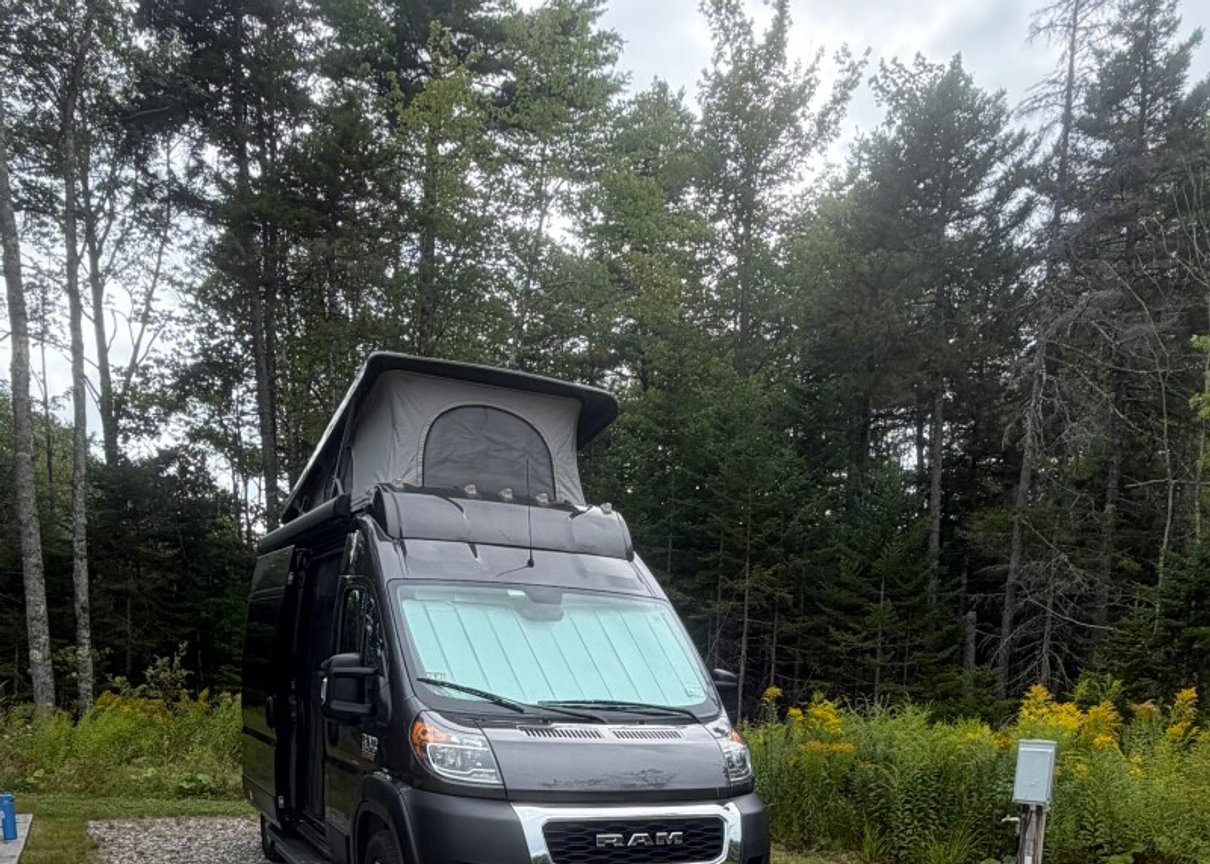
There is a particular kind of autumn travel I cannot resist. I want crisp mornings, a ridiculous number of photos of changing leaves and a route that gives me an excuse to stop somewhere interesting before dinner. I do not necessarily want another identical campground beside a highway, either. That is where Harvest Hosts feels very timely. Its membership gives RV travellers access to unique overnight locations, from farms and wineries to breweries, attractions and community hosts, with no camping fees.
The idea is simple: find a host, request a stay, arrive in your self-contained RV and support the local business while you are there. The current network advertises 9,700+ locations, and the map lets me search along a route rather than build an entire trip around one booking. For a leaf-peeping weekend or a longer fall drive across the United States, that flexibility is the appealing bit.
Disclosure: this post includes affiliate links, and we may be paid a commission on purchases made through them.
Why does autumn suit a Harvest Hosts stop?
Summer road trips can be a logistical sport. In autumn, I would rather let the scenery set the pace. A host stop can turn a necessary overnight into part of the story: a farm shop in the afternoon, a local tasting before sunset, or a quiet patch of countryside where the only timetable is the weather. One night can feel like a mini destination, which is useful when the main plan is simply to keep moving.
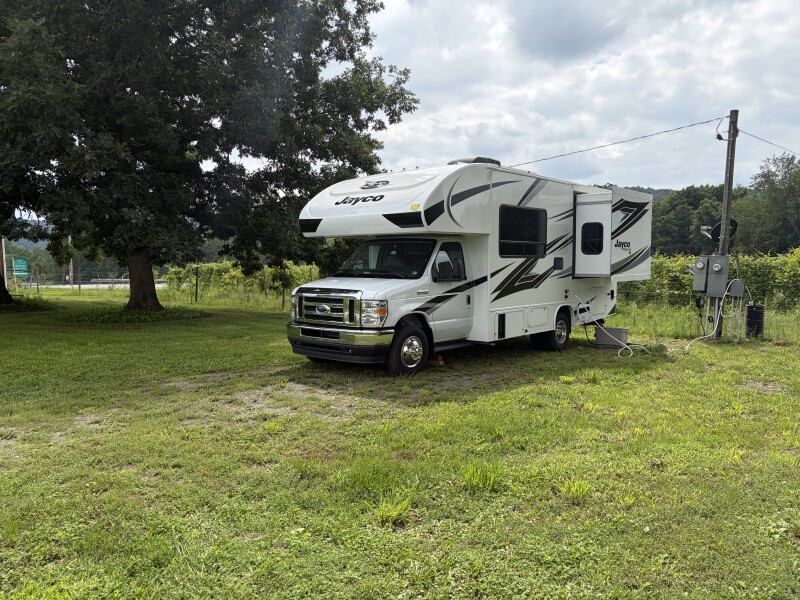
The practical appeal is just as important. Harvest Hosts says stays have no camping fees, while members often support their host by buying produce, wine, beer, gifts or an experience. Some locations offer electric or water hookups for an additional fee, and many allow extra nights. I would still read every listing carefully, because a romantic-looking field is not automatically a level site for a large rig.
- Search by route instead of guessing where you will be tired.
- Filter for hookups and extra nights when your RV setup needs them.
- Check vehicle length, arrival instructions and the host’s support expectations.
- Leave room in the budget for the farm shop, tasting room or local experience.
Which autumn stays would I save?
I like that the listings make the stay feel specific. This is not simply choosing between “site A” and “site B”. It is choosing what kind of small adventure I want after a day behind the wheel. The Sustainable Farm Brewery & Winery Getaway in Willcox, Arizona combines a farm, brewery and winery setting, with electric hookups and extra nights noted on the listing. That is a strong option for anyone who wants the evening to include a tasting or a stroll rather than a dash to a reception office.
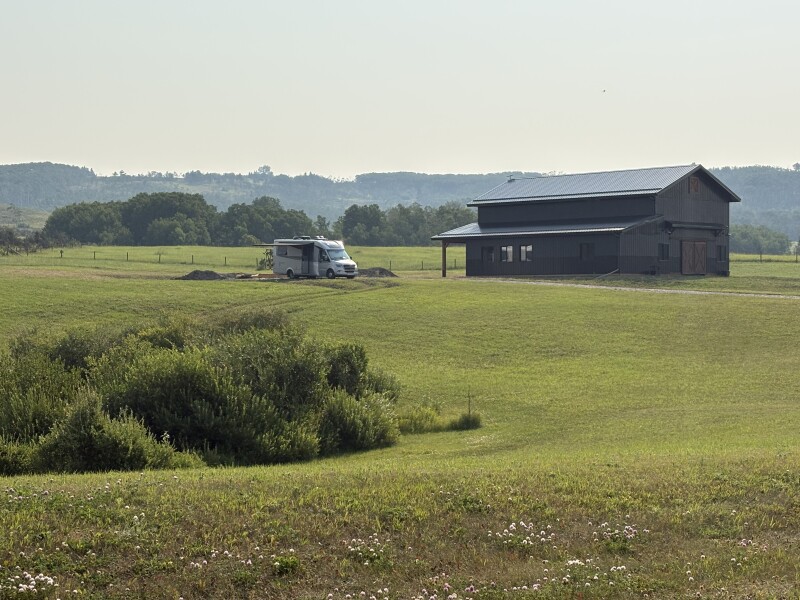
For a mountain-and-vineyard mood, I would look at the Mountain-Top Boutique Winery in Hendersonville, North Carolina. The listing shows a highly rated host, extra nights and space for RVs over 45 feet. That last detail matters more than the dreamy name when I am travelling with a larger vehicle. It is the sort of stop I would pair with a scenic drive and an early dinner, then keep the morning deliberately unhurried.
My third save would be the Forest Sanctuary Regenerative Farm in Jonesborough, Tennessee. It is listed for RVs up to 30 feet and includes extra nights, so it suits a smaller rig and a trip that is more about quiet than a packed attraction schedule. The location itself is the selling point: a forested setting, a chance to support a working farm and the possibility of waking up somewhere that does not look like every other parking row.
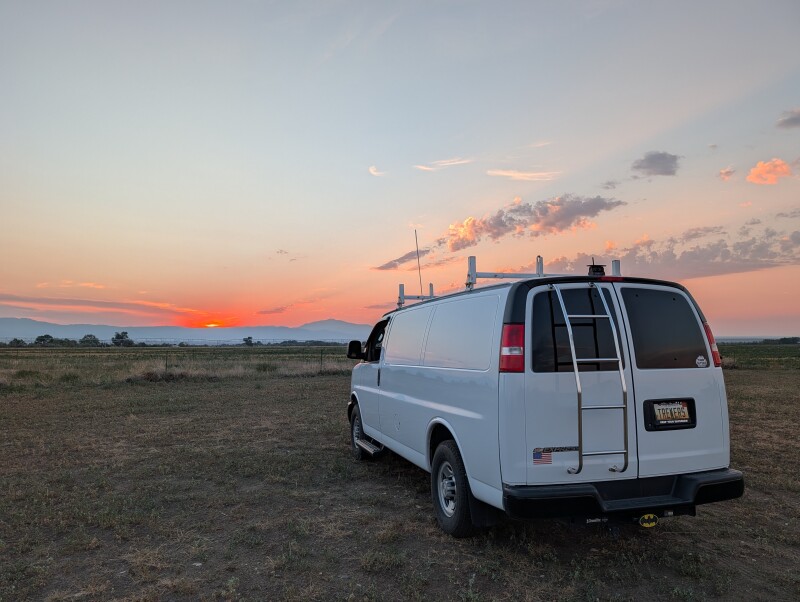
Those are three different versions of the same autumn idea: choose the experience first, then make the overnight fit the route. I would also browse the Harvest Hosts map near Asheville, the Great Smoky Mountains, Paso Robles or Bar Harbor. The map is where this becomes genuinely useful, because it can reveal a farm, winery or attraction just off the drive I was already planning.
How would I shape an autumn weekend route?
I would keep the itinerary loose enough for autumn weather. A three-night loop does not need three ambitious driving days. My ideal version has one scenic anchor, one host with a memorable local offering and one easy final night close enough to home that I am not grumpy by breakfast.
- Start with the foliage drive, harvest festival or mountain town I actually want to see.
- Use the route search to find host locations within a comfortable detour.
- Open each profile and compare size limits, surfaces, arrival notes and available hookups.
- Request the stay early, especially around popular weekends.
- Plan a sensible purchase or experience that supports the host without turning the stop into a shopping mission.
I would also save one fallback. Autumn is beautiful right up until a storm appears on the weather app and ruins my carefully chosen picnic. The broader network helps here: Harvest Hosts says its plans cover farms, wineries, breweries, distilleries, attractions and community hosts, so I can look for a different type of stop if a farm road becomes impractical.
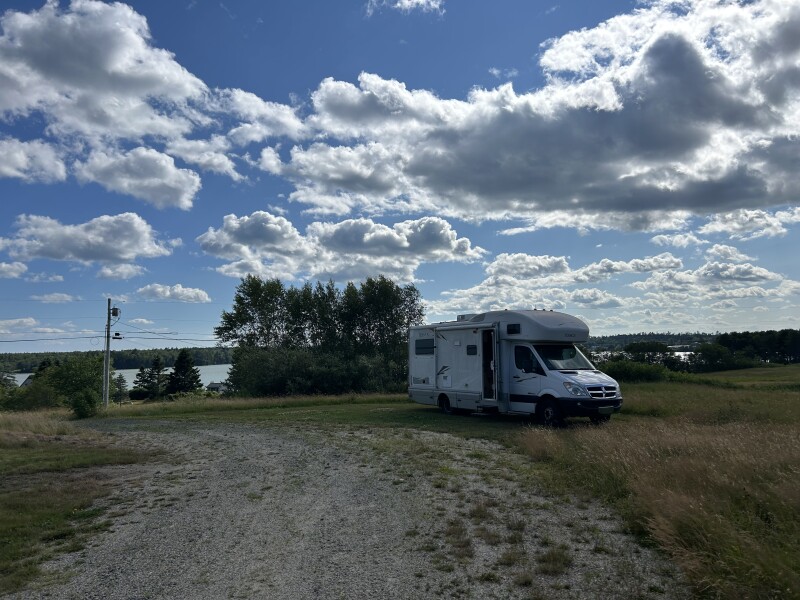
Before confirming, I would check whether the host allows extra nights, whether the ground is suitable after rain and what “self-contained” means for that particular listing. Good planning is still part of the freedom. The membership gives me more interesting choices, but it does not remove the need to be a considerate guest or a realistic driver.
Which Harvest Hosts plan fits an autumn test run?
There are three clear entry points. Harvest Hosts Classic includes access to 6,000+ locations across farms, wineries, breweries, distilleries and attractions, plus campground partners. If I were testing the idea with a couple of weekend trips, that is the plan I would inspect first.
- Classic, with 6,000+ locations and campground partners.
- Plus Boondockers Welcome, with 9,300+ locations including private-property hosts.
- All Access, with 9,700+ locations, golf courses, campground partners and Escapees RV Club membership.
The Harvest Hosts Classic plan looks like the neatest seasonal experiment. The Harvest Hosts + Boondockers Welcome plan makes more sense if I want both small-business stops and private property. And the Harvest Hosts All Access plan is the broadest choice for a full travel year, particularly if I will use the extra network often.
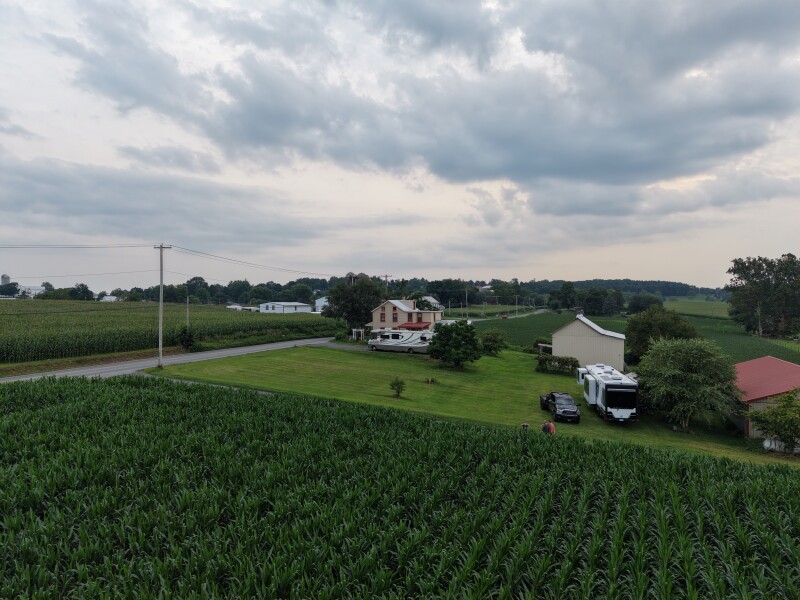
Prices and plan inclusions can change, so I would check the current page before joining. The main value question is not whether every night is free in the abstract. It is whether I will actually use enough stays, and whether I like trading a standard campsite for a more personal, local experience. For autumn, I suspect the answer would be yes.
There are a few small details I would bookmark before setting off. The Discover page is handy for a broad browse, while route planning is better once I know my dates. I would open the How It Works guide if I were new to hosting etiquette, then check the benefits page for the current membership detail. Those extra minutes prevent the classic road-trip error of arriving somewhere gorgeous with the wrong expectations.
I would message hosts politely, arrive within the agreed window and treat the purchase element as part of the welcome rather than a compulsory ticket. A jar of jam, a bottle from the tasting room or a museum admission can be a much nicer souvenir than another motorway service-station sandwich. If I need reassurance, I would also read the satisfaction guarantee and the code of conduct before the first request. It is a community, after all, and good manners make the unusual stops work.
Ready to plan an autumn host stop?
I would use Harvest Hosts as the characterful middle layer of an RV trip. It is not a replacement for every campground: sometimes I need a full-service site, laundry and a long hot shower, preferably before I become unbearable. But for a fall weekend, the network gives the route more texture. A winery, farm, brewery or museum can make the overnight feel like something I chose rather than something I endured.
For more ideas, I would browse location galleries, hosts by state, fall camping inspiration and the latest membership offer.
- Best for: RV travellers who enjoy local businesses and flexible routes.
- Worth checking: vehicle limits, ground conditions, hookups and extra-night rules.
- Best seasonal use: foliage drives, harvest weekends and slower shoulder-season touring.
- My verdict: a charming way to make autumn miles feel more memorable.
If the changing leaves have you eyeing a map, I would start by browsing the available hosts around the places already on your list. Pick one stay with a genuinely appealing story, read the practical details and see whether the route suddenly feels more exciting. That is the whole charm: the stop becomes part of the adventure.