







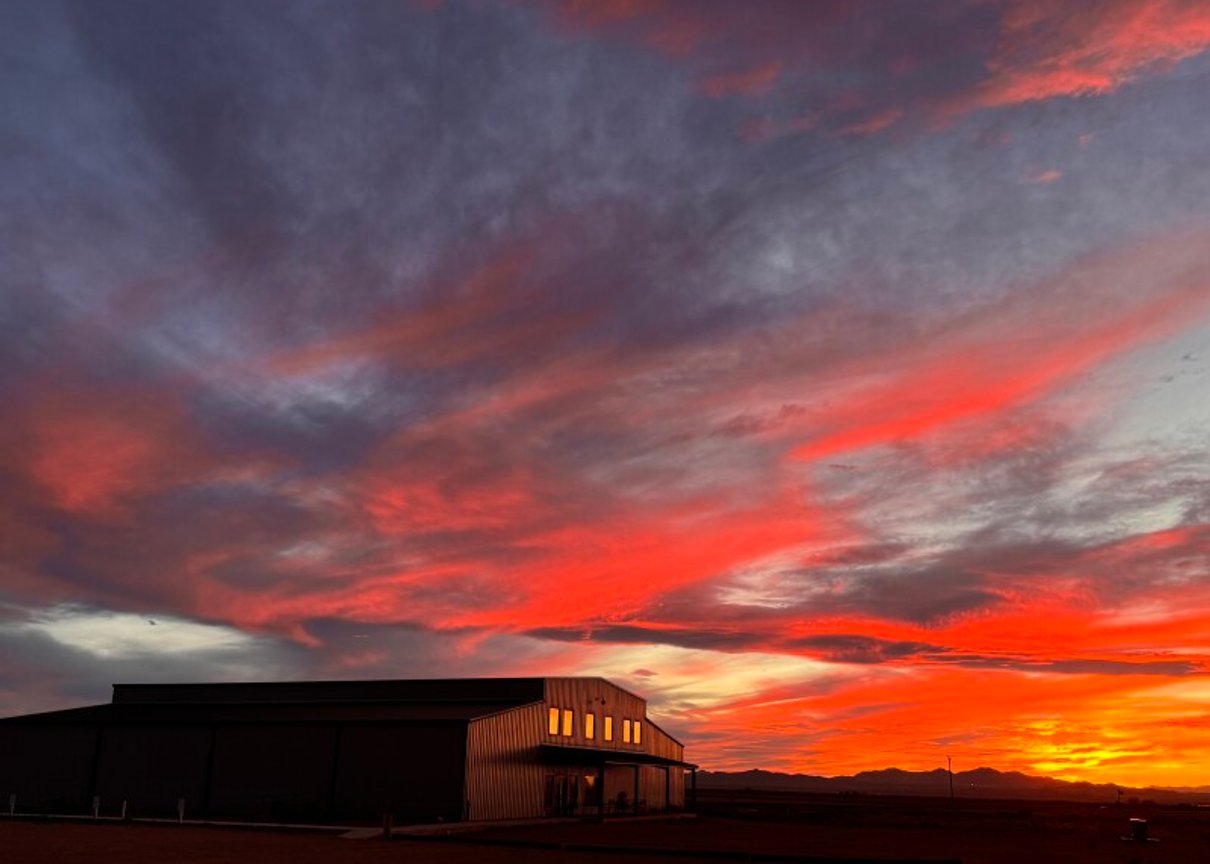
I have a slightly embarrassing habit when planning an RV trip: I save beautiful places first and work out where to sleep afterwards. It is how a manageable weekend becomes a map full of optimistic detours. Harvest Hosts appeals to the part of me that wants the overnight stop to be part of the story, not just a rectangle of asphalt beside a reception desk.
The offer is simple enough to grasp quickly. Membership opens access to 9,700+ locations across the US and Canada, with unlimited overnight stays and no camping fees at participating Hosts. In practice, that can mean a farm, winery, brewery, museum, golf course or private property instead of a standard campground. I looked at the current plans, the route tools and several real Host pages to work out where the value is strongest.
If you are already picturing your next long drive, I would start by opening the Harvest Hosts map and checking your actual route. That small step tells you far more than a glossy promise. You can see whether the network fits your kind of travel. It is a useful low-risk first test for a frequent road-tripper.
Can one Harvest Hosts overnight improve my trip?
I would not judge this membership by asking whether it replaces every campground. It does not, and that is not really the point. I would ask whether it can remove a few expensive or inconvenient nights from a trip while giving me somewhere genuinely memorable to stop. The maths becomes appealing surprisingly quickly.
- Classic includes 6,000+ Farms, Wineries, Breweries and Distilleries, Attractions and 1,100+ Campground Partners.
- Classic + Boondockers Welcome expands the network to 9,300+ locations, including private-property stays.
- All Access reaches 9,700+ locations and adds 300+ Golf Courses, Escapees RV Club membership and the wider network of perks.
The brand says the Classic plan can typically pay for itself in the cost of two campground nights. I would treat that as a useful benchmark, not a guarantee. Host purchases are encouraged, and selected extras such as electric hookups or additional nights can cost more. Still, if you take three or four road trips a year, the chance to trade even two ordinary nights for something different is a persuasive starting point. The Classic plan details spell out the core access clearly.
The strongest benefit for me is not the headline number. It is the combination of no camping fees, a large map and the feeling that a stop has a reason to exist. That makes the membership particularly useful on routes where I would otherwise book a motel or settle for a generic overnight. I would save the location gallery for inspiration, then use the Host search for the practical details. That is the real advantage over simply searching for parking.
Which Harvest Hosts listings show the network’s range?
Generalities are easy to sell, so I went looking for the details that matter when I am tired, driving a long vehicle and hoping not to reverse into a hedge. These are not imaginary examples. They are specific listings that show the range of the network and why browsing the individual page matters before requesting a stay.
Sustainable Farm Brewery & Winery Getaway
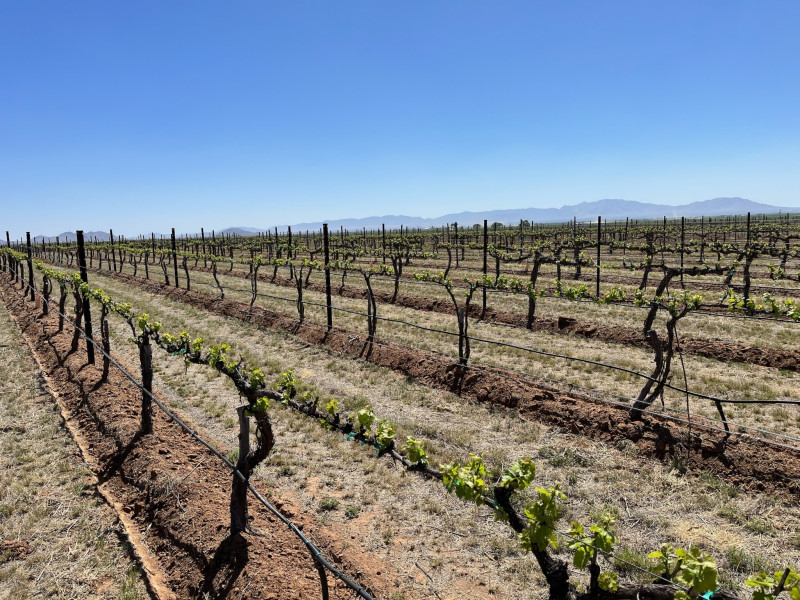
The Sustainable Farm Brewery & Winery Getaway in Willcox, Arizona is the kind of listing that explains the appeal in one glance. It has 50A electric hookups available separately, on-site dining, a taproom, a restaurant and a café, plus a gravel parking area for rigs over 45 feet. It also offers an extra night. This is more than a place to pause for sleep: it is a small destination with food, drinks and a practical option for a larger RV.
- Useful for: a food-led overnight in wine country.
- Notable details: 50A hookup option, dining and extra night availability.
- Planning note: reserve the hookup separately if you need shore power.
Mountain-Top Boutique Winery
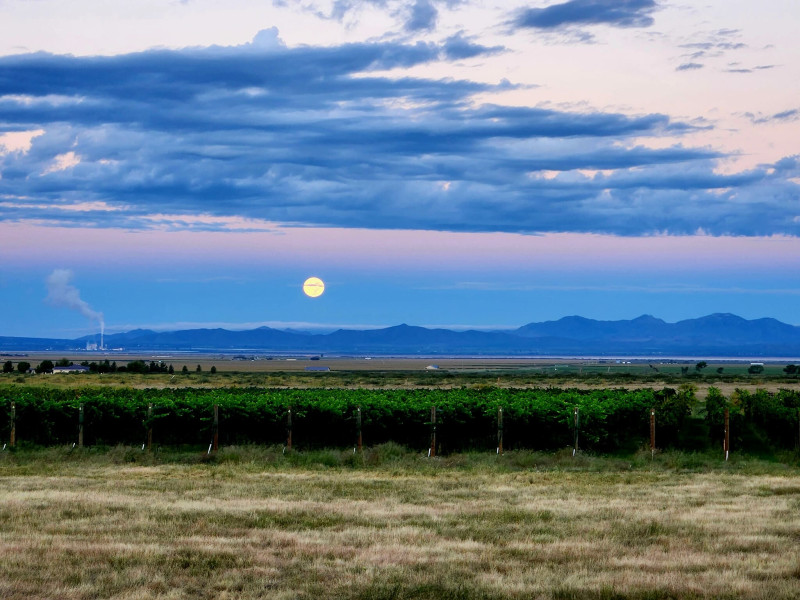
The Mountain-Top Boutique Winery near Hendersonville, North Carolina shows the scenic side of the proposition. The listing highlights Blue Ridge Mountain views, a rating above 4.9, pets allowed and up to four extra nights. That is the sort of detail I want before committing to a detour: it tells me this could become a slower stay rather than a single-night stop, while also being honest about the extra charge.
Historic Warbird Air Museum
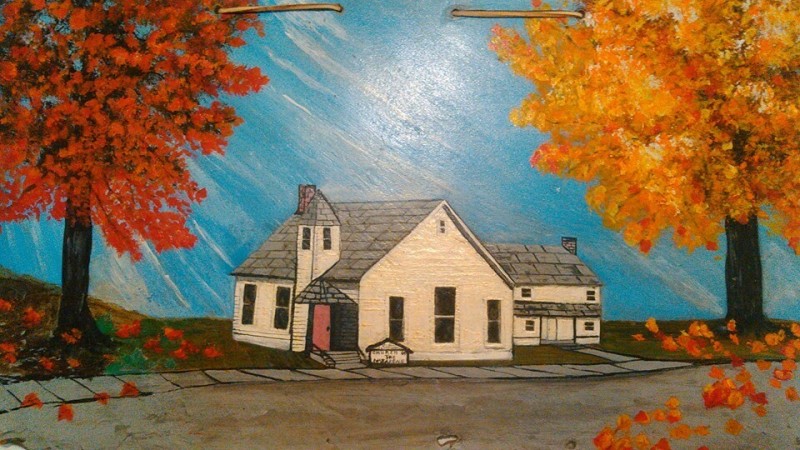
For a completely different mood, the Historic Warbird Air Museum in Pennsylvania offers a working museum and aircraft restoration setting. The page describes spacious, level, paved parking with easy highway access, a gift shop and historical exhibits. It allows generators, pets and vehicles over 45 feet, with up to three extra nights. I like this kind of listing because it gives a travelling family a proper reason to get out of the vehicle.
- Choose a farm or winery when food, tasting and scenery are the priority.
- Choose an attraction when you want an activity built into arrival day.
- Use the filters for vehicle length, hookups, pets and extra nights before requesting.
How can Harvest Hosts help shape my route?
The route-planning feature is where the offer moves from appealing idea to useful tool. You can search along a route and near a final destination, rather than only searching around a pin you already know. I would use it before booking the big campground nights, because a Host twenty minutes off the road may be more interesting and cheaper than a conventional stop in the nearest town. The Plan a Trip view is especially handy when the route is still flexible.
There is also a useful social layer. Hosts are small businesses and local owners, and members are encouraged to support them by shopping, tasting, eating or buying an experience. That expectation is important. This is not a promise of a totally free resort night with every amenity included. It is an exchange built around access, courtesy and local spending. Read the Host notes, arrive when requested and budget for the purchase that makes the stay worthwhile.
Before I request a stay, my shortlist would look like this:
- Check the listing’s maximum vehicle length and parking surface.
- Confirm whether hookups, pets, generators and extra nights suit my setup.
- Read recent reviews and note arrival instructions.
- Message clearly with dates, vehicle size and how I plan to support the Host.
That little checklist protects the best part of the membership: spontaneity without guesswork. The Harvest Hosts app and website make discovery easy, but the Host page remains the source of truth for the details that can make or break an arrival.
Which Harvest Hosts plan should I try first?
For a first test, I would choose Harvest Hosts Classic if my trips are mainly about farms, wineries, breweries and attractions. It is the cleanest way to see whether I enjoy this style of travel without overcommitting. The plan includes the core small-business network and 1,100+ Campground Partners.
If private-property stays appeal to you as much as business Hosts, the Classic + Boondockers Welcome plan gives a broader mix. I would choose All Access if golf courses, the Escapees RV Club membership and the biggest network are meaningful to your travel plans. The useful features depend entirely on how you travel. You can also review the membership benefits before deciding.
A practical way to decide is to open the current plan comparison and count the places you could genuinely use over the next twelve months. Then check the Discover map for real examples near home, not just dream destinations. If the map gives you several plausible first stays, the membership has cleared the most important test.
Ready to add Harvest Hosts to your RV route?
After looking closely, I think Harvest Hosts is strongest as a flexible layer on top of an RV travel plan. It gives me more interesting choices, helps break up long drives and can make a two-night trip feel like a tiny tour. The best value arrives when I use it intentionally: one Host on a route, one purchase that supports the business, and enough planning to make sure the vehicle and amenities fit.

I would still book a full-service campground when I need guaranteed water, sewer, a pool or several nights of predictable facilities. But for the overnight that turns into a tasting, a museum visit, a farm shop or an unexpected conversation, this offer feels distinctive. The current 25% reduction makes the first year easier to justify, especially for anyone already planning several US road trips.
My advice is to browse the map first, compare the three plans honestly and save two possible Hosts near a route you already expect to drive. If those pages make you want to change the itinerary in a good way, that is probably your answer. I would start with the lower-priced core plan, keep my expectations realistic about extras and let the first memorable stop prove the rest. Read the Happy Camper Guarantee as well, so you know the support terms before setting off.
Disclosure: This article contains affiliate links. If you join through one, PrettyHOW may earn a commission at no extra cost to you.