








I have always liked the idea of an RV trip that has a little more personality than a large, tidy campground. Give me a farm road, a good local bottle and a place where the owner actually has a story to tell, and I am interested. That is the appeal of Harvest Hosts, a membership service for self-contained RVs that opens up overnight stays at farms, wineries, breweries, distilleries, attractions and community hosts.
The specific offer I would investigate first is the Harvest Hosts Classic plan. It is the focused version of the membership, with access to more than 6,000 small-business locations and unlimited overnight stays with no camping fees. The important detail is that the overnight is part of a wider experience: you may browse a farm shop, taste wine, buy a gift or simply have a memorable stop on a long drive.
If you want to look at the offer while the details are fresh, you can explore Harvest Hosts and compare the current prices. I am treating this as a service review rather than pretending that every Host works in exactly the same way. That variation is the charm, but it also makes the buying and planning experience worth examining closely.
Disclosure: this post includes affiliate links, and we may be paid a commission on purchases made through them.
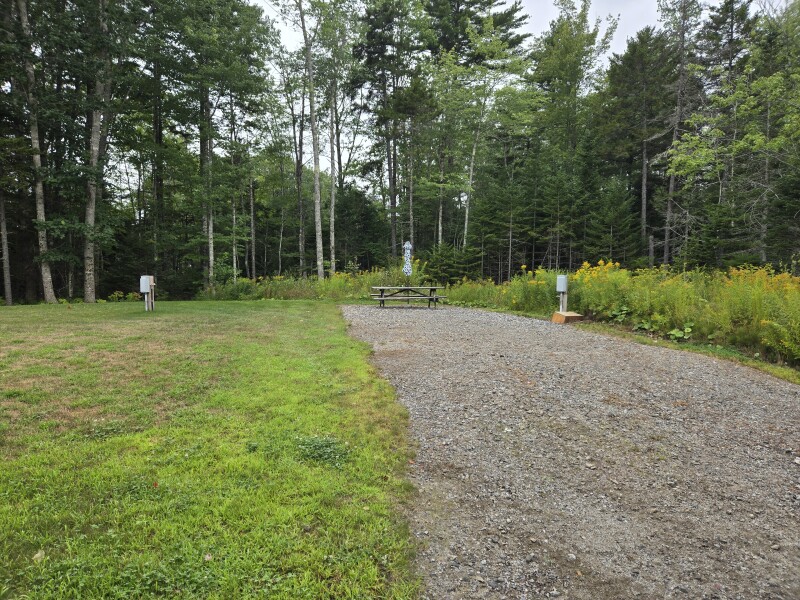
What are you really paying for with Harvest Hosts?
The membership is not a reservation for a standard pitch with a fixed menu of facilities. It is access to a network and the tools that make that network usable. From the website or app, members can search the map, filter by Host type, check photos and reviews, look for electric hookups and find locations near a route or final destination. The Harvest Hosts map and route planning tool are therefore as important as the annual fee.
Here is the useful distinction I kept coming back to: the fee buys access, not a guaranteed campsite specification. Most stays are for one night. Some Hosts offer extra nights, hookups or generator-friendly arrangements, often with additional charges or their own conditions. You need a self-contained RV with an interior toilet and onboard waste tanks, which rules out some smaller camping setups. That requirement is important to check first.
- Unlimited overnight stays at participating Hosts, with no camping fee for the stay itself.
- A searchable map with route planning, reviews, photos and practical Host details.
- Access to farms, wineries, breweries, distilleries, attractions and other unusual locations.
- Opportunities to support a Host through purchases, tastings, meals or experiences.
That last point matters. The arrangement works best when you arrive as a respectful visitor, not as someone trying to extract a free parking space. I would budget for a farm product, tasting or small purchase where appropriate, then think of the overnight as the backdrop to that interaction. You can read the membership benefits and browse Host reviews before joining to see how the current rules and partner perks fit your style of travel.
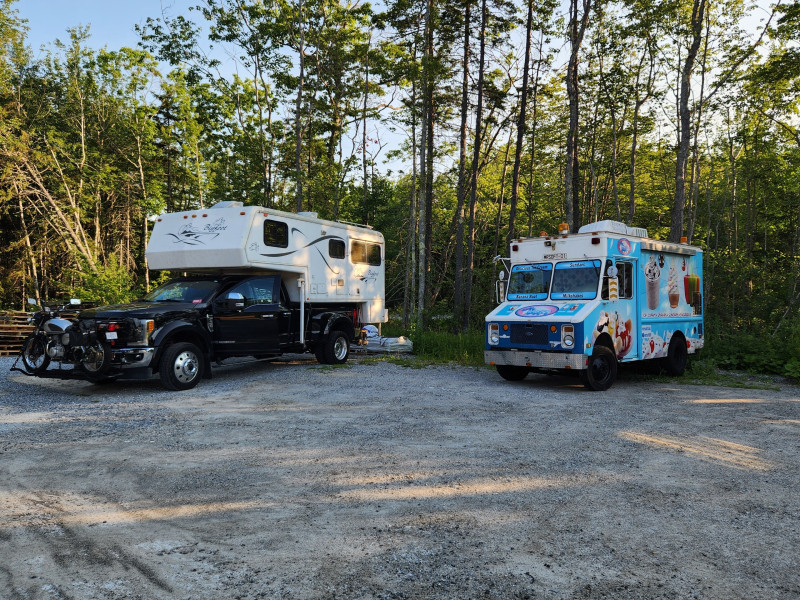
How do the Harvest Hosts plans differ in practice?
Harvest Hosts gives the service a fairly clear ladder. I like that, because a membership with several overlapping tiers can make a simple road-trip decision feel like admin. The three options I found are distinct enough to compare.
Harvest Hosts Classic
The Harvest Hosts Classic plan is the straightforward choice. It covers the core network of more than 6,000 farms, wineries, breweries, distilleries and attractions. This is the plan I would choose for a first season if my priority was unusual small-business stops rather than a broad club bundle.
It suits an RV traveller who already knows where they like to stay, can manage without a traditional campground every night and enjoys deciding the shape of a route around interesting places. The value can arrive quickly if you use the network for two or three nights that would otherwise have been paid campground nights, although purchases and optional add-ons still need to be considered. That is the core value proposition.
Harvest Hosts + Boondockers Welcome
The Harvest Hosts + Boondockers Welcome plan combines the 6,000-plus small-business Hosts with more than 3,300 Boondockers Welcome private-property Hosts and access to campground partner savings. This is the more useful middle option if you want both characterful businesses and quieter residential or private-land stays. You can check Boondockers Welcome access alongside the plan.
The distinction is simple enough: Classic is about places with something to visit or buy; the combined plan adds more flexibility for the nights when you mainly need a safe, welcoming place to pause. I would compare the combined plan with the Classic price if you travel frequently across different regions.
Harvest Hosts All Access
The Harvest Hosts All Access plan is the full bundle. It includes the core business Hosts, Boondockers Welcome, more than 300 golf courses, around 1,100 campground partners and an Escapees RV Club membership. For someone who will use several parts of the ecosystem, that is a more compelling proposition than simply choosing the largest number. I would view the included partner benefits before choosing.
I would not automatically recommend All Access to a casual weekend traveller. The sensible test is whether you can name two or three extras you will actually use. If the answer is yes, review the All Access details and compare the included perks; if not, Classic may be the cleaner purchase.
- Choose Classic for the focused small-business Host network.
- Choose the combined plan for more private-property flexibility.
- Choose All Access when golf, campground partners and Escapees have real value for you.
What does the Harvest Hosts buying experience feel like?
The buying journey begins with the map, and I think that is exactly right. You can browse locations before joining instead of committing based on a vague promise. I would search a familiar route first, then open individual Host pages to check rig length, arrival notes, hookups, extra-night rules and recent reviews. That small bit of preparation prevents the classic mistake of choosing a beautiful listing that cannot accommodate your vehicle.
Once you have selected a plan, the signup pages show the annual price and any available discount. Prices and promotions can change, so use the live membership page to confirm the details before paying.
After joining, you request a stay through the platform rather than assuming an open-looking date is automatically yours. I would send a short, friendly message with the arrival time and rig details. The confirmation, Host directions and any notes about purchases or quiet hours are part of the experience, so save them somewhere accessible before setting off. The booking process is simple, but the listing still deserves a proper read.
- Search the route and save several backup Hosts.
- Read the full listing, including vehicle limits and arrival instructions.
- Request the overnight and wait for the Host confirmation.
- Plan a respectful purchase or experience where the listing suggests one.
The app is useful once you are moving, particularly for keeping Host information and reviews in one place. I would still download directions and contact details before leaving reception. Rural locations have a talent for turning a confident phone signal into a distant memory.

What should you check before joining Harvest Hosts?
The best use case is a self-contained RV trip with room for spontaneity. The service is less suitable if you require full hookups, showers, laundry and a level, serviced pitch every night. That is not a criticism; it is simply a different job. I see Harvest Hosts as a route-building layer, not a universal replacement for campgrounds.
Before paying, I would check four things:
- How many Host locations sit along your real routes, not an imaginary dream itinerary.
- Whether your RV length, generator and self-contained setup match the listings.
- How often you are comfortable staying one night and moving on.
- Whether the plan extras justify the difference from Classic.
Also remember that “no camping fees” does not mean a completely cost-free stop. You may spend on wine, produce, beer, food, golf or an attraction, and some Hosts charge for hookups or extra nights. For me, that is part of the fun when it is transparent. I would rather make one considered local purchase than pay for a forgettable overnight, but your travel budget may point elsewhere. The Host terms and conditions are worth checking.
Ready to choose your Harvest Hosts membership?
Harvest Hosts Classic is the most compelling specific offer for a first-time member who wants the idea in its clearest form. The price is easy to understand, the 6,000-plus location network is broad, and the service gives an RV journey a reason to pause somewhere beyond the usual exits. I particularly like the combination of map discovery, reviews and the chance to support small businesses.
Its limits are equally clear: you need the right vehicle, you need to read each Host listing and you cannot expect campground-style amenities by default. But if you enjoy planning loosely, meeting the character of a place and adding a little story to the overnight, the membership earns a serious look. You can see today’s Harvest Hosts offer and decide whether Classic, the combined plan or All Access suits the routes you actually take.
My pick would be Classic first, then an upgrade only if I found myself wanting the wider private-property network and bundled perks. That feels like the least complicated way to test whether this style of RV travel fits. One good Host can change the feel of an entire route.