







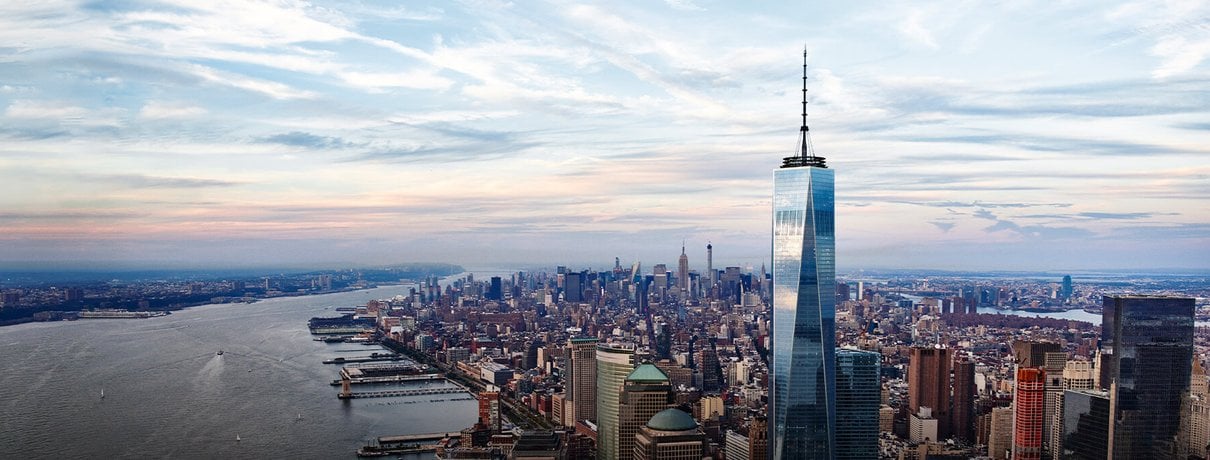
New York observation decks are a classic holiday dilemma. Do you pay for the highest possible viewpoint, pick the cheapest skyline ticket, or choose the one with the least faffing around? I compared One World Observatory – New York with the typical alternatives using the things I actually care about: what the ticket includes, how much time it buys back, whether the view feels different and whether the whole visit earns its place in an already packed city break.
My starting point is Lower Manhattan, inside One World Trade Center at 117 West Street. The attraction promises the highest point in New York City, a 102-floor lift journey in 47 seconds, broad views over the rivers and an experience that goes beyond standing at a window. Prices and availability change, so I would always check the official One World Observatory ticket page before committing to a date.
Disclosure: this post includes affiliate links, and we may be paid a commission on purchases made through them.
Which New York view suits your day?
Most visitors compare decks as if they were interchangeable. They are not. The Empire State Building gives you the instantly recognisable midtown postcard, Top of the Rock gives you the Empire State Building in the frame, and One World Observatory gives you a dramatic Downtown perspective with water on several sides. The right choice depends on the rest of your itinerary as much as your camera roll. I checked the brand’s planning information before comparing the route.
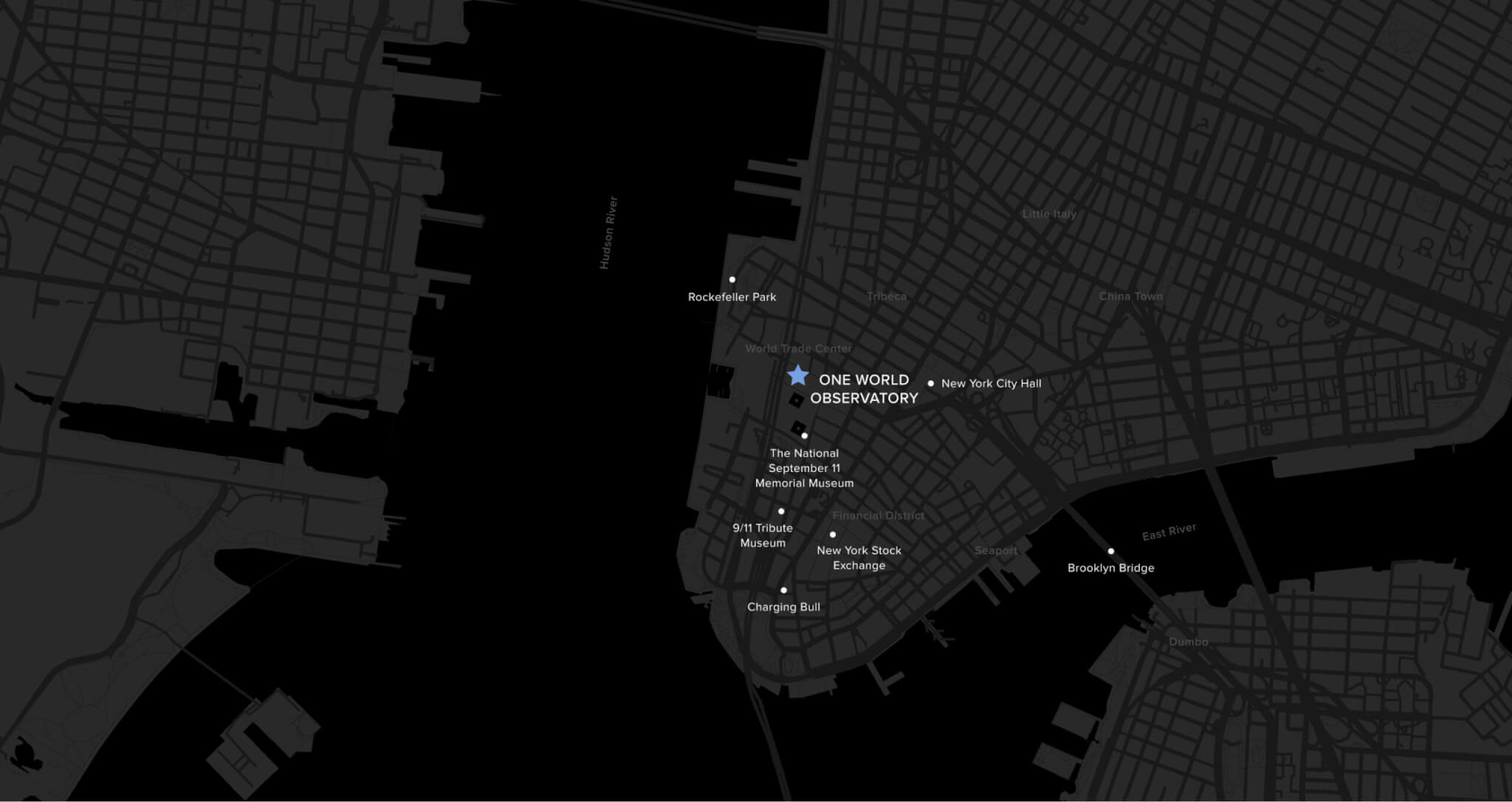
For a first-time visitor staying around Times Square, a midtown deck may be simpler. For anyone already visiting the 9/11 Memorial, the Oculus, the Statue of Liberty ferry or Wall Street, One World Observatory fits naturally into the route. The nearby World Trade Center PATH station and accessible transport options also make it practical, although I would leave some breathing room around the timed entry.
- Choose One World Observatory for Downtown context, river views and a polished indoor experience.
- Choose Top of the Rock if the Empire State Building photograph is your priority.
- Choose the Empire State Building if its history and classic silhouette matter more than broad Downtown views.
- Choose a sightseeing pass only after checking whether the attraction and date are genuinely included.
The attraction itself is backed by several layers: the SkyPod Elevators, See Forever Theater, City Pulse and the Sky Portal. These are not substitutes for a clear day, but they do make the visit feel less one-note than a simple lift to a viewing platform. The official experience overview and immersive exhibits page are worth opening if your group includes someone who tires of looking at the same skyline for an hour.
What changes across One World Observatory tickets?
The ticket ladder is unusually clear, which I appreciate. Standard General Admission is the basic answer for a traveller who wants the view and the core exhibits, has a fixed plan and does not mind joining the ordinary flow through security, lifts and exit.
Combination Experience includes priority entry through security, the elevator and exit, plus One World Explorer, a digital skyline guide that adds interactive information to the view. Against a typical general-admission deck, this is the sensible option for curious visitors who dislike queues but do not need a fully flexible day.
All-Inclusive Experience is marked as the best value on the comparison table. It includes priority access, One World Explorer, a choice of arrival period and credit to spend at the cafe, bar, restaurant or gift shop. That last credit matters more than it sounds: it can turn an upgrade into a less painful calculation for a family or a couple planning a snack anyway.
At the top, the VIP Tour includes priority entry, escorted entry, the included spend and a guided tour covering landmarks and New York history. Compared with rival decks, this is the most defensible choice when storytelling is part of the brief. It is less compelling if your group wants to wander independently and leave quickly.
- Best budget: Standard, when the view is the whole point.
- Best balance: Combination, when priority access and digital context will improve the visit.
- Best flexible day: All-Inclusive, when the arrival window and included credit will be used.
- Best hosted experience: VIP Tour, when the guide is worth more than solo exploring.
There is a processing fee, and all tickets are one-time admission. I would also remember that the view is weather-dependent. Tickets are non-refundable, although the brand explains that a voucher may sometimes be issued in rare zero-visibility conditions. That is a reason to read the current terms on the official booking page and See Forever Commitment, not a reason to assume a cloudy forecast makes the ticket worthless.
Could ONE Dine make the observatory visit worthwhile?
Dining is where One World Observatory becomes harder to compare with a standard observation deck. ONE Dine sits on level 101 and is only accessible to observatory ticket holders, so it is not a free-standing restaurant visit in the same way as a rooftop bar. That can be a drawback if you want a quick drink. It can also be the reason to choose this attraction for an anniversary, birthday or deliberately slow evening.

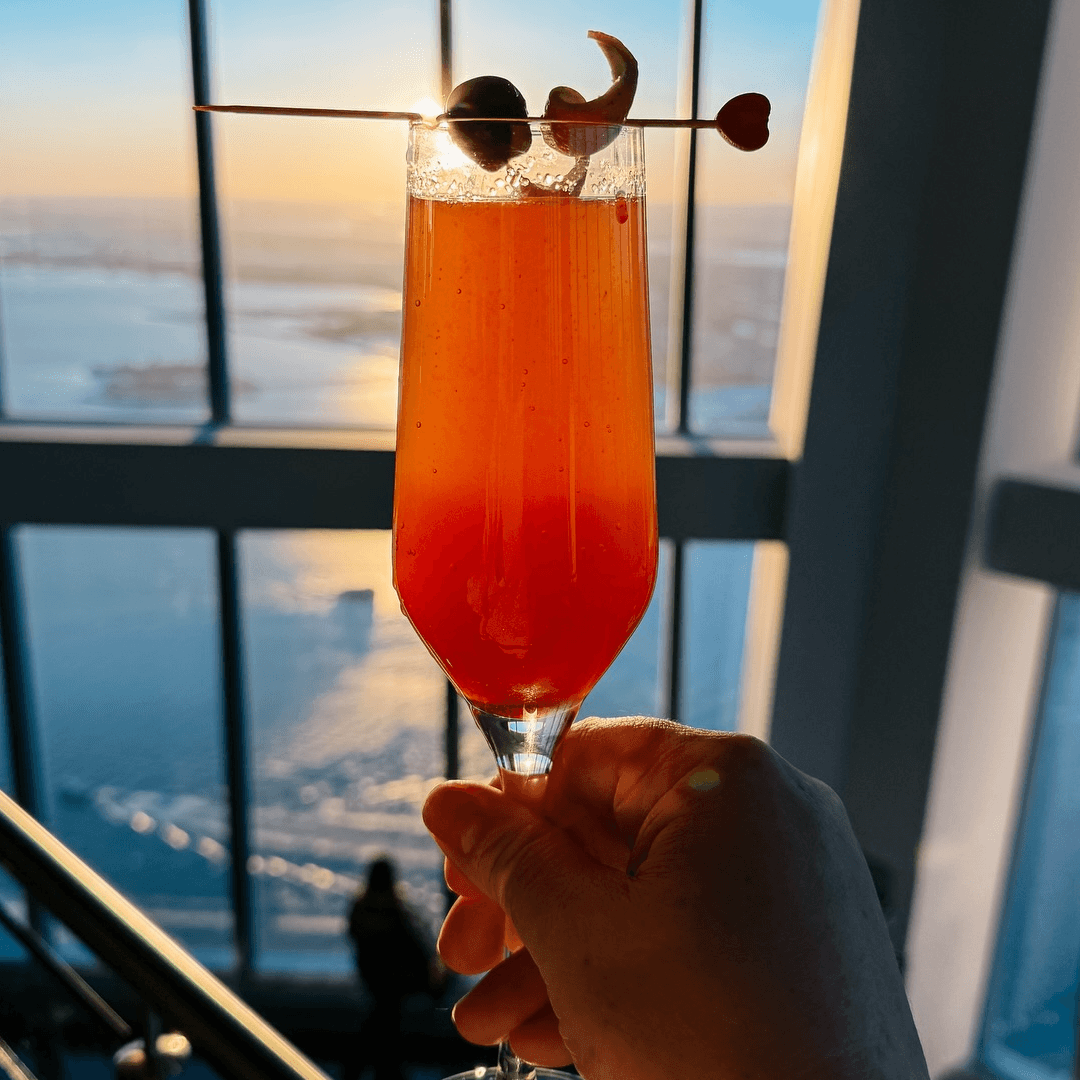
I would inspect the ONE Dine restaurant information separately rather than assuming every ticket includes dinner. The menu is seasonally inspired, and the attraction also has ONE Mix plus illy Caffe and Gelateria for less formal stops. The included credit on the All-Inclusive and VIP options can be useful, but it is not the same as a prepaid meal or a guaranteed restaurant reservation.
Against a rival deck with a rooftop cocktail as its main extra, ONE Dine feels more like a planned destination. Against a normal Downtown restaurant, the trade-off is obvious: you are paying for the elevation and the admission experience as well as the plate. My honest view is that the restaurant is worthwhile for a special occasion, while casual visitors should not upgrade solely because the word “dining” appears in the package name. Check the current dining details and book the restaurant separately when needed.
- For a quick visit, keep the ticket simple and use the cafe.
- For sunset or an occasion, allow time for ONE Dine after the viewing levels.
- For a group, confirm seating and reservation details before upgrading.
- For a food-led evening, compare the full cost with a restaurant plus a cheaper deck ticket.
What could make One World Observatory less convenient?
No comparison is useful if it only repeats the brochure. The biggest limitation is location: if your day is concentrated in Midtown, travelling Downtown can make the ticket feel like a detour. A second is the indoor format. You get shelter from wind and weather, but visitors who want an open-air edge may prefer a different deck. The third is that the standard ticket does not include the queue-skipping and digital extras that make the higher tiers feel more complete.
I would also allow 45 minutes to one hour for the core visit, longer if you add food or spend time with One World Explorer. Bags must fit the published size limits and there are no lockers, so a pre-airport visit with luggage is not a clever shortcut. Timed entry matters too. Late arrivals are accommodated based on capacity, which is another small but real advantage of planning ahead through the ticketing system and One World Explorer details.
- Check the forecast and aim for at least an hour before sunset if you want changing light.
- Leave luggage at your hotel because storage is not available inside.
- Use Manage My Booking if you need to update the date or time before visiting.
- Compare the final total, including the processing fee, not just the headline price.
Ready to plan your One World Observatory visit?
My verdict is that One World Observatory is the best all-round choice for a Downtown-focused day, particularly if this is your first visit to Lower Manhattan or you want an indoor attraction with a strong sense of arrival. The view is not automatically “better” than every rival. It is different: more water, more southern Manhattan context and a striking sense of looking out from the tower that anchors the skyline.
I would choose Standard for a straightforward sightseeing stop, Combination for most couples and independent travellers, and All-Inclusive when the flexible arrival and included credit will genuinely be used. I would reserve VIP Tour for visitors who value a guide, and I would add ONE Dine because I want a proper evening above the city, not because the package sounds more luxurious.

If your priority is the classic Empire State Building photograph, book the deck that puts it in front of you. If you want an open-air ledge or a Midtown base, look elsewhere. But for a polished, weather-protected visit with several ticket tiers, a memorable lift journey and an optional restaurant above the city, my recommendation is clear: book the observatory and spend wisely.
Before you set off, compare the date, arrival time, final total and inclusions on the live ticket options. If dinner is part of the plan, review ONE Dine as a separate decision. It is also worth checking Manage My Booking before travel. That two-minute check is enough to turn a generic skyline booking into a day that feels deliberately chosen.