









I have a slightly complicated relationship with getting to Ireland. Flying is quick, driving gives you control, and a ferry can feel like a small holiday before the holiday starts. After comparing the things I actually care about, Irish Ferries makes the strongest case for travellers who want to bring a car, pack generously or turn the crossing into useful travel time. It is not automatically the cheapest choice, and a short trip from London may still favour a plane, but the overall proposition is refreshingly practical.
This is my honest comparison of Irish Ferries against flying, driving through another country and choosing a more basic ferry service. I am looking at live fare logic, route convenience, cabins, luggage, pets, onboard comfort and the small details that can make an apparently cheap journey less appealing once you add transfers.
The first decision is speed versus usable travel time
On paper, flying wins for speed. A flight from the UK to Ireland may take little more than an hour, while a ferry crossing takes longer and asks you to reach the port before departure. That comparison is fair, but it leaves out the edges of the journey. Airport security, parking, luggage limits and transfers can turn a short flight into a rather long day. A sailing from Holyhead to Dublin or another Irish Ferries route lets you board with a car and settle in rather than queue in several different places.
If I am travelling from a city centre with only a small bag, I would still look at flying first. If I am carrying outdoor kit, a pram, musical instruments or enough clothes for a fortnight, the generous luggage logic of a ferry is much less stressful. The value is not just the ticket: it is the amount of planning you avoid.
Driving all the way through Britain and using a shorter Channel crossing can work for southern England, but it adds mileage and another border or motorway calculation. For a road trip, Irish Ferries booking options make most sense when the car is part of the plan from the moment you leave home. I would compare fuel, tolls, parking and overnight costs rather than focusing on the headline fare alone.
- Fly when arrival speed matters most and your luggage is light.
- Drive and sail when you need your own car and want a flexible Irish itinerary.
- Choose a ferry when space, pets or a calmer day matter more than the fastest possible arrival.
- Use ferry and rail when you want a car-free onward journey after reaching Ireland.

Three Irish Ferries choices that change the comparison
The ship and route matter more than the logo on the ticket. The W.B. Yeats is the name I would start with for a longer Ireland to France sailing. Its scale makes a cabin, dining and a proper stretch of the legs feel relevant rather than decorative. The live fare depends on route, date, vehicle and passengers, so I would treat “price” as a booking result, not a permanent product label.
For a practical Ireland to Britain journey, the Isle of Inishmore is a more useful comparison point. It is a substantial ship with space to move around, and it suits families or drivers who want the crossing to feel straightforward. I would pick it over a flight when the car earns its keep at the other end, especially for rural plans where public transport becomes limiting.
The Ulysses is another concrete option for travellers comparing capacity and onboard choice. It is the sort of ship that makes a busy sailing feel less confined, with room for a meal, a coffee and a break from the driver’s seat. Against a small commuter-style ferry, more space can be the real upgrade, particularly on a family crossing.
None of those ships is a promise that every sailing will feel identical. Routes, timetables and available facilities vary, so I would check the current sailing details before making a decision. Still, named ships give Irish Ferries a useful advantage over anonymous low-cost transport: you can compare the actual experience you are likely to have.

Comfort is where the ferry earns its longer journey
I do not need a boutique hotel at sea, but I do need somewhere comfortable to sit, a clean toilet and food that is easy to reach. Irish Ferries offers the more relaxed rhythm that flying cannot: you can walk around, look out at the water, plug in a device and eat without being strapped into one seat. That matters if you are travelling with children, feel uneasy about flying or simply dislike the compressed airport experience.
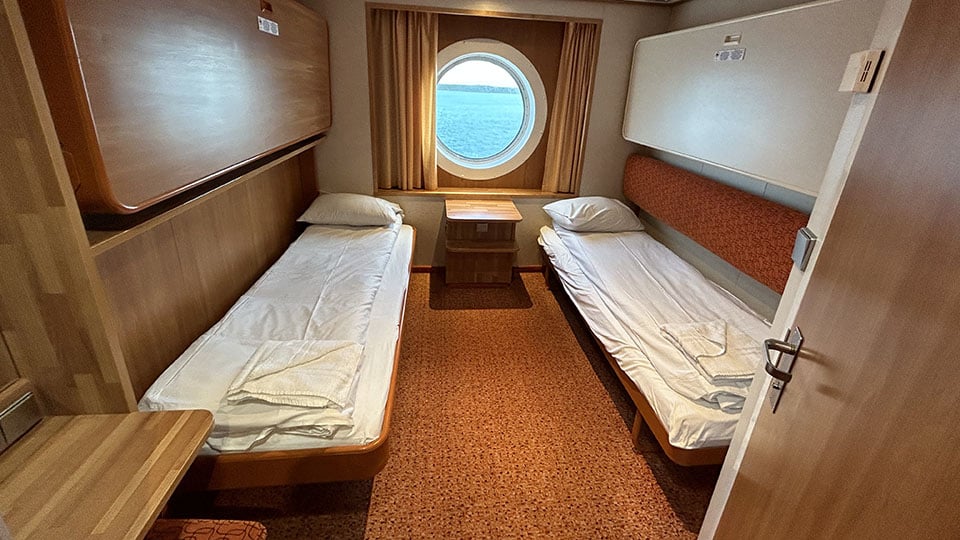
For an overnight or particularly long crossing, I would compare a cabin rather than assuming the cheapest reclining seat is good value. A private space can make the next day much more enjoyable, and the cabin options shown during booking let you price that comfort honestly. It is an optional cost, but so are airport hotels and an extra night caused by an awkward flight time.
Then there is Club Class. I would see it as a targeted upgrade, not an automatic add-on. It makes sense for a long sailing, a work-heavy trip or anyone who values a quieter place to sit and a little separation from the main passenger areas. For a short daytime crossing, I would keep the money for dinner in Dublin.
- Check the exact route and departure time before comparing headline fares.
- Add the vehicle, luggage, cabin and passenger details you genuinely need.
- Price Club Class only if you will use the quieter setting for several hours.
- Compare the final door-to-door cost with a flight, not just the ticket.
This is also where booking Irish Ferries early can help. Fares are live and can move with demand, school holidays and vehicle details. I would not promise a fixed saving, but I would compare dates rather than locking myself into the first sailing that appears. The flexibility option may also be worth checking if your plans are still slightly wobbly.
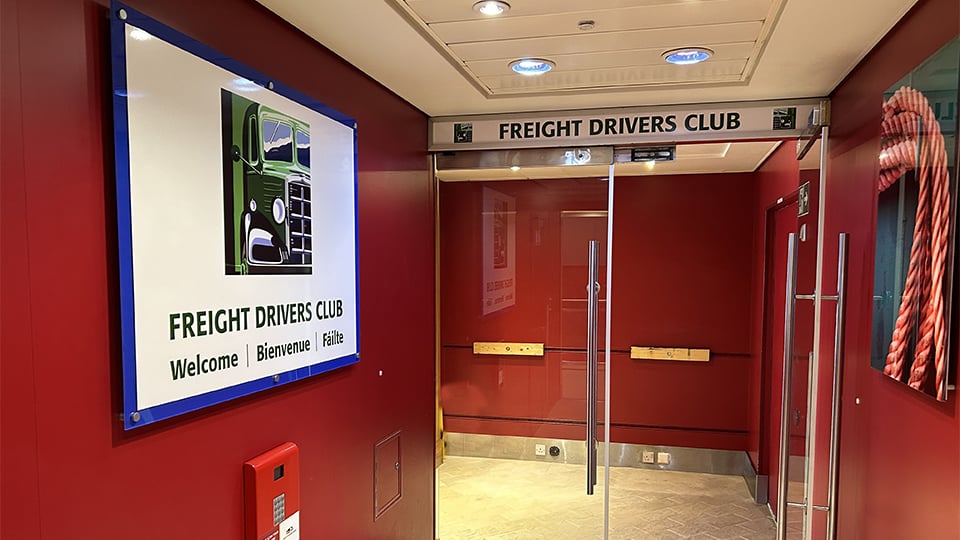
My mid-article view is simple: the ferry wins on flexibility, but only when you use that flexibility. Paying for a car and then spending your entire trip in one city may not justify it. Likewise, choosing a cabin for a two-hour sailing is probably indulgent unless sleep, privacy or accessibility makes it important.
Pets, luggage and the details airlines make awkward
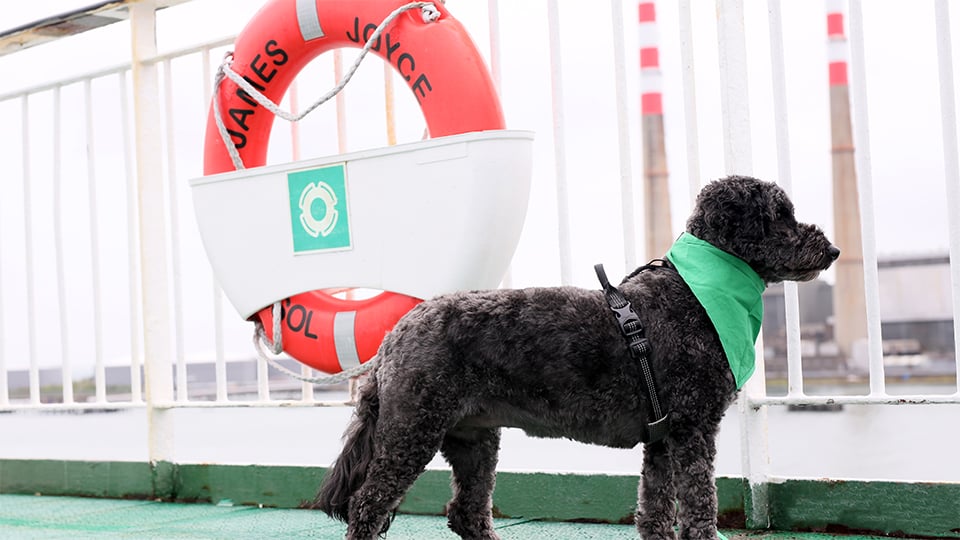
For pet owners, a ferry can remove one of the biggest frictions in travel. Irish Ferries is naturally car-friendly, and the site provides pet travel information that is easier to plan around than an airline’s carrier rules. I would still check the current documentation, route restrictions and welfare arrangements before booking. The right option is the one that keeps the animal calm and the humans organised.
Luggage is similarly practical. A ferry lets me think in terms of the boot of the car instead of weighing every jumper. That does not mean an unlimited free-for-all, so I would read the luggage guidance and avoid assuming that every vehicle or foot passenger fare works the same way. Even with that caveat, the format is kinder to bulky holiday gear.
Against a flight, these are meaningful benefits. Against another ferry, they are reasons to examine the fine print rather than assuming all operators offer the same experience. I also like that Irish Ferries route information connects the journey with ideas for Ireland, including road trips and rail onward travel. That makes the booking feel like part of a plan, not just a transport transaction.
The compromises I would not gloss over
The obvious compromise is time. If I need to attend a meeting in Dublin by mid-morning, flying may be the sensible answer. Ferries also depend on port geography, and getting to Holyhead, Pembroke or another departure point can be inconvenient without a car. A cheap fare becomes less compelling when it requires an expensive taxi at each end.
Weather and timetable disruption are another consideration. I would build a little breathing room around an important appointment and read the latest sailing information before leaving. Onboard Wi-Fi can be useful, but I would not plan a crucial video call around it. This is transport with sea conditions, not a fibre connection with a view.
Finally, the best fare is rarely the only figure to compare. Add fuel to the port, parking, a cabin, food, Club Class and the value of your time. Irish Ferries is strongest as a total-trip choice, not as a universal bargain. I would happily pay more than a flight when the car, pet and luggage are doing real work. I would not pay that premium for a quick city break where a small bag and airport train are genuinely easier.
- Best for: car-based holidays, families, pets and generous luggage.
- Worth adding: a cabin for long or overnight sailings, and Club Class for a quieter extended crossing.
- Think twice: if you need the fastest city-centre arrival or live far from the port.
- Check before paying: route, date, vehicle size, documentation and the final fare breakdown.
My recommendation after comparing the alternatives
I would recommend Irish Ferries to a traveller who wants Ireland to be part of a road trip rather than merely the place where a plane lands. The combination of named ships, vehicle access, cabin choices, pet practicality and space to move around is genuinely useful. My first comparisons would be the W.B. Yeats for a longer, more comfortable itinerary, the Isle of Inishmore for a straightforward car crossing and Ulysses when onboard capacity matters.
I would choose flying instead when speed beats everything else, and I would compare other ferry operators when their port location or timetable is better for my actual home address. That is the honest verdict: Irish Ferries is a strong fit, not a default fit. Check the live fare, price the whole journey and choose the sailing that earns its extra hours.
For me, the deciding question is wonderfully unglamorous: will I use the car, luggage space and onboard time? If yes, I would start with today’s Irish Ferries availability, compare the Club Class option only where it adds value, and make the booking around the trip I actually want to take.