








I have a slightly embarrassing travel confession: I can happily compare five flights, three hotels and an airport transfer, then completely lose the plot when a ferry is involved. Which port? Which operator? Is the ticket flexible? Does the price include the car? This is exactly the sort of faff Ferryhopper is designed to remove.
At its heart, Ferryhopper is a ferry booking and discovery platform. It brings together schedules, operators, destinations, offers and ticket details, with coverage of more than 1,700 destinations. You can start with a route, an island or a country, compare what is available and book in one place. The useful bit for a first-time traveller is that it feels like a travel companion rather than a single ferry company’s sales page.
If you are planning a Mediterranean escape, a crossing from the UK or an island-hopping itinerary, you can browse Ferryhopper’s ferry routes while keeping your options open. That flexibility is the real introduction to the brand.
A travel brand built around the awkward bit of the journey
Ferryhopper understands something that glossy travel marketing sometimes forgets: the lovely part is arriving. The less lovely part is working out whether there is a sailing on the right day, whether two companies serve the same crossing and how early you need to be at the port. The brand puts that planning layer first, which is why its ferry search tool is the natural starting point.
Its public promise is refreshingly practical. Ferryhopper says it helps travellers compare companies, find deals and book ferry tickets, and its destination pages bring together departure ports, timetables, journey duration and current ticket information. That means I can explore a destination before I have committed to one operator or one sailing.
- Search broadly: compare available ferry companies on a route.
- See the detail: check schedules, duration, ports and current prices.
- Book digitally: keep tickets and booking information together.
- Plan with context: use destination guides and route information before travelling.
It is also a global-minded service. The site supports a wide range of European ferry networks and destinations across the Mediterranean, the Adriatic, the Atlantic and routes towards North Africa. I like that it is equally useful for a carefully planned island break and a quick crossing where I simply want to know the next sensible sailing.

The Sardinia ferry routes page is a good illustration of that range. Ferryhopper lists connections from mainland Italy, Sicily, Corsica, southern France and Spain, with fares on the page starting from €22.00 when checked. That is not a fixed promise for every travel date, of course, but it gives a useful sense of how the platform turns a broad destination into navigable choices.
For me, this is the first reason to care about Ferryhopper: it lets the destination stay at the centre of the search. I do not have to begin by knowing whether a particular company serves my route. I can begin with, “How do I get to Sardinia?” and work backwards from there. You can compare Sardinia sailings, inspect the departure options and then decide what suits your dates and budget.
Four real route pages that show the range
A brand introduction is all very well, but I always want to see what I could actually book. Ferryhopper’s route pages make the range much more tangible, with specific crossings, operators, journey information and prices that can change with dates and availability.
- Barcelona – Ibiza ferry: a sunny island connection with fares shown from €8.49 when checked.
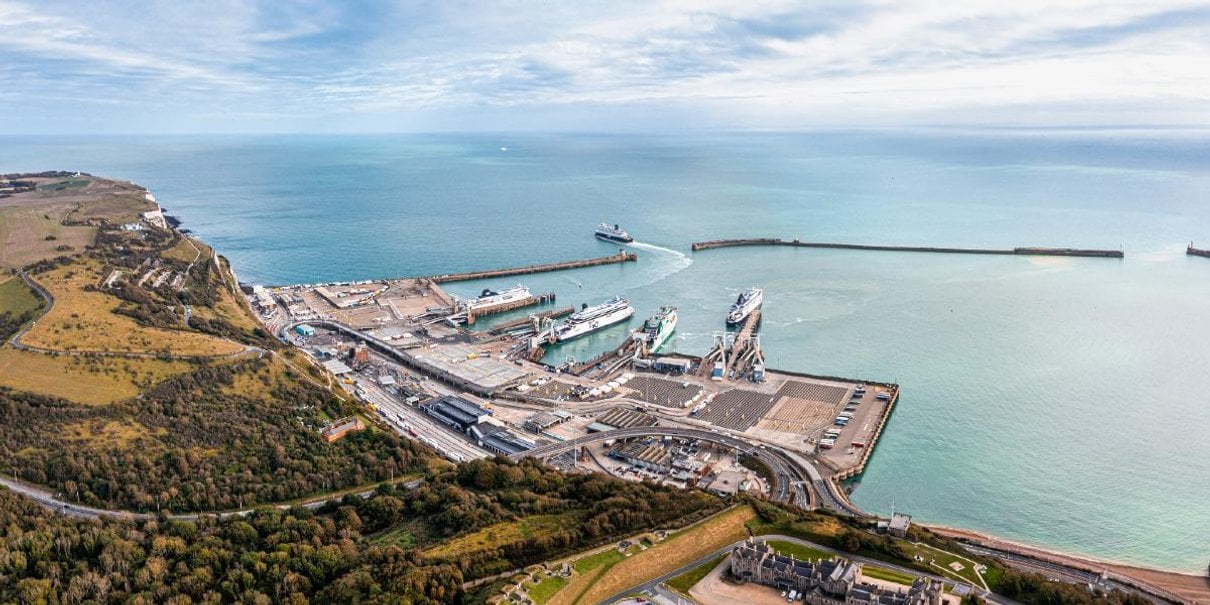
- Dover – Calais ferry: a practical short-sea crossing for a car trip or a quick European escape, with prices shown from €20.00.
- Split – Hvar ferry: a classic Croatian island link, with fares shown from €5.84.
- Naples – Capri ferry: a useful example of how a short, popular Italian route can be compared before you reach the port.
The prices above are snapshots rather than a guarantee. Ferry fares move with dates, passengers, vehicle type and availability, so I would use them as a starting point and check the live result before making plans. Still, seeing a Barcelona to Ibiza option beside a Dover to Calais crossing explains the appeal: this is not a one-destination specialist.
It also helps with the sort of trip I am increasingly fond of, where the ferry is part of the experience rather than an obstacle. I can look at Split to Hvar schedules, compare the sailing times and build the day around the sea crossing. For a more ambitious itinerary, I might search multiple Mediterranean routes before choosing the order of the islands.

There is a reassuring amount of practical information around the booking process too. Destination pages typically explain where sailings depart, how long routes take and which companies operate them. That extra context matters when a port is outside the town centre or when an overnight sailing changes the shape of a day. I would rather discover those details on Ferryhopper’s route search than through frantic tabs at midnight.
The small tools that make the big difference
Ferryhopper is more than a checkout page. The brand has built a set of tools around the slightly messy reality of ferry travel, where plans can shift and tickets need to be found quickly.
- Booking management: keep the trip details accessible after purchase.
- Online modification: change eligible bookings online when plans move.
- Mobile access: use the Ferryhopper app for booking information and trip support.
- Ferry tracking: follow useful sailing information while travelling.
The online booking modification service is particularly interesting because it addresses a very human problem. A delayed train, a changed hotel or a friend who can no longer travel can turn a neat itinerary into a small crisis. Where the fare rules allow it, the service is intended to let you manage changes online rather than immediately starting an email chain. I would still read the conditions carefully, but the principle is excellent.
The Ferryhopper app adds another layer of convenience. The app is designed to bring booking details and ferry tracking into a phone, which is exactly where I want them when I am walking through a port with one hand occupied by a coffee and the other by a slightly overpacked tote.
There is also a stated focus on travellers first, clear pricing and useful route information. Ferryhopper says it works with 6 million travellers, which gives the service a sense of scale, but the best evidence is still the detail on individual pages. I would use the live booking flow to confirm availability, baggage, vehicle rules and any current offer before paying.

The Split – Hvar ferry is a nice example of a route that can look simple until you start checking times. A clear page gives the crossing a name, a starting point, a destination and a current fare reference. That is enough structure to make the rest of the day feel less improvised. You can also check other Croatian crossings if Hvar is only one stop in your plan.
Who will get the most from Ferryhopper?
I think Ferryhopper makes most sense for people who want choice without becoming their own travel agent. First-time ferry travellers get a clearer route overview. Island hoppers get an easier way to compare connections. Drivers can look for crossings that fit a car journey, while families can check the practical details before committing everyone to a port-side dash.
- First ferry trip: start with the destination and learn the route as you go.
- Island hopping: compare neighbouring islands and build a sensible sequence.
- Road trip: research car-friendly crossings and departure points.
- Flexible planner: keep alternatives in view if prices or times change.
I would be especially tempted by it for a trip where I have not yet decided between two places. Should I do a few days in Capri, continue towards the Amalfi coast or make the whole thing a Sardinia adventure? A route search will not make the decision for me, but it gives me the useful facts. The Capri ferry options, for example, can be compared with other Italian routes before I commit to flights and hotels.
It is worth remembering that Ferryhopper is a comparison and booking service, not the vessel operator. Timetables, ports, prices and policies belong to the relevant ferry companies and can change. My sensible checklist would be:
- Check the exact travel date and passenger details.
- Confirm the departure port and arrival port.
- Read the ticket conditions, vehicle rules and change policy.
- Allow generous time to reach the terminal.

That caveat does not make the platform less useful. In fact, it is why I appreciate the comparison layer. I can start with Ferryhopper’s destination pages, then verify the live sailing details at the point of booking. The work is organised, but I still get the final say.
My first impression of the Ferryhopper range
What stands out is the breadth without much fuss. One minute I can be looking at a quick Dover to Calais crossing, the next I can be comparing a Croatian island hop or a longer Italian route. There is a genuine range of use cases, from spontaneous day trips to multi-stop holidays that need careful timing.
The Morocco pages underline that wider reach. Ferryhopper’s destination information includes crossings towards Tangier and other Moroccan ports, with fares and schedules presented for comparison. That is a useful bridge between European travel and a trip that feels more adventurous without requiring a completely different booking habit. I would start by exploring the Morocco ferry options, then compare them with flights and onward transport.

Ultimately, I see Ferryhopper as a calm first stop. It does not pretend every ferry trip is effortless, because ports, weather and operators will always have their say. What it does is make the choices visible. I can see where I could go, who runs the crossing, what the current price looks like and which details need my attention.
So, should a first-time reader care? If your holiday includes water, absolutely. Start with a destination such as Sardinia, Ibiza or Hvar, compare the live choices and let the route shape the trip. That is a much nicer place to begin than a spreadsheet full of half-understood operator websites.
My verdict is simple: Ferryhopper is for curious planners. It gives you the range to dream a little, the practical information to narrow it down and the booking tools to turn a route idea into an actual ticket.