






I have a slightly embarrassing habit of buying wellness products with the enthusiasm of someone starting a new life on a Monday, then abandoning half of them by Thursday. The fix, I have learned, is not a bigger shelf. It is a clearer routine. If you are wondering how to create a women’s wellness routine that feels useful rather than overwhelming, I would start with the simple, ingredient-led approach from Happy V.
The brand brings together targeted supplements, intimate care, and small self-care extras, so you can choose one practical goal instead of trying to overhaul everything at once. I looked through the current range and found a sensible way to shop it: identify your priority, pick one anchor product, add only what supports that goal, and give the routine time to settle.
Step one: choose the job your routine needs to do
Before I look at a product page, I write down the one thing I am actually trying to support. That might be digestion, cycle-related wellbeing, urinary tract support, or a more intentional self-care ritual. It sounds obvious, but naming the job stops me from adding three unrelated tubs to the basket. One clear starting point also makes it much easier to notice whether a product fits your everyday life.
- Digestive focus: look for a daily option that fits breakfast or another existing habit.
- Cycle and ovarian support: choose a targeted formula and check the ingredient information carefully.
- Intimate wellness: keep cleansing gentle and avoid treating normal variation as a problem.
- Mental reset: pair a small physical cue with a routine you will genuinely repeat.
For a broad starting point, I would browse the Happy V range first and then narrow down. The site groups products by need, which is far less frantic than searching for vague promises. Remember that supplements are not a diagnosis or a replacement for medical care. If you have persistent symptoms, are pregnant, take medication, or have a diagnosed condition, ask a healthcare professional before starting anything new.
Step two: pick one anchor product
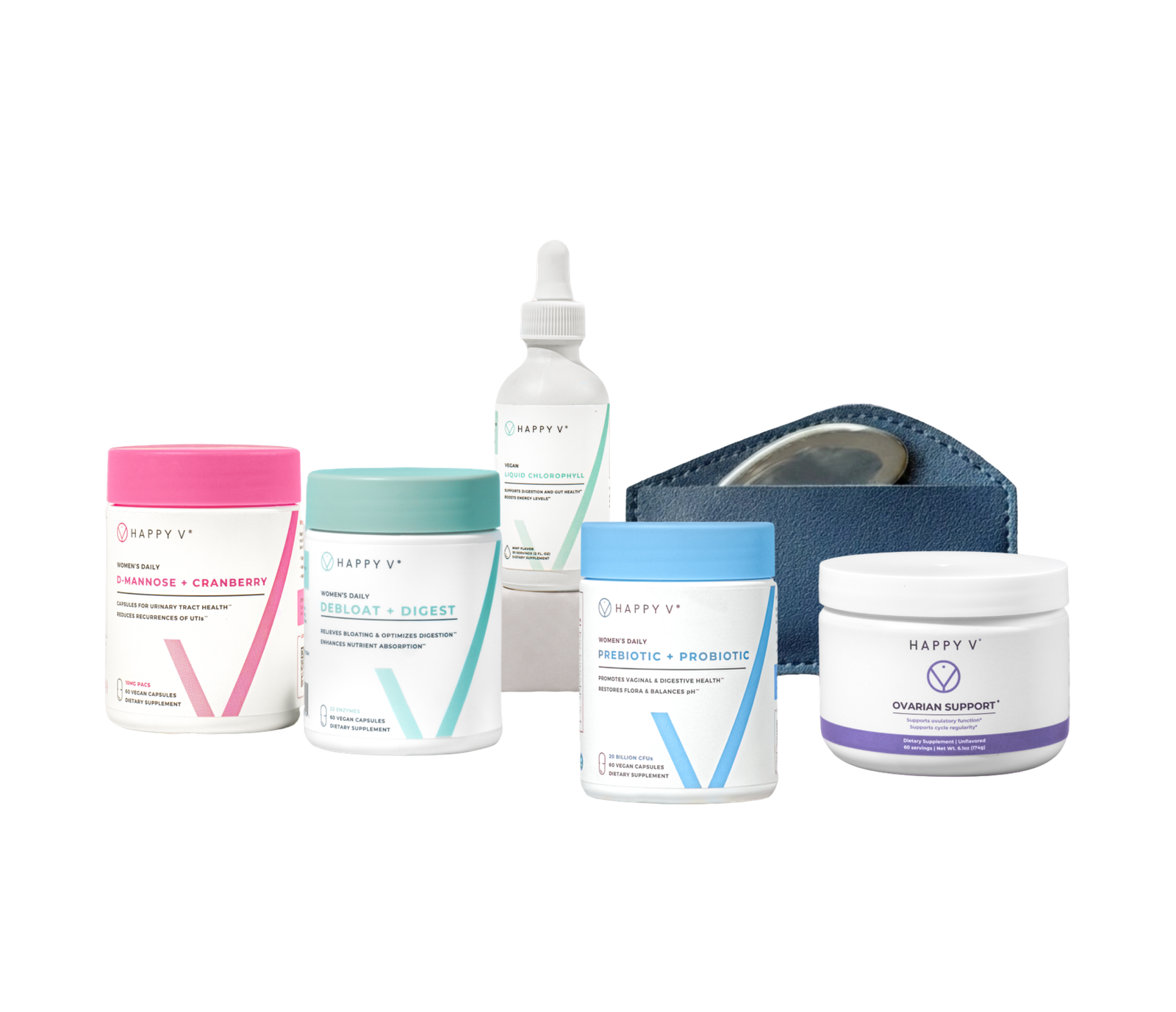
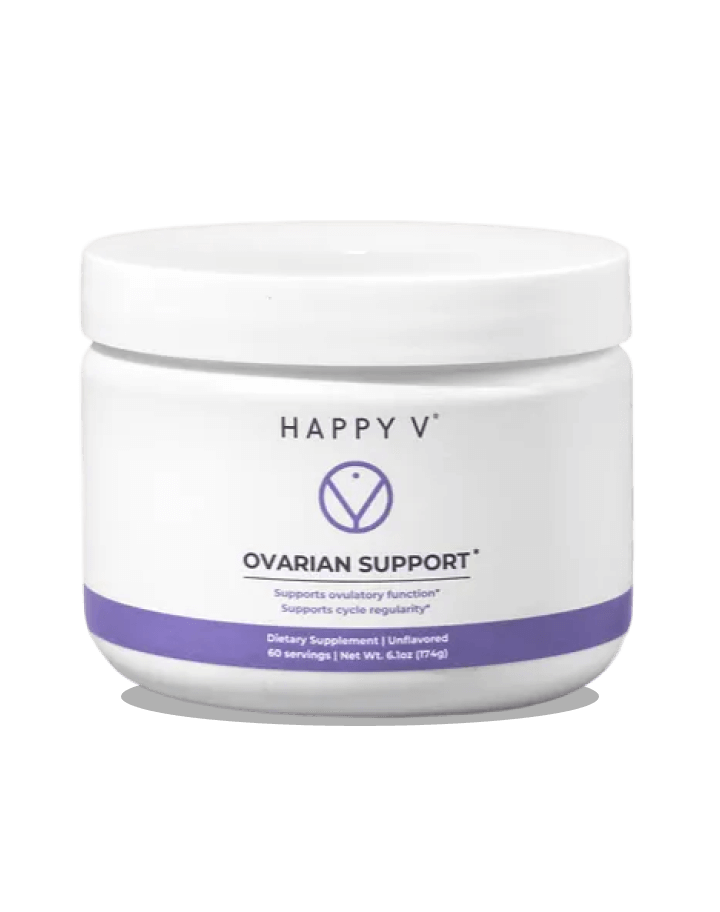
My favourite way into a new range is to choose an anchor product that matches the priority from step one. In Happy V, the Ovarian Support is the most obviously focused option. It is listed at $54.99 and is designed around cycle regularity, ovulatory function, and reproductive health. The formula information highlights a 40:1 ratio of Myo-Inositol to D-Chiro-Inositol, alongside ingredients including DIM, broccoli extract, folate, CoQ10, and chromium.
I would treat that detail as a reason to read, not a reason to self-diagnose. A product such as Ovarian Support makes sense when your goal is specific and you are comfortable checking the serving guidance. I also like that the jar is clearly labelled as unflavored with 60 servings, which tells me something useful about how it might fit into a daily plan.
If digestion is the more pressing concern, I would investigate the Total Care Kit instead. It is listed at $139.96 and brings together support for the vaginal microbiome, gut, and urinary tract in one routine. That makes it a more comprehensive commitment, so I would check the full contents and serving instructions before deciding it is right for me.
- Read the product description and supplement facts.
- Check the serving size against your normal schedule.
- Write down any ingredients you need to avoid.
- Choose a start date and review how the routine feels after a few weeks.
Step three: add a gentle daily habit around it
The product is only half the routine. I am much more likely to remember something when it has a place in my day, so I would attach it to an existing cue: breakfast, filling my water bottle, or brushing my teeth. Keep the cue boring and reliable. Consistency beats complexity, especially when you are testing whether a wellness habit is actually sustainable.
For intimate care, I would keep the outside of the body clean with water and a mild approach, rather than assuming more fragrance or scrubbing is better. The Feminine Wash is listed at $19.99, and its product page positions it as a pH-balanced daily wash. If you choose it, use it exactly as directed and stop if irritation occurs. A wash should support a comfortable routine, not become a source of anxiety.
I would also keep a tiny note on my phone for the first fortnight. Record the date, the product, and anything noticeable. Do not turn it into a daily performance review. The point is simply to avoid guessing later whether I have actually been consistent.
Step four: make the routine feel like yours
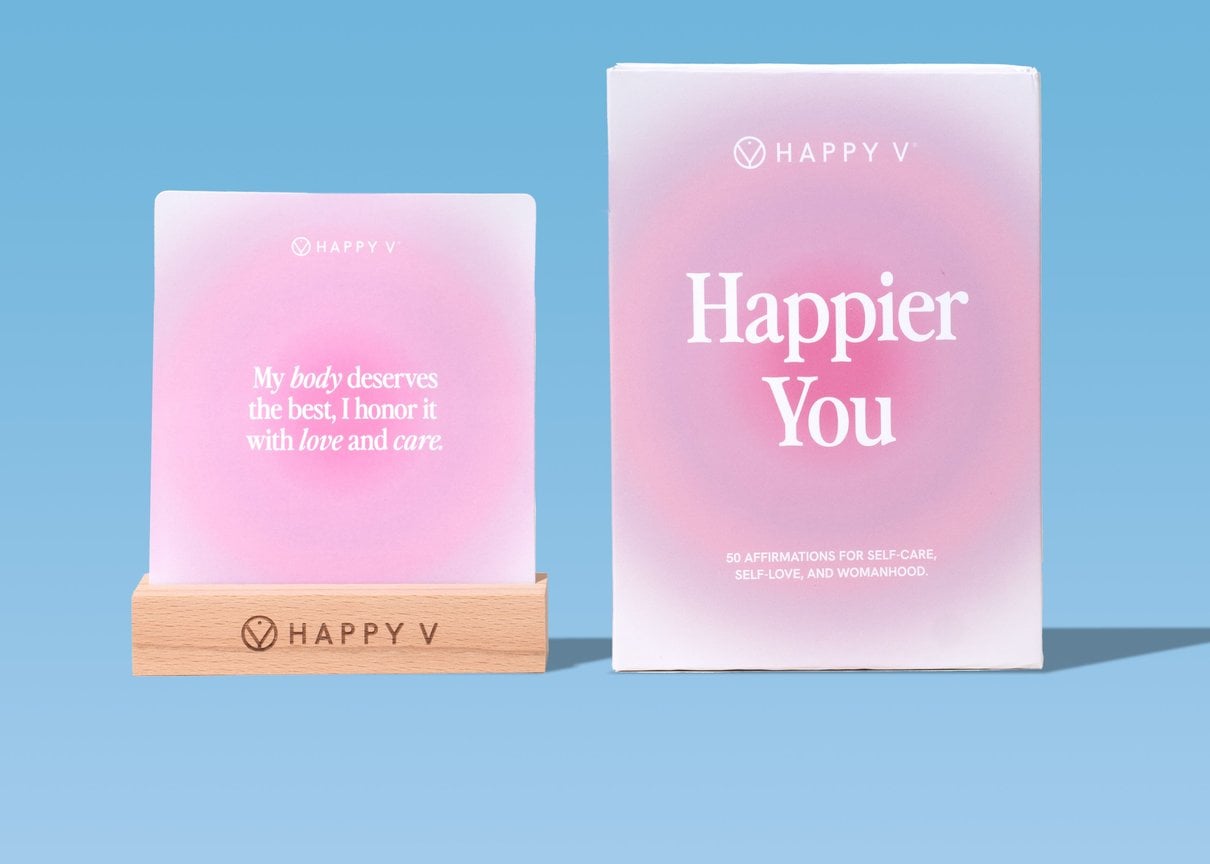
This is where Happy V feels more approachable than a cupboard full of clinical-looking bottles. The Affirmation Cards cost $33.99 and include 50 affirmations for self-care, self-love, and womanhood. They are not a supplement and they do not need to be treated like one. I would use a card while making tea, at the start of a journal entry, or whenever I need a small pause.
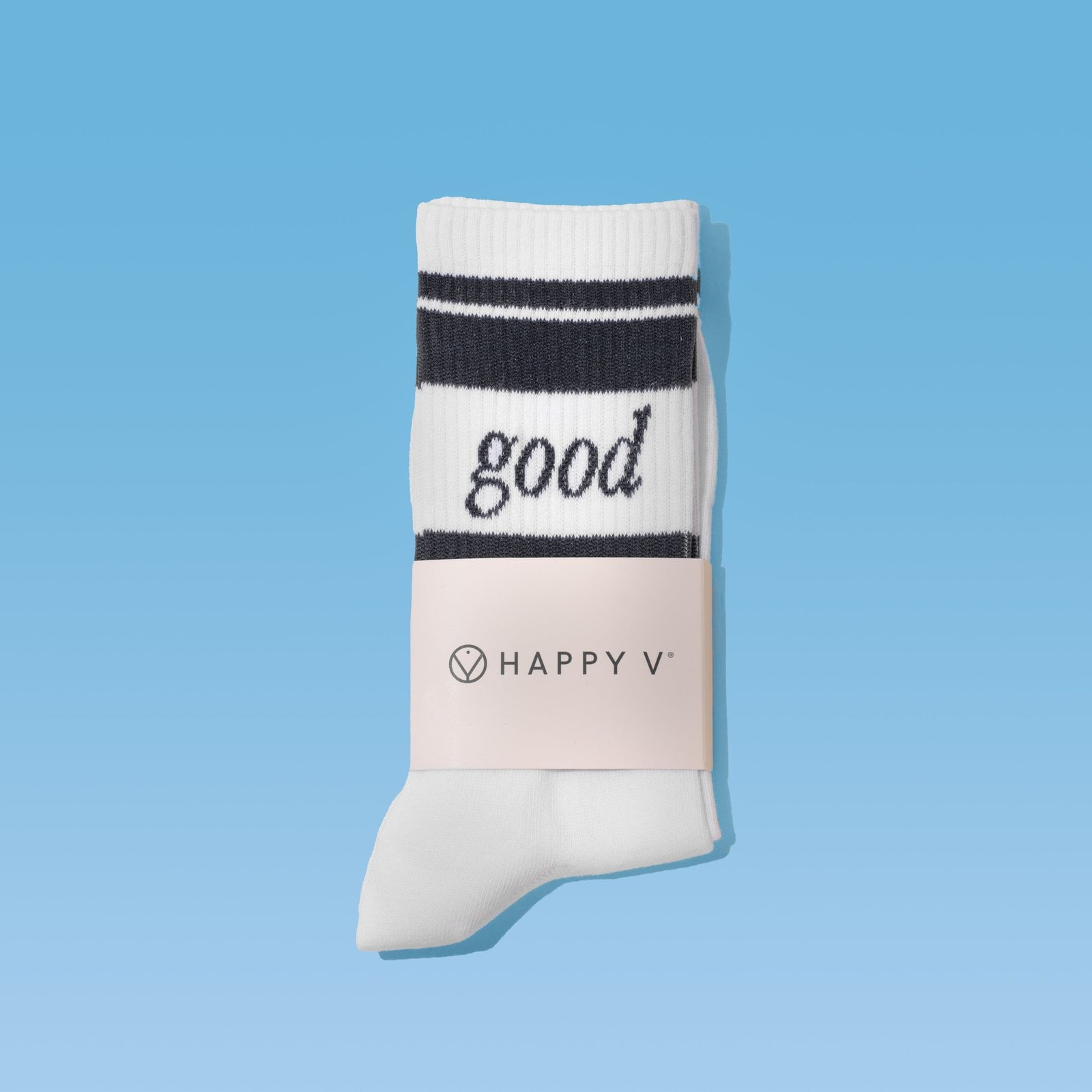
For a wearable reminder, the Self-Care Crew Hat is listed at $18.99. It has a classic fit and a discreet embroidered message, which is a nice option if you prefer a cue that leaves the bathroom cabinet. The Feel Good Socks are listed at $10.99 and make the same point in an even quieter way: the ritual can be tiny and still count.

My own version would be one targeted product, one glass of water, and one small moment without my phone. If I add the Feel Good Socks or Affirmation Cards, it is because they make that moment pleasant, not because I think I need more things to be well.
Step five: review, simplify, and only then expand
After two to four weeks, I would ask three plain questions: Did I remember it? Did it fit my budget? Did it support the goal I chose? If the answer is no, I would simplify before adding anything else. Current prices can change, so I would always check the live Happy V collection before ordering, including the product page for the Total Care Kit if I want the broader system.
There are a few practical checks I would make before pressing checkout. Look for the serving information rather than relying on a product name, check whether a subscription is selected by default, and make sure the bundle contains items you would use individually. I would also keep a note of the price I saw on the day, because promotions and stock can move. That tiny bit of admin is unglamorous, but it makes the decision feel much more grounded.
For supplements, I would introduce one new formula at a time where possible. That gives me a clearer picture of what agrees with me and avoids the classic mistake of changing five variables and then having no idea what caused a reaction. I would store products as directed, follow the label, and stop to seek advice if anything feels unusual. Slow and sensible is my preferred wellness aesthetic.
If you are shopping for somebody else, I would keep the same rule. A gift does not need to imply that the recipient has a problem. The Happy V self-care pieces, such as the cards, hat, or socks, are easier to give without making assumptions. For a supplement, I would check first that the person actually wants it, can take the ingredients safely, and understands the intended use. The targeted wellness products are personal choices, so a little conversation is kinder than a surprise prescription in a parcel.
- Keep the product that matches your original goal.
- Remove duplicate ingredients where appropriate.
- Recheck directions, price, and your personal circumstances.
- Speak to a clinician about symptoms that persist or worsen.
The best case is not a perfect shelf of wellness products. It is a routine you can explain in one sentence and repeat without drama. That is why I would make Happy V the natural first stop: the range lets you start with a focused need, then add a little more personality and structure only when it genuinely helps.
Start with the goal, read the details, choose one anchor, and give yourself enough time to decide whether it belongs in your life. That is a much kinder way to shop for women’s wellness, and considerably less likely to leave a half-used collection of tubs judging you from the shelf.