









Electric scooters have escaped the “slightly embarrassing last-mile gadget” category. In the US, they are now competing with bikes, compact cars, public transport, and the very tempting option of simply walking. I compared Segway with the typical alternatives buyers scroll past: a budget commuter scooter, a generic eBike, and a more performance-led ride. My verdict is not that one badge magically solves every journey. It is that Segway offers useful range and choice.
The interesting comparison points are fairly practical: how comfortable is the ride, can it handle an uneven route, what happens when the battery gets low, and will you actually want to use it after the novelty wears off? If you are comparing Segway’s current electric rides with a typical budget model, these are the questions I would put at the top of the page.
- Budget scooter: usually wins on the lowest entry price and simple storage.
- Generic eBike: can feel more natural for longer journeys and errands.
- Segway: offers a broad ladder from approachable commuters to serious, suspension-equipped rides.
The first comparison is comfort, not top speed
A basic scooter can look excellent on a product tile and still feel tiring after twenty minutes. Small solid tyres, a narrow deck, and a stiff fork are manageable on a smooth bike path, less so on patched pavement. That is where Segway’s range feels deliberately tiered. The brand sells lighter options for quick hops, but its more substantial models add suspension, larger tyres, stronger braking, or a roomier standing position.
The MAX G3 is the sensible middle of this discussion. Its exact live price was not displayed in the regional catalog page I could fetch, so I would check the current MAX G3 listing before budgeting. What is clear from the product presentation is the focus on everyday range, comfort hardware, and a more substantial commuter feel than the cheapest folding scooter.
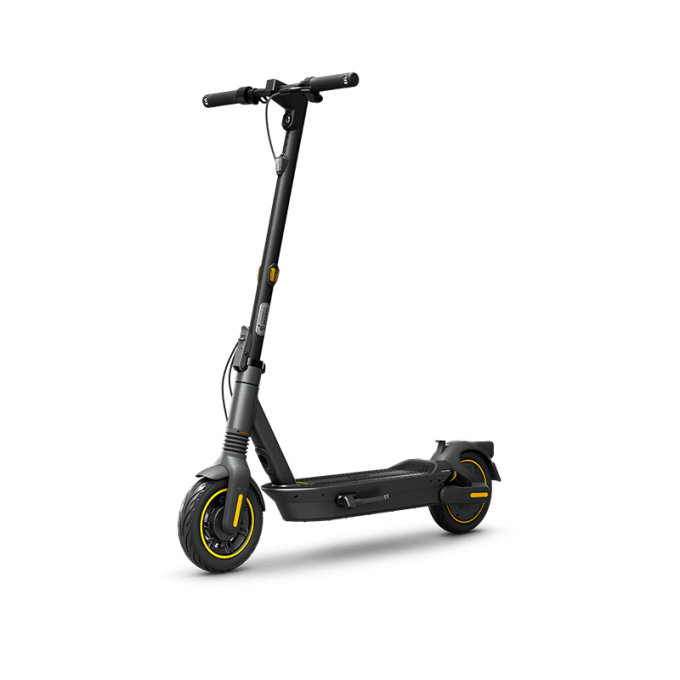
That is not an automatic win. A larger scooter is heavier to lift into a trunk or up stairs, and a lightweight alternative is still better if your commute involves several carry sections. I would choose the MAX family when the ride itself matters more than carrying it, then check today’s available configuration for the battery and equipment included.
Range and charging: where the premium can earn its keep
Range claims are one of the easiest specifications to over-read. They are generally measured in controlled conditions, while real trips include hills, cold weather, rider weight, stops, and less-than-perfect tyre pressure. Still, battery size and the overall platform matter. A cheap scooter that needs charging after every short outing may be less convenient than a dearer model you can use for several errands.
- Map the normal trip: include the return journey, not just the optimistic one-way distance.
- Add a weather margin: cold and wind can make a claimed range feel much less generous.
- Check the charging home: a brilliant scooter is awkward if its storage point has no nearby outlet.
- Price the whole habit: include a lock, helmet, lights, and likely maintenance.
For an ambitious commuter, the GT3 Pro sits at the performance end of the comparison. The official catalog identifies it as a distinct GT3 Pro product rather than a cosmetic trim, and its presentation is aimed at riders who care about power, stability, and longer, more demanding routes. The tradeoff is obvious: more hardware usually means more weight and more money. See the GT3 Pro details if a short hop is not the brief.
A generic eBike may still be the better range choice for someone who wants a seated position and bicycle-style pedalling. Segway is not trying to make every rider abandon bikes. Its appeal is the ability to stay within one ecosystem while moving from compact scooters to electric bikes, depending on the journey.
Uneven streets: the ZT3 Pro changes the brief
If your route includes cracked asphalt, gravel paths, or a park shortcut, a basic commuter scooter starts to look like false economy. The ZT3 Pro is the most interesting Segway comparison for that buyer. Its visual design and product positioning point to a tougher, more versatile ride, with suspension and off-road-friendly intent rather than just a lighter urban runabout. The exact price was not shown in the catalog view, so use the ZT3 Pro product page for the live figure.

Against a typical budget scooter, this is a clear capability versus portability decision. The ZT3 Pro is more appealing when you want stability and a confident ride. It is less appealing if you need to carry the scooter onto a train every morning. I would also check local rules before planning an off-road adventure; “can handle it” and “is permitted there” are different questions.
Scooter or eBike: choose the body position first
This is the bit I find most useful when comparing brands. A scooter is wonderfully direct: step on, fold it, park it, and carry on. An eBike gives you a saddle, familiar controls, and a more natural choice for a longer ride or a basket-heavy errand. Neither is universally more grown-up or more fun. The winner is the one that suits the way your body and day actually work.
- Choose a scooter: for short urban trips, easy parking, and a low-fuss standing ride.
- Choose an eBike: for longer distances, seated comfort, and regular shopping or leisure routes.
- Choose a performance scooter: when acceleration, suspension, and route confidence matter more than weight.
- Choose the lightest option: if stairs, public transport, or shared storage dominate your day.
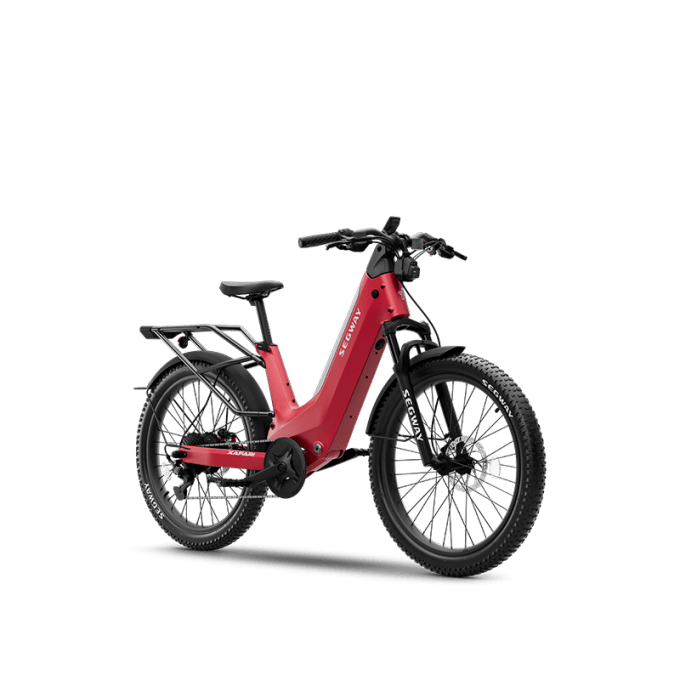
Segway’s wider catalogue is useful here. The Myon and Xafari eBike lines show that the brand is not only competing for the standing-scooter customer. I would browse the electric bike range if you want a more relaxed ride, and compare the current Myon and Xafari options against a conventional commuter bike with an electric motor.
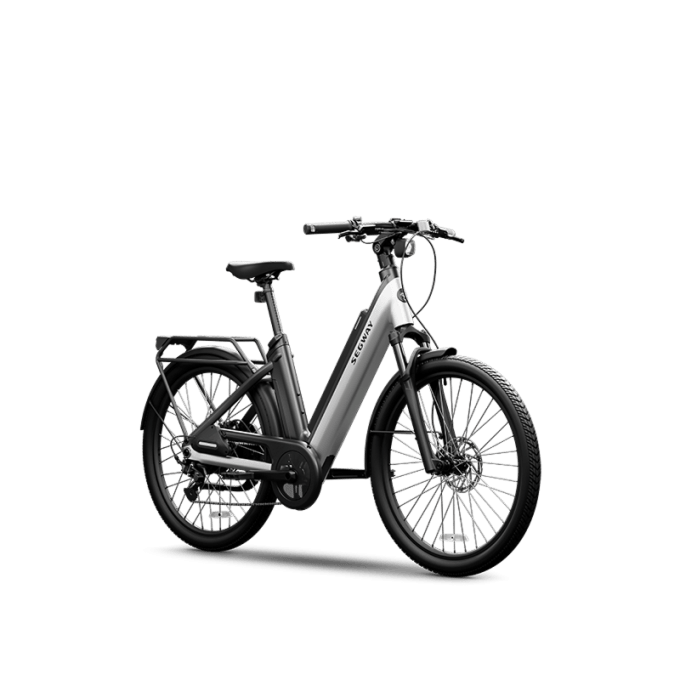
The other honest point is serviceability. A mainstream bicycle can be easier to repair locally, while a branded electric ride may have a more integrated app, battery, display, or parts process. Before choosing, I would look at warranty wording, service locations, replacement tyres, and how the battery is handled after several years. Segway’s current support and product information should be part of the comparison, not an afterthought.
What I would pick for three very different buyers
After comparing the usual alternatives, my shortlist is pleasantly unglamorous. I would not choose based only on the fastest number or the prettiest launch image. I would match the machine to the awkward details of the week: the hill, the stairs, the storage cupboard, and the journey you make when it is raining.
- Everyday city commuter: start with the MAX G3 and compare its comfort and range with a lighter budget scooter.
- Rougher route explorer: inspect the ZT3 Pro, then check weight and local riding rules.
- Longer seated journeys: compare Myon or Xafari with a mainstream eBike from a nearby dealer.
- Performance-minded rider: look at the GT3 Pro, but accept the portability and price tradeoff.
For the smaller, more straightforward alternative, the F3 is worth keeping in the frame. It is positioned as a more approachable eKickScooter than the GT3 Pro, making it a fairer comparison with typical commuter models. The F3 page is the place to check its current price, stock, and local specification, because those details can vary by market.
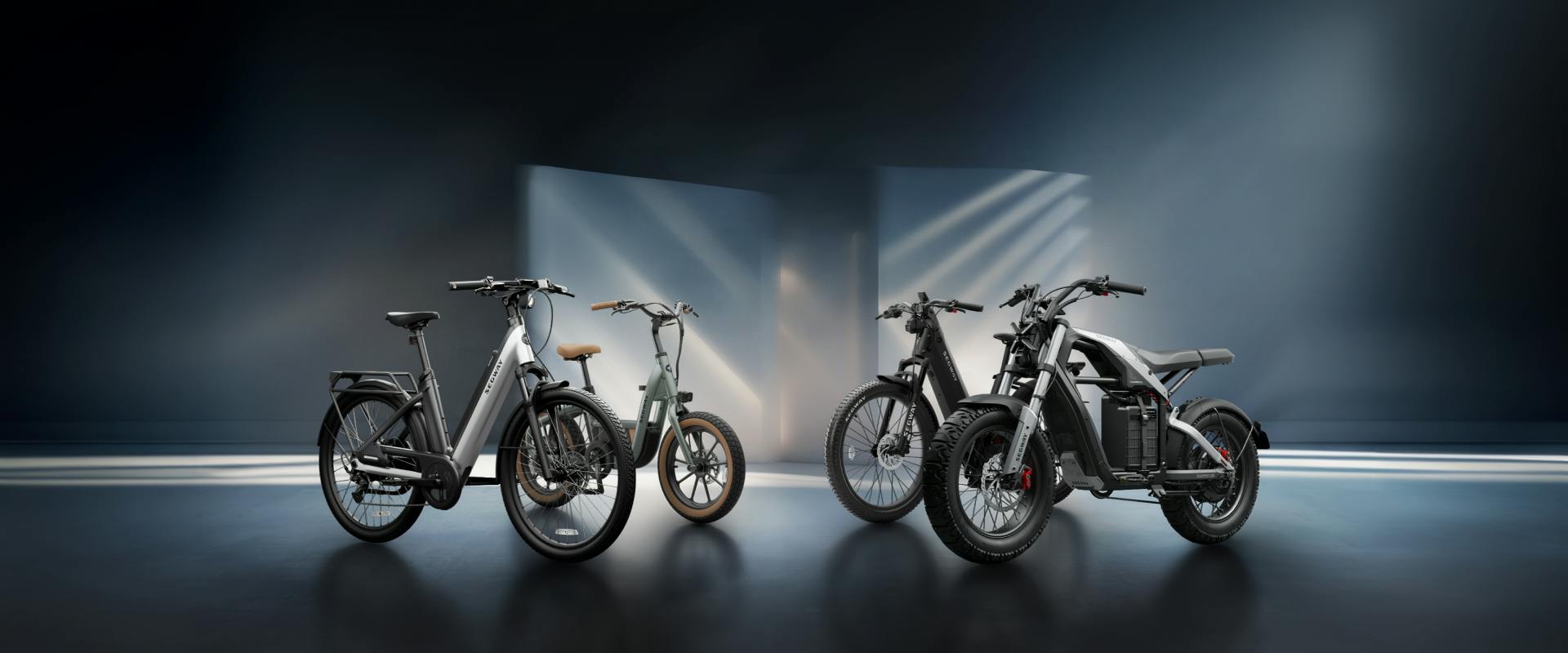
So, is Segway better than a typical electric scooter? For choice and ride confidence, yes. It gives buyers more ways to spend according to the route, rather than forcing every journey into one lightweight template. A budget scooter still wins if your trips are short, storage is awkward, or you mainly want the lowest upfront commitment. A local eBike specialist may win for personal fitting and workshop access. That is the honest balance.
My final recommendation before you choose
I recommend Segway for buyers who want a proper shortlist across commuting, rougher paths, and seated electric travel. Start by deciding your body position and carrying tolerance, then compare the MAX G3, ZT3 Pro, GT3 Pro, or F3 against the closest typical alternative. Do not pay for performance you will never use, but do not underbuy comfort if a cheap scooter would make you stop riding after the first month.
Before committing, check the live price, delivery, warranty, battery details, and local regulations. I would also measure the storage space and confirm the folded dimensions. Those tiny checks are less exciting than a “best scooter” list, but they are what turn a lovely product page into a ride you actually use. Browse the latest Segway collection, compare the MAX G3 and ZT3 Pro first, then move to the GT3 Pro or F3 if their specific brief fits better.