







I have a slightly embarrassing golf habit: I will spend twenty minutes trying to fix a slice, then change three other things because one shot felt promising. That is how practice becomes noisy. Performance Golf takes a more orderly route, combining a quick assessment, coaching, training aids, clubs and an app so the next step feels less mysterious. If you want a better routine, the useful question is not “what is the newest club?” but “what is costing me the most strokes right now?”
This guide is the process I would follow. Start with the Performance Golf improvement system, identify one root problem, choose one focused tool and give it enough practice time to tell you something. The range includes digital lessons, forgiving golf clubs and training products, with prices and offers that can change, so use the live product pages before making a decision.
Disclosure: this post includes affiliate links, and we may be paid a commission on purchases made through them.
Which golf shot is costing you confidence?
Before buying anything, write down the shot that repeatedly turns a decent hole into a scramble. Is it the tee ball that peels right, the long approach that never reaches the green, a chunked wedge or a putt that starts offline? One clear problem is more useful than a vague ambition to “get better”. The Performance Golf quiz is built around this kind of starting point, asking about the part of your game that costs the most strokes and the shot you trust least.
- Choose the one shot you want to improve first.
- Note when it appears: tee, fairway, rough, bunker or green.
- Record the miss pattern rather than only the result.
- Give yourself a simple test, such as eight out of ten balls starting on line.
This is why I like beginning with the PG1 assessment instead of browsing an enormous catalogue. It is intended to connect the problem to a personalised path, then point you towards the relevant coaching or equipment. The brand says its system has been used by more than 1.5 million golfers, but the practical benefit is simpler: fewer competing swing thoughts.
What practice feedback will help you understand the movement?
Once you know the problem, choose a form of feedback you can understand. This is where a training aid can earn its place. I would rather have one object that tells me when I have made the movement poorly than a shelf of gadgets that all promise a different swing. Feedback makes practice honest, particularly when you are practising alone.
For release and contact, the The Click Stick uses compression-clicker feedback to show whether the release and strike are working together. It is a neat fit for someone who loses the ball through inconsistent contact and wants an audible cue. I would use it in short blocks, then hit normal shots to see whether the sensation carries over.
If your issue is speed or the way your body sequences the swing, SpeedTrac is another focused option. The product is positioned as a training aid for speed work. The sensible approach is to follow the supplied practice structure, measure a baseline and resist the temptation to chase one exciting maximum swing.
- Use The Click Stick when contact and release are the main clues.
- Use SpeedTrac when speed is the measurable goal.
- Use the digital masterclasses when you need a lesson sequence rather than a physical cue.
- Keep one training focus per session so the feedback stays readable.
That last point sounds almost comically sensible, yet it is where many golf plans fall apart. The Performance Golf training range includes lessons such as Simple Strike Sequence and One Shot Slice Fix, so you can pair a physical drill with an explanation. I would begin with the lesson that matches the miss, take notes, then practise rather than consuming five videos in a row.
Which club can support the correction you need?
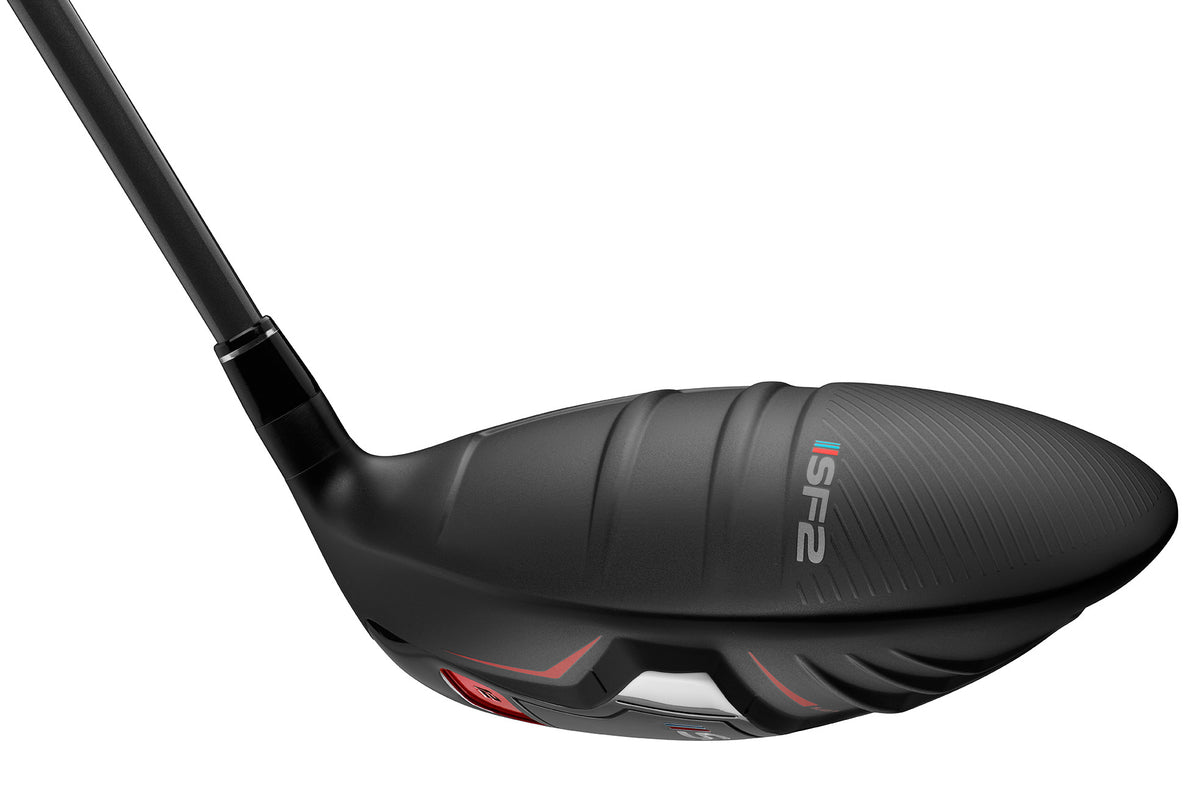
Equipment should support the change you are trying to make. It should not become another excuse to avoid the range. If your tee shot is the clear bottleneck, the SF2 Driver is designed for members and non-members. Performance Golf describes its face technology as slice-fixing, with a design intended to help produce straighter, longer drives. Check the current member status, loft and shaft choices on the SF2 product page.
For short game misses, the ONE.1 Wedge has an Auto-Glide sole designed to help the club move through the turf more cleanly, which makes sense for golfers who repeatedly catch chips and pitches heavy. I would choose it when the problem appears around the green, not simply because a new wedge feels exciting.

There is also a practical fit question. Compare the clubs collection with your actual miss, then check hand, loft, shaft and return terms. The brand advertises free shipping across the USA and a 365-day money back guarantee, but the live terms are the right place to confirm the conditions. A generous return window is useful because a club needs to prove itself over several rounds, not one flushed shot.
- SF2 Driver: tee shots and a slice-prone miss.
- ONE.1 Wedge: chunks and inconsistent short-game contact.
- RS1 Putter: face drift and an unreliable starting line.
- 357 Super 7-Wood: longer approach shots that need a higher launch.
Ready to build your own Performance Golf practice routine?
A recommendation only matters if it changes what you do on Tuesday evening. I would make the first month deliberately small: one lesson, one feedback tool or club, and one result to track. The PG1 approach is built around doing the right thing in the right order, and that is a helpful rule even if you are not ready to buy anything.
- Week one: take the assessment, record your miss and learn the matching movement.
- Week two: practise the drill in short sets, using the aid for feedback.
- Week three: test the movement with ordinary balls and clubs on the range.
- Week four: play nine holes and record whether the original miss appears less often.

The PG1 app can make that tracking more visible, while coaching pages and VIP golf schools offer a more guided route for golfers who want expert help. I would not treat any app, lesson or club as a shortcut. The useful promise is less guesswork: a plan you can repeat, a tool that gives information and a clear way to tell whether the change survives outside practice.
Before ordering, check the current Performance Golf offers, the product’s exact price and the available options. For the SF2 Driver, that means checking the shaft flex and hand side. For the ONE.1 Wedge, it means checking the loft and grip. For a training aid, it means understanding what the feedback is meant to teach. Specific questions make shopping calmer.
Which Performance Golf products belong on your shortlist?
If I were starting today, I would keep the shortlist tight. A golfer with a slice would begin with the SF2 Driver and its current price options. Someone struggling to release the club would look at The Click Stick. A player whose frustration arrives near the green would investigate the ONE.1 Wedge. That is enough to begin a proper experiment.
What I appreciate about Performance Golf is the order of operations. Identify the miss, follow a relevant lesson, add focused feedback, then choose equipment if it genuinely supports the correction. Browse the full Performance Golf range when you are ready, but keep your own problem at the centre of the decision. Golf already supplies enough distractions; your practice plan does not need to.
- One problem to solve.
- One practice cue to repeat.
- One result to measure after the round.
There is also a useful emotional reason to keep the process narrow. When every poor shot sends you towards a new tip, practice starts to feel like a referendum on your talent. A measured routine changes that. You can ask whether the ball started closer to the intended line, whether contact sounded different and whether the miss became less severe. Those are modest signals, but they are much more helpful than waiting for a perfect round. Progress can be quiet, especially in golf.
That is the point at which a brand recommendation becomes genuinely useful rather than merely promotional. Performance Golf coaching gives the idea a sequence, the training aids give practice a cue and the clubs give you a practical option when equipment is part of the problem. Start with the least expensive, clearest experiment that matches your miss, then let your results decide what comes next.