






Performance Golf starts with a frustration I know well: wanting to improve but not knowing what to practise next. The brand combines expert-led instruction, targeted training aids and forgiving equipment for golfers who want a clearer path forward. Rather than treating every problem as a reason to buy a new club, it asks a more useful question: what part of your game needs attention first?
Its range covers online programs, physical feedback tools, golf balls, drivers, woods, hybrids, wedges and putters. That breadth is useful for a first-time reader because there is more than one entry point. You can begin with a focused lesson, choose an aid for a particular movement or look for equipment that makes an awkward shot more playable.
Can Performance Golf make improvement part of the equipment journey?
Performance Golf presents equipment as part of a process, not a magic shortcut. The teaching side is associated with experienced instructors including Hank Haney, while the product range is organised around familiar amateur problems: slices, weak contact, poor alignment, lost distance and uncertain putting. I like that practical framing. Golf advice becomes less intimidating when it starts with a miss you can describe.
The brand’s strongest idea is feedback. A lesson can tell you what to change, but a physical aid can make an invisible part of the swing easier to feel. That is especially useful between lessons, when a golfer can otherwise drift back into old habits. The equipment range then offers a second layer: clubs designed to make imperfect strikes less punishing.
- Problem-led practice: choose an aid because it addresses a specific miss.
- Visible feedback: turn alignment, tempo or swing path into something easier to understand.
- Forgiving equipment: make a playable shot more achievable while technique develops.
- Flexible entry points: start small before committing to a full club change.
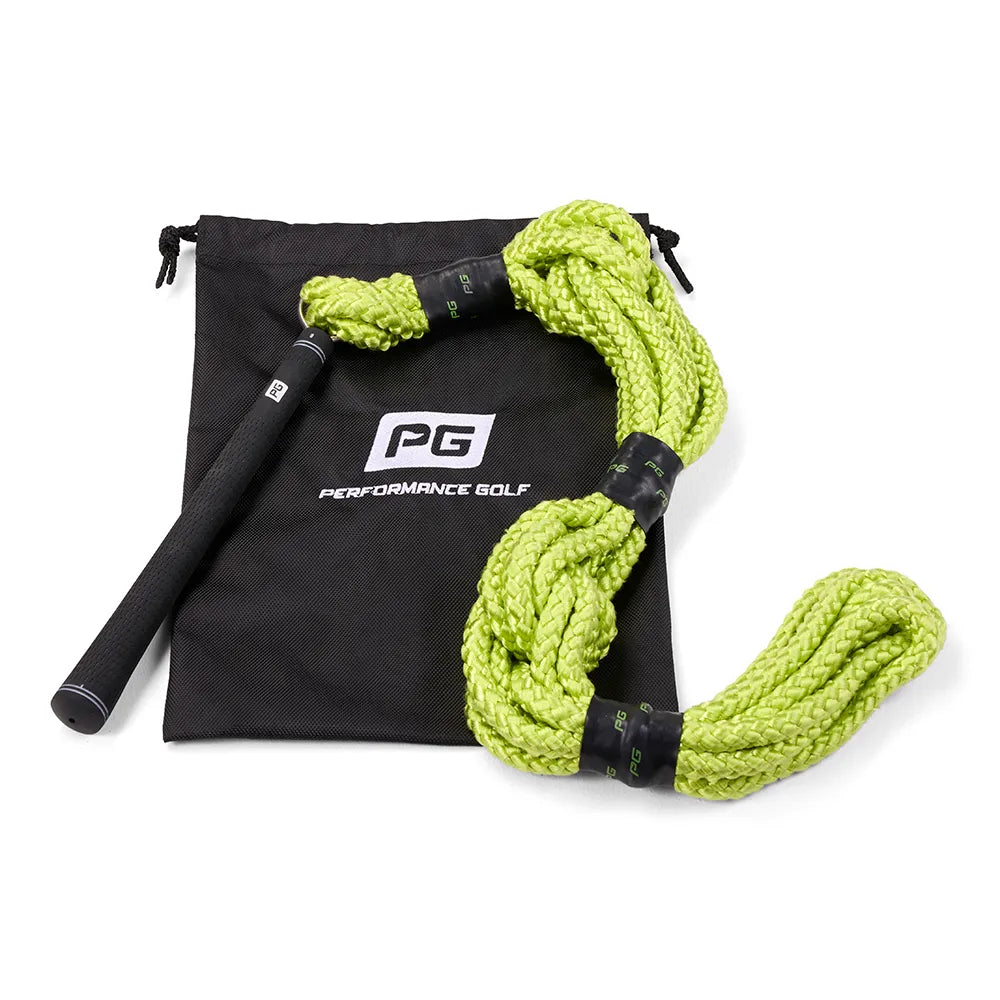
The SwingSmooth Pro is a more approachable option than a driver or set of irons. It is not a replacement for coaching, but it gives a golfer a defined way to rehearse. For anyone whose practice currently means hitting balls until the frustration wins, that structure is a genuine point of interest.
How does Performance Golf organise instruction and equipment?
I found three clear layers. First comes online instruction, with programs aimed at distance, putting, wedge play, tempo and common swing faults. This is the right place to look when the problem is uncertainty: you need a plan before you need more equipment.
Second comes the physical training range. The The Click Stick shows how the brand tries to make a swing concept tactile. If you understand a lesson in theory but cannot feel the movement, a dedicated practice tool may bridge that gap.
The Pendulum Swing Trainer takes a similarly focused approach. Its purpose is easy to grasp: encourage a smoother motion instead of a hurried attempt to create speed. I can see the appeal for a golfer who gets tense over the ball or loses rhythm when trying to hit harder.
The third layer is equipment. The current range includes fairway woods, hybrids, drivers, putters and wedges. The useful way to browse is by playing situation, not by collecting models. If a long iron makes you nervous, a hybrid may be a sensible conversation. If your short game leaks shots, a focused chipping or putting option may matter more than another club off the tee.
- Write down the shot that costs you the most confidence.
- Decide whether you need knowledge, physical feedback or equipment.
- Choose one starting point and practise it consistently.
- Review the result before adding another product.
Which products show how Performance Golf helps golfers practise?
For a first visit, I would choose products that demonstrate different parts of the catalog rather than four similar clubs. These four make the brand’s range easier to understand.
The Click Stick is the clearest dedicated practice aid here. It is for golfers who want to work on movement with a defined tool in hand. The appeal is making an idea physical. If a lesson leaves you thinking “I understand the words, but I cannot feel the change”, this is the type of product designed to address that gap.
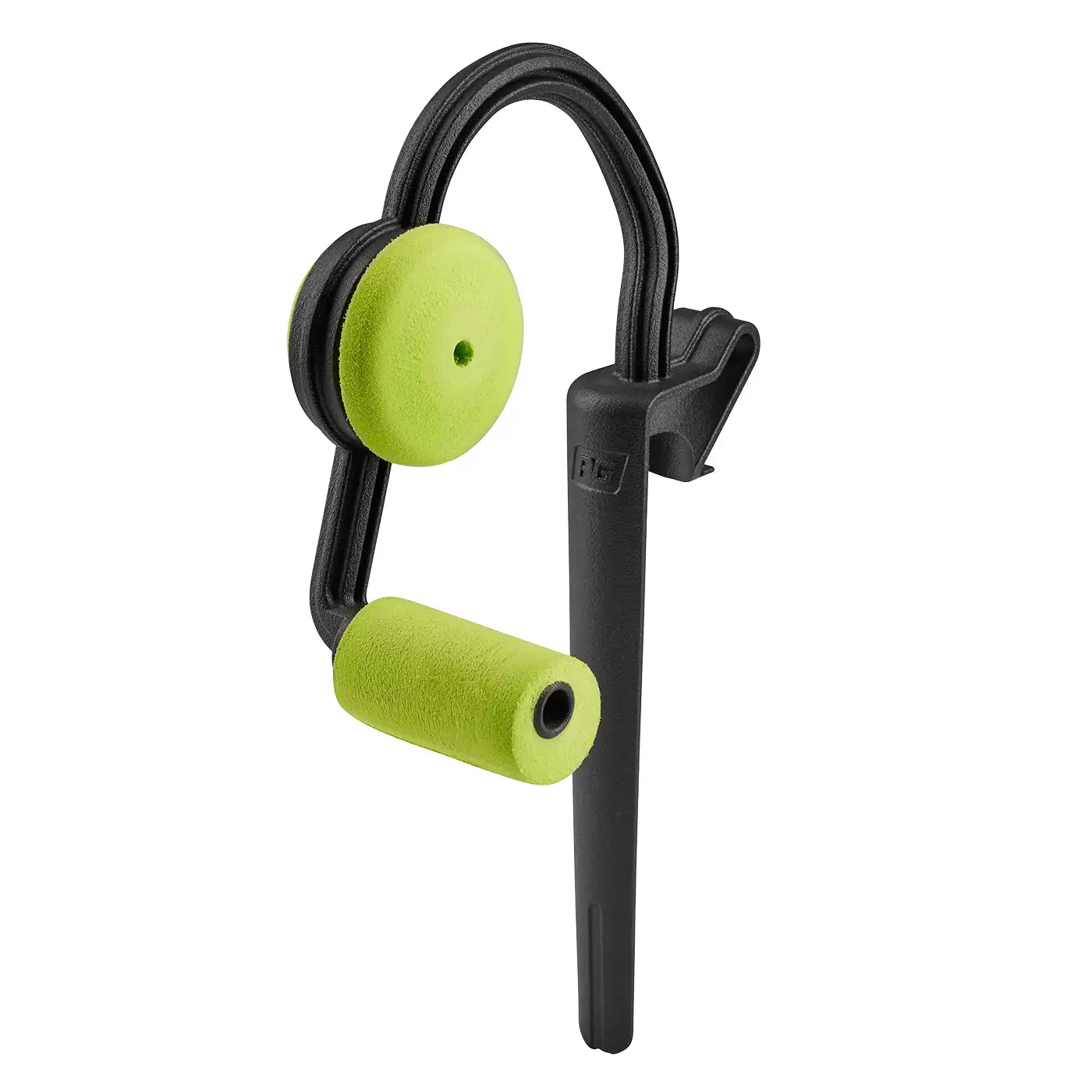
The Square Set focuses on alignment and clubface control. Those basics are surprisingly hard to self-diagnose. A reference-based aid can be more useful than simply being told to “hold the face straighter”. For a golfer whose misses start before impact, that clarity is valuable.
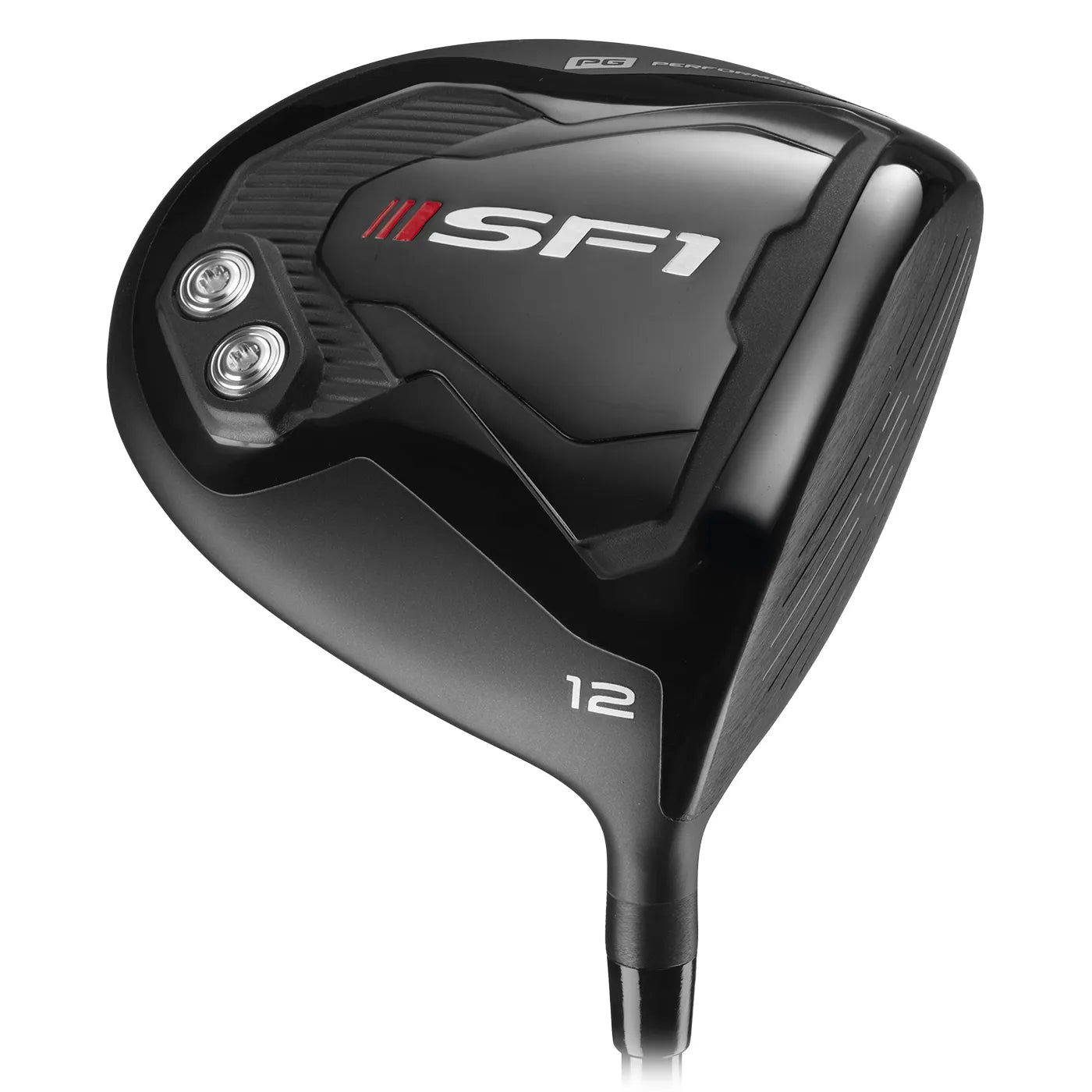
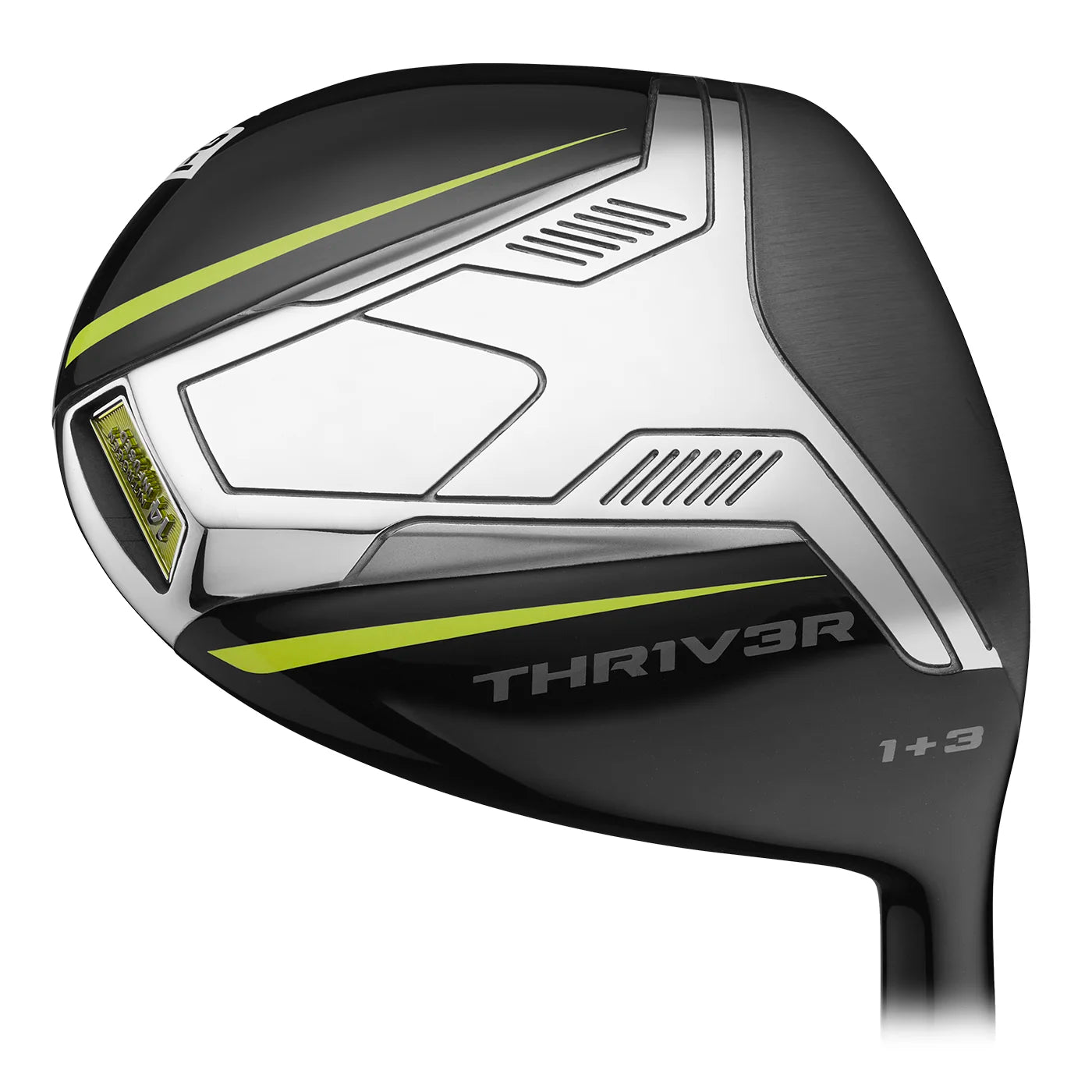
The EZ5 fairway wood is designed for practical use. Fairway woods can feel intimidating when a golfer is trying to replace a difficult long iron, so a club positioned around easier launch and practical distance has a clear use case. I would assess it against the shots you actually face, not just the number printed on the sole.
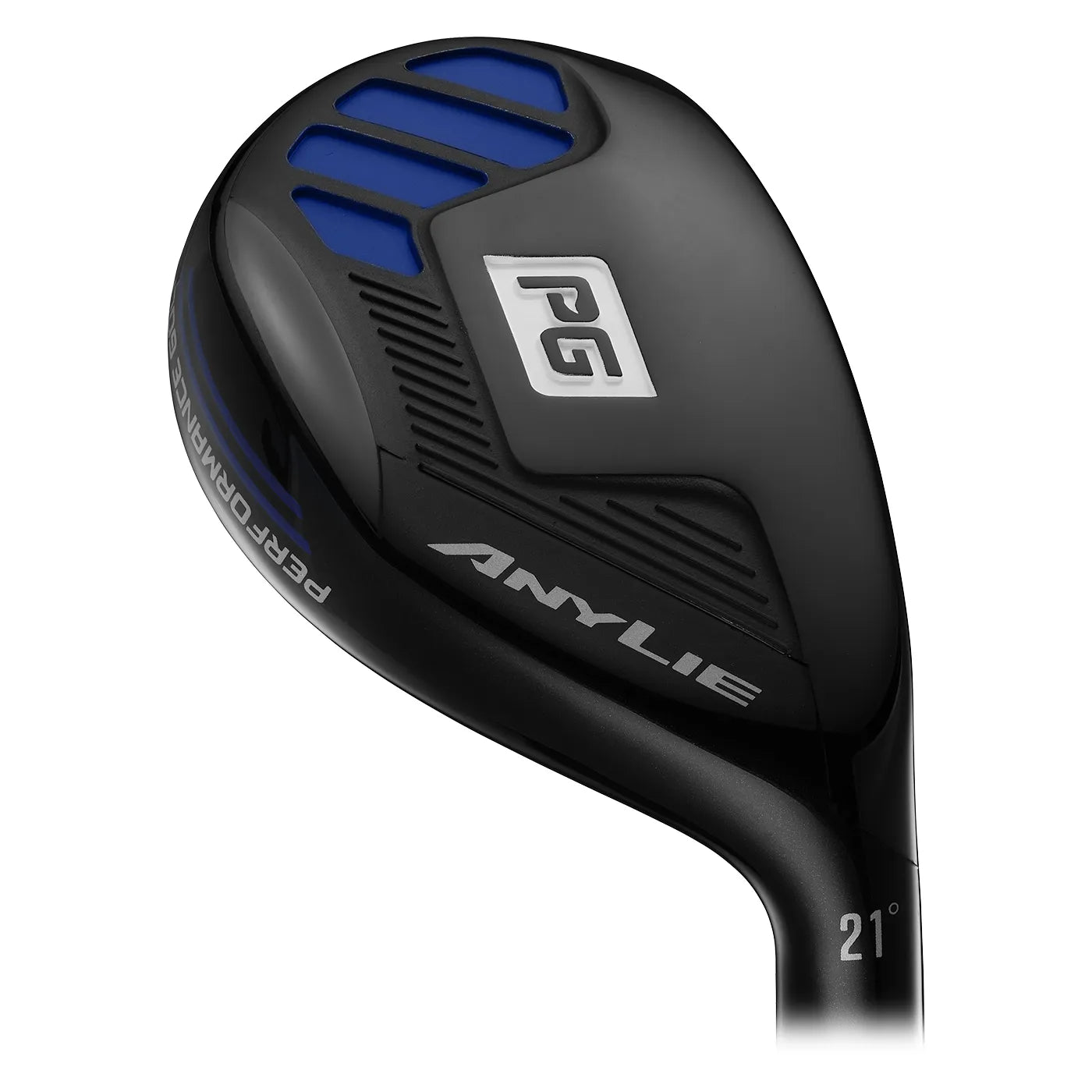
The AnyLie Hybrid makes a different argument. Its versatility speaks to the awkward lies where amateur rounds are often won or lost. If long irons create dread, this category deserves a look; if you already have a dependable long club, the need may be lower.
- Need a clearer swing feeling? Start with a focused training aid.
- Struggle with alignment? Look at a reference-based tool such as Square Set.
- Need a more playable long club? Compare the wood and hybrid with your current bag.
- Prefer learning first? Browse the digital programs before buying hardware.
Why should a first-time golfer care about Performance Golf?
The best reason to know Performance Golf is that it treats improvement as a connected process. A lesson can explain the change. A training aid can help you rehearse it. A forgiving club can make the course less punishing while the change becomes familiar. Those are different jobs, and the range works best when you use them in the right order.
There are also useful price steps. Digital programs offer a lower-cost way to explore an idea, while products such as Kinetic Movement Method provide a focused learning route. At the equipment end, the EZ5 and AnyLie Hybrid give golfers options for changing what happens on the course. That makes the catalog feel more like a toolkit than a single prescribed solution.
- Learning first: choose a digital program when the main gap is understanding.
- Rehearsal next: use a physical aid when you need a movement to feel more natural.
- Course transfer: choose equipment only when it solves a real shot-making need.
I would still keep expectations sensible. No aid can see every detail of your swing, and no club removes the need for contact and strategy. Prices and availability can change, too. The right product is the one that fits a specific problem you can describe. One clear change beats five half-used gadgets.
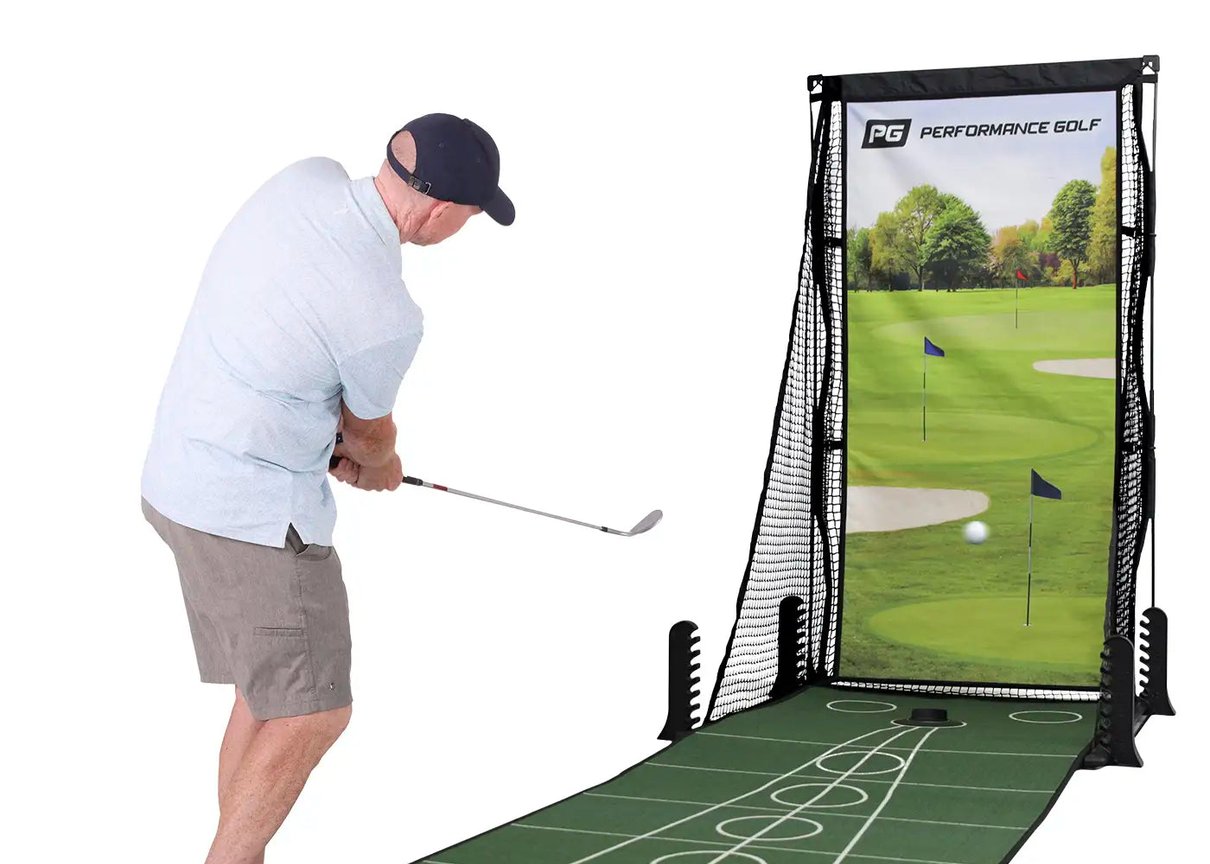
For short-game golfers, the Picture Perfect Chip and Putt range is another useful example. It shows that the brand is not only about speed or the full swing. Chipping and putting are often where a round quietly unravels, so a dedicated practice system can be a sensible starting point.
My suggested first visit is simple: write down the shot you want to improve, find the category that matches it, check the current price and create a realistic practice window. That is why I think Performance Golf is worth knowing. It gives curious golfers better questions to ask: what is the miss, what feedback do I need and what is the smallest change I can practise consistently?
Overall, I see Performance Golf as a brand for golfers who want more direction without pretending improvement is instant. Its story is about turning vague ambition into a practical next step, whether that means a lesson, a training aid or a more forgiving club.
My takeaway: choose the problem first, then choose the product.
How should you browse Performance Golf before buying?
I would begin with the training collection, not the most expensive club on the page. Read the coaching options first and note whether your problem is technical or simply a lack of confidence. The practice aids are easier to judge when you already know the movement you want to rehearse.
Then compare a specific product page with your own routine. The Click Stick details help if you want a physical reference, while the SwingSmooth Pro listing makes more sense for a golfer working on tempo. If your issue is alignment, the Square Set page gives you a more focused comparison than browsing every aid at once.
I would also check the current club range alongside the digital programs. A new club is most useful when it solves a real gap in the bag, and a lesson is most useful when you will actually practise the change. Before checkout, confirm the live price, hand and flex options, delivery details and what is included. Those unglamorous checks prevent an enthusiastic first step from becoming an expensive mismatch.
- Match the product to a problem, not to a headline claim.
- Check the current page for price, stock and configuration.
- Give one change enough practice time to show whether it helps.