







If you are planning a France trip from Britain or Ireland, the useful question is not simply whether a ferry is cheaper than flying. It is whether the route, fare rules and onboard set-up make the journey easier for the kind of trip you are actually taking.
That is the question we have put to Irish Ferries. The brand combines vehicle and foot-passenger crossings with cabins, lounges, dining and family facilities, but the best choice changes considerably between a fixed itinerary, a pet trip and a crossing where plans might move.
The store’s UK pages cover Ireland-France travel as well as Britain-France options, with booking, route information, ship pages and fare terms in one place. We have focused this review on the evidence visible on those pages, especially the Dublin to Cherbourg route and the concrete ship options linked from it.
Disclosure: this post includes affiliate links, and we may be paid a commission on purchases made through them.
The short version: Irish Ferries looks strongest for travellers who value taking a car, bringing more luggage or turning the crossing into usable travel time. The trade-off is that fare flexibility, cabin availability, sailing choice and seasonal facilities need checking carefully, so it suits a planned trip more than a last-minute gamble.
What does Irish Ferries offer on the France pages?
The clearest proposition is practical rather than glamorous: Irish Ferries lets passengers take a vehicle, choose a sailing and add the amount of privacy or comfort that makes sense for the trip. Its routes and times pages identify the Dublin to Cherbourg connection, while the France travel landing page also points visitors towards Dover to Calais, holiday packages and travel information. The booking page is where those choices become a live quote.
That breadth matters. A couple travelling with a car can think about a cabin and a longer, calmer journey. A family can look for onboard entertainment and a room rather than trying to keep everyone comfortable in an airport lounge. A foot passenger may care more about the fare conditions and seating than the ship name.
- Route choice: Ireland to France and Britain to France options sit within the same UK regional store.
- Travel modes: vehicle, foot passenger, cyclist and motorbike journeys are represented in the booking flow.
- Onboard choice: cabins, reserved seating, Club Class, food, cinema, Wi-Fi and family areas vary by ship.
- Trip extras: pet travel, rail connections, insurance information and destination content are signposted.
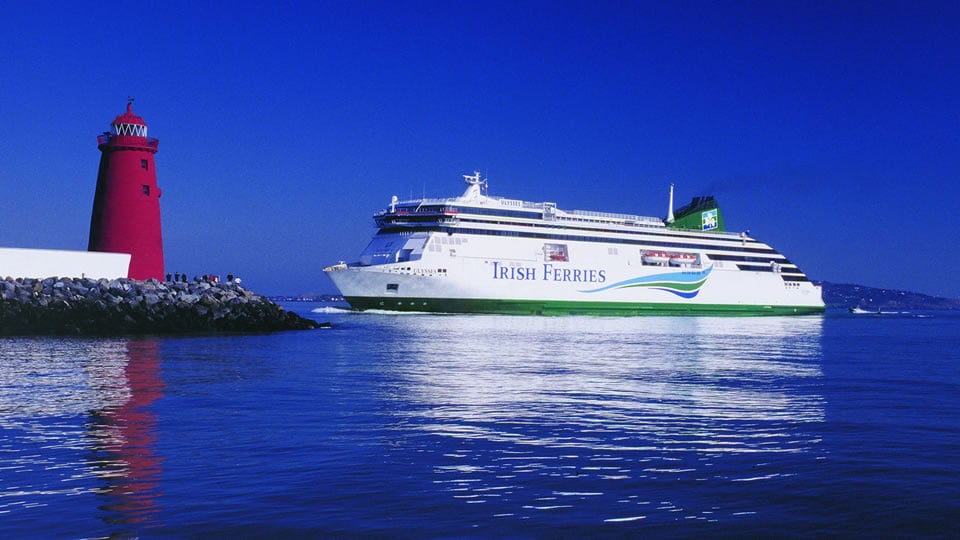
Our first conclusion is therefore fairly specific: this is a useful booking ecosystem, not a single standardised ferry product. The important decision is which combination of route and fare you select, not whether the Irish Ferries name sounds familiar. The store’s France travel information helps with the wider planning context.
Which Irish Ferries ship fits the journey?
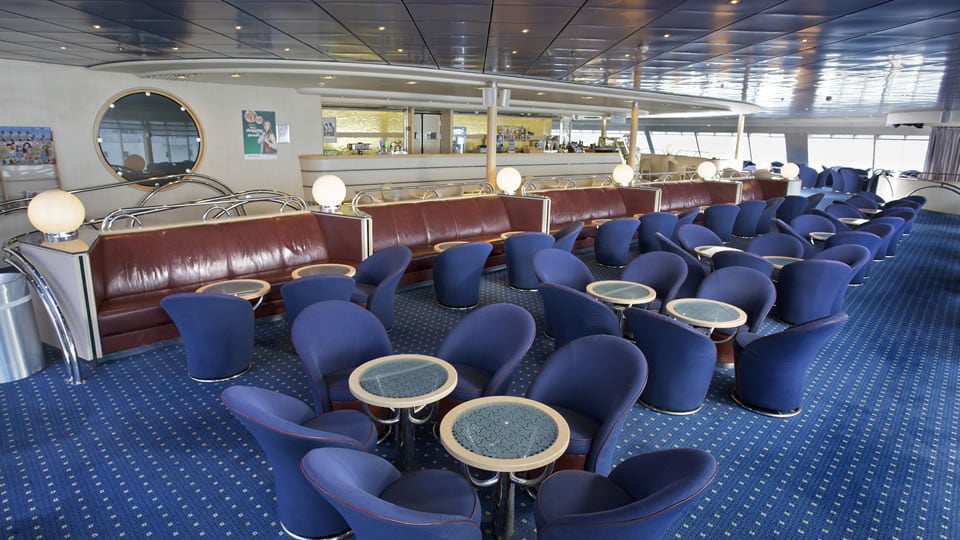
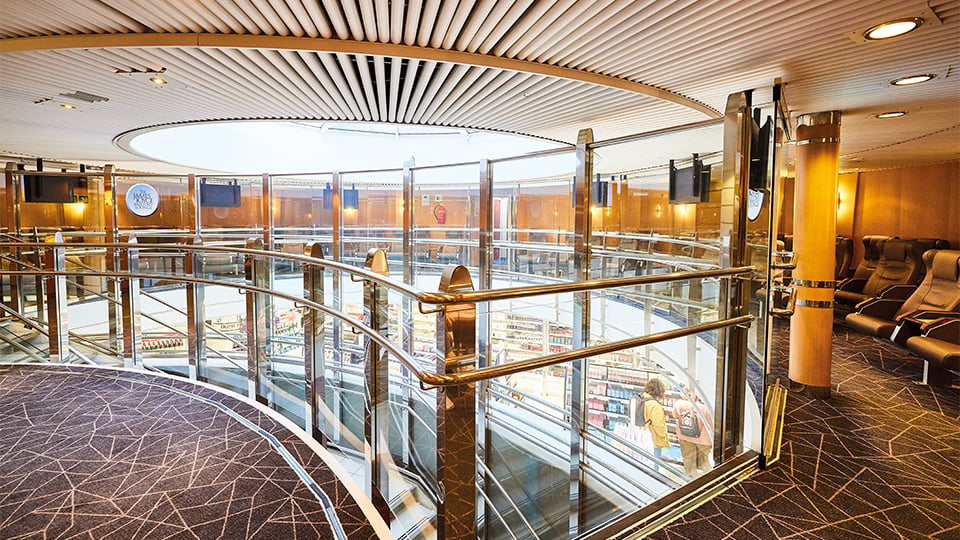
The linked fleet pages make the differences easier to understand. The W.B. Yeats is the comfort-led example, with the Innisfree Club Class Lounge, bars, a cinema, a promenade deck, cabins and several dining formats described on the page. It is a sensible starting point for an overnight or long crossing where the ship experience matters.
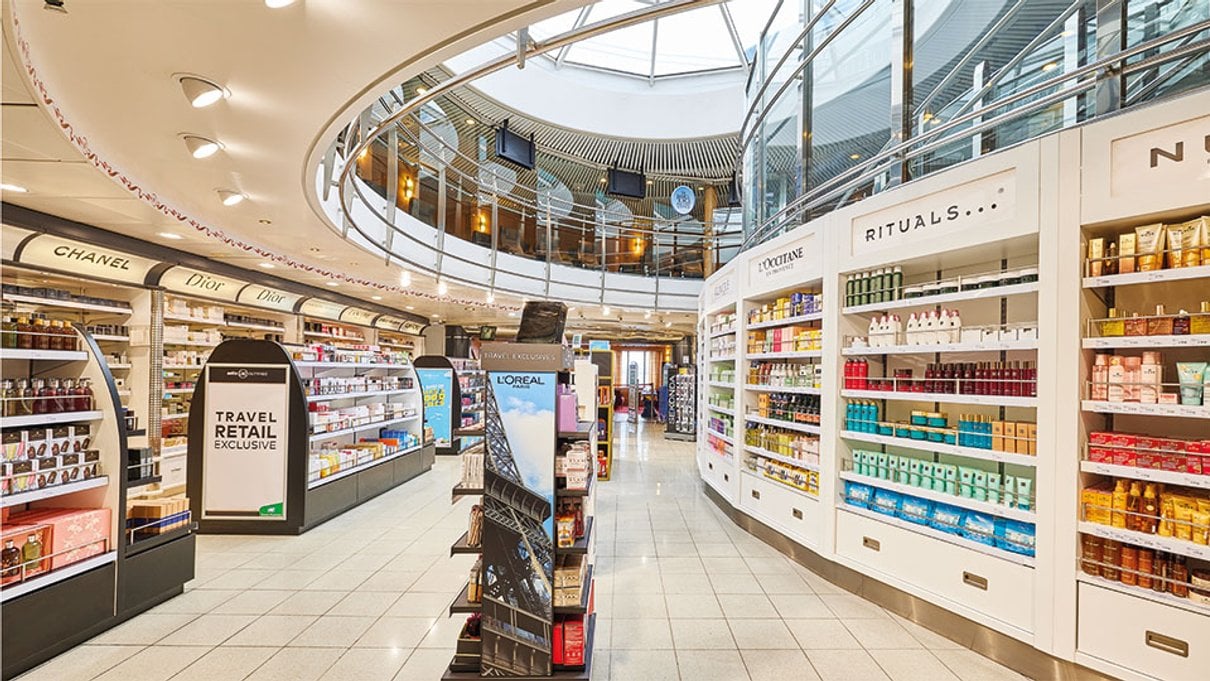
The Ulysses page gives a similarly concrete picture: cabins, onboard services, Club Class seating, a cinema and shopping. The brand also highlights accessible cabin information and pet-related facilities across its wider fleet. That makes Ulysses a practical option to investigate when you want more than a basic seat but do not have a reason to choose one named ship for its own sake.
The Dublin Swift page belongs in a different conversation. It is a high-speed passenger-focused option in the fleet, so it deserves checking against the exact route and sailing shown in the booking engine rather than assuming it replaces every conventional car ferry.
For a more compact ship comparison, the evidence points to these use cases:
- Choose W.B. Yeats when cabins, lounges and a fuller range of onboard facilities are central to the trip.
- Consider Ulysses when you want a broad, family-friendly ship profile with room options and practical services.
- Check Dublin Swift when speed and passenger travel are more important than bringing a car or booking a traditional cabin.
- Look at Isle of Inisheer through its ship page when the booking flow presents it for your sailing, but verify the route and facilities first.
The limitation is just as important as the shortlist: the ship page does not guarantee that every restaurant, lounge or cabin type is available on every departure. Sailing availability decides the final answer. Check the live booking flow before choosing a ship around one facility.
How do the fare rules change the value?
The fare terms page is where the review becomes less about atmosphere and more about risk. The store describes Economy as the value-oriented choice, with no refunds in the summary table. Flexi is aimed at plans that may change, while Flexi+ adds Club Class lounge access where that fare exists.
That last qualification matters for France travel. The page states that Flexi+ is not available on the Ireland-France Dublin to Cherbourg route, nor on ships where Club Class is not offered. In other words, do not assume that the most flexible-looking label can be added to every sailing.
- Economy: consider it when dates are firm and the lower-risk decision is keeping the booking simple.
- Flexi: investigate it when a change before departure is plausible and the extra fare makes sense against that risk.
- Flexi+: check route eligibility first, then weigh the flexibility and Club Class access together.
- Any fare: read the route-specific cancellation and amendment wording before paying.
The practical cost is driven by more than the headline fare. Vehicle type, passenger numbers, sailing date, cabin choice, luggage needs, pet arrangements and flexibility all affect the booking. We are deliberately not quoting a fixed amount because the live store is the only reliable place to check the current price for those variables. The route schedule and fare conditions should be read together.
For readers who dislike booking rigidity, Flexi is the more interesting test. For readers with immovable dates, Economy may be perfectly rational. The right answer is not automatically the most expensive fare.
Are the cabins, facilities and pet rules convincing?
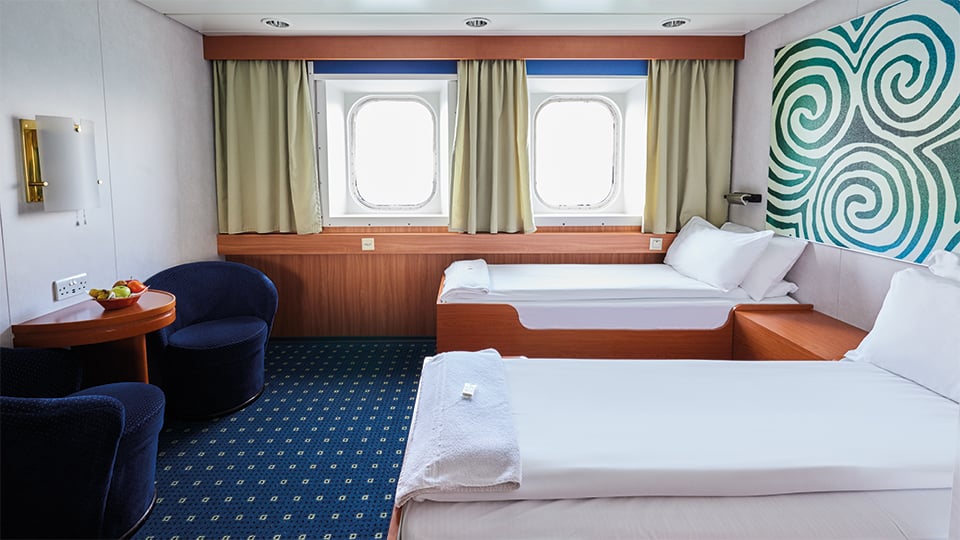
The strongest part of the ship research is the specificity. The W.B. Yeats page lists inside, window, family, Club and suite cabins, plus a wheelchair-accessible cabin. The page describes air conditioning, ensuite facilities and, in selected cabins, televisions or lounge access. That is much more useful than a vague promise of comfort.
Onboard life is similarly well explained. The pages mention bars, restaurants, coffee, a promenade, children’s areas, cinema and Wi-Fi. The Ulysses material also shows why families may prefer a ship with dedicated entertainment and a cabin option, rather than treating the crossing as dead time. The W.B. Yeats facilities page gives a useful second reference point.
Pet travel is a genuine strength for the right reader, but it is not a reason to skip the rules. The pet travel information should be read alongside the booking details, because route, documentation, vehicle arrangements and onboard access can all matter. A pet-friendly claim is only useful if the exact sailing supports the arrangement you need.

Before committing, we would check four things:
- Whether the named ship and cabin type appear for the dates you need.
- Whether Club Class or a lounge upgrade is available on that route.
- Whether your pet arrangement is confirmed under the route-specific guidance.
- Whether accessibility, sleeping and dining needs are covered by the selected sailing.
There is an honest seasonal limit here. The ship pages note that selected bars and restaurants can close at certain times of year, and one W.B. Yeats restaurant is identified as seasonal. Facilities need checking. The W.B. Yeats ship details are helpful, but they are not a guarantee of a full hotel-style service.
What are the main strengths and limits?
After reading the route, ship and fare information together, the strengths are fairly clear:
- Useful for car travel: the ferry format avoids the airport question and keeps the vehicle with the trip.
- More control over comfort: cabins, reserved seats and Club Class create meaningful tiers.
- Good family logic: cinemas, children’s areas, food and space can make the crossing part of the holiday.
- Helpful planning information: route pages, fare terms, ship details and pet guidance are easy to find.
The limits are not hidden either:
- Fare rules differ: the most flexible product is not offered on every route.
- Facilities vary: a ship page cannot promise that every venue runs on every departure.
- Price is personal: passengers, vehicles, dates, cabins and extras alter the live quote.
- Planning still matters: the best cabin, pet space or sailing may not be available at short notice.
That balance makes Irish Ferries a good fit for planned, practical travellers. It is less compelling for someone who wants a completely interchangeable, last-minute crossing with no need to compare fare conditions. The fare terms page is worth keeping open while you book.
Ready to choose an Irish Ferries crossing?
Our recommendation is to start with the live route search and then compare the actual fare terms, ship, cabin and pet requirements presented for your dates. If a car, luggage, family space or a calmer overnight journey matters, W.B. Yeats and Ulysses are the most useful pages to investigate first.
The honest limitation is that no static review can replace the live booking result. Sailings change, fare availability changes and some onboard facilities are seasonal. Irish Ferries is worth checking when the route and format fit your trip, but read the exact quote before you commit.