









If you are deciding whether an immersive art ticket is worth fitting into a London day, the main question is not simply whether Frameless looks good in photographs. It is whether the format gives you enough variety, atmosphere and breathing room for the kind of visit you want.
Frameless is a permanent immersive art experience at Marble Arch, built around large-scale projections, sound and walk-through gallery spaces. The official site also presents separate gallery themes, evening programming and add-on experiences, so the booking choice matters more than the brand name alone.
We reviewed the current Frameless offer through the brand’s own descriptions, ticket pages and experience pages. That points to a strong visual outing for curious visitors, with a few practical limits around crowds, sensory intensity and the fact that the content can change.
Disclosure: this post includes affiliate links, and we may be paid a commission on purchases made through them.
The short version: Frameless is worth considering if you want a spacious, multi-gallery art experience rather than a conventional museum visit. The main galleries offer the most complete introduction, while Beyond Reality and Colour In Motion suit different visual tastes; FRAMELESS Lates is the better fit for an evening plan, provided you want a busier social atmosphere.
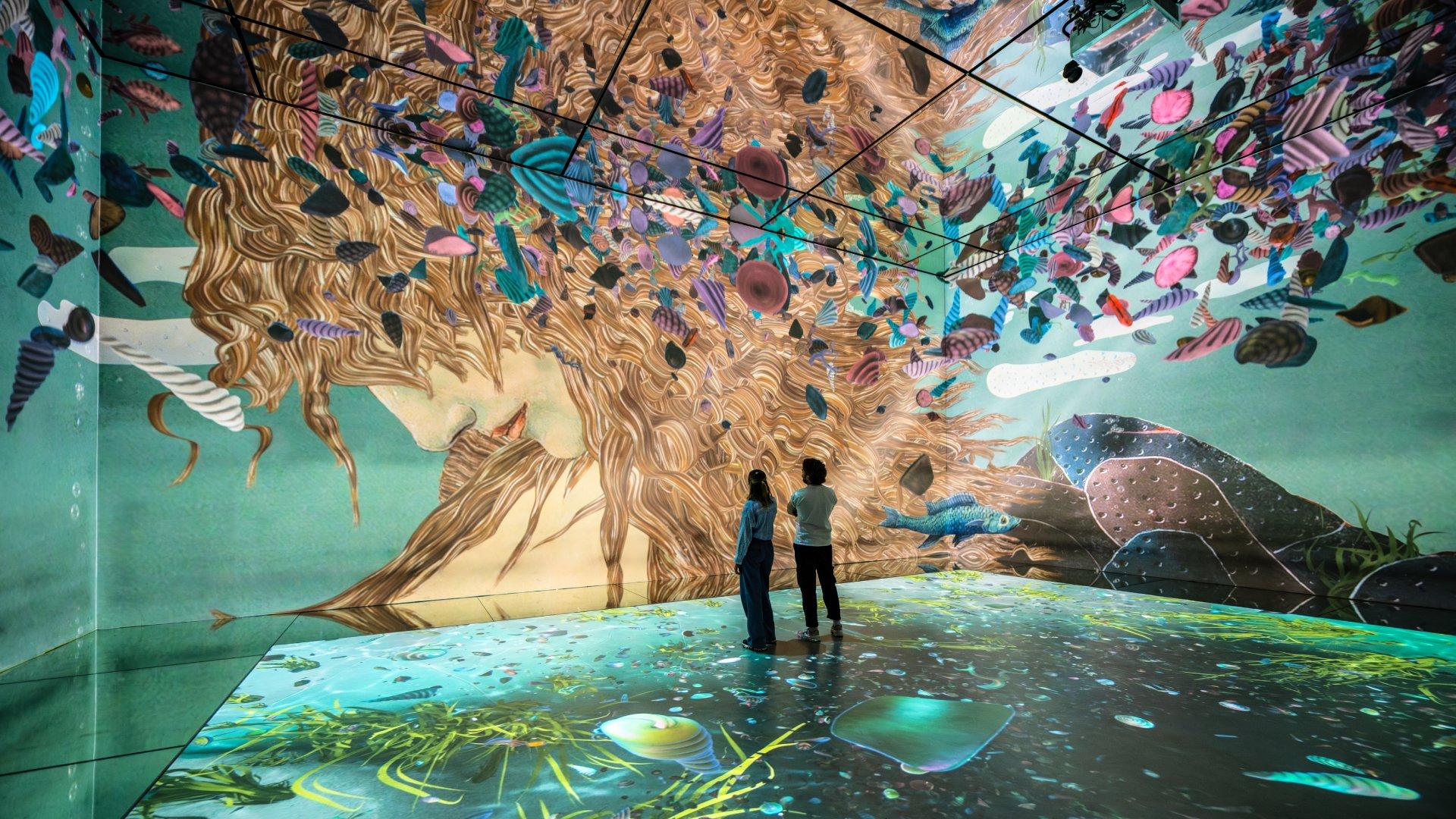
What exactly are you booking at Frameless?
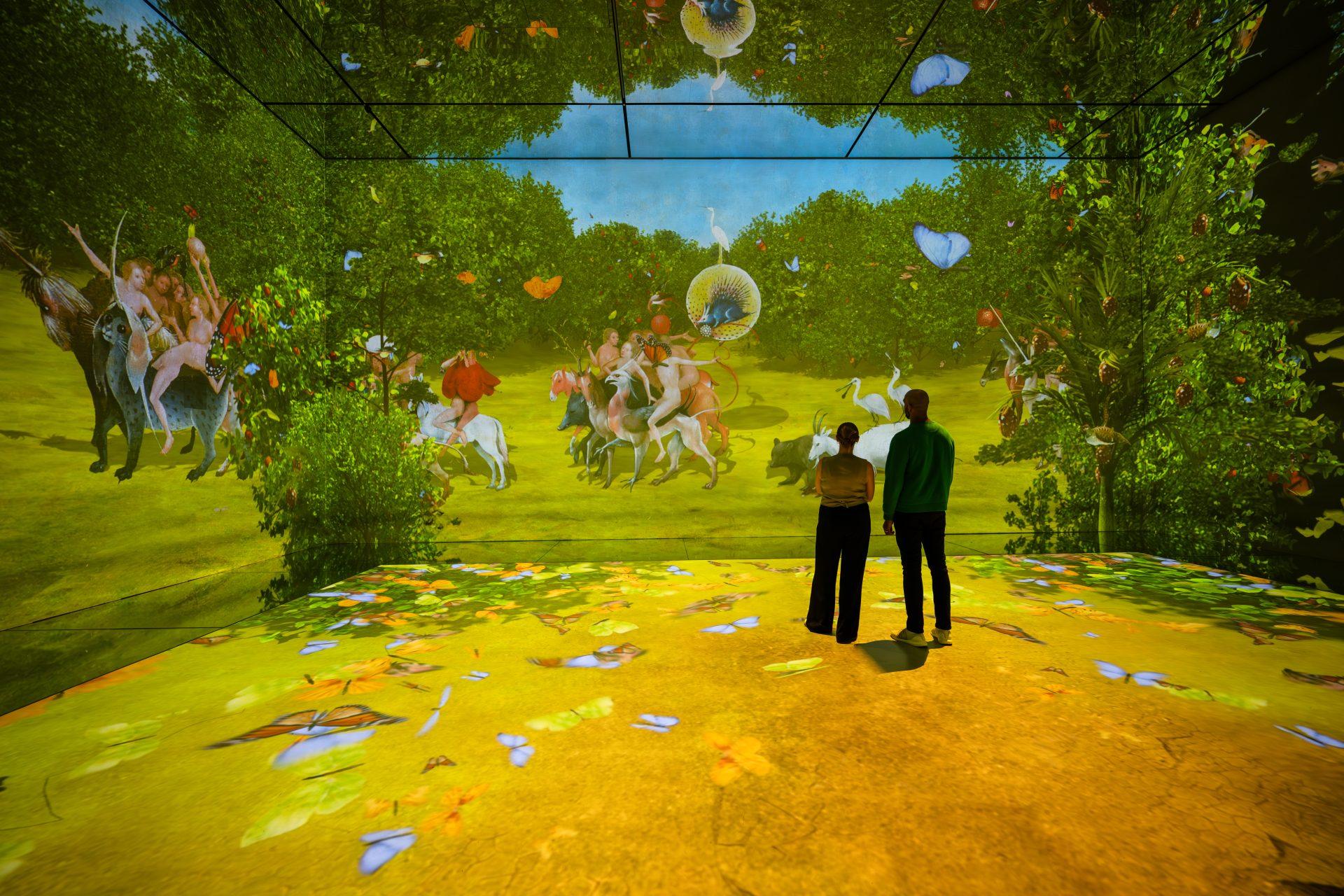
The core proposition is a visit through four permanent immersive galleries. Rather than moving between framed objects, visitors stand inside projected works accompanied by sound and changing light. Frameless describes the result as a multi-sensory experience, which is important context: it is closer to a designed visual environment than a quiet gallery where you set your own pace around individual paintings.
Read the official Frameless Tickets page for the current visit format, then compare the Beyond Reality details with the gallery overview before you choose.
The strongest part of the offer is variety within one venue. The galleries can move from recognisable art-history references to abstract colour and motion, giving a group more than one visual language to discuss. If one room does not land for everyone, the next may feel entirely different.
- Large-scale projection turns familiar works into environments rather than wall displays.
- Sound and movement add a performance-like layer to the visit.
- Multiple galleries make the main ticket more substantial than a single installation.
- Central London location makes it workable as part of a wider day out.
The trade-off is that the experience asks you to share those rooms with other visitors. It is also deliberately sensory, so people who prefer low stimulation or long, quiet looking may find a traditional collection more comfortable.
Which gallery gives you the clearest reason to go?
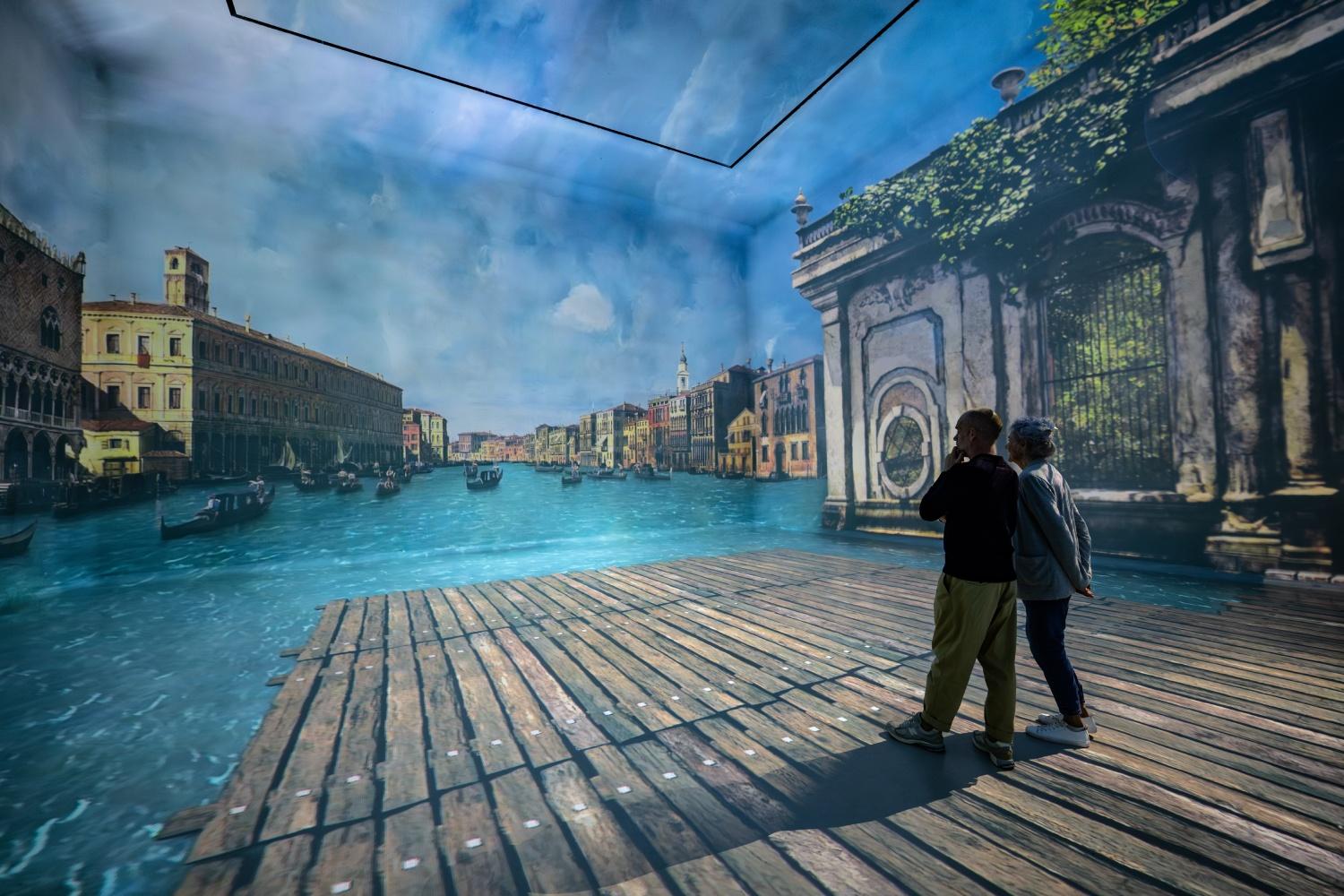
Beyond Reality is the most persuasive starting point for visitors who want scale and drama. The official gallery page frames it as an invitation to step beyond the familiar, and the artwork selection is suited to a room where colour and projection do much of the storytelling. You can read the current description on the Beyond Reality page before booking.
The Beyond Reality gallery page gives the clearest sense of its visual direction. For a wider look at the venue, return to the full Frameless experience before deciding.
Our read is that this is the safest recommendation for a first visit when the group has not agreed on one artist or period. Its appeal is broad, although that breadth can also make the experience feel more like a sequence of moods than a tightly argued exhibition.
Colour In Motion is the more obvious choice for visitors drawn to rhythm, saturated colour and changing forms. The brand presents it as an exploration of colour in motion, so the room’s strength is atmosphere rather than detailed interpretation. The Colour In Motion page is useful if that distinction sounds closer to your taste.
Use the Colour In Motion page to check the current description. The main ticket information remains the place to confirm which galleries are included.
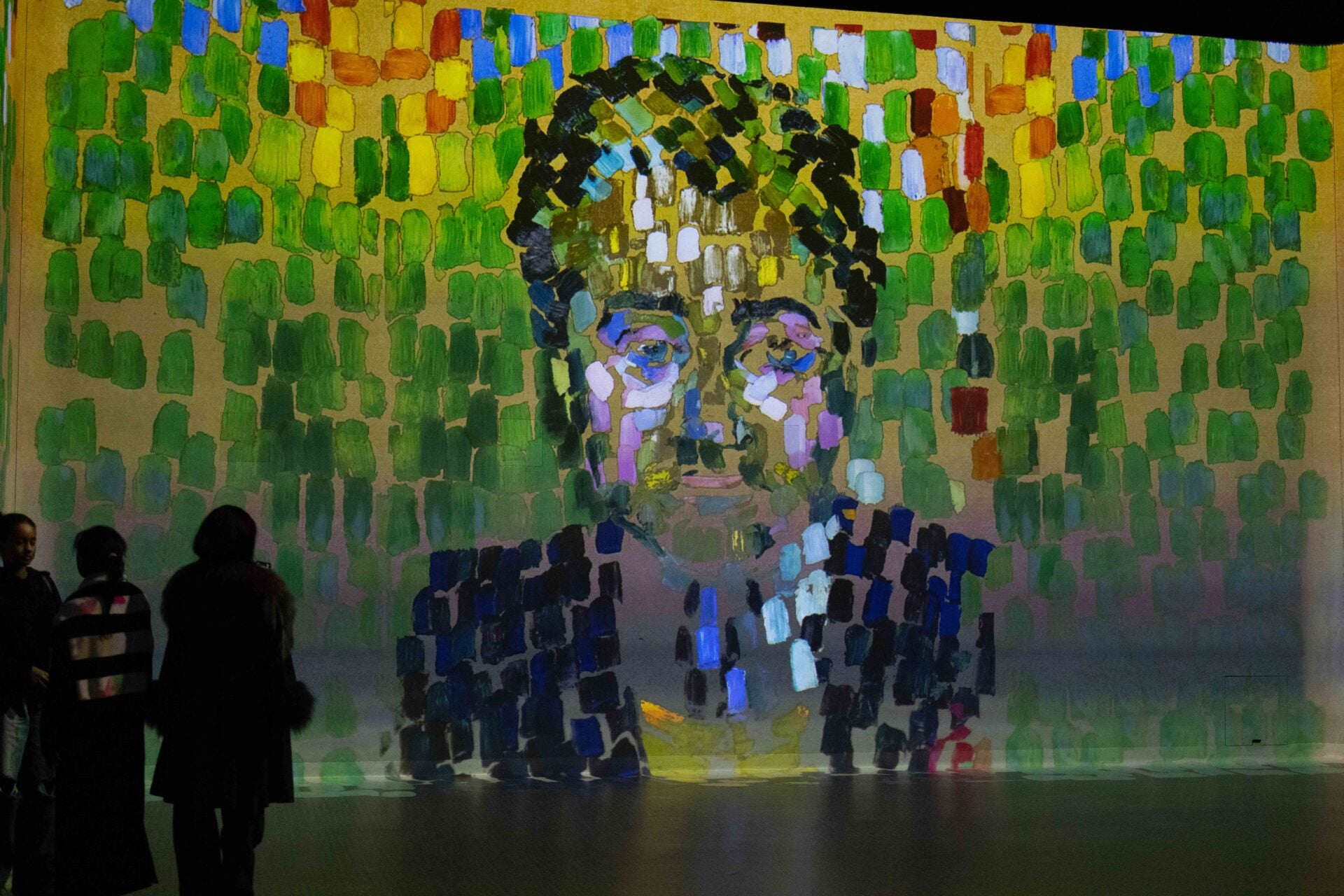
That means Frameless does not have one universal best gallery. Instead, the useful question is what you want the visuals to do:
- Choose Beyond Reality for a broad, dramatic introduction.
- Choose Colour In Motion for abstract energy and visual rhythm.
- Use the main ticket to see the wider mix if your group has different tastes.
Does FRAMELESS Lates change the value of the visit?
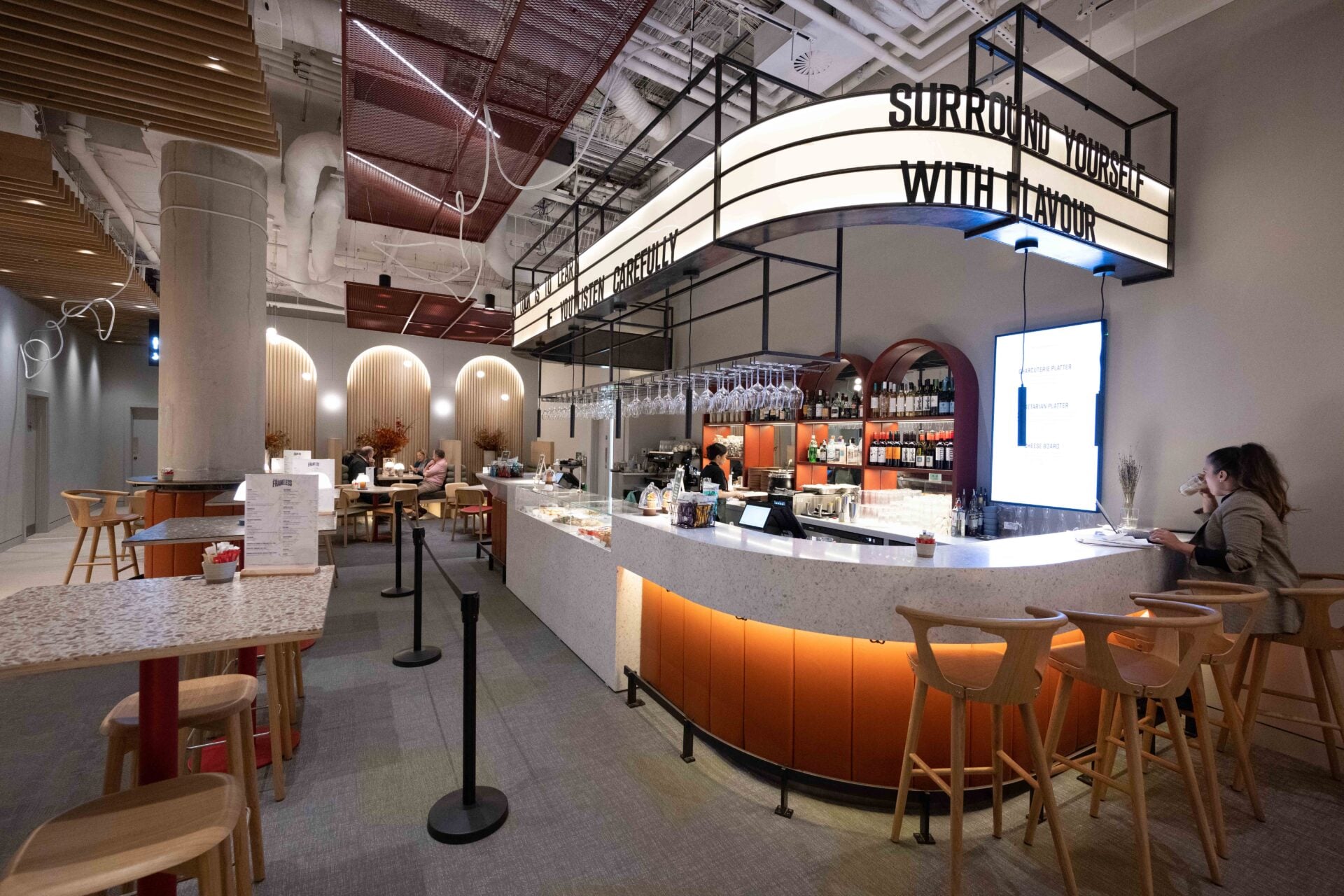
FRAMELESS Lates changes the occasion more than the artwork. The official page describes an after-hours format with the four immersive galleries, limited-time residencies, cocktails at the café bar and a Soho Radio soundtrack. In other words, it is positioned as a social night out as well as an art visit.
The official FRAMELESS Lates page should be checked for the current programme. If your plan is daytime rather than evening, compare it with standard Frameless tickets.
That makes the FRAMELESS Lates option a good match for a date, a small group or anyone who wants the venue to feel less like a daytime attraction. It can also make the booking feel more event-like when the standard gallery visit would compete with other London plans.
There are limits. The atmosphere is part of the point, so it may not suit visitors who want the calmest possible viewing conditions. Programme details can also change, and extras such as drinks are part of the night rather than a guarantee that every visitor will value equally.
- Best fit: an evening itinerary with a social edge.
- Useful extra: changing residencies can give repeat visitors a reason to return.
- Potential drawback: a livelier room can mean less uninterrupted looking.
What else can you add to the main experience?
Frameless also lists formats beyond the core gallery route. The The Art of You Photo Experience is designed to place the visitor into a portrait-led art setting, while the venue’s programme includes family sessions, special residencies and other scheduled events. These are not interchangeable with a standard ticket, so check the specific page and inclusion details before treating one as an upgrade.
For a separate add-on, the Art of You Photo Experience page sets out the portrait concept. Families should also review the multi-sensory tots classes page rather than assuming the general visit is the best fit.
The wider programme is a genuine strength because it gives the venue more than one reason to revisit. It also creates the main research task for readers: look at the date, format and what is included rather than assuming every Frameless booking offers the same experience.
Before committing, we would check:
- whether the selected slot covers the main galleries or a separate event;
- which temporary residency or special programme is running;
- access information and any sensory considerations for your group;
- opening times, arrival guidance and the venue’s current café or bar details.
What are Frameless’s strongest points and its limits?
The evidence supports a clear set of advantages. Frameless makes art feel spatial, offers enough variation for a mixed group and has an unusually flexible programme for repeat visits. Its central location and optional evening format add practical value when planning a wider London itinerary.
The weaknesses are mostly about expectation. Projection can be visually impressive without offering the same depth of context as a museum label or guided exhibition. The experience is also dependent on the room atmosphere, visitor density and your tolerance for sound, movement and changing light. Those are not flaws in the concept, but they do define its audience.
We would be cautious if you are looking for:
- a silent, highly academic art visit;
- guaranteed solitude around each work;
- a fixed programme that will remain identical between visits;
- a simple ticket choice without date or event differences.
For everyone else, the main offer is coherent. The brand is strongest when it treats immersive art as a shared, physical experience rather than pretending the projection replaces a museum collection.
How should you choose your Frameless booking?
Start with the occasion, then use the programme to refine the decision. For a first daytime visit, the main Frameless Tickets page is the right place to confirm what the current booking includes. If the group has a strong preference for visual drama, read Beyond Reality first. If colour, motion and a more abstract mood sound better, compare Colour In Motion.
It is worth checking the venue information alongside the opening times, particularly when the visit is one stop within a longer London day.
For an evening with drinks and music, choose FRAMELESS Lates and check the programme details. We would also leave enough time to move between galleries rather than treating the visit as a quick photo stop. That is where the value comes from: the rooms work best as a sequence, not a single snapshot.
Costs vary according to the date, booking type and any additional programme, so the official ticket page should have the final say. Checking there also reduces the risk of expecting a standard visit and arriving for a format with different inclusions.
Our recommendation is to book Frameless for a group that wants a visually led London outing, especially when the group values atmosphere as much as interpretation. The honest limitation is that its sensory, shared-room design will not replace a quiet museum visit for every art lover.
Ready to choose your Frameless visit?
Choose the main galleries for the broadest introduction, Beyond Reality for scale, Colour In Motion for movement, or FRAMELESS Lates for an after-hours social plan. That is a clear enough distinction to make the experience worth booking when it matches the day you are trying to plan.