








Choosing a light fitting can turn into a surprisingly technical errand: the shape may look right, but the voltage, beam angle or IP rating can make it wrong for the job. Is BLT Direct a helpful place to work through those details, or does its large catalogue make choosing harder?
We reviewed the UK retailer’s public range and product information, focusing on whether the selection gives shoppers enough useful detail to match components to a real project. The store spans everyday lamps and fittings as well as LED strips, drivers and more specialised lighting.
This is a review of the published range and product pages, not a hands-on assessment of installation or product performance. The best choice still depends on the fitting already in place, the intended environment and the technical requirements of your setup.
Disclosure: this post includes affiliate links, and we may be paid a commission on purchases made through them.
The short version: BLT Direct looks most useful for shoppers who can name the component they need and want specifications to compare. Examples include the 14W T5 Single High Frequency Batten Fitting, a 24V IP67 driver and the Soraa GU10 bulb. The range is less reassuring if you need a beginner-proof recommendation or have not yet confirmed compatibility.
What does BLT Direct do well for a lighting project?
The retailer’s clearest strength is breadth across parts of the lighting job that are often sold separately. That mix runs from a replacement batten fitting to a matched LED driver. Its public range includes lamps, fittings, strips, drivers and accessories, so a shopper planning a replacement or a small installation can investigate more than the visible bulb alone. That breadth matters when a project depends on matching several components rather than choosing a decorative shade.
There is also a practical emphasis on technical identifiers. Product pages may specify wattage, voltage, colour temperature, beam angle or an IP rating. Those details do not make a product automatically suitable, but they let an informed shopper rule out obvious mismatches before ordering. Compare the GU10 bulb specifications with the driver listing to see how different the checks can be. We would still confirm every key figure against the existing fitting or the project plan.
- Range breadth: lamps sit alongside fittings, LED strip and power supplies.
- Useful specifications: pages can expose the numbers that determine compatibility.
- Distinct use cases: domestic replacements and more technical components appear in the same store.
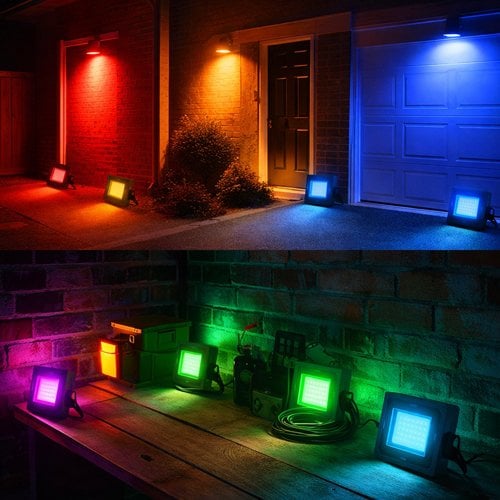
The catalogue also has examples that make the breadth tangible. A coloured floodlight or an outdoor festoon set asks different questions from a GU10 replacement, such as weather exposure, placement and the effect you want. Those categories are a helpful starting point when the job is already defined. If it is not, the range can feel like a parts counter without the conversation that would narrow things down.
Which products show how specific the range gets?
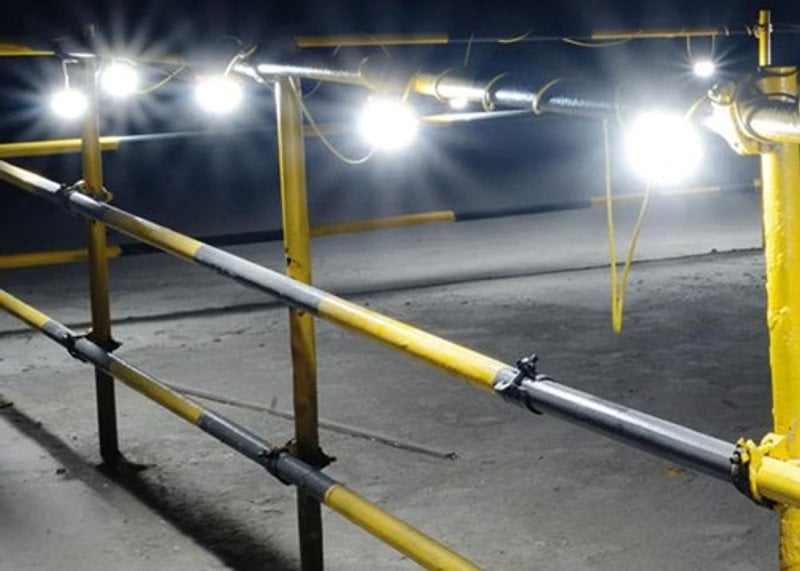
The 14W T5 Single High Frequency Batten Fitting is a clear example of a named replacement fitting rather than a general lighting idea. The product title identifies its format and wattage, which gives a buyer a concrete compatibility check to make. It may suit a utility or service area where a simple batten is appropriate, but shoppers should compare the existing fitting’s dimensions and electrical requirements before treating the name as a match.
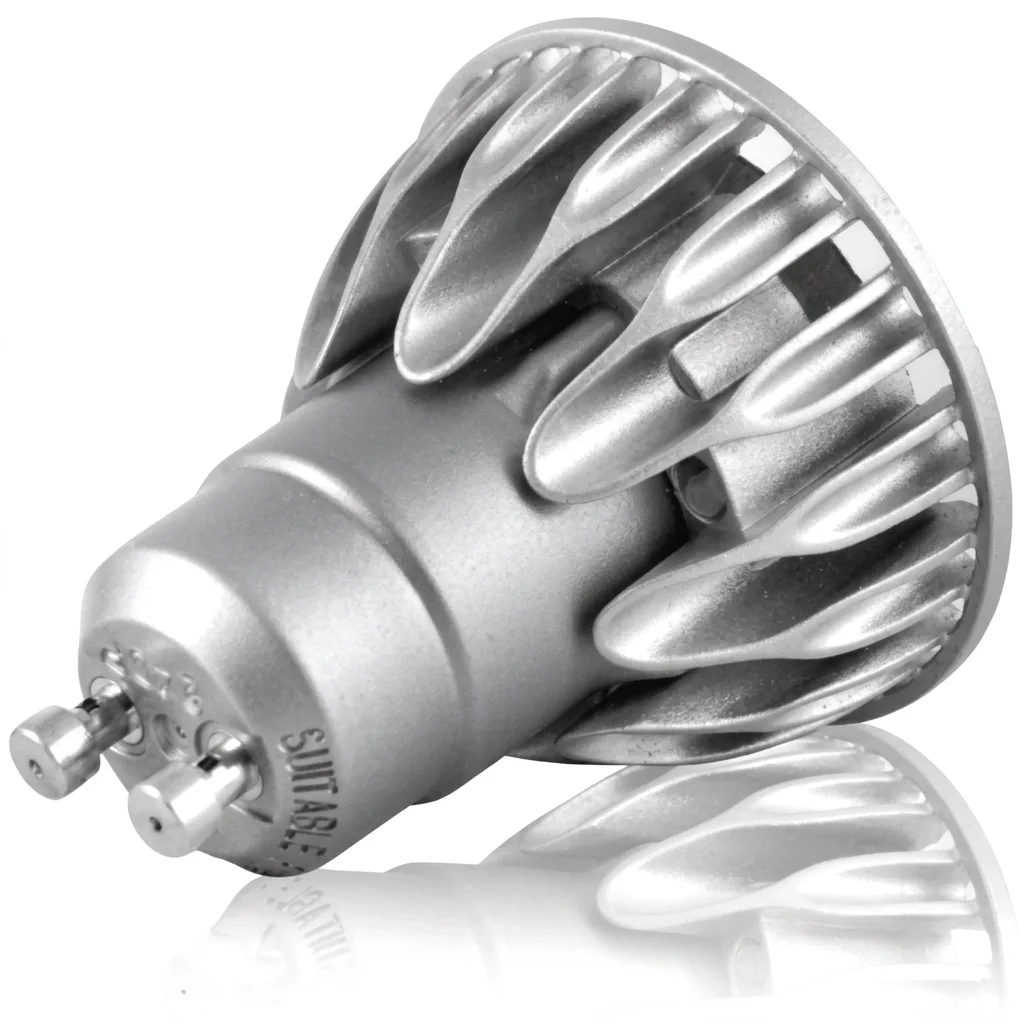
For a focused lamp replacement, the Soraa 9.5W GU10 LED Bulb, 25 degree Vivid, 465lm, 2700K brings several decision points together: GU10 base, narrow beam, stated light output and warm colour temperature. The listed attributes help someone replacing a spotlight decide whether the beam and warmth suit the room. A 25 degree beam is directional, so it is not a universal choice for broad, even illumination.
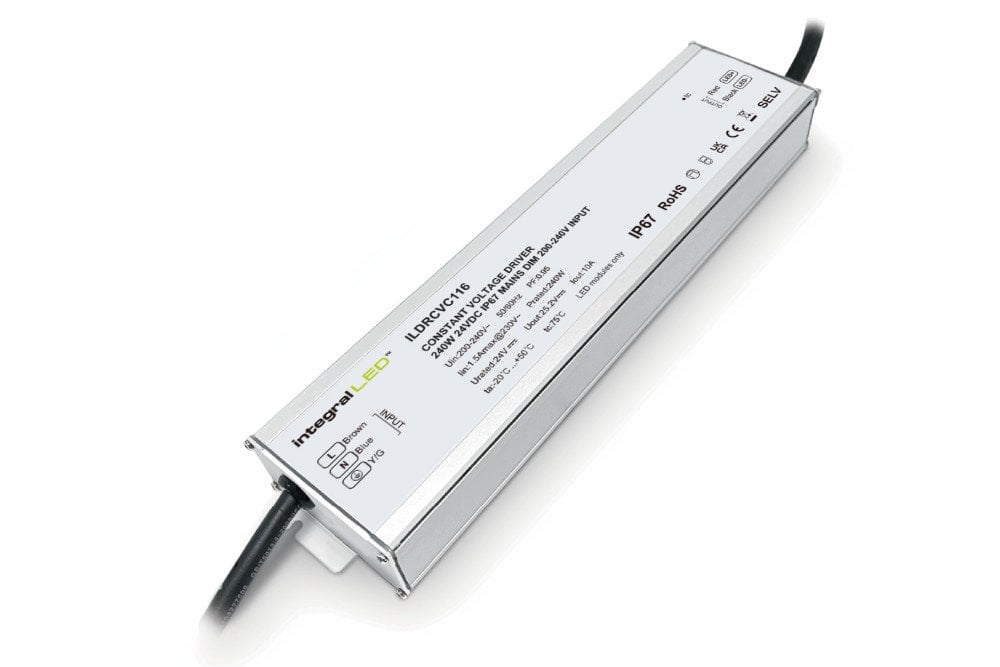
The 240W 24V LED Driver IP67 illustrates the more technical end of the catalogue. Its product title identifies a 24V constant-voltage supply, a 240W capacity and an IP67 rating, and the page describes it as mains dimmable. These are meaningful clues for a strip-light system, but they are not a substitute for checking the strip’s voltage, total load, dimmer compatibility and installation conditions. A high capacity is not a reason to overlook those requirements.
These three examples are useful precisely because they are not interchangeable. Revisit the batten format, spotlight beam and power supply rating against the job in front of you. A fitting, a spotlight bulb and a driver solve different problems. Specification-led choice is the retailer’s advantage when you have a known replacement or a plan; it can become a barrier when you are still trying to define the job.
Are the product details enough to choose confidently?
They are enough to start a shortlist, but a product title should not be treated as a complete installation guide. In lighting, several small mismatches can matter: a driver may have the wrong output type, a lamp may not fit a particular housing, or an outdoor product may still need suitable mounting and protection. The pages’ specifications help frame those checks; shoppers remain responsible for confirming the finished combination.
Before adding anything to a basket, we suggest writing down the following:
- Existing lamp base, fitting dimensions and available space.
- Required voltage and whether the system is constant-voltage or constant-current.
- Total wattage or load, including any planned extension.
- Colour temperature and beam spread needed for the room or task.
- Whether moisture, dust or outdoor exposure changes the required rating.
Then compare each figure with the product page, including the batten fitting’s format, the GU10 bulb’s beam and colour or the driver’s output and enclosure rating. If one of the critical details is missing or ambiguous, contact the retailer or a qualified electrician before ordering. Check the driver information and bulb information separately; one cannot answer for the other. That extra step is more useful than guessing from a product photo.

There are strengths in the way the pages state model-specific attributes, but not every shopper will know how those numbers interact. The information supports a careful buyer; it does not remove the need for a basic understanding of the circuit or fitting. For a complex installation, specialist advice is still sensible.
Where does the store become harder to use?
- Know the component before browsing.
- Use the listing to verify the exact model.
- Ask for help when the electrical match is unclear.
The same breadth that helps experienced shoppers can raise the effort for everyone else. A large technical catalogue needs clear filters, plain-language guidance and reliable product matching to feel simple. Where you already know a model or specification, search can be direct. Where you only know that a corner is too dim, deciding between a bulb, fitting, strip or driver may take research outside the product page.
There is also a compatibility burden. A rating or wattage on its own does not tell you whether the item works with every existing part. For instance, a dimmable driver needs a compatible dimmer and load, while a GU10 bulb’s beam can change the result even if the base fits. We would regard BLT Direct’s technical listings as useful reference material, not as a promise that a product will work in an unverified setup.
- Check stock and the current price on the exact product page.
- Confirm the model’s dimensions and electrical requirements against your existing equipment.
- Review whether the stated IP rating suits the actual location and exposure.
- Ask for qualified advice where wiring, load or compliance is uncertain.
It is also worth checking the practical purchase details before committing: availability, delivery information, returns and any warranty terms for the specific item. These can shape the overall value as much as the specification, and they may vary by product. We found the product range easier to evaluate than a single universal service promise, so compare the listing and its terms on the page you intend to use.
Who is BLT Direct likely to suit?
BLT Direct is a better fit for shoppers who have an existing model to replace, know the type of component they need, or are comfortable comparing electrical and lighting specifications. Trade buyers and capable DIY planners may value the variety of fittings and power components in one catalogue. It may also suit someone researching a single defined choice, such as the GU10 bulb’s beam angle or a batten fitting’s format.
It is a less natural starting point for a shopper who wants the retailer to choose a complete lighting scheme from a broad description. The product pages can tell you what an item is and state useful details, but shoppers still need to connect those details to the room, other components and installation. That is a meaningful limitation, not a minor quibble, especially when a wrong part creates extra cost or delay.
- Good fit: you know the component and its key requirements.
- Less suitable: you want a complete scheme selected from a vague brief.
- Best safeguard: verify every linked component before ordering.
For a defined replacement, begin with the exact item and compare the published spec against your current hardware: the 14W T5 fitting for a matching batten, the Soraa GU10 for a directional spotlight, or the 24V IP67 driver for a compatible strip setup. If you are still unsure what type of light solves the problem, settle that question first, then use the catalogue to compare specifications.
On the evidence available, our recommendation is conditional: shortlist BLT Direct when you can describe the product requirements and are willing to verify compatibility. Its range and technical details are real strengths. The weaker point is that those details can leave the interpretation to you, so it is not the easiest route for a hands-off beginner. A known fitting replacement is a clearer starting point than an undefined lighting problem.
Ready to compare a lighting product with your setup?
Start from the part you need, then check the current product information, availability and price on its listing. Keep a three-item shortlist: fitting, lamp or driver. For a spotlight, compare the GU10 base and 25 degree beam; for a driver, verify voltage, load, dimming and environmental rating. Those checks will tell you more than choosing by wattage or appearance alone.
If the specifications line up and the installation is within your experience, BLT Direct is worth considering for a focused lighting purchase. The honest caveat is that a broad catalogue does not guarantee a simple decision: confirm the complete setup before ordering, and get qualified help if the electrical match is uncertain.