








Choosing a light can be a tiny decision until the fitting, driver or environment makes it complicated. If BLT Direct has appeared in your search, the useful question is what kind of lighting supplier it is and whether its catalogue gives you enough context to choose with confidence.
We looked through the UK store’s product pages to understand the shape of the range. It covers familiar household replacements alongside the less glamorous components that make a lighting setup work, so the story is as much about specifications and compatibility as it is about the lamp itself.
This is a brand introduction rather than a hands-on assessment. We are focusing on what the store lists, how its categories fit together and what a first-time visitor should check before making a decision.
Disclosure: this post includes affiliate links, and we may be paid a commission on purchases made through them.
The short version: BLT Direct is a UK lighting retailer with breadth across bulbs, fittings, LED strips, drivers and commercial or outdoor options. Its product information gives technically minded shoppers useful filters, but readers should confirm fit, compatibility and installation needs for their own setup before choosing.
What kind of lighting shop is BLT Direct?
The catalogue brings together several layers of a lighting project. You can begin with a replacement bulb, but the store also lists fittings, LED strip systems, drivers and accessories that help connect the pieces. That breadth is useful if you already know a little about the job, because it can keep related components together within one retailer’s catalogue. Start with BLT Direct’s UK lighting categories and the type of space or fitting you need to serve.
We would describe the identity as practical and product-led. The store foregrounds details such as voltage, wattage, colour temperature and ingress protection ratings. Those details can sound dry, but they are what distinguish a decorative indoor bulb from a component intended for a more demanding setting. The lighting range overview is a sensible starting point if you are still mapping the job.
There is a broad audience implied in that structure: household shoppers replacing an existing lamp, tradespeople sourcing a component, and project planners who need to compare a more specific requirement. That does not mean each product will suit every installation. It means the store’s range is designed to meet different levels of specificity, from a bulb base to a driver enclosure rating.
- Everyday lighting: replacement lamps in familiar shapes and bases.
- Connected components: strips, profiles, drivers and the fittings around them.
- Specialist uses: outdoor, commercial and site lighting with more demanding requirements.
For a first visit, it helps to write down the existing fitting details and where the new light will go. Then use the BLT Direct category pages to narrow by product type and read the individual listing closely, rather than browsing by appearance alone. Readers planning a fitting change can also open the T5 batten page and compare its named format with their existing setup.
How does the range move from simple bulbs to project parts?
The best way to understand the catalogue is to follow a small lighting system from its visible end back to the parts that support it. A household bulb is the easy reference point; LED strips and drivers show the more technical side; battens and panels sit somewhere between everyday replacement and planned installation.
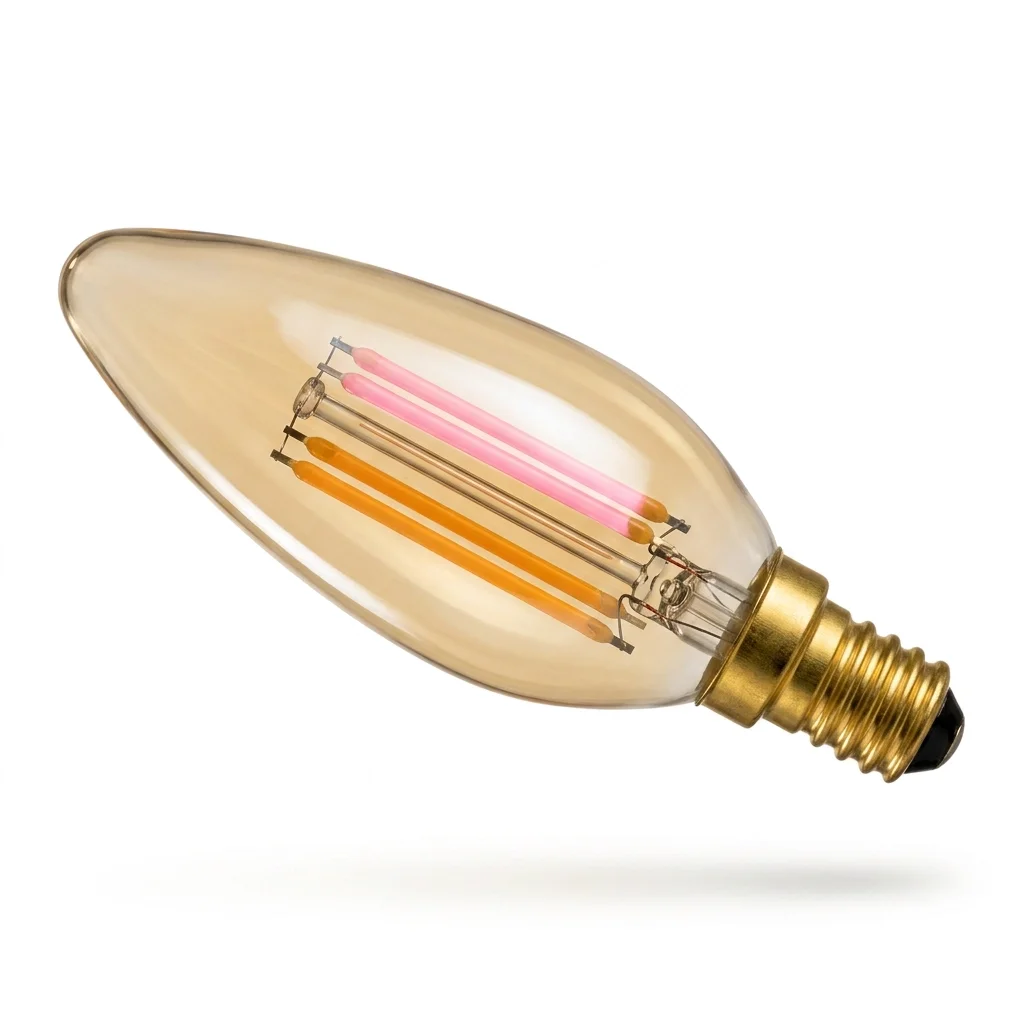
For a familiar fitting, the Soraa 9.5W GU10 LED Bulb, 25 degree Vivid, 465lm, 2700K is listed with a GU10 base, a focused beam and a warm colour temperature. Its product name itself tells you what to inspect: base type, beam angle, light output and colour. If a GU10 socket and narrow beam are not what your fitting needs, those features are a reason to keep looking, not a general recommendation. The Soraa product details are useful as a checklist even when you are comparing another bulb.
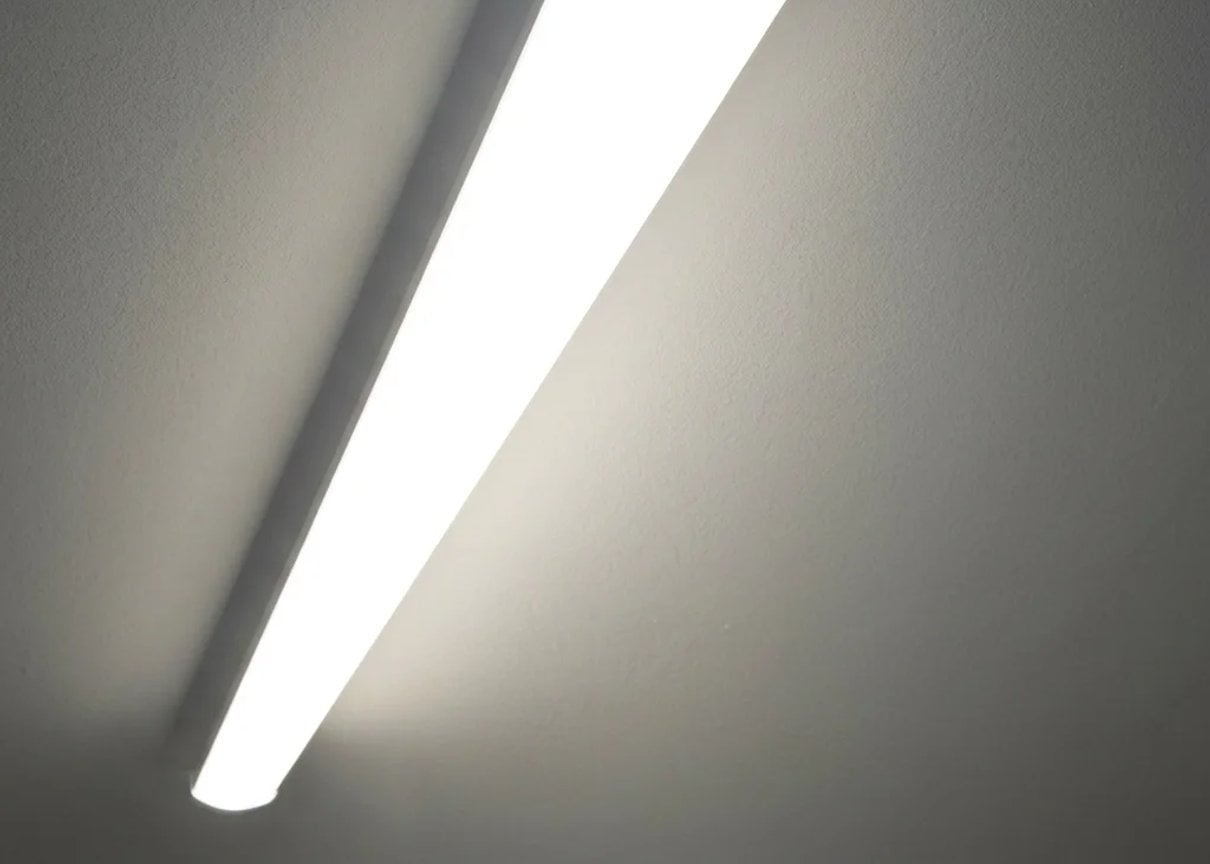
The 14W T5 Single High Frequency Batten Fitting gives a different view of the range. BLT Direct lists it as a slimline fitting for a T5 tube, with the page identifying the tube size and fitting type. That makes it a useful example of why a product title can carry practical information. Before choosing a replacement, match the length and lamp type against what is already installed, and check whether the fitting is still appropriate for the space. Open the batten listing to review the product-page details alongside your measurements.

At the component end, the All LED 24V DC LED Driver 320W ADRCV24200 is listed as a constant-voltage driver with an IP20 rating. That combination narrows its likely context: indoor use where the strip or lighting system requires a matching 24V supply. The driver is not a standalone upgrade; voltage, total load and the strip’s requirements need to line up. Check the individual product page and installation documentation before treating it as a match. Its listed driver information should be compared with the strip documentation first.
- Start at the light source: note lamp base, dimensions, colour and beam needs.
- Move to the fitting: check its dimensions, tube or strip compatibility and mounting context.
- Then check support parts: match any driver to voltage, load and protection requirements.
Those examples also show why product pages deserve a closer read. A category label gets you close, while the listing detail helps establish whether the item belongs in your particular plan. Use the BLT Direct product catalogue to compare the available types, then verify details with an electrician where the work involves wiring or a change to a fixed installation. You can revisit the driver listing and the batten details as examples of how specifications vary by category.
Why are the technical details part of the brand story?
For lighting, a product name is often a compressed checklist. It may describe the base, output, colour, voltage, enclosure rating or intended mounting. BLT Direct makes those details prominent across product listings, which gives shoppers a way to rule out obvious mismatches before ordering. The benefit is strongest when you arrive with a known requirement; a long list of specifications can feel dense when you are still deciding what the room needs.
Consider protection ratings. An indoor driver labelled IP20 is not a substitute for a product specified for exposed or wet conditions. Likewise, a bulb that fits the socket may still differ in beam shape or colour from the effect you want. The driver listing and the GU10 bulb listing illustrate how the useful details change from one item to another.
A measured approach is better than assuming the store has already solved the compatibility question for you. Read product specifications as information to verify, especially for dimming, drivers, retrofit fittings and outdoor applications. If a listing leaves a point unclear, check the manufacturer documentation or ask a qualified installer before you commit. The GU10 listing and the driver listing show why those checks differ.
- Match the product to the existing base, fitting or system.
- Confirm colour temperature and beam direction against the room’s purpose.
- Check voltage, load and driver compatibility for strip lighting.
- Look at the IP rating and installation location together.
- Get professional guidance for fixed wiring or uncertain requirements.
This is where BLT Direct may appeal to people who like to compare specifics. The product pages can help structure the decision, and its breadth lets you explore connected components as well as the visible fitting. Readers seeking a curated room-by-room edit may need to do more of the translating themselves. Browse the UK store’s lighting options with a short list of the requirements you already know.
What should a first-time shopper check first?
We would begin with the job rather than the brand. Is this a one-for-one replacement, a new feature light, or part of a larger strip or commercial setup? The answer points you towards a category and helps you decide how much technical detail you will need to compare. A small amount of preparation makes a broad catalogue easier to navigate.
For a replacement, photograph the old lamp and fitting label if possible, and record dimensions and base type. For a new project, note the room, mounting surface, lighting purpose and whether the installation is exposed to moisture or dust. For a strip system, identify the strip specification and supply requirements before selecting a driver. These are practical checks, not guarantees that any one product is suitable. The T5 batten page and Soraa bulb page offer concrete examples of fitting-specific information.

Then use the product pages as a shortlist tool. The T5 batten details are relevant when you are checking an existing tube fitting; the 24V driver listing is a reminder to match electrical requirements; and the Soraa GU10 listing demonstrates the lamp-level details. Return to the main BLT Direct catalogue only once you know which category belongs to your project.
One limitation of a wide technical range is that it asks the visitor to make distinctions. Similar-looking products can have different ratings or intended uses, and a familiar name does not confirm a fit. Availability and specifications can change, so check the current UK product page rather than relying on an old product note or a photograph alone. The batten page and driver page are worth checking at the point of decision.

That breadth is the interesting thing about BLT Direct: the catalogue treats lighting as a system of choices, from the bulb that shapes the room to the driver or fitting that makes a project possible. For shoppers comfortable comparing product details, the range has useful depth. For anyone unsure about electrical compatibility, getting qualified advice is part of choosing well, not an extra step to skip.
Ready to explore BLT Direct’s lighting collection?
We would recommend approaching the store with a clear use case and a few details from the existing setup. Its mix of familiar lamps and technical components makes it worth considering for a replacement or a planned lighting project, especially when the specifications are already known.
The honest caveat is that range breadth does not replace compatibility checks or installation advice. Start with the category that matches your job, compare the stated details, and confirm the current product information before deciding.