







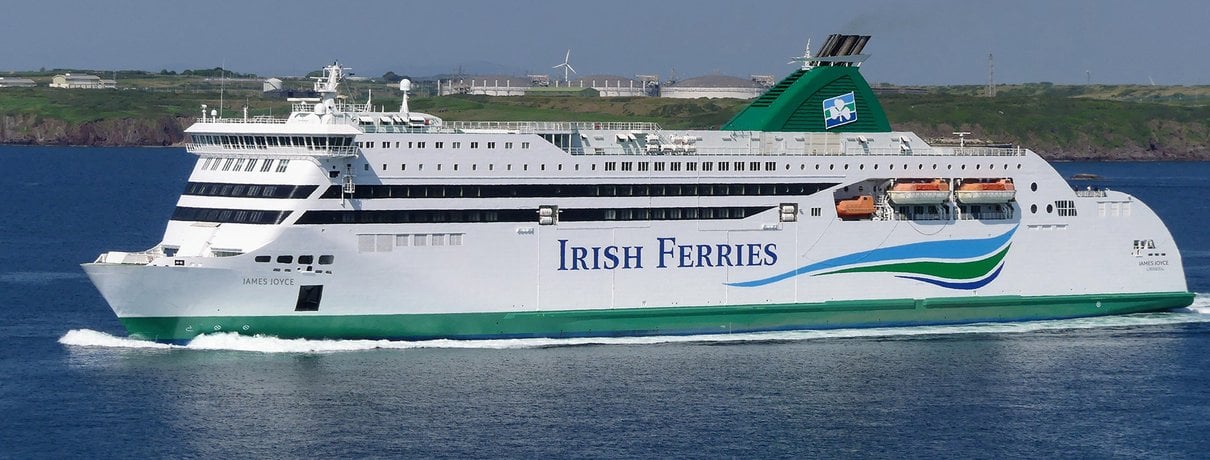
Autumn can make France feel like a gentler, more flexible escape, but the journey still needs to fit the way you travel. The key choice is whether you want to drive from Britain, start in Ireland, or leave the car behind.
We looked at the UK-English Irish Ferries France pages to map the routes and packages that matter for an autumn break. The useful comparison is less about a single best crossing and more about where you are starting, what you are taking, and whether you want to arrange accommodation separately.
This is a planning guide based on the brand’s route and holiday information. Check the sailing calendar and package details for your own dates, since route schedules and availability can vary.
Disclosure: this post includes affiliate links, and we may be paid a commission on purchases made through them.
The short version: For a UK-based road trip, start with Dover-Calais. If an Ireland departure fits your plans, compare Dublin-Cherbourg; foot passengers can also consider Ireland-France Sail & Rail. Eurocamp Holiday Parks is the bundled-stay route to investigate, with park and date choice doing much of the work.
Which Irish Ferries route fits an autumn drive?
For many UK readers, the first practical question is how much of the trip should happen by road. The Dover-Calais route is the obvious starting point when you can reach Dover and want your own car in France. You can then build the onward drive around the region you want to visit, rather than fitting the holiday around a train connection.
The brand presents Dover-Calais as a vehicle crossing. That makes it useful for travellers carrying luggage, family kit, walking gear or shopping for the return journey. It also means you need to think about the full door-to-door drive: the port approach, check-in requirements, arrival time and the distance from Calais to your first stop.
For autumn, flexibility matters. Shorter daylight and changeable weather can make a long first-day drive less appealing, so consider an overnight stop or a first destination within comfortable reach. The route itself is only one part of the plan, and the Dover-Calais details are where we would confirm current sailing choices and vehicle arrangements.
- Choose Dover-Calais if Britain is your natural starting point.
- Allow realistic time for the drive on both sides of the crossing.
- Check vehicle and passenger details against the booking before travelling.
A car can make regional touring and rural accommodation easier, but it is a commitment to driving rather than a shortcut to the centre of France. If your preferred autumn break is built around one base and slow days, avoid adding needless mileage just because the car is coming along.
When is Dublin-Cherbourg worth comparing?
Dublin-Cherbourg links Ireland and Normandy, so it may make sense if your trip already begins in Ireland or you can make the Dublin departure work as part of a wider journey. It is not a like-for-like substitute for departing from southern England: reaching the port is part of the total travel time and cost.
The route is particularly relevant to travellers bringing a vehicle and wanting to continue into France on their own schedule. Normandy can suit an autumn itinerary with coastal stops, food markets and heritage visits, though opening days and seasonal hours vary by attraction. Build in a little slack around the crossing rather than planning a tightly timed arrival at your first activity.
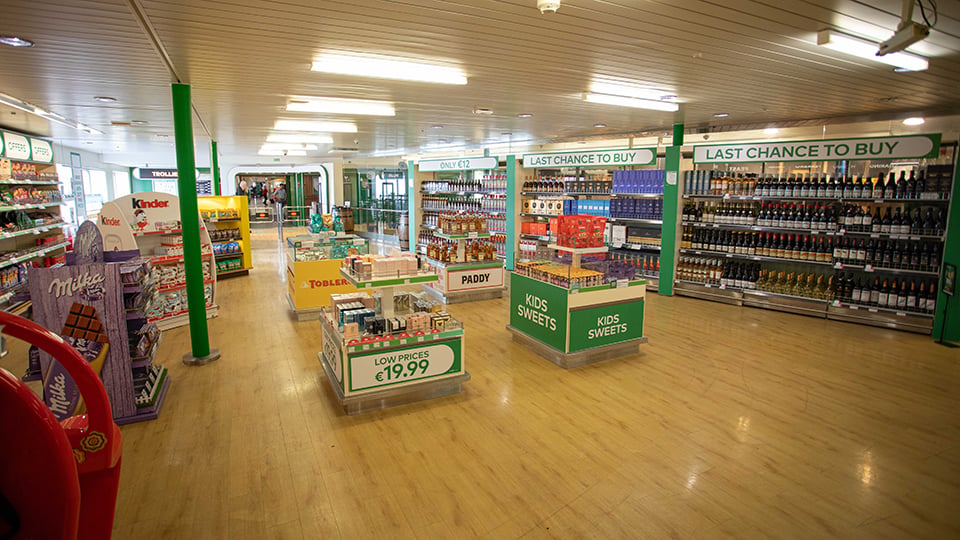
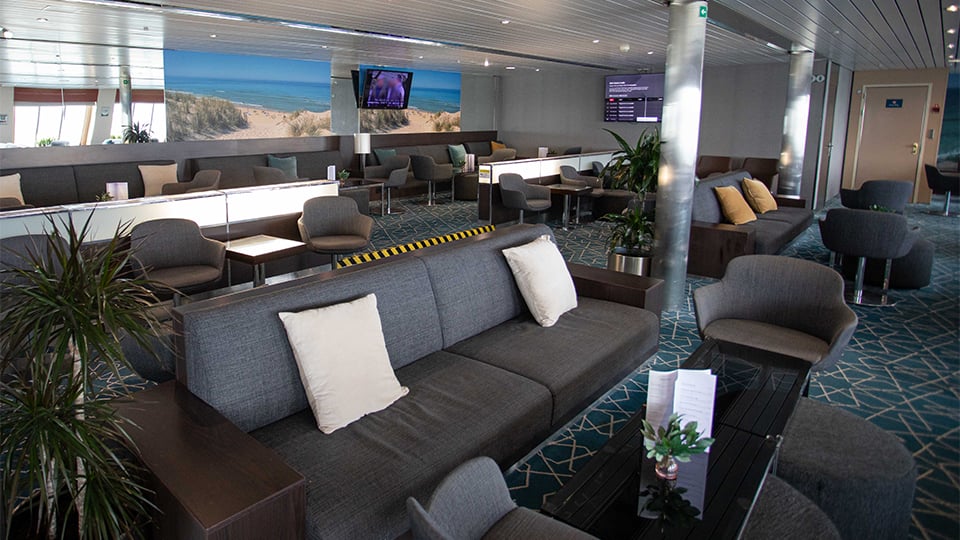
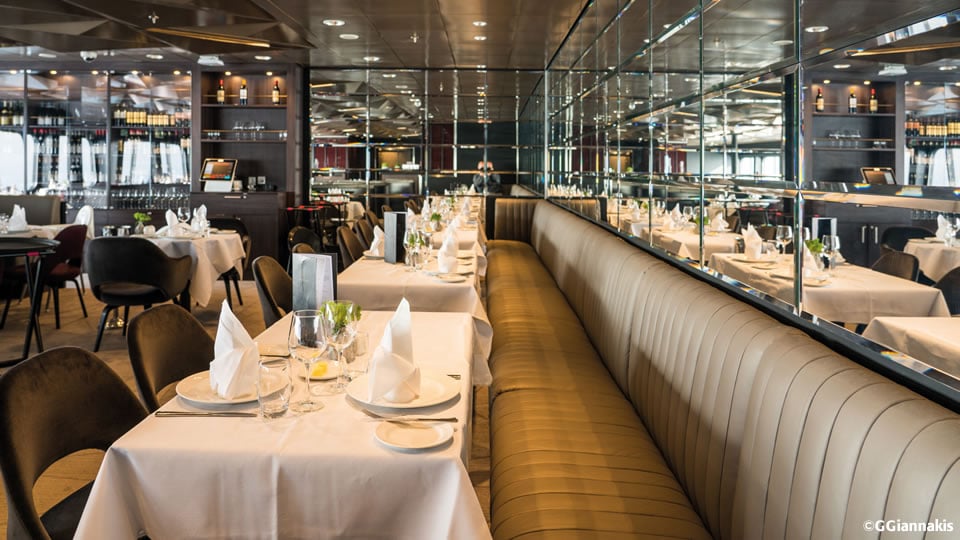
Irish Ferries also operates ships such as James Joyce, whose onboard facilities are shown on the UK store’s ship pages. We would treat ship details as a comfort consideration rather than assume a particular vessel for every date. Check the sailing information at the time you choose, and look at facilities that matter to your party: seating, food options, accessibility needs or space for a pet.
If Ireland is not a convenient starting point, the extra positioning journey can outweigh the appeal of a direct sea crossing. Compare the whole itinerary, including getting to Dublin and onward driving from Cherbourg. The Dublin-Cherbourg route page gives you the relevant route information to verify before committing.
Can Sail & Rail work without a car?
The Ireland-France Sail & Rail option is for foot passengers: the ferry booking is paired with onward train travel, with the rail portion arranged separately. That distinction is worth keeping clear. It can reduce the need to drive once in France, but you still have to coordinate the ferry and train legs and allow for the connection between them.
For an autumn city break or a trip organised around rail-served destinations, this could be a more relaxed way to travel than driving across France. It suits people who are comfortable with public transport, lighter luggage and a little timetable planning. If your accommodation is outside a town or you want to explore several rural areas, check local transport before you choose it.
There are two details we would put on the planning list:
- Confirm which train journey is included or needs separate booking, and check the relevant station pair.
- Leave a sensible buffer for transfers, especially if your arrival time or the onward service changes seasonally.
- Check luggage and accessibility arrangements across both parts of the journey.
The Sail & Rail information is a starting point, not a substitute for checking the rail operator’s current timetable. For travellers who value a car-free itinerary, it is a concrete alternative; for a multi-stop countryside tour, the transfer burden may be a poor fit.
Would a Eurocamp park simplify the stay?
Eurocamp Holiday Parks brings accommodation and ferry planning together on the France pages. That can be useful if you want one base and family-friendly facilities, or simply prefer to choose a park before filling in the rest of the itinerary. The range includes different locations and styles of stay, so the particular park matters more than the headline package label.

Autumn changes what to check. Pool access, entertainment, restaurant hours and nearby attractions may be seasonal, and a park that looks ideal in summer could have fewer services during your chosen dates. Read the individual park information and confirm what is open. If you are travelling with a pet, check both the crossing arrangements and the accommodation rules rather than assuming the same policy applies to both.
Our quick shortlist would be:
- For a base-led family break: compare the park facilities and accommodation type first.
- For touring: check the park’s position against your intended stops and driving time.
- For an off-season stay: verify what is operating on the exact dates before treating a facility as part of the value.
The Eurocamp parks page is a sensible place to narrow options, but bundling does not remove the need to assess location. A park stay can add convenience; it may be less useful if you want to move every night or spend most of the trip in a city.
How should you compare the choices?
The best match follows from your starting point and travel style, not a universal ranking. Use this compact comparison to identify what to inspect next:
| Option | Best fit | Check before booking |
|---|---|---|
| Dover-Calais | UK road trips | Port journey and onward drive |
| Dublin-Cherbourg | Ireland starts, vehicle trips | Getting to Dublin and sailing dates |
| Sail & Rail | Foot passengers | Separate train booking and transfer time |
| Eurocamp parks | One-base stays | Park location and seasonal facilities |
Then compare the total shape of the trip: how long it takes to reach the port, what happens after arrival, and how much flexibility you need. On a shorter break, an awkward connection can consume a meaningful part of the holiday. On a longer stay, driving your own car or choosing a park farther from a station may matter less.
What should you confirm for autumn dates?
Autumn is a shoulder season, so availability and opening patterns deserve a deliberate check. Sailing times can vary by date, and holiday parks may run a different programme from peak summer. We would check the details in this order:
- Route and port: make sure the departure point fits your UK or Ireland starting plan.
- Party and vehicle: enter the right passenger, vehicle and pet information for your booking.
- Arrival plan: avoid a long, ambitious drive immediately after landing if tiredness or daylight is a concern.
- Stay details: verify accommodation facilities and local attractions for the dates you actually want.
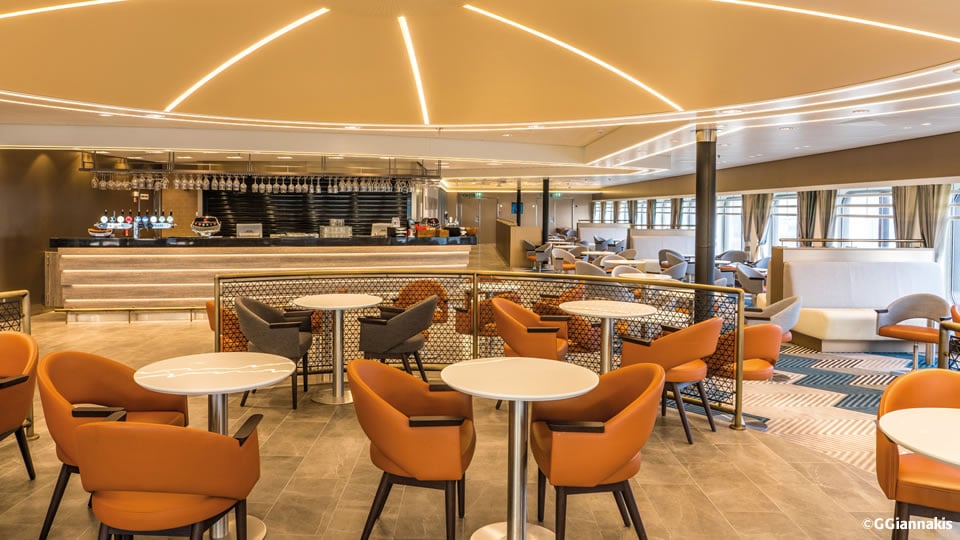
For onboard comfort, the brand’s ship pages include spaces such as the Maud Gonne bar and Lady Gregory lounge aboard W. B. Yeats, alongside facilities on James Joyce. These are useful examples of what to investigate, but the ship assigned to a route can depend on the sailing. Treat the named spaces as ship information, not a promise about a specific departure.
Price is also date and choice dependent, so compare the current total only after you have settled the route, vehicle, accommodation and any extras. This keeps the comparison meaningful without relying on a headline fare that may not match your itinerary.
Ready to plan an autumn trip to France?
We would begin with Dover-Calais for a straightforward UK road trip, or compare Dublin-Cherbourg when Ireland is already part of the journey. If you are leaving the car behind, check the connections for Sail & Rail; if a single base is the priority, look at the individual Eurocamp Holiday Parks.
The honest limitation is that a ferry-and-stay option cannot decide the right destination or solve every off-season opening gap for you. Check the current sailing availability, onward travel and park details together, then choose the plan that leaves enough room for the kind of autumn break you actually want.