







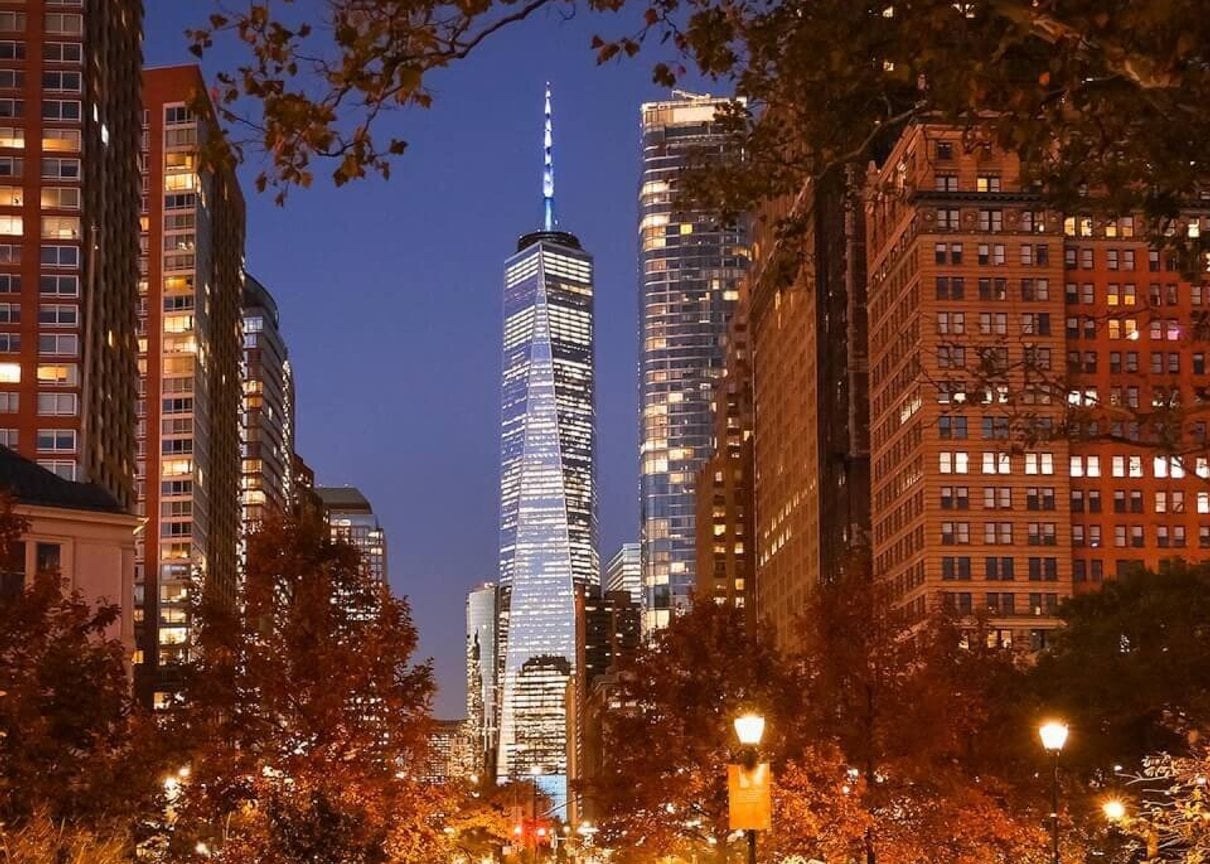

New York has no shortage of places to look out over the skyline. The more useful question is what kind of visit One World Observatory builds around that view.
Set in One World Trade Center, One World Observatory – New York makes a vertical landmark into a visitor experience, with the SkyPod lift, indoor observation spaces and optional dining or hosted experiences forming a larger story than a quick photo stop.
We have reviewed the official English ticket and experience pages for this editorial feature. They show a brand that sells both a point of view and a way to shape the occasion, from a family outing to a guided visit. The distinction matters when you are deciding how much time to give downtown and what you want the stop to add to a New York day.
Disclosure: this post includes affiliate links, and we may be paid a commission on purchases made through them.
The short version: One World Observatory is most compelling for visitors who want a planned indoor viewpoint with some narrative around the journey up and the city below. Its official range includes the Family Pack, Late Night Package and VIP Tour & Dine Experience, each suggesting a different kind of visit. The main trade-off is that an observatory is still a weather, schedule and budget dependent stop, so check what is currently included before building a day around it.
Why does this downtown landmark feel like more than a viewing deck?
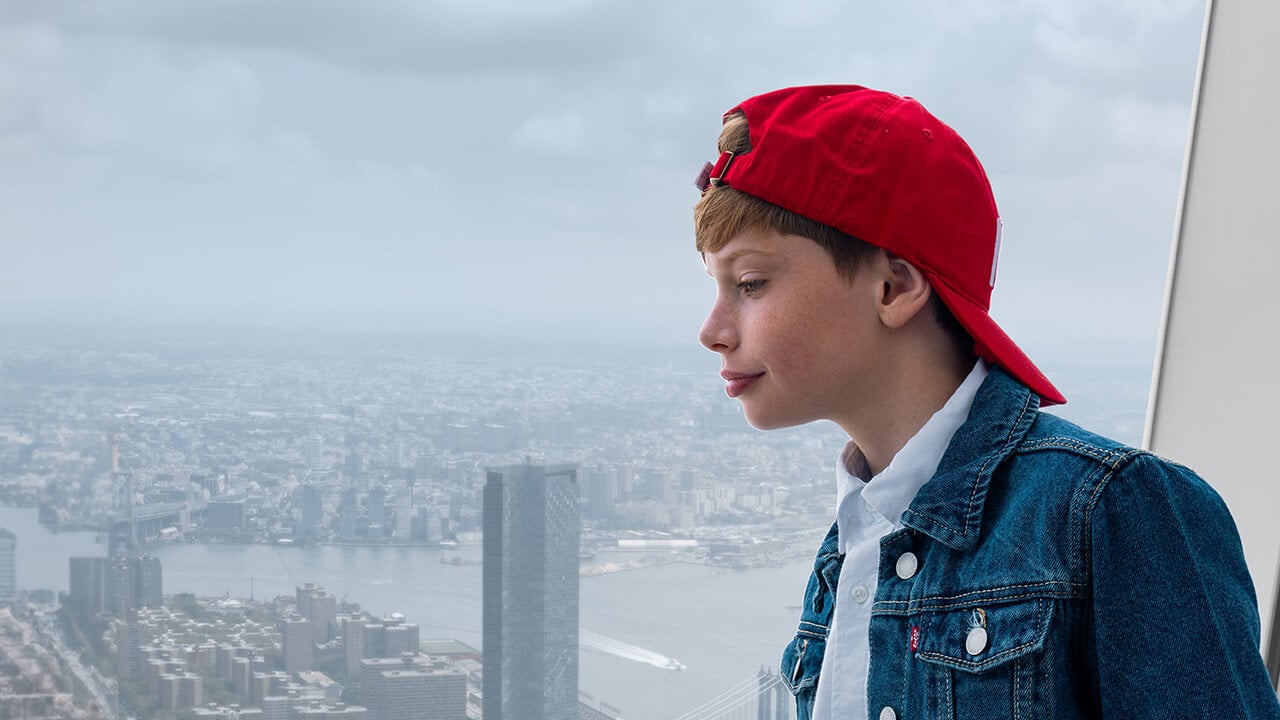
The location does much of the framing. One World Trade Center is not a neutral perch placed anywhere in Manhattan: it gives the observatory a direct relationship with Lower Manhattan and the surrounding harbour, bridges and boroughs. The site presents the experience as a panoramic look across New York from one of the city’s most prominent towers. That makes orientation part of the appeal: visitors can use the view to connect neighbourhoods and landmarks rather than treating the skyline as a single postcard.
The brand also structures the arrival. Its site describes the SkyPod elevator as part of the experience, introducing New York’s story during the ascent. That short transition gives the visit a beginning before guests reach the viewing areas. It is a small but useful piece of experience design: the lift ride links the building’s height to the city’s development, helping first-time visitors understand why the location matters. The Family Pack and Late Night Package pages show how ticket options build on that shared arrival.
We would describe the idea as perspective with a sense of place. The high viewpoint offers scale, while the downtown setting supplies context. An observatory cannot replace walking the streets, visiting a museum or spending time in a neighbourhood, but it can make the city’s geography easier to read. For a visitor early in an itinerary, that broad view can help turn a map into something more tangible.
- Landmark setting: the tower anchors the visit in Lower Manhattan.
- A staged arrival: the SkyPod ascent is presented as part of the story.
- Indoor viewing: the core experience is designed around elevated observation spaces.
- Optional layers: tickets and add-ons can shape the visit around timing, company or dining.
That last point is where the brand’s range becomes meaningful. The ticket page is not simply a list of access levels; it signals different reasons to go. A reader planning a group outing might begin with the Family Pack, while someone arranging an evening might look at the Late Night Package. A more hosted occasion can start with the VIP Tour & Dine Experience.
What does the official range say about the brand?
The offers reveal a practical understanding of how people visit landmarks: not everyone arrives with the same group, schedule or appetite for extras. Family Pack names a group-oriented option. It is a natural place to start when adults are coordinating the visit for children or relatives, because the offer is presented for a family occasion rather than as a generic ticket. The current page should be checked for eligibility, included admissions and any booking conditions before you plan around it.
The Late Night Package positions time of day as part of the experience. An evening visit can suit a traveller who wants the observatory to sit after daytime sightseeing, or who is drawn to the changing city light. The official listing calls it a package, so readers should confirm the precise inclusions and entry window on the live page rather than assuming every evening visit carries the same extras. The Late Night Package details are the best source for that current information.
The VIP Tour & Dine Experience brings guided context and a meal into the proposition. This is the clearest fit for people who want the visit to feel hosted, or who are marking an occasion and would rather combine the skyline with dining than assemble separate plans. The VIP Tour & Dine page should answer what the tour covers, which dining elements are included, and how timing works. Those specifics are more useful than the VIP label by itself.
Across all three, the brand is selling choice around one central view. The viewpoint remains the common denominator, while the offer names help visitors match it to the shape of a day. That is a tidy way to communicate the range, provided visitors still read the details. Packages can have conditions, timed availability or inclusions that distinguish them from standard admission. The Family Pack details and VIP Tour & Dine details make those differences concrete.
- Start with the occasion: family outing, evening stop or hosted meal.
- Check the offer’s current inclusions and any entry timing rules.
- Compare the package with a straightforward visit if extras would complicate your itinerary.
The site’s wider pages extend beyond admissions into restaurants, groups and events. Those routes make the observatory feel like a venue as well as an attraction. The VIP Tour & Dine Experience is one official example of that wider role. For example, dining is presented as an option within the building, and group information provides a route for larger parties. We would keep those choices separate from the core decision: first decide if the view itself belongs in your plan, then consider how food, a guide or a group arrangement might add something useful.

How should a first-time visitor read the experience?
Think of the visit in three stages: arrival, orientation and lingering. The SkyPod journey introduces the ascent. The observation floors give you time to find landmarks and look across the city. Any dining or guided element can extend the stop. This sequence is a helpful planning frame, not a promise about how long every guest will spend at each stage; pace depends on crowds, interest and the day’s schedule. Visitors can compare the Late Night Package and VIP Tour & Dine Experience if they want the visit to include a more defined occasion.
For a first visit, it helps to arrive with a loose idea of what you want from the view. Choose a few places you hope to spot, or use the panorama to understand how downtown relates to the rest of Manhattan. Then leave room to wander rather than trying to turn every minute into a checklist. This is particularly useful if you are pairing the observatory with nearby sights: a landmark visit feels more rewarding when it has breathing space on either side.
The official pages make the Family Pack a specific option for visitors organising a family day, and the Family Pack listing is worth reading alongside the ordinary admission choices. Evening planners can compare the Late Night Package with their wider plans, while a hosted outing may make the VIP Tour & Dine Experience a better fit. Those links point to named sections on the official ticket page, so check the current terms there.
Before booking, we would verify a few practical details on the live site:
- Availability: confirm the day and entry time that fit your route.
- What is included: read package contents rather than relying on the name.
- Group needs: check family or party eligibility and any separate arrangements.
- Visit logistics: review entry guidance, accessibility information and the current visitor policies.

Where does the observatory fit in a New York itinerary?
The strongest case is for a trip where downtown already matters. Readers with a family itinerary can check the Family Pack while mapping nearby stops. If your day includes the Financial District, the waterfront or nearby memorial and museum visits, the observatory can add a broader view of the area. It also works as a deliberate contrast to street-level sightseeing: after navigating dense blocks, the height helps you see how the city’s pieces connect.
There is less reason to force it into an itinerary already crowded with observation decks or timed attractions. New York’s skyline is visible in many ways, and an elevated ticketed visit takes time that could go to a neighbourhood, meal or museum. We would choose it when the landmark, location or panoramic perspective is a real priority, rather than treating it as an automatic box to tick.
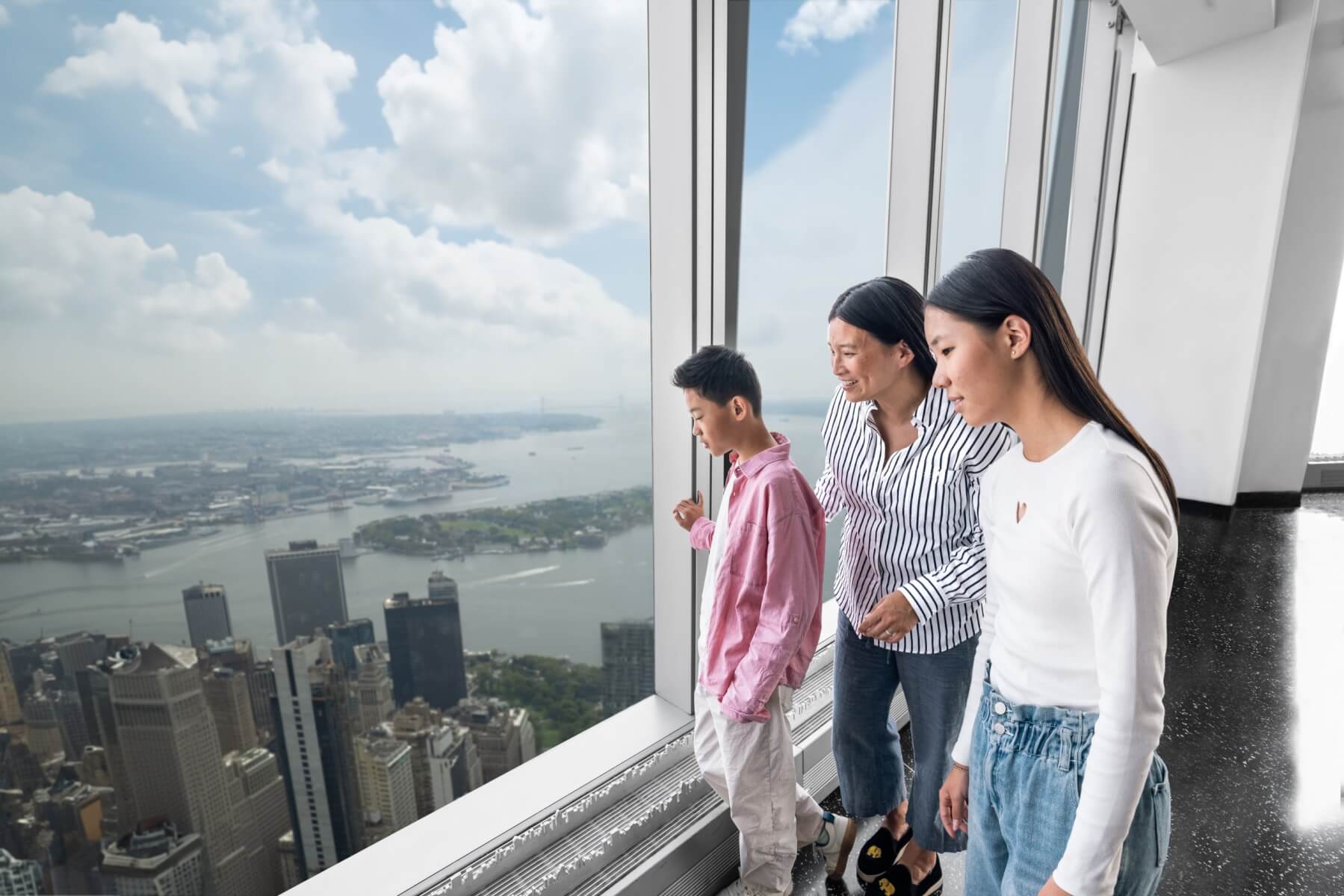
Families may appreciate that the site has a named Family Pack option, but the best fit still depends on the children’s ages, attention and comfort with heights. Couples or friends planning an evening can inspect the Late Night Package to check if the listed extras justify making it the anchor of a night. Visitors celebrating something may find the VIP Tour & Dine Experience more coherent than piecing together a tour and meal independently.
There is also a useful difference between brand promise and personal preference. The official copy can tell us what a package includes and how the experience is positioned. It cannot tell each visitor how comfortable the height will feel, what weather will bring, or how the stop will fit their day. Those are itinerary decisions, and being honest about them makes the recommendation more useful.
What is the honest limitation to keep in mind?
The observatory’s central attraction is visual, and visibility shapes the payoff. Package details for the Late Night Package and VIP Tour & Dine Experience are useful to review before choosing a time. An indoor setting offers shelter, but it cannot guarantee clear skies or the exact skyline conditions a visitor hopes for. Nor does the existence of several ticket packages mean every visitor needs an upgrade. If the core view and orientation are what you want, start by comparing basic access with the additions you would genuinely use.
Package information can also shift as the official site updates its offers. That is why we have kept this feature focused on the brand’s structure and named experiences, rather than quoting a price or treating a bundle’s extras as permanent. Check the current ticket page for the available dates, conditions, inclusions and entry guidance before you commit. That includes the latest Family Pack and Late Night Package information.
Our editorial view is that One World Observatory earns a place on a first-time visitor’s shortlist when a high-level introduction to downtown New York sounds useful and the stop fits naturally into the day. Its SkyPod-led arrival and ticket range give the brand a clearer identity than a bare viewing platform. The most compelling option depends on your plan: a family outing, evening timing or a hosted meal.

Ready to plan a downtown viewpoint stop?
We would recommend starting with the reason for going, then choosing the ticket that supports it. For a family outing, inspect the Family Pack; for an evening visit, read the Late Night Package terms; and for a more guided occasion, consider the VIP Tour & Dine Experience. Confirm live availability and exactly what is included before setting the rest of your itinerary.
The limitation is simple: a panoramic view is not equally rewarding in every weather or itinerary, and extra package elements only matter if you will use them. If those caveats suit your plans, the official ticket page is the right place to make the final comparison.