


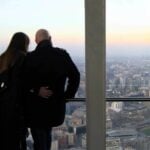


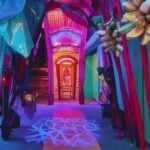



When a New York day is already packed, it is fair to ask whether an observatory visit offers more than a lift to a high window. One World Observatory builds its answer around the journey up, the city’s story and the view itself.
We have reviewed the brand’s official experience and ticket information to map how those pieces work together. The result is a place with a clear point of view: Lower Manhattan as both a living neighbourhood and a city seen from a remarkable height. The Late Night Package reflects how strongly the offer is built around timing.
For a first visit, the useful question is not only which ticket to choose. It is how much time and context you want around the panorama, and whether a meal or guided element belongs in your plan, from the VIP Tour & Dine Experience.
Disclosure: this post includes affiliate links, and we may be paid a commission on purchases made through them.
The short version: One World Observatory is a view-led attraction with a narrative route through the SkyPod elevator, exhibits and observation spaces. Standard admission centres the visit on the observatory, while the Family Pack, Late Night Package and VIP Tour & Dine Experience shape it for different kinds of days.
Why does the ascent belong to the story?
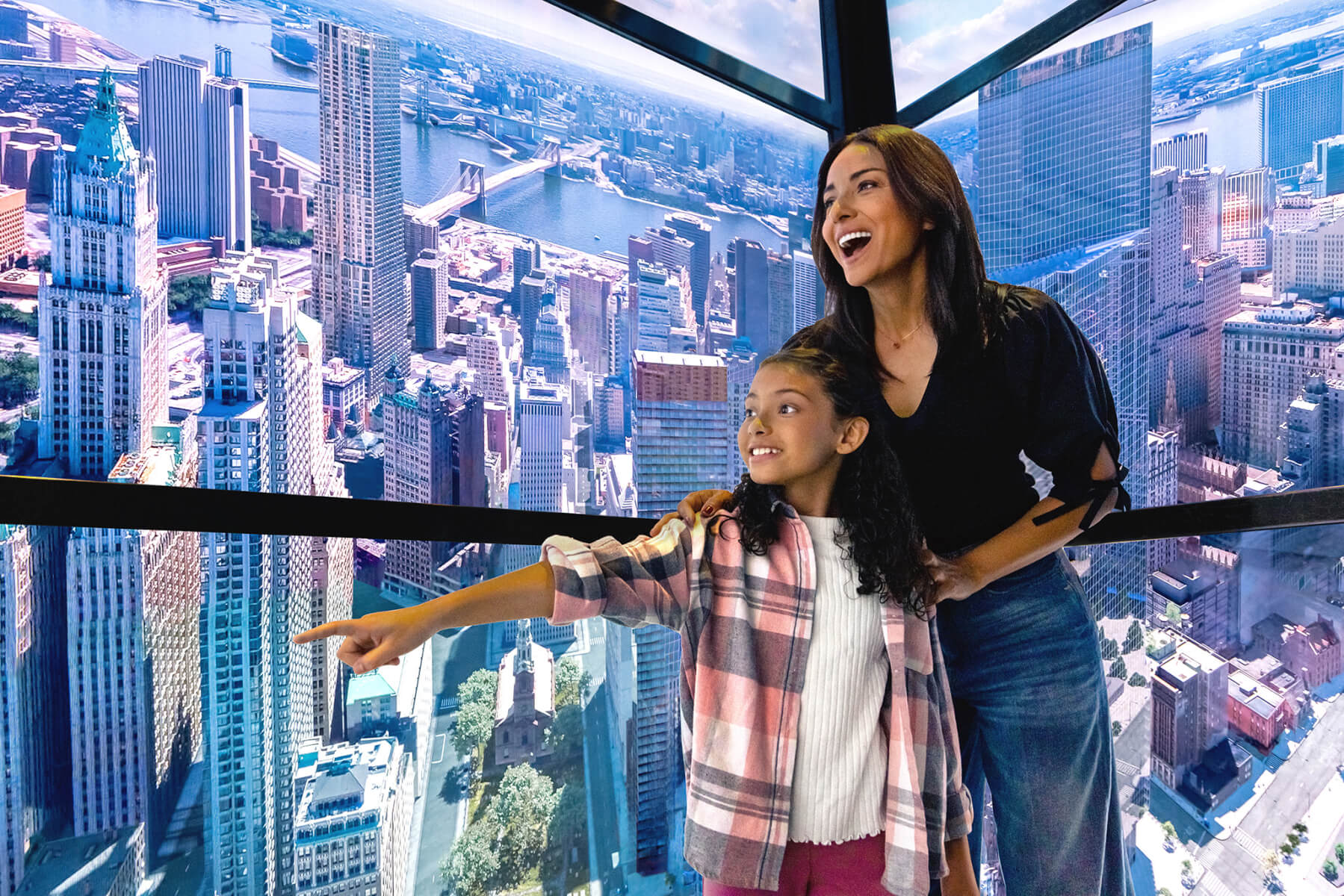
The observatory sits at One World Trade Center, and its identity leans into that location. Instead of treating the journey upward as a pause before the main event, the brand uses the SkyPod elevators to introduce New York’s development through a visual introduction. It gives the visit a beginning, which can help first-time visitors place the view in context and understand the city below.
That framing matters. A skyline is impressive on its own, but it becomes easier to read when you can connect the river edges, bridges and dense blocks below with the city’s changing shape. The official experience page also describes interactive exhibits and the City Pulse presentation, where guides share stories about landmarks and neighbourhoods. These details give the attraction an interpretive role as well as a scenic one.

- SkyPod makes the lift part of the narrative.
- City Pulse adds guide-led context to landmarks and local stories.
- The observation levels put the broad panorama at the centre.
This is a useful distinction for itinerary planning. If you want a quick, unstructured look at the city, the brand’s storytelling may feel like extra framing. If you enjoy learning how a place fits together, that sequence can make the visit feel more considered. The site’s Family Pack information and Late Night Package details sit on the same ticket page, but they do not replace the core journey through the observatory.
What does the ticket range say about the brand?
The official ticket menu is less about changing the view and more about adding convenience or company-specific details around it. Standard admission is the straightforward route to the central observatory experience. Higher tiers on the official page add elements such as priority entry, a more flexible arrival window, or credit for use on site. Check the current ticket page for what is included on your chosen date, because the site’s options and terms can change.
Three named offers make the range easier to understand. The Family Pack is presented for a family-oriented visit, so it is the option to inspect when your group fits its stated eligibility. We would not assume it includes additional child-focused programming unless the listing says so. Its value is practical: one place to check group fit and ticket conditions, rather than a separate attraction within the building.
The Late Night Package is organised around timing. It may suit visitors who want the observatory later in their day, especially when they would rather pair the view with a relaxed evening than squeeze it between daytime stops. The exact arrival window and inclusions need checking on the live listing; a package name alone cannot tell you how it fits your schedule.
The VIP Tour & Dine Experience is the clearest expression of the brand’s hosted side. Its ticket description includes escorted entry, a guided tour and dining. That makes it a better fit for visitors who want someone to connect the sights and who are happy to let the attraction occupy a larger part of the day. Compare the current itinerary and dining details with your own plans before deciding.
- Choose the core visit if views are the priority.
- Look at the Family Pack if your group matches its published conditions.
- Consider the Late Night Package when timing is the main decision.
- Read the VIP Tour & Dine details if guided context and a meal appeal.
Those distinctions reveal a brand that sells different rhythms of visit, not radically different observatories. In every case, the skyline remains the anchor. The extras matter when they solve a real planning preference rather than simply adding another thing to book.
How do exhibits, skyline and dining fit together?
The observatory’s range extends beyond the viewing floor. The official experience pages describe the SkyPod introduction, exhibit spaces and City Pulse, while the ticket listings place guided tours and dining alongside admission. For newcomers, this is the brand’s strongest editorial idea: a visit can move from a short introduction to a broad city view, then into a pause for food or conversation.
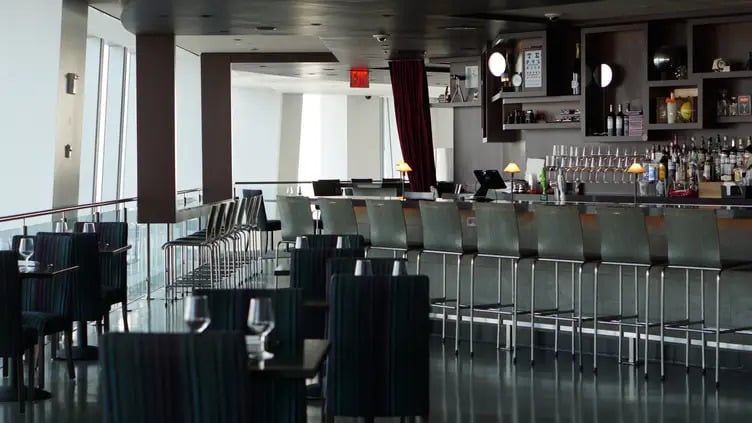
ONE Dine is the restaurant within the observatory, with the brand describing seasonal dishes and contemporary American cooking with global influences. Its dining offer means the visit can be planned as an occasion rather than a single viewpoint stop. The published menu and opening details are the right places to confirm what is currently served and when; menus and service times can change. The VIP Tour & Dine listing is worth checking if dining is part of the visit you want.

Food is not automatically a reason to choose a particular ticket. If you already have restaurant plans elsewhere in Lower Manhattan, the dining layer may be redundant. But if your day is built around one destination and you want to keep the view in the frame, VIP Tour & Dine is worth comparing with a separate restaurant reservation. The Late Night Package also belongs in that consideration when your preferred time is later.
There is a small but important planning point here: an observatory is weather-sensitive in the way any skyline experience is, even when the visit itself is indoors. Visibility can affect the panorama. Check the attraction’s current ticket information and forecast before committing a major itinerary slot, and avoid stacking the visit so tightly that a slower elevator or exhibit sequence becomes stressful.
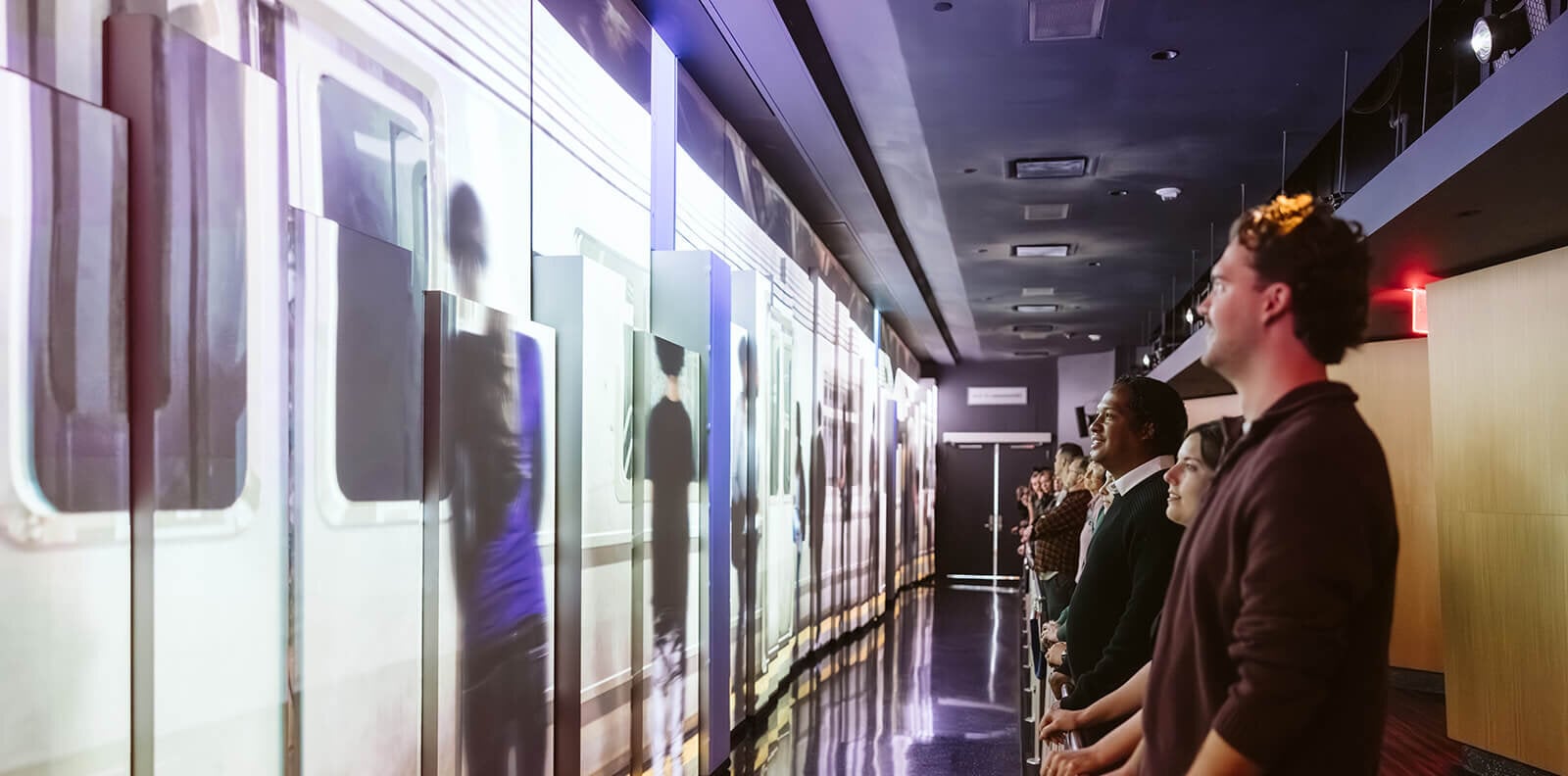
For a well-paced visit, we would give the experience enough breathing room to move between the presentation, interactive spaces and open views. Then decide whether dining belongs before or after. The official Family Pack can be checked alongside the basic ticket when travelling with relatives, while the guided VIP option makes more sense when interpretation is part of the point.
- Allow time to watch the SkyPod presentation rather than rushing straight through.
- Pick a ticket around the group and arrival schedule you actually have.
- Check dining menus and reservation details separately if a meal is central to the plan.
Who is likely to care about this kind of visit?
One World Observatory is an especially natural fit for a first New York trip, a visitor curious about Lower Manhattan, or anyone who enjoys seeing familiar landmarks from a new angle. Its Lower Manhattan location gives the experience a strong connection to the city’s financial district and waterfront. The brand is not simply selling height; it is presenting a particular way to read the city from above.
It can also suit people who like a structured attraction. The elevator presentation, exhibits and optional guided tour create a route through the experience. Visitors who prefer to wander freely, prioritise outdoor spaces or already have several skyline viewpoints planned may find less incremental value here. That is not a flaw so much as a question of itinerary balance. Visitors considering a family visit can check the Family Pack against the group’s needs.
For families, check the Family Pack’s current eligibility and compare it with individual admission. For evening planners, read the Late Night Package terms for its specific timing. For visitors who value explanation, the VIP guided and dining option spells out the hosted format. Those are three different questions, and the official page is where to resolve each one.
One honest limitation is that the experience depends heavily on visibility and on your appetite for a ticketed attraction. The city view is the headline, so hazy conditions can temper the payoff. The premium formats also make most sense when their additions match what you already want; a guided tour or meal is not inherently better for every traveller. Compare the VIP Tour & Dine inclusions with the simpler visit before deciding.
Ready to plan a One World Observatory visit?
We would put One World Observatory on the shortlist when you want both a high-level panorama and some context for the city below. Start with the standard visit as your reference point, then compare the Family Pack, Late Night Package and VIP Tour & Dine Experience against your group, timing and interest in a hosted visit.
Our recommendation is to choose the format that solves a real itinerary need, and to leave enough time to enjoy the exhibits as well as the view. The limitation is simple: no package can promise clear skies, and this is a less compelling stop if you only want a quick outdoor viewpoint. Check the live ticket page for availability and current inclusions before setting the day around it.