







Choosing home fitness equipment can feel less like picking a machine and more like deciding what kind of routine your home can actually hold.
That is a useful way into Merach. The UK store groups equipment around familiar movements – walking, running, rowing and cycling – with options ranging from compact pads to more involved machines with screens and training features. The range makes the brand worth understanding before narrowing down to one model.
A closer look at the thinking behind Merach’s home equipment, from compact walking pads to screen-led cardio and rowing.
We reviewed the UK product listings for this feature. Specifications and capabilities below are those stated by the brand, and availability can vary by listing.
Disclosure: this post includes affiliate links, and we may be paid a commission on purchases made through them.
The short version: Merach is a broad home-cardio brand whose catalogue is easiest to navigate by movement and room constraints. The NovaRow R50 Pro, T12B3 treadmill and S23B1 bike show three different routes into the range; the right one depends on the activity you will repeat and the space you can give it.
What does Merach bring together under one roof?
The UK catalogue is not built around one signature machine. Instead, Merach covers several ways to move indoors: walking pads and treadmills, rowing machines, upright and recumbent bikes, plus other fitness equipment. That breadth can be useful if a household has different preferences, although it also means a new shopper benefits from choosing a format before comparing individual features.
Three themes help make sense of the assortment. First, the site offers both compact and more substantial equipment, so living space is part of the decision. Second, some listings add a screen or connected training experience, while others keep the equipment more straightforward. Third, low-impact options sit alongside machines intended for more vigorous cardio. In practice, these are different needs rather than a simple ladder from basic to advanced.
- Walking: pads and folding treadmills for steady movement at home.
- Rowing: air or magnetic formats, with selected models adding a display.
- Cycling: indoor bikes and recumbent designs with different seating positions.
A broad catalogue is only helpful when it reduces friction. The W60 Plus and R50 Pro illustrate how differently a compact walking format and a full rowing stroke shape a home setup. For a first-time reader, the practical question is whether a machine matches the movement you already enjoy, not how many features appear in its product title. The brand’s range gives that reader several routes to compare, from the UltraWalk W60 Plus for walking to a rowing or cycling setup.
How do the machines express different training priorities?
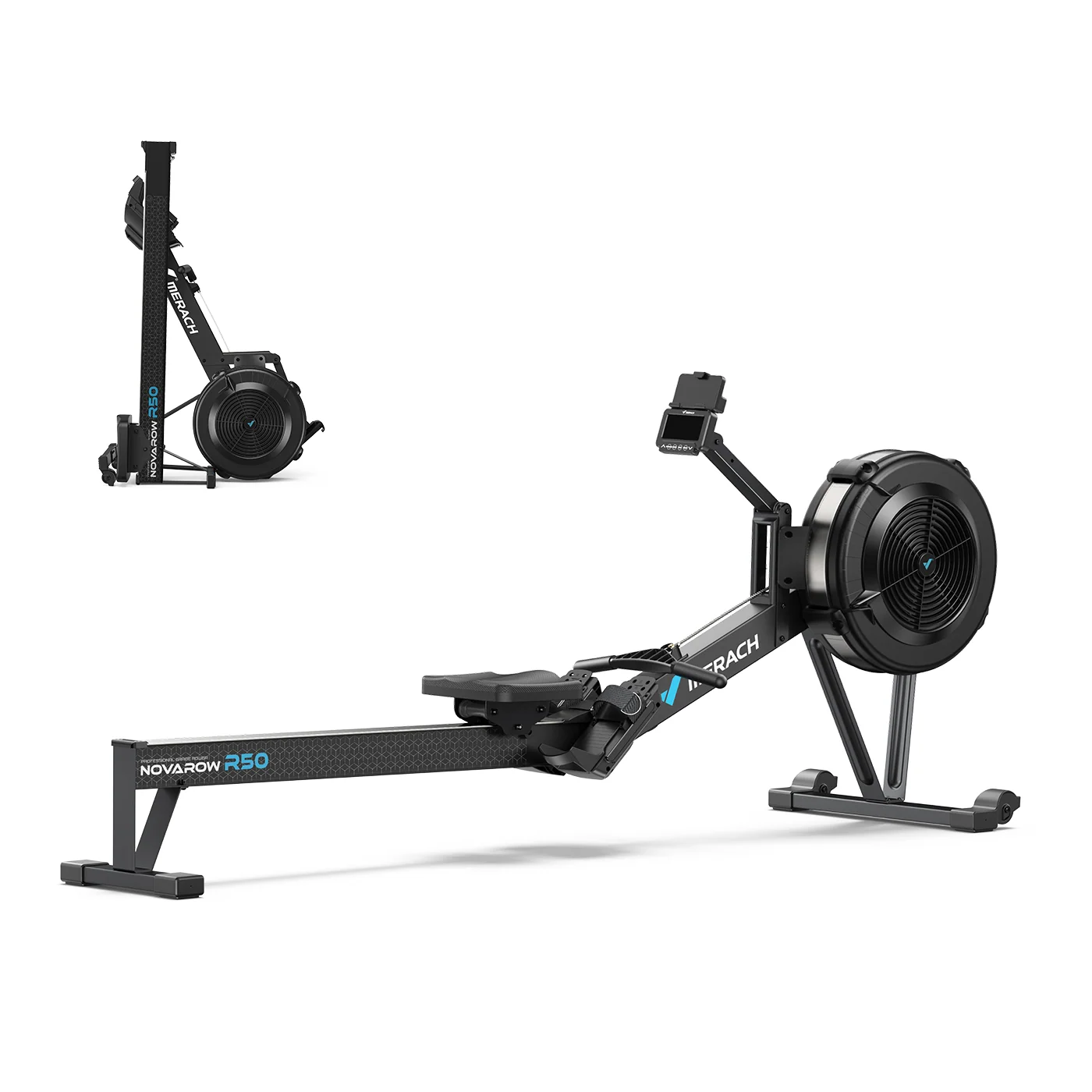
The NovaRow R50 Pro Air Rower is a useful example of a machine organised around a full-body cardio movement. Its UK listing describes ten air resistance levels, three workout modes and vertical storage. Air resistance tends to make the effort rise with the pace of the stroke, which gives the format a responsive character; the listing’s modes and storage detail speak to session variety and home placement. Readers should check the product page for the exact footprint and setup requirements before planning a spot for it.
That model makes sense as a way to understand Merach’s rowing offer, not as a universal recommendation. A rower asks for room to move through a stroke and a willingness to learn a coordinated action. If that sounds appealing, compare the R50 Pro with the screen-led Q3 Aura listing: the latter represents a more display-centred option in the rowing family.
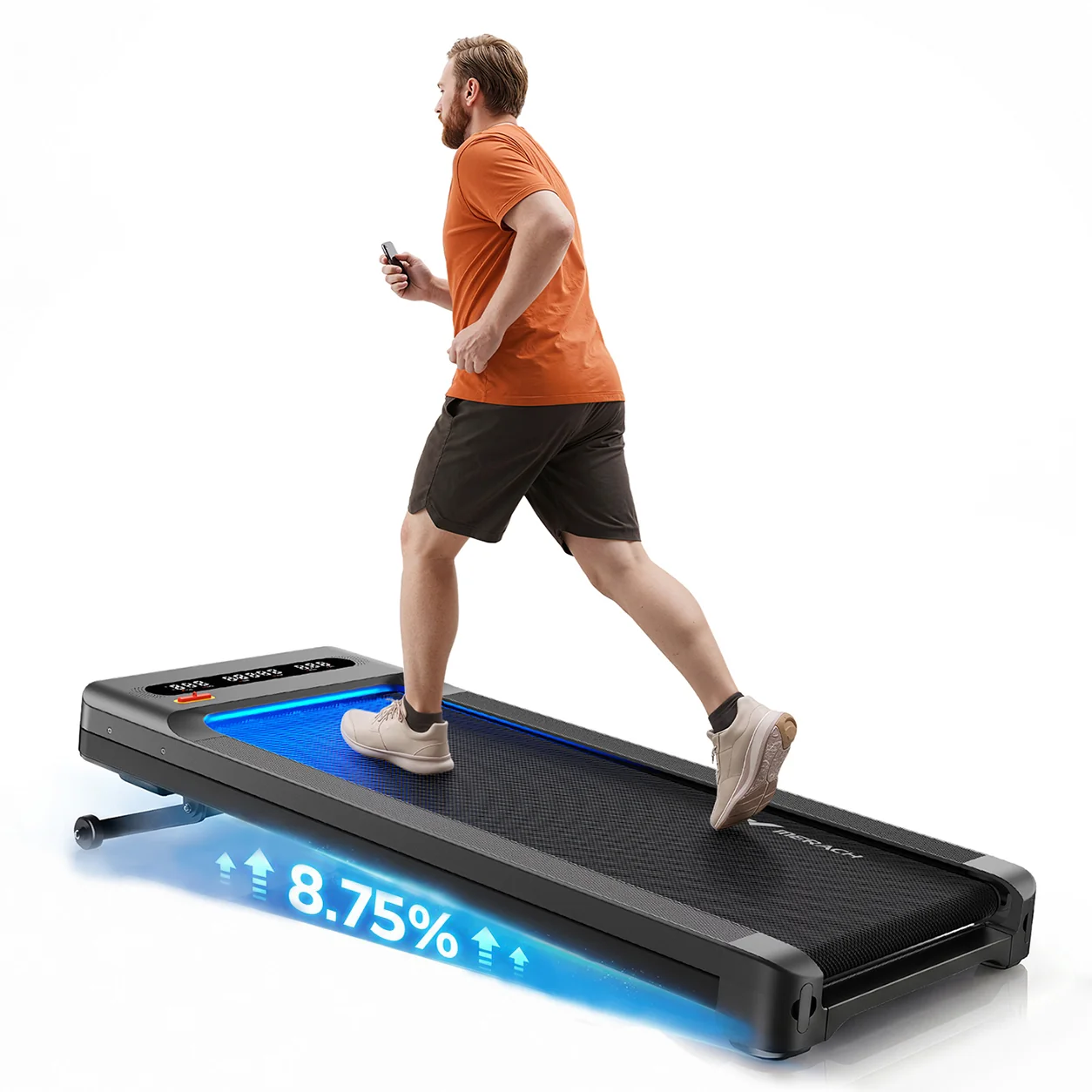
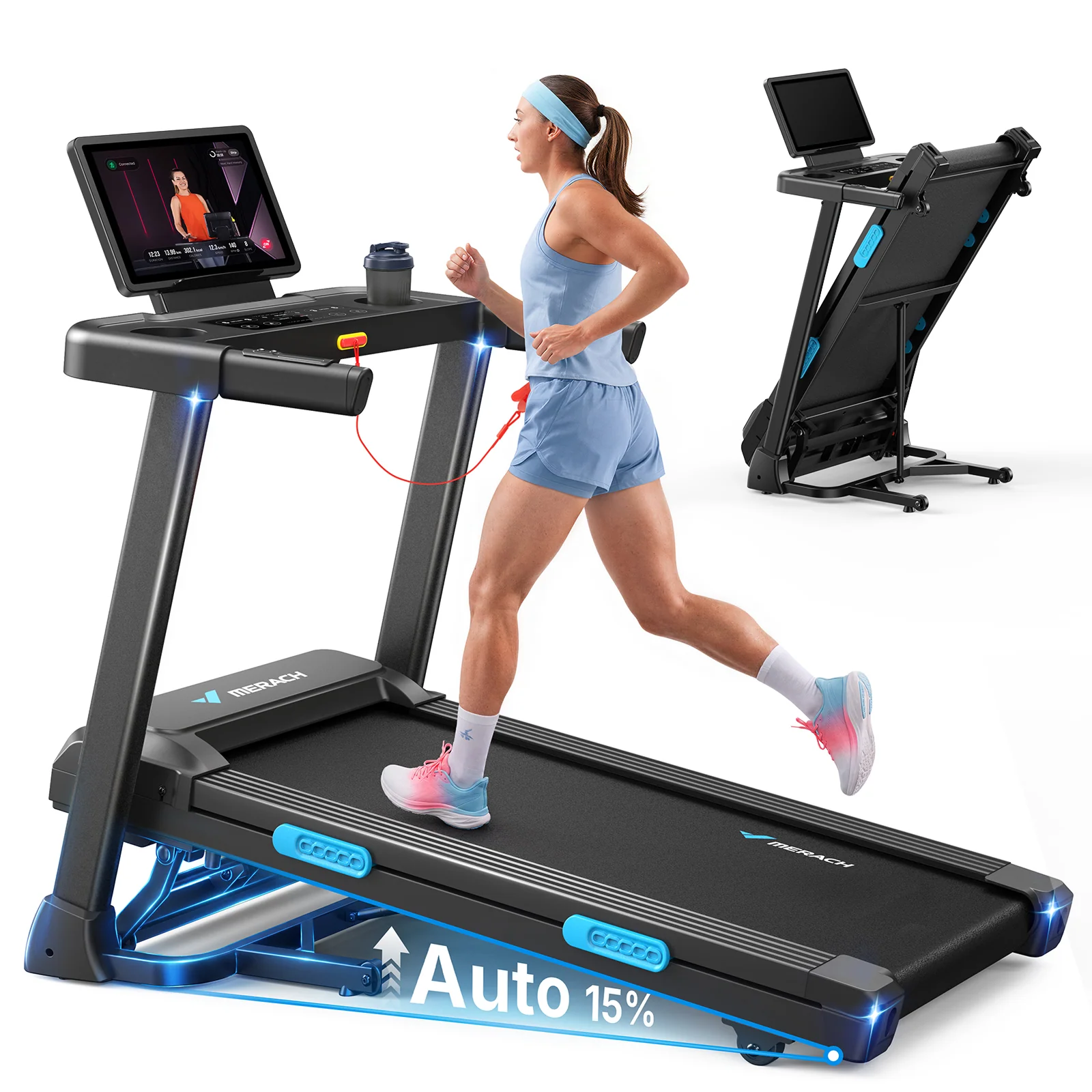
The T12B3 folding treadmill tells a different story. Its product information describes a reinforced steel frame, a cushioned deck, automatic incline and a choice of display configurations. This is a more walking-and-running focused route, with the folding design relevant to households that need to reclaim floor space after a session. The specification is promising context, but folding does not remove the need to check the machine’s dimensions, weight and clearance.
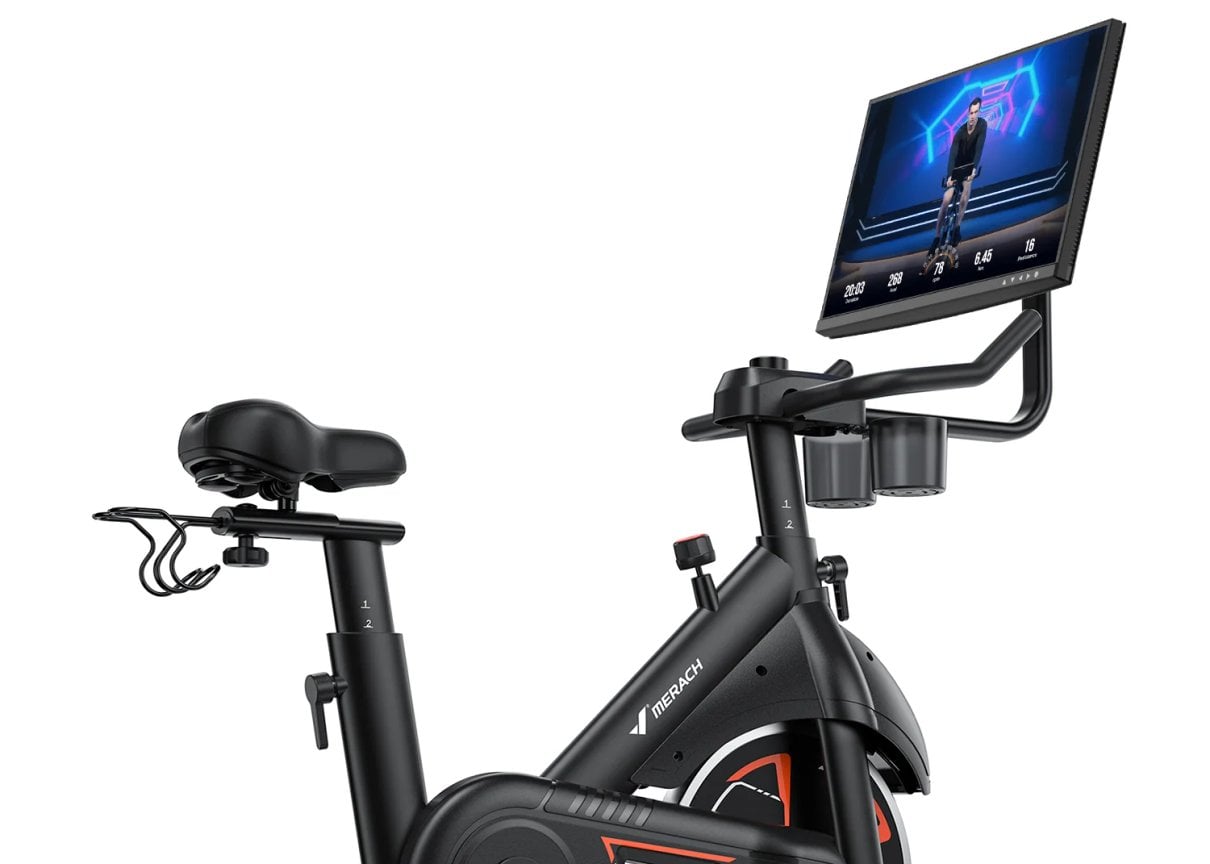
For readers seeking a gentler seated option, the S23B1 recumbent bike is listed with adjustable seating, resistance bands and eight resistance levels. The reclined position and back support are central to its appeal, while the bands add another movement element. Those details may suit someone who values a supported cycling posture, though comfort is individual and should be judged against the stated fit range.
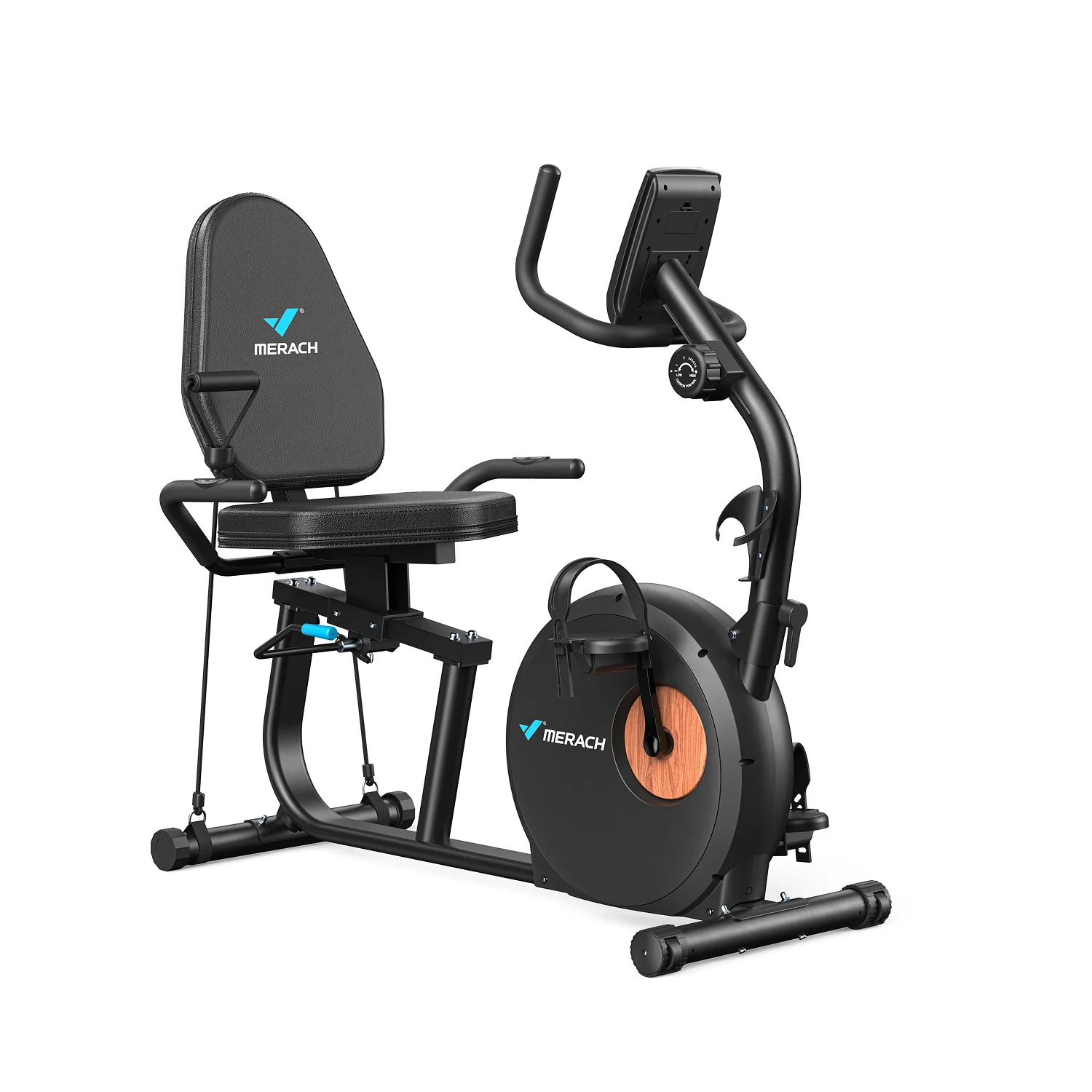
In other words, the range is better read as a set of distinct training choices than as a row of competing gadgets. If you prefer a desk-adjacent walk, explore the UltraWalk W60 Plus; for a compact folding run-and-walk machine, the T12B3 has the more relevant brief. Interested in a supported seat? The S23B1 is the specific recumbent listing to inspect.
What does the UK range suggest about the brand’s priorities?
Looking across the product information, space-conscious home use is a recurring consideration. Vertical storage appears on the R50 Pro, while the T12B3 is described as foldable and the UltraWalk line centres on walking pads. Those choices do not make every machine small or effortless to move, but they show the catalogue addressing the reality that home exercise competes with ordinary living space. Check the W60 Plus and T12B3 treadmill dimensions in particular if storage matters.
A second priority is giving buyers a choice in how much technology they want. Selected machines include display-led training, while other listings foreground resistance, movement or compactness. For a first purchase, this distinction matters: a screen can be useful if guided sessions help sustain attention, but it can also be an unnecessary feature if you prefer a simple routine and your own entertainment.
When evaluating any model, we suggest checking these points on its live UK page:
- Room and storage: compare the assembled footprint with the space needed to use it, then check storage dimensions.
- Training style: decide whether you want walking, running, rowing or seated cycling before weighing screens and modes.
- Fit details: confirm user height or weight guidance, adjustability and any comfort features relevant to you.
- Ownership basics: review delivery, assembly, warranty and return information on the store listing.
That last check matters because product features alone do not answer the everyday questions: will delivery work for your home, can you assemble it where it will live, and what support applies if a part needs attention? We do not infer those terms across the catalogue; they should be confirmed on the relevant UK product page before choosing.
Which details deserve a closer look before choosing?
Start with the habit you want the machine to support. A treadmill is intuitive for many people but can be noisy and needs a clear running area. A rower has a compact storage proposition on some models but requires full-stroke space while in use. A recumbent bike can feel more supported, yet its larger seat and frame still need a home. Matching equipment to the room and intended routine is more useful than collecting headline specifications.
Next, separate core features from attractive extras. On the R50 Pro, the resistance levels and storage description relate directly to how the machine is used and kept. On the T12B3, incline, cushioning and display choice shape the walking or running experience. On the S23B1, adjustable seating and the bands are central to the format. Check the live listing for what is included and how each feature is described; product names and configurations can change.
We would also compare the machine’s requirements with the people who will use it. Note the adjustment range, maximum user guidance and any access limitations shown. If two people have very different needs, a versatile label alone does not guarantee a fit. The T12B3 deserves a look for walking and running, while the S23B1 supports seated cycling. The better shortlist is usually small: one or two machines that match the preferred movement, the available room and the level of guidance wanted. The S23B1 is one candidate for supported cycling; the R50 Pro is one for rowing.
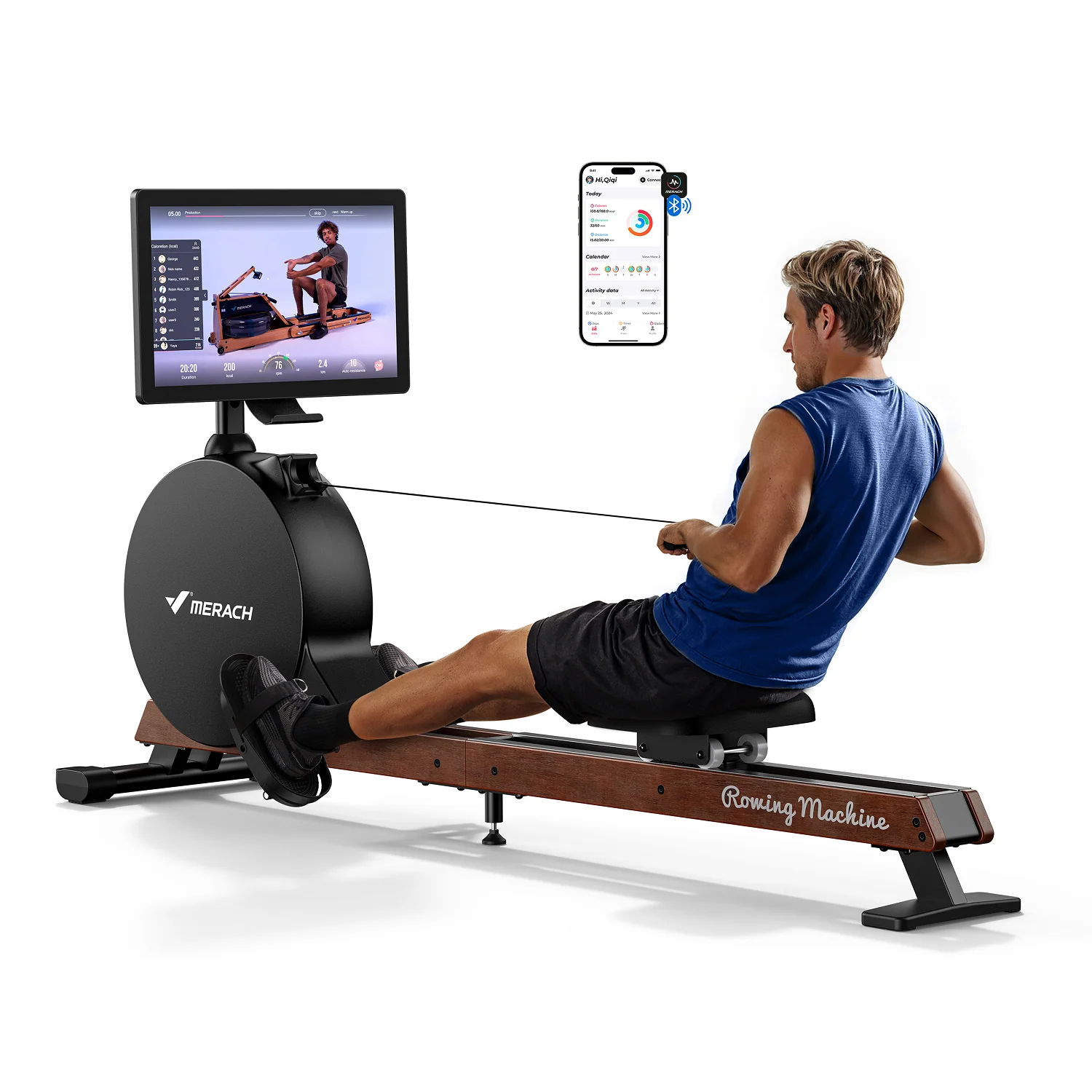
For readers weighing the rowing family, the NovaRow R50 Pro is a clear example of an air-resistance model with vertical storage, while the Q3 Aura listing signals the screen-led end. We would compare the footprint and training interface on their live pages, then decide whether the screen is likely to add value to your own sessions.
- Choose a format you are likely to return to regularly.
- Measure both the working area and the storage position.
- Read delivery, warranty and returns information on the exact listing.
Ready to explore Merach’s UK range?
Merach is worth a closer look for readers who want several home-cardio formats in one UK catalogue, particularly if compact storage, screen options or supported cycling posture are part of the brief. The R50 Pro, T12B3 and S23B1 show how different the range can be, so we would start with the movement that feels most sustainable and check the model-specific details from there. Readers focused on walking can also inspect the W60 Plus listing.
The honest limitation is that the breadth can make the first choice feel less obvious, and a product page cannot tell you whether a machine will fit your home or routine. Confirm the dimensions, terms and current configuration on the UK store before deciding.