







Planning France can start with a simple question: do you need a crossing, a way onward without a car, or help shaping the stay as well?
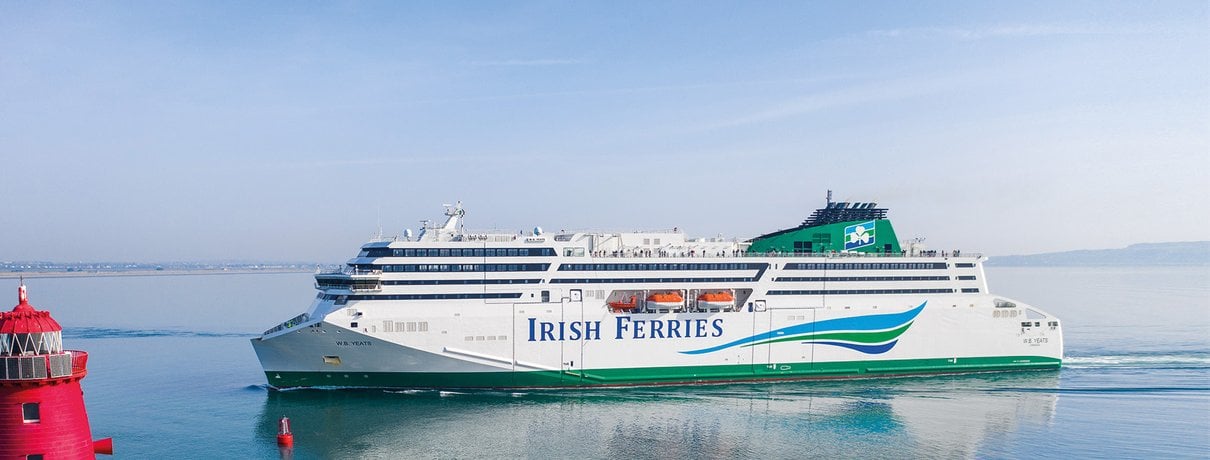
Irish Ferries presents options across those parts of a trip on its UK France pages. Looking at the range as a connected set of choices makes it easier to see where the brand may fit, and where you still need to plan the details yourself.
This guide draws on the information on the brand’s UK regional pages. It is an introduction to the offer, not a report of personal travel.
Disclosure: this post includes affiliate links, and we may be paid a commission on purchases made through them.
The short version: Irish Ferries is relevant to readers planning a France trip who want to compare ferry routes with rail and stay options in one place. Its range includes Dover-Calais and Dublin-Cherbourg crossings, Sail & Rail, Eurocamp parks and theme-park holidays; the best fit depends on your starting point and onward itinerary.
How does Irish Ferries connect the parts of a France trip?
The UK site frames the brand as more than a ship operator. A crossing can be the core booking, while related pages introduce rail connections and accommodation-led packages. That structure is useful for first-time readers because it gives a starting point for comparing the shape of a holiday, even if every part still needs a separate look.
The clearest distinction is between routes. Dover-Calais is the direct starting point for many travellers already in southern England or arriving by road. Dublin-Cherbourg makes more sense for someone whose itinerary begins in Ireland or whose plans make the longer Normandy arrival worthwhile. These are not interchangeable: departure location, drive time and the first night of the trip all affect the decision. Compare the Sail & Rail details with the France holiday pages once you know your starting point.

For a car-free trip, Sail & Rail to France is the most distinctive part of the range. The product page combines a ferry journey with rail travel, giving travellers a route to compare when they do not want to drive for the whole trip. Check the current itinerary details and connections before choosing dates, as the precise journey depends on the route and rail leg.
- Start with your origin: identify the port that makes sense from home.
- Map the arrival: consider how far your first stop is from the port.
- Choose your onward mode: car flexibility and rail convenience solve different problems.
- Then add a stay: compare holiday options only after the route is plausible.
The brand’s France pages also make this planning sequence visible through route information and trip options. A practical advantage is having those ideas close together; a limitation is that readers still need to reconcile schedules, accommodation availability and their own travel dates.
What does Sail & Rail add for a car-free itinerary?
Sail & Rail to France broadens the audience beyond drivers. It can be a sensible comparison for a traveller who is comfortable coordinating a ferry departure with rail travel after arrival, especially when the destination is better reached by train than by car.
There is an important planning trade-off. The combined concept can simplify the search, but it does not remove the need to check each leg. Allow time for transfers, confirm which station and port are involved, and consider what happens if your train and sailing do not line up neatly. Travellers carrying bulky luggage or moving between several rural stops may still prefer a car-based plan. It is useful to compare Sail & Rail against a park-based itinerary before settling on a route.
For a first visit, we would treat this as a route format to investigate rather than assume it is automatically the easiest choice. Look at your first destination, then work backwards to the best arrival point. If the train leg gets you close to the places you want to see, the option deserves a closer look; if your plans centre on countryside stays, compare the practicalities of a vehicle.
How do the French stay options change the offer?
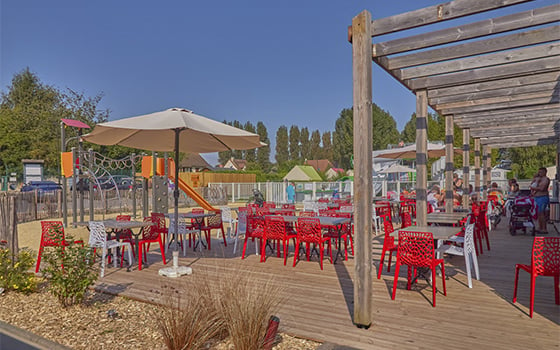
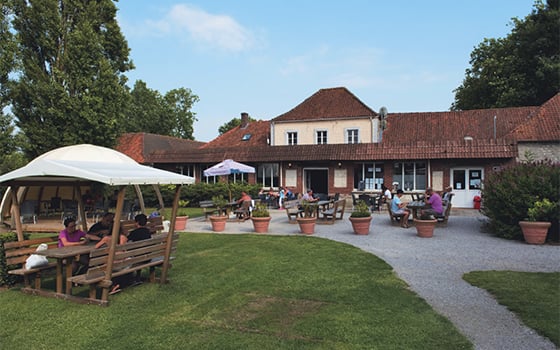
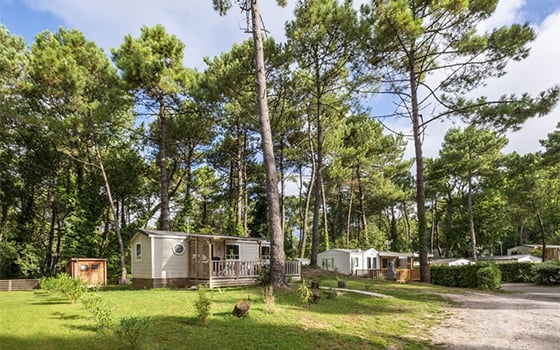
The range extends from transport into holiday stays. Eurocamp Holiday Parks gives families and groups a way to browse campsite-style accommodation alongside facilities and activities. The site features destinations such as Domaine de Drancourt and Riva Bella, with different settings and facilities rather than one standard stay.

When comparing parks, focus on location and the facilities your group will actually use. A pool or activity programme may be useful for a longer family stay; proximity to a town, beach or onward route may matter more for a touring holiday. Browse Eurocamp park options alongside Parc Astérix stays if you are weighing a destination-led break. Accommodation type and dates affect suitability, so read the details on the individual listing before deciding.
The site also lists Parc Astérix holidays and Disneyland Paris holidays. Those options suit a very different trip: the attraction is the centrepiece, and the stay is planned around park access and days out. They are worth considering when the theme park is already the reason for travelling, rather than as generic accommodation choices. The Parc Astérix holiday page and Disneyland Paris listing let readers compare those stay formats.
- For a flexible road trip: compare route access and the distance between stops.
- For a longer family stay: look at the park facilities and accommodation format.
- For an attraction break: check what the holiday listing includes and how the stay connects to the park.
These offerings show the breadth of Irish Ferries, but they also mean that the brand name alone cannot tell you which package is right. The useful comparison is between the specific route, stay and trip structure, with the current details checked on each relevant page.
What should first-time readers compare before choosing?
A straightforward way to navigate the range is to begin with constraints instead of browsing every option. Ask where you are starting, whether you need a vehicle, and whether the holiday is mainly about reaching France or staying at a particular destination. Then check the current pages for the details that can change the decision.
- Port and route: compare departure locations against your home journey and first destination.
- Travel style: decide whether driving, rail or a mix suits your group.
- Stay type: distinguish a touring base from a park holiday or theme-park break.
- Trip logistics: review schedules, transfers, accommodation details and availability together.
Cost is shaped by the route, travel dates, accommodation type, length of stay and any extras selected. We are not quoting amounts here because they can change; use the regional pages to check current options for your dates. Review crossing and rail details as well as accommodation choices before you plan around a specific option. Keep an eye on what is included in each listing, since a headline trip concept can contain different components.
Another point to remember is that a broad range does not guarantee a seamless one-click itinerary. A ferry, a train and a stay may each involve decisions or separate availability. That is manageable for a traveller who likes planning, but it may feel less simple if you expect every transfer and detail to be fixed automatically.
Where does the range have the most value?
The strongest case is for travellers who want a single starting point to explore the ferry crossing and adjacent France ideas. Drivers can compare routes and stays, while car-free travellers have a named Sail & Rail option to investigate. Families can browse park and theme-park holidays without leaving the regional travel context.
The less compelling case is a traveller who already has a fixed route and accommodation, and only needs an isolated transport booking. They may not need the breadth of holiday pages. Likewise, anyone looking for a fully planned rail itinerary should confirm how much coordination remains between the ferry and onward train legs.
For readers new to the brand, the practical takeaway is to use the site as a planning map, not as a substitute for checking the details. Its range helps surface possibilities, but your origin, dates and preferred pace should determine which ones make the shortlist.
Ready to explore an Irish Ferries France trip?
We would start with the departure route, then decide whether rail or a vehicle suits the onward journey. Add Eurocamp or a theme-park stay only when it supports the trip you actually want to take. That order keeps the broad choice manageable and makes the comparisons more relevant.
The honest limitation is that a wide range still leaves itinerary work to the traveller: timings, transfers, availability and stay details need checking together. If that planning suits you, Irish Ferries offers a useful set of France travel starting points across crossings, rail and stays.