









Some stage shows begin with a familiar story; the question is what the theatre adds to it. With Matilda, The Musical, the appeal is the collision of a sharp child’s point of view, a big ensemble world and songs that give the story a new rhythm.
For a first-time reader, it helps to see the production as more than a book adaptation. Its creative credits, London home and official performance formats each tell you something about how the brand presents the show. We have drawn the details below from the official UK production pages, rather than from a visit or a performance test.
The useful starting point is the combination of Roald Dahl’s story, a book by Dennis Kelly and original songs by Tim Minchin, presented by the Royal Shakespeare Company. That gives the production a clear identity while leaving practical questions about the right performance format for each audience.
Disclosure: this post includes affiliate links, and we may be paid a commission on purchases made through them.
The short version: Matilda, The Musical brings Dahl’s story into a large-scale London musical shaped by Kelly’s book and Minchin’s songs. Its official site also lists several assisted performance formats, so a newcomer can explore both the production’s creative identity and the kind of visit that may suit their group.
What gives the production its point of view?
At the centre is a child who notices the absurdity around her and refuses to accept that adults are always right. That perspective gives the story its comic tension and its emotional stakes. On stage, an ensemble can make that world feel busy and public, while Matilda’s individual perspective remains the thread a newcomer can follow.
The official production positions itself as a Royal Shakespeare Company musical inspired by Dahl. That context matters: it signals an established theatre-maker’s interpretation of a known children’s story, rather than a new screen spin-off or a touring tribute. Readers can check the official production page for Matilda for the current presentation and performance information.
There is also a useful difference between familiarity and accessibility. Many people may know the title or its characters already, but the stage version has its own creative structure and live-performance conventions. A first-time visitor can use the Relaxed Performance details as one way to understand how the production communicates options for audiences who prefer a more relaxed auditorium atmosphere.
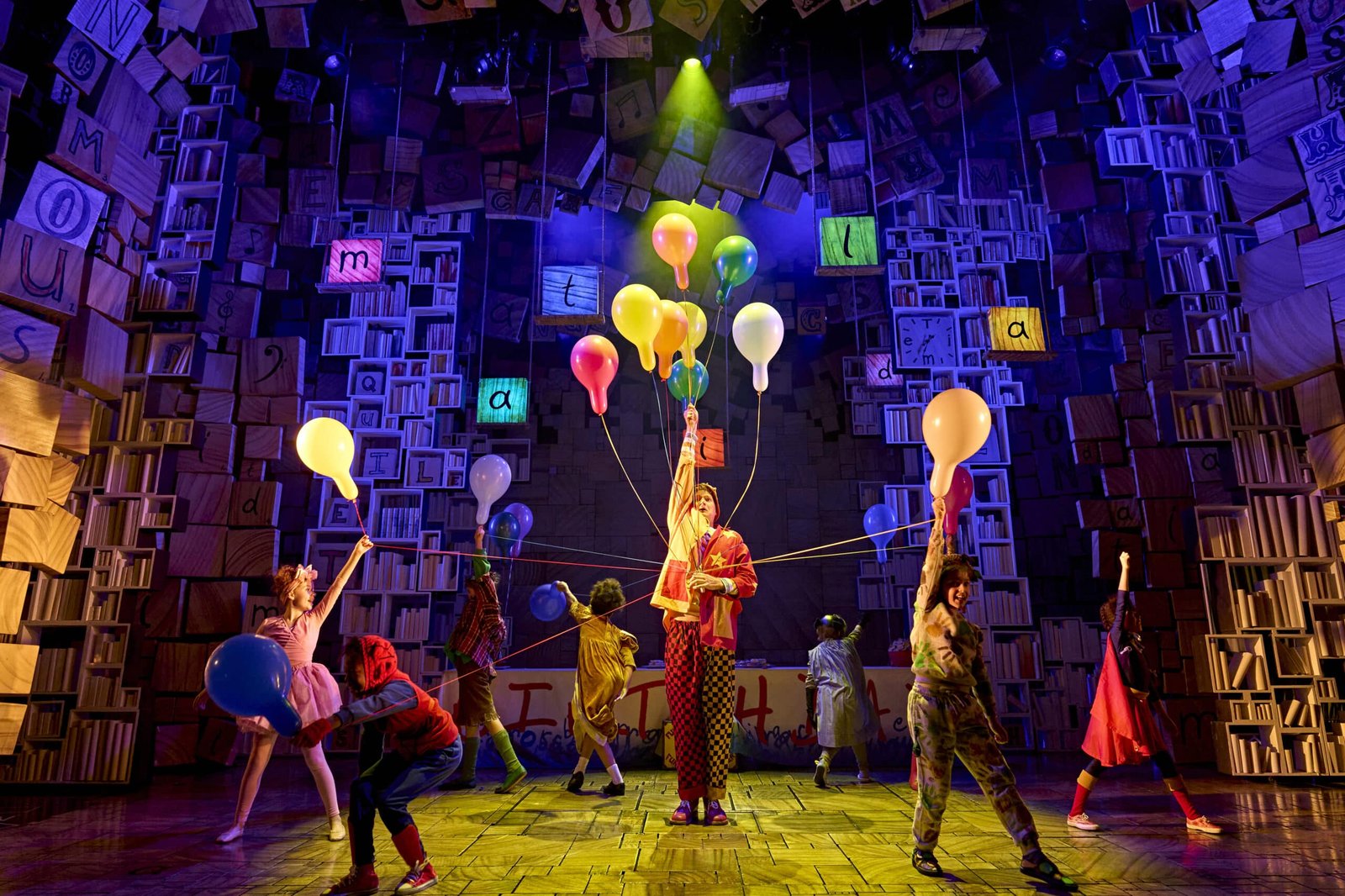
The official pages make the production’s lineage unusually legible: a recognised source story, a named theatre company and clearly credited writers. The Matilda production listing is where readers can check the show’s current framing. That is helpful for families deciding whether the show feels like a good shared introduction to theatre, and for adults who want to understand what sits behind the title before choosing a date.
How do the book and songs shape its identity?
Dennis Kelly is credited with the book, while Tim Minchin wrote the original songs. Those roles are worth separating. The book carries the story’s sequence and dialogue into the stage form; the songs add another channel for character, pace and feeling. Together, they give the musical a distinct identity instead of simply illustrating a familiar plot.
For people encountering the show for the first time, songwriting credits are a practical clue about tone. A musical’s songs are not just pauses between scenes: they can establish a character’s attitude, turn a group into a chorus and make a scene’s argument easier to follow. Readers can revisit the official Matilda show information alongside those credits. The official site’s production information is the sensible place to confirm the current creative credits, and its Matilda show overview gives readers a route into the wider production context.
We would avoid promising that every audience member will respond to the same element. Some will be drawn first to Dahl’s story; others may come for the live music or the scale of the staging. That variety is part of the brand’s usefulness: it offers several ways into one production rather than asking newcomers to arrive with specialist theatre knowledge. The official Matilda page keeps the broader context close at hand.

- Start with the story if a familiar narrative helps your group settle into a show.
- Look at the creative credits if the writers and musical style matter to your choice.
- Check performance formats if access arrangements are part of planning.
Which official performance options are listed?
The UK site sets out a range of assisted performances. They are not different productions with different stories; they are options for considering how the visit is presented. That distinction is useful when the main question is not simply “what is the show?” but “which date and format should we explore?”
The Relaxed Performance is described by the production as offering a more relaxed auditorium atmosphere, with possible production adjustments and touch tours. The details can vary by performance, so read the official description rather than assuming each date includes every element. The Relaxed Performance page for Matilda is the direct starting point.
A Chilled Performance is also listed. Its title makes it sound approachable, but the label alone does not explain the arrangements, availability or suitability for a particular visitor. Read the Matilda The Musical Chilled Performance page for its stated information. We recommend checking the production’s own page before deciding. The Chilled Performance information can help a group compare the official description with their needs.
For audiences who benefit from captions, the production lists a Captioned Performance. The key detail is simply that this is a separately identified performance option; check the date information and the venue’s current notes before making plans. The Matilda The Musical Captioned Performance page is the direct reference. The Captioned Performance details are more useful than relying on an old listing or an assumed schedule.
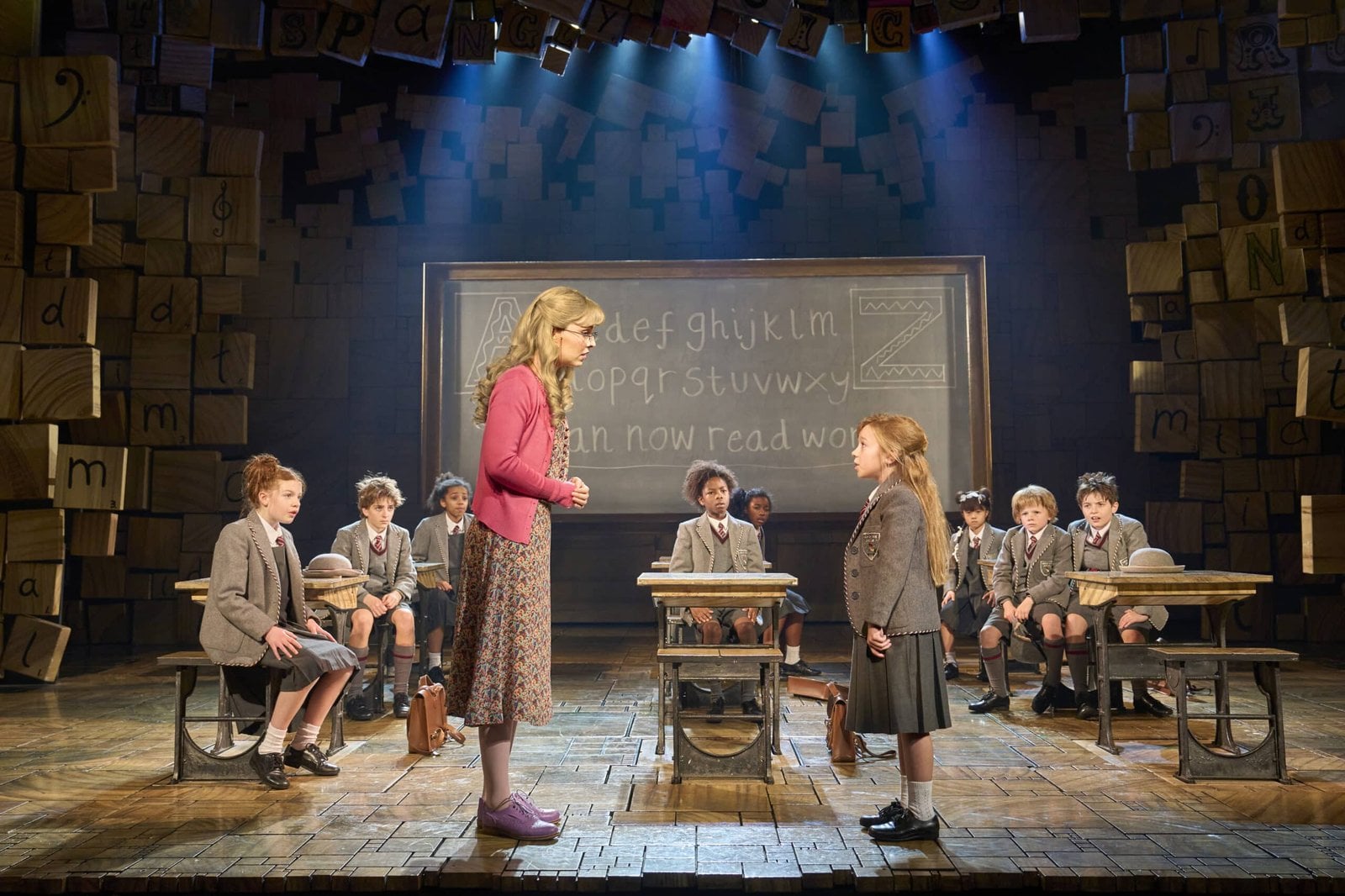
These options make the brand’s official site more than a ticket destination. It also functions as a planning resource, with information intended to help audiences choose how to attend. Readers can browse the official Matilda performance options and then check the relevant page for the format they have in mind.
- Choose the performance format that best matches your group’s preferences.
- Open the official page for that format and review its description.
- Check the selected date and venue information before completing a booking.
What can the London setting add to the visit?
The production names the Cambridge Theatre in Seven Dials as its London home. For a first-time theatre visitor, a named venue gives the show a concrete setting: planning can include the journey, the surrounding area and how much time to leave before curtain-up. The official ticket and venue information should remain the final reference for current arrangements.
That location also frames the show as a West End theatre experience, rather than a general touring event. A day out can be built around the performance, but the useful planning decisions are ordinary ones: who is coming, which format suits them, what travel buffer feels comfortable and what the venue says about the chosen date. The official Matilda London listing is a practical starting point for those checks.
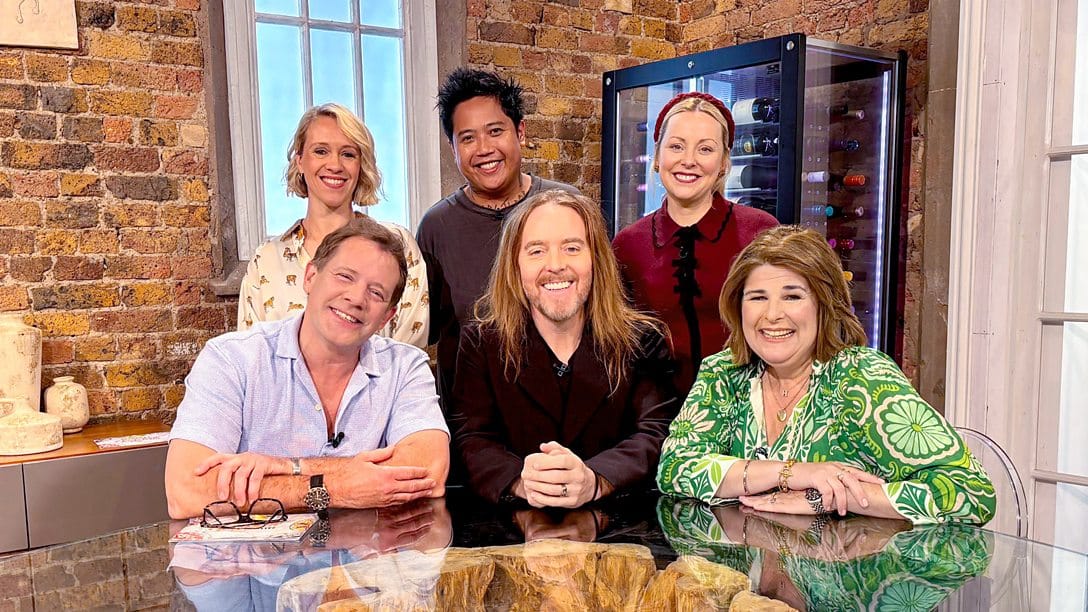
There is a broader brand story here too. A stage musical can keep a well-known narrative in circulation while giving it a live ensemble and a shared audience setting. The production’s own pages let readers move between the show itself and its visitor information, which is particularly useful when different members of a group are approaching it for different reasons. Keep the official Matilda information as the reference for those details.
Who is likely to connect with this brand?
Families and younger readers may arrive through the source story, while theatre regulars may pay attention to the RSC context or the creative team. Adults who know Dahl’s work can compare their memory of the book with the choices made for a musical. None of those routes is required; each is simply a different entry point.
The official range is also relevant to audiences who want to research the practical side before committing to a date. A Relaxed, Chilled or Captioned performance may be worth investigating according to the production’s description and an individual visitor’s needs. Browse the Relaxed Performance details, the Chilled Performance details and the Captioned Performance details. The official pages do not replace a direct conversation with the venue if someone needs a specific access answer, so that extra check can be sensible.
- For story-led visitors: begin with the Dahl connection and the stage adaptation.
- For music-led visitors: look at the Tim Minchin songwriting credit and current show information.
- For access-led planning: read the format page and confirm date-specific details with the venue.
We see the strongest reason to care in the combination: a recognisable story, a named creative team and practical official information in one place. There is enough context for a curious newcomer to decide whether the production sounds appealing, without pretending that an editorial overview can tell you exactly how you will feel in the auditorium.

Ready to explore Matilda’s official options?
If Dahl’s story, the creative credits or the assisted performance choices have caught your attention, start with the official UK production pages and compare the information with your group’s plans. We recommend checking the exact performance format and date directly before making arrangements, especially where a particular access provision matters.
The limitation is that a brand overview cannot replace date-specific venue guidance, and descriptions may not answer every individual access question. For a first look, though, Matilda, The Musical has a clear creative identity and a useful official route from story context to performance planning. You can return to the official Matilda performance listing when ready to review dates.