






The Brands That Caught My Eye This Season
I’ve spent the better part of this year digging through collections, scrolling endless lookbooks, and – honestly – falling down more fashion rabbit holes than I care to admit. But that’s kind of the point, isn’t it? When you run multiple fashion blogs, staying ahead of what’s interesting means being genuinely obsessed with what’s new, bold, and worth talking about.
This piece is different from my usual reviews. No affiliate links, no sales pitch. Just me sharing the brands and trends I’ve been featuring lately across my blogs – and why they caught my attention in the first place.
Two themes dominated my recent content: the unstoppable rise of quiet luxury and the fascinating mutation of streetwear into something entirely new. These two movements might seem worlds apart, but as I’ve written about them more, I’ve realized they’re two sides of the same cultural coin. Let’s get into it.
Part One: Quiet Luxury Is Louder Than You Think
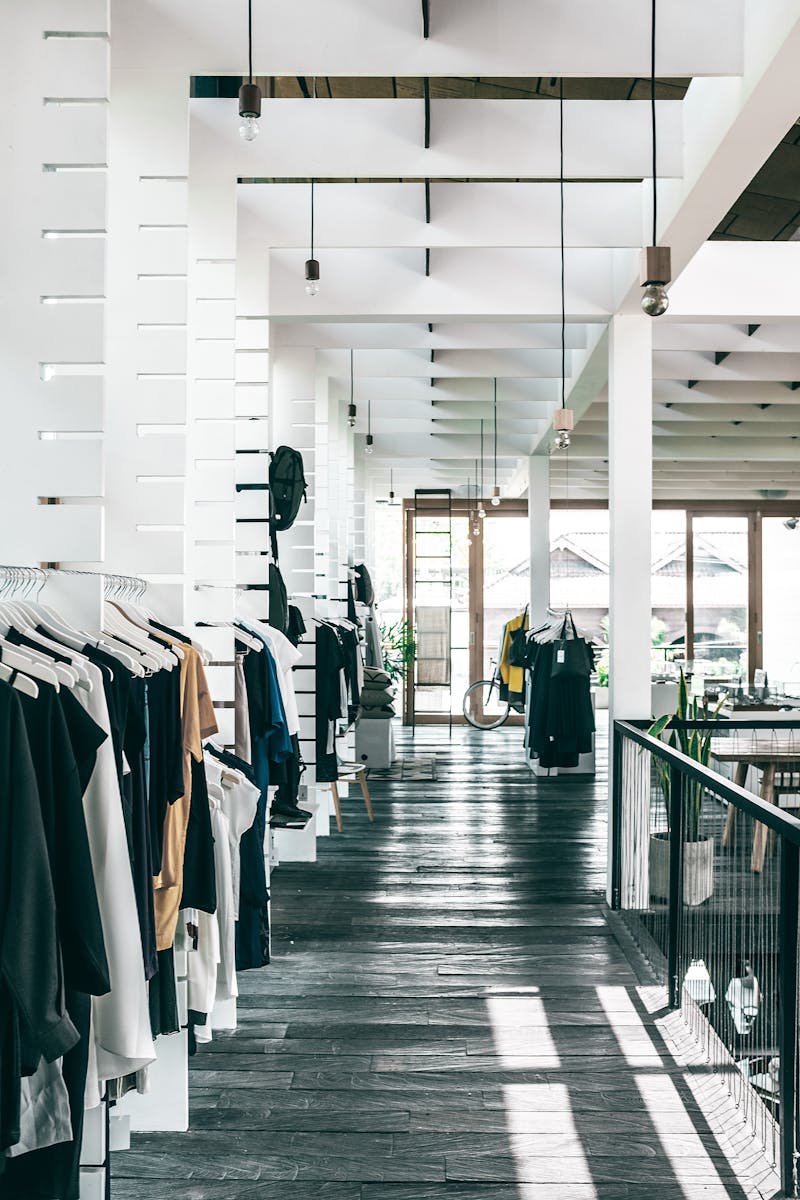
There’s a certain irony in the phrase “quiet luxury.” It’s been the loudest conversation in fashion for the past two years, and heading into 2026, it shows zero signs of fading. If anything, it’s evolving – getting sharper, more intentional, and surprisingly more accessible.
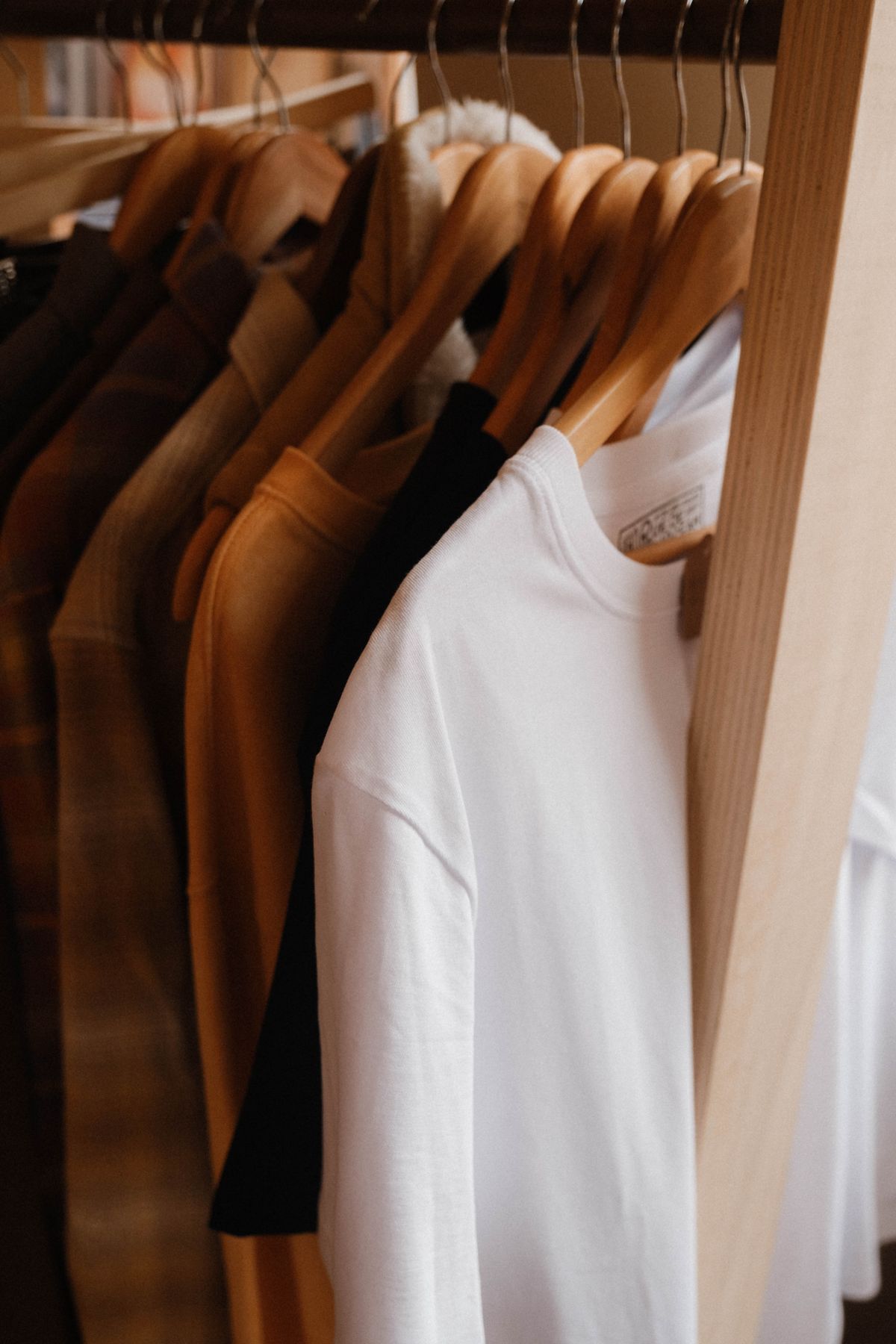
When I first started covering this trend on my blogs, the conversation was dominated by names like The Row, Brunello Cucinelli, and Loro Piana. Brands that whisper rather than shout. But here’s what’s interesting now: the quiet luxury ethos has trickled into mid-range and emerging brands in ways that feel genuine, not derivative.
The shift is partly generational. Younger consumers who came of age during the maximalist logomania of the late 2010s are now gravitating toward restraint. They’ve done the loud phase. They’ve bought the oversized logo tee. And now they’re asking a different question: what actually makes me feel good to wear?
The Brands Leading the Quiet Revolution
I’ve recently featured several brands that embody this philosophy without the four-figure price tags. COS has been doing extraordinary work with their structural knitwear. Arket keeps delivering those perfectly cut basics that somehow look expensive on everyone. And Toteme – well, Toteme has basically written the playbook for Scandinavian minimalism done right.
What connects them isn’t just aesthetics. It’s a shared commitment to fabric quality, understated silhouettes, and the kind of design restraint that actually requires more skill than maximalism (controversial opinion, I know).
“The best fashion doesn’t announce itself. It simply makes you look twice, without quite knowing why.”
– A sentiment I keep coming back to in my editorial work
Why Readers Are Responding to This Content
Here’s something I didn’t expect: articles about quiet luxury consistently outperform flashier content on my blogs. The engagement metrics tell a clear story. People aren’t just browsing – they’re reading deeply, spending 4-6 minutes per article, and the comment sections are genuinely active.
I think it comes down to relatability. Not everyone can drop thousands on a single cashmere coat, but everyone can appreciate and aspire to a more thoughtful wardrobe. The brands I’ve been highlighting hit that sweet spot between aspiration and accessibility.
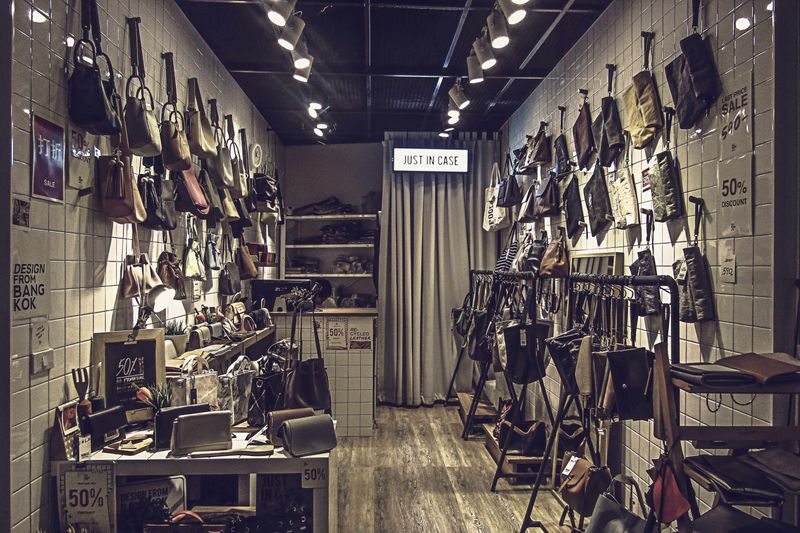
My Quiet Luxury Brand Tracker
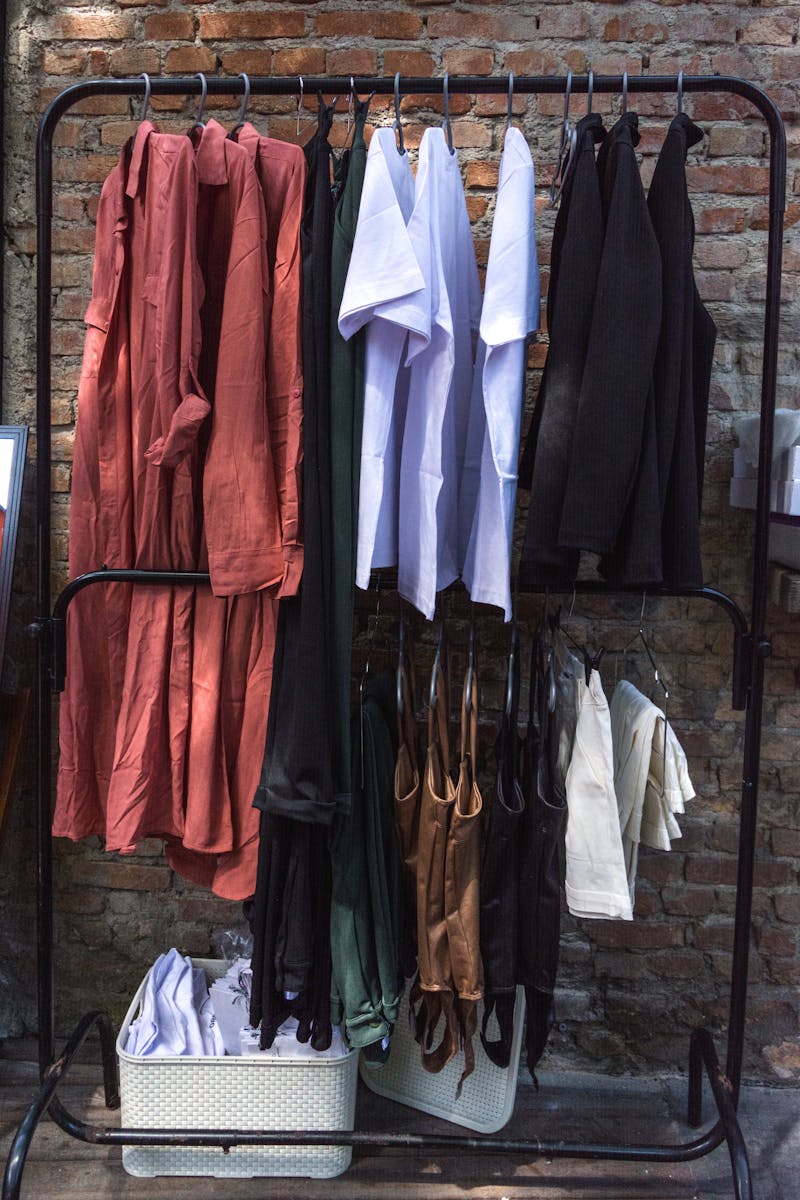
I’ve been keeping a running list of brands across different price tiers. Here’s a snapshot of what I’ve covered recently:
| Brand | Price Tier | Standout Category | Why I Featured It |
|---|---|---|---|
| The Row | Premium | Outerwear | Unmatched tailoring precision |
| Toteme | Mid-High | Knitwear | Scandinavian minimalism perfected |
| COS | Mid-Range | Structural Pieces | Quality-to-price ratio is unreal |
| Arket | Accessible | Everyday Basics | Best fitted tees under $50 |
| Auralee | Mid-High | Fabric Innovation | Japanese textile craftsmanship |
| LEMAIRE | Premium | Accessories | Bags that age like fine wine |
What I Look For When Selecting Brands
Not every “minimalist” brand makes the cut. I’ve developed a personal checklist that I apply before featuring any label:
- Fabric transparency – Do they tell you what you’re actually wearing? Brands that hide material composition are an immediate red flag for me.
- Design consistency – A strong brand doesn’t reinvent itself every season. I look for an identifiable thread connecting collections.
- Wearability factor – Beautiful on a hanger means nothing if it doesn’t translate to real life. I mentally dress three different body types before writing about any piece.
- Price honesty – Is the price justified by materials and construction? Overpriced basics dressed up as “luxury” don’t make my blogs.
- Sustainability effort – Not perfection, but visible progress. I appreciate brands that are honest about where they are on the journey.
Editor’s Note: How to Shop Quiet Luxury on a Budget
You don’t need to spend a fortune to embrace this aesthetic. Here are my tested strategies after years of covering these brands:
Wait for the off-season: COS and Arket run significant end-of-season sales – often 50-70% off. The pieces are timeless, so last season’s stock is virtually identical to this season’s.
Invest in one anchor piece: A single well-made blazer or coat from Toteme will elevate an entire wardrobe of basics. Think of it as cost-per-wear, not sticker price.
Explore Japanese mid-range: Brands like UNIQLO U (designed by Christophe Lemaire) deliver remarkable quality at accessible prices. The collaboration bridges the gap between mass-market and designer.
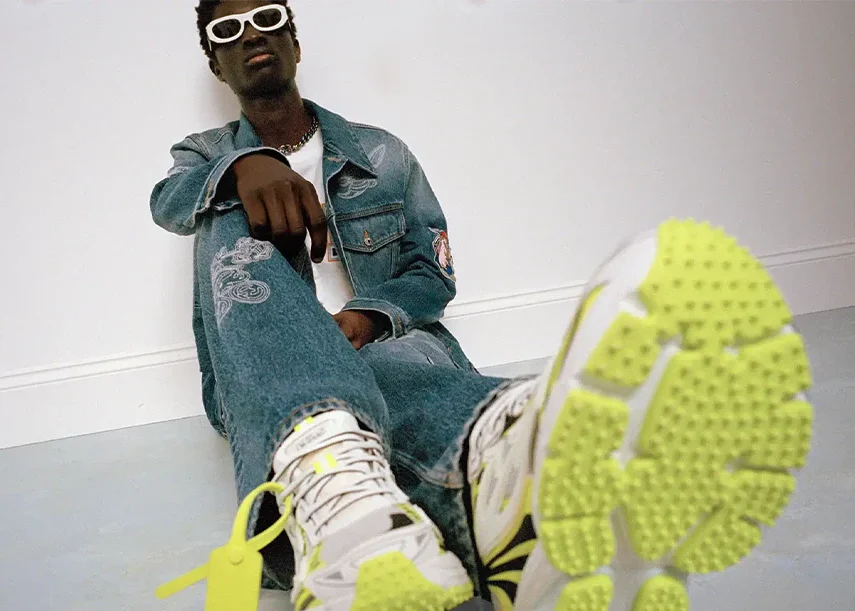
Part Two: Streetwear’s Identity Crisis (And Why That’s Exciting)
If quiet luxury is the steady, predictable friend who always shows up on time, streetwear is the chaotic one who arrives late but makes the party unforgettable. And right now, streetwear is going through something fascinating – a full-blown identity shift that I’ve been tracking obsessively.
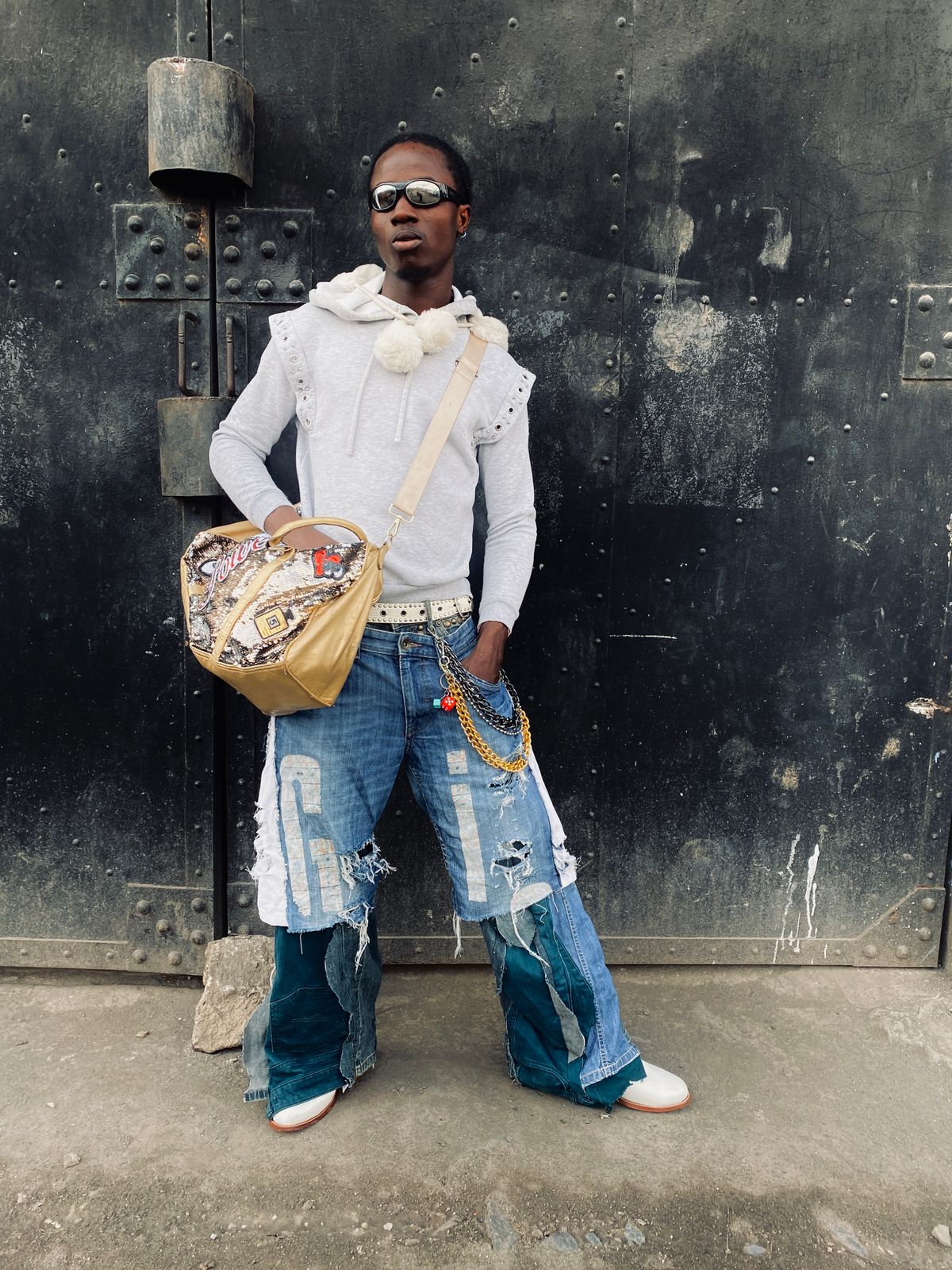
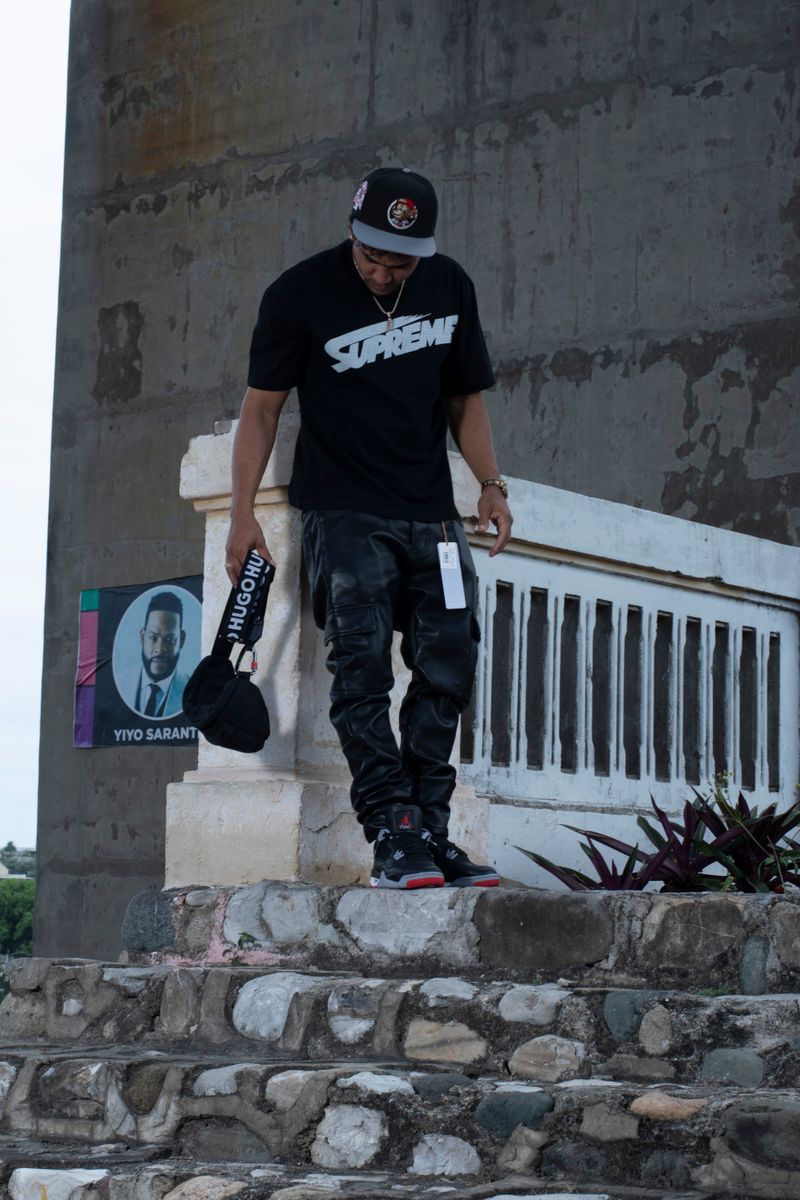
The streetwear I grew up consuming – Supreme drops, BAPE hoodies, the hype machine at full throttle – feels like a different era. What’s replaced it is harder to define, which is precisely what makes it interesting to write about. The old metrics don’t apply anymore. Sellout speed and resale premiums used to be the scoreboard. Now the conversation has shifted toward cultural relevance, creative integrity, and community depth.
The Post-Hype Landscape
Here’s the thing about covering streetwear on my blogs in 2026: the word itself almost feels outdated. What we’re seeing is a generation of designers who grew up on street culture but refuse to be boxed in by it. They’re pulling from workwear, techwear, vintage Americana, and even formalwear – creating something that exists in the spaces between categories.
Brands like Stussy have quietly pivoted from pure skate culture to something more refined (their recent tailored pieces are genuinely surprising). Aime Leon Dore continues to blur the line between streetwear and preppy Americana in ways that shouldn’t work but absolutely do. And then there’s Corteiz – a London-born brand that’s rewriting the rules of community-driven fashion.
The most interesting fashion happens when designers stop asking “what category is this?” and start asking “does this feel right?”
New Names Worth Watching
Beyond the established players, I’ve been dedicating blog space to emerging brands that are genuinely pushing boundaries. A few standouts:
- Story mfg. – Handmade, naturally dyed pieces from the UK. Every garment feels like it has a history before you even wear it.
- Bode – Emily Bode’s approach to menswear through vintage textiles and patchwork is unlike anything else in the market. Completely category-defying.
- Satta – Spiritual meets streetwear. Their meditation-inspired collections are oddly perfect for the cultural moment we’re in.
- Needles – The Japanese brand keeps turning track pants into art. Their butterfly embroidery pieces have become genuinely collectible.
- Wales Bonner – Grace Wales Bonner’s work bridging Caribbean heritage with European tailoring is some of the most important fashion happening right now, period.
Deep Dive: Where to Actually Find These Emerging Brands
One of the questions I get most from readers is: “Where do I actually buy these brands?” Fair question – not everyone lives near a concept store in London or New York. Here’s my go-to sourcing guide:
Online multi-brand retailers: SSENSE, Mr Porter, and END. carry most of these labels with global shipping. SSENSE in particular has been exceptional at curating emerging designers alongside established names.
Direct-to-consumer: Story mfg., Bode, and Satta all have strong e-commerce platforms. Buying direct often means access to full-range sizing and exclusive colorways.
Resale platforms: For sold-out Needles or Wales Bonner x Adidas pieces, Grailed and Vestiaire Collective are your best bet. Just verify authenticity – always check seller ratings and request additional photos.
Physical stores worth the trip: Dover Street Market (London/Tokyo/NYC), Slam Jam (Milan), and Bodega (Boston/LA) stock curated selections of all these brands under one roof.

The Streetwear-Luxury Convergence
Something I’ve been writing about extensively is the complete collapse of the wall between streetwear and luxury. It used to be notable when a luxury house collaborated with a streetwear label. Now it’s just… Tuesday.
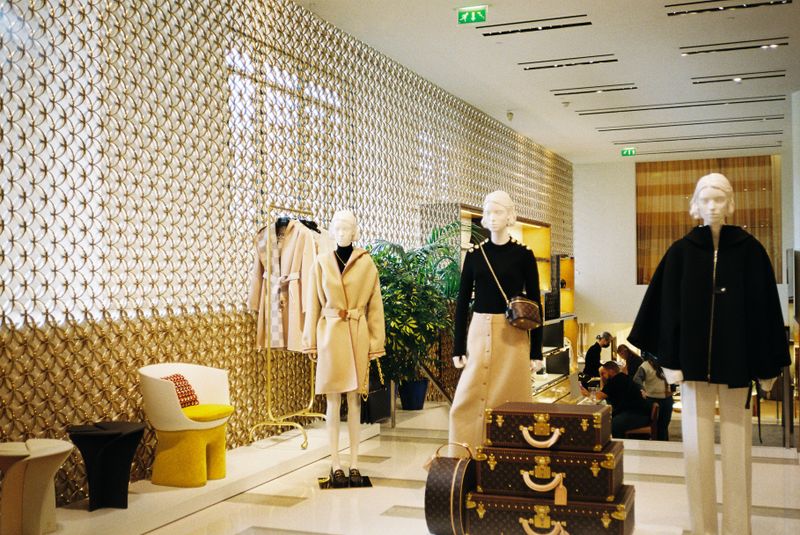
Think about it: Pharrell at Louis Vuitton. Jerry Lorenzo consulting for Adidas while running Fear of God. Matthew Williams at Givenchy. These aren’t anomalies anymore – they’re the new normal. The career path from independent streetwear label to creative director of a heritage house is now a legitimate, well-worn trajectory.
But what’s more interesting than collaborations is the cross-pollination at the design philosophy level. Luxury houses are adopting streetwear’s drop model, its community-building tactics, and its embrace of imperfection. Meanwhile, streetwear brands are investing in fabric quality, atelier-level construction, and seasonal narratives that rival any fashion house.
| Aspect | Traditional Luxury | Modern Streetwear | Where They Merge |
|---|---|---|---|
| Pricing | Fixed, premium | Variable, accessible | Tiered collections within single brands |
| Distribution | Retail-focused | Online drops | Hybrid models with exclusive channels |
| Community | Aspirational distance | Direct engagement | Discord servers run by heritage houses |
| Design Cycle | Seasonal collections | Continuous drops | Core + capsule release calendars |
| Cultural Reference | Art and architecture | Music and sport | Everything is fair game now |
What This Means for My Content Strategy
From a blogging perspective, this convergence is a gift. It means every article can draw from a wider pool of references without feeling forced. A post about Wales Bonner can naturally touch on Jamaican dub culture, Savile Row tailoring, AND sportswear heritage – all without breaking editorial coherence.
My readers respond to this interconnectedness. They don’t want fashion content in neat little boxes. They want the full picture – the cultural context, the design philosophy, the “why does this matter?” behind every collection. The days of purely transactional fashion blogging – “here’s a product, here’s a buy button” – are fading fast. What’s replacing it is something closer to cultural journalism, and I’m here for it.
FAQ: Questions Readers Ask Most About These Brands
Q: Are quiet luxury brands actually better quality, or is it just marketing?
A: In most cases, yes – there’s a genuine difference. The Row sources some of the finest fabrics in the industry. COS has visibly improved their materials over the past three years. That said, “quiet” doesn’t automatically mean “quality.” Always check fabric composition and construction details before buying.
Q: Is streetwear dead?
A: Not at all – it’s evolving. The hype-driven, logo-heavy era has cooled, but the culture is thriving. It’s just harder to label now. Think of it as streetwear growing up, not dying out.
Q: How do I build a wardrobe that blends both aesthetics?
A: Start with a foundation of well-cut neutral basics (COS, Arket, UNIQLO U), then layer in one or two statement streetwear pieces – a Needles track jacket, a Stussy camp collar shirt. The contrast is what makes it work.
Q: Which brands hold their resale value best?
A: The Row, LEMAIRE, and Wales Bonner consistently hold or appreciate in value. On the streetwear side, limited Aime Leon Dore and Corteiz drops tend to command premiums on resale platforms.
Reflections and What’s Coming Next
Writing this piece has actually been a useful exercise in stepping back and seeing the bigger pattern in my recent content. Two themes that seem completely different – quiet luxury and streetwear evolution – are actually driven by the same underlying shift: fashion consumers in 2026 want authenticity over hype, substance over logos, and stories over status.
That’s a meaningful change, and it’s reshaping not just what people buy, but how they engage with fashion content. The blog posts that perform best for me aren’t the ones with the most products or the flashiest imagery. They’re the ones that treat readers as intelligent people capable of making their own informed decisions – not passive consumers waiting to be told what to buy.
Visit the Flagships: A Global Fashion Map
One thing I’ve learned from covering these brands: nothing replaces visiting their physical spaces. Each flagship store is an extension of the brand’s philosophy – from The Row’s gallery-like townhouse on the Upper East Side to Aime Leon Dore’s clubhouse on Mulberry Street.
Here are the key locations if you’re planning a fashion pilgrimage:
- New York: The Row (71st St) | Aime Leon Dore (Mulberry St)
- London: COS (Regent St) | Dover Street Market (Haymarket)
- Paris: LEMAIRE (Rue Elzevir, Le Marais)
- Stockholm: TOTEME (Biblioteksgatan)
- Los Angeles: Stussy (La Brea Ave)

The brands winning right now aren’t the loudest ones. They’re the ones with the clearest point of view and the patience to let their audience find them.
On My Editorial Calendar
Looking ahead, here’s what I’m planning to cover across my blogs in the coming months:
- Japanese denim deep-dive – A comprehensive guide to brands like Kapital, OrSlow, and the Osaka 5.
- The Copenhagen effect – How Scandinavian brands are reshaping global fashion expectations.
- Accessories as investment pieces – Beyond bags. Watches, scarves, eyewear from brands doing interesting work.
- Sustainable fashion beyond greenwashing – Brands with verifiable impact, not just marketing claims.
Each of these will follow the same editorial approach: no hype, no filler, just genuine perspective backed by real engagement with the brands and their collections. That’s what keeps readers coming back – and honestly, it’s what keeps me excited about doing this work.
If any of these topics resonate with you, keep an eye on my blogs. The best conversations always happen in the comments sections – and I read every single one.


