







How This Started (Not the Way You Think)
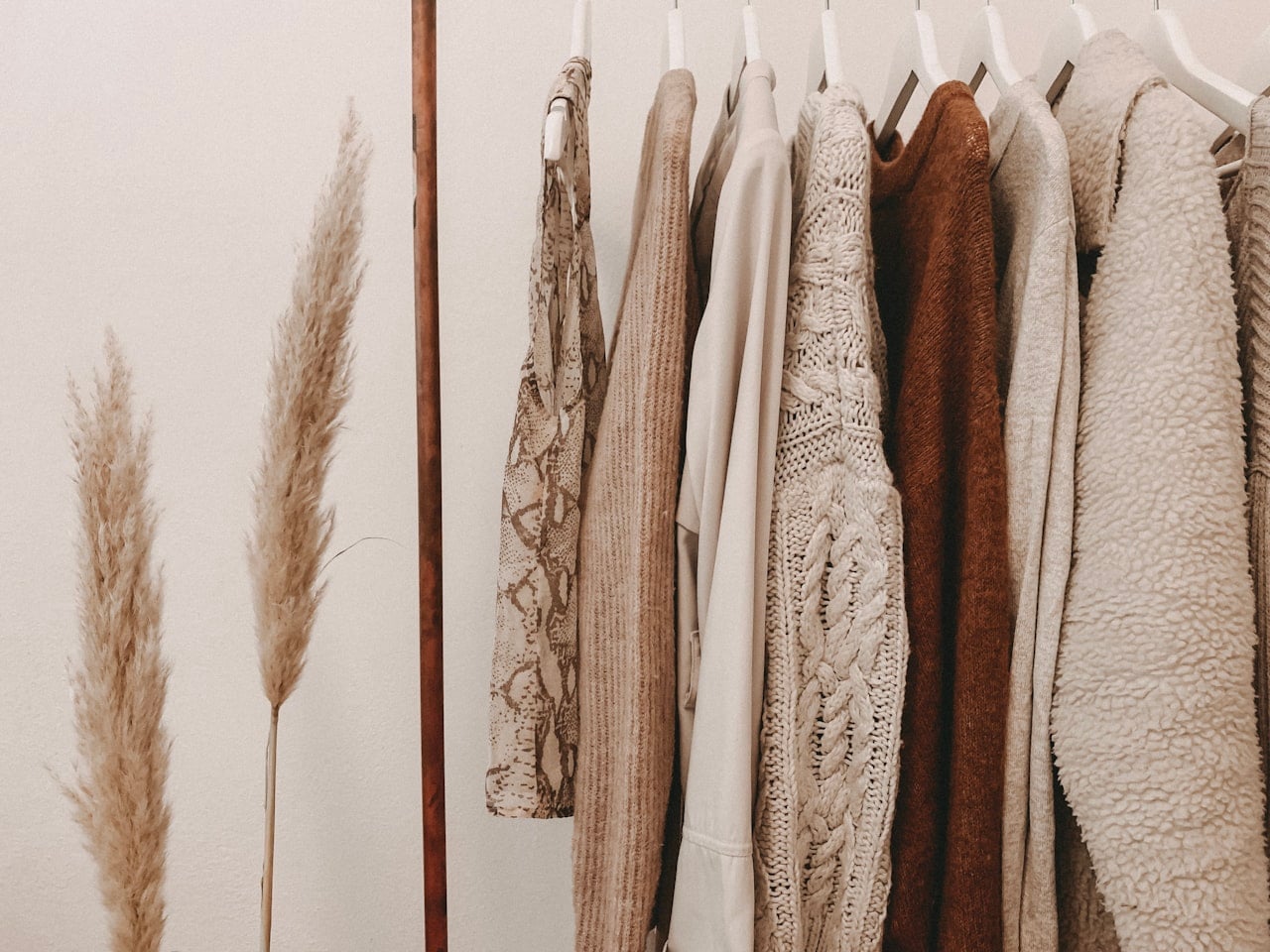
I did not wake up one day with a sudden environmental epiphany. I went to my closet on a Monday morning, stared at an absolutely packed rail of clothes, and thought: I have nothing to wear. And that thought – in front of more clothing than most people own – felt genuinely absurd. So I decided to stop buying anything new for three months and see what happened.
I set one rule: no new clothing purchases from fast fashion brands (anything under a certain price-per-wear threshold, basically). Secondhand and vintage were allowed. Mending things I already owned was allowed. Borrowing from friends was allowed. Everything else was a no.
What followed was more interesting than I expected – and occasionally more annoying.

The First Month: Harder Than Expected
The first two weeks were genuinely uncomfortable. Not because I lacked clothes – I obviously did not lack clothes – but because the habit of browsing was so ingrained that I did not realize how much of my mental background noise was retail. Checking new arrivals during my lunch break. Scrolling sale tabs in the evenings. Adding things to a cart “just to think about it.”
Cutting that out created this strange quiet. I did not know what to do with myself during certain scrolling windows. It sounds dramatic, I know. But the behavior was more automatic than I had recognized, and breaking it required actual attention.
By week three, the quiet started to feel more comfortable than strange. By the end of month one, I had stopped noticing the impulse as much.
The Numbers (Because I Actually Tracked Them)
| Category | Before (per month) | During Experiment |
|---|---|---|
| Fast fashion purchases | 6-10 items | 0 |
| Secondhand purchases | 0-1 items | 3-4 items |
| Money spent on clothing | ~$180-240 | ~$45-60 |
| Times I felt “nothing to wear” | Frequent | Twice (first two weeks) |
| Items I actually wore regularly | ~15 pieces | ~18 pieces (rediscovered old ones) |
That last row surprised me most. I wore more of my existing wardrobe once I stopped adding to it. When new things stop arriving constantly, you actually start seeing what you already have.
The Secondhand Shift
Allowing myself to buy secondhand was strategic – I knew a full cold-turkey approach would make me resentful rather than reflective. And the secondhand shopping turned out to be genuinely more engaging than retail.
Thrift store browsing requires attention and patience in a way that online fast fashion browsing does not. You have to look at what is actually there rather than filter to exactly what you think you want. I found a pair of well-made linen trousers that had clearly barely been worn, for a fraction of what they would have cost new. I would never have bought them new because they were not exactly what I thought I was looking for. They have become a wardrobe staple.

What Was Genuinely Hard
Month two had a rough patch. A wedding came up with about two weeks’ notice and I wanted something specific that I did not own. I searched secondhand apps thoroughly – I want to say for about three evenings – and found something close but not quite right. I wore it anyway. It was fine. But that “fine” feeling was a real test of the commitment.
Events with dress codes are where a complete fast fashion ban gets genuinely complicated. If your wardrobe is built around basics and your life has regular occasions requiring specific things (formal events, themed parties, specific professional dress), the experiment gets harder.
The wardrobe problem is rarely about having too little. It is almost always about having too much of the wrong things and not enough of the ones that actually work.
What Actually Changed by Month Three
My relationship with getting dressed became calmer. Not more boring – calmer. When you stop thinking about clothing as a constant stream of new options, the existing pieces start to feel more like actual choices and less like a default.
I also got better at mending things. A pair of jeans with a small tear at the knee that I had been vaguely planning to toss became a fifteen-minute repair project. They are still in my rotation. That small act of keeping something working felt disproportionately satisfying compared to its actual scale.
The experiment ended three weeks ago – well, actually closer to four. I have bought two new things since: a pair of socks (genuinely needed) and a white shirt from a brand that has transparent pricing. Both felt considered in a way my previous purchases rarely did.
Would I Recommend It?
Yes, with an honest caveat: the value is in the awareness it builds, not in any specific number of months or strictness of rules. The point is not deprivation. The point is noticing how automatic the shopping behavior had become, and deciding whether that was actually serving you.
Three months was enough to break the loop and see my existing wardrobe clearly. Your number might be different. But the experiment is worth running – just maybe plan around any formal events you have coming up.