





The Promise and the Reality of Buying Vintage Online
Online vintage shopping has a marketing problem. Every platform presents it as effortless – scroll, click, love it forever. The reality involves more squinting at photographs, more messages asking “what does ‘good vintage condition’ mean exactly,” and more packages that arrive looking nothing like the listing photos. I have been buying vintage clothing online for about four years now. I have had genuinely brilliant finds. I have also had experiences that should have come with a warning.
This guide is the thing I wish had existed when I started. Not the aspirational version – the practical one, with the parts that go wrong included.
The Platforms, Actually Compared
Depop is where the most interesting vintage pieces tend to appear, and also where the most aggressively mis-priced ones do. The seller community skews young and style-conscious, which means the curation is often excellent and the pricing reflects that fact. A 1990s Levi’s denim jacket that would cost GBP 20 in a charity shop will cost GBP 65 on Depop, and sometimes that is fine – you are paying for someone else to have done the sourcing work. The problem is the platform has normalised calling things “vintage” that are simply secondhand from 2016. Always check the listing description carefully.
The search function on Depop is not its strength. Finding specific pieces requires patience and creativity with search terms. If you know exactly what you want, eBay will serve you better. If you want to browse and discover, Depop’s visual layout is genuinely better than most alternatives.
Vinted runs on a different model – sellers do not pay fees, which in theory means more competitive pricing. In practice it means the pricing is less consistent and the quality control is entirely variable. I have found excellent pieces on Vinted at prices I could not believe. I have also received items in conditions that bore no relationship to the listing description. The returns process on Vinted is more complicated than it should be for cross-border purchases. Know that going in.
eBay and ThredUp: Different Beasts
eBay is the oldest and in some ways the most honest of the vintage online platforms, because it has the most developed buyer protection infrastructure. The condition grading is still inconsistent – sellers self-describe – but the dispute resolution process is more robust than on the newer platforms. For genuinely old vintage (pre-1980s), eBay has the deepest inventory. For specific branded items – Levi’s, Carhartt, Ralph Lauren, Band tees – the volume means you will find what you are looking for if you have patience.
ThredUp operates differently from all of the above. It is a resale platform that photographs and lists items centrally, meaning the quality control is more consistent because the same team is processing everything. The downside is the inventory skews more mainstream and the pricing is less negotiable. For basics and near-contemporary secondhand, ThredUp is excellent. For genuinely distinctive vintage, it is less so.
A note on authenticity: ThredUp does not have specific authentication processes for luxury items in the way that The RealReal does. If you are buying something presented as designer on ThredUp, treat it as you would any online purchase – verify with the platform’s policies and your own research before spending significantly.
How to Spot Authentic Vintage Versus Vintage-Inspired
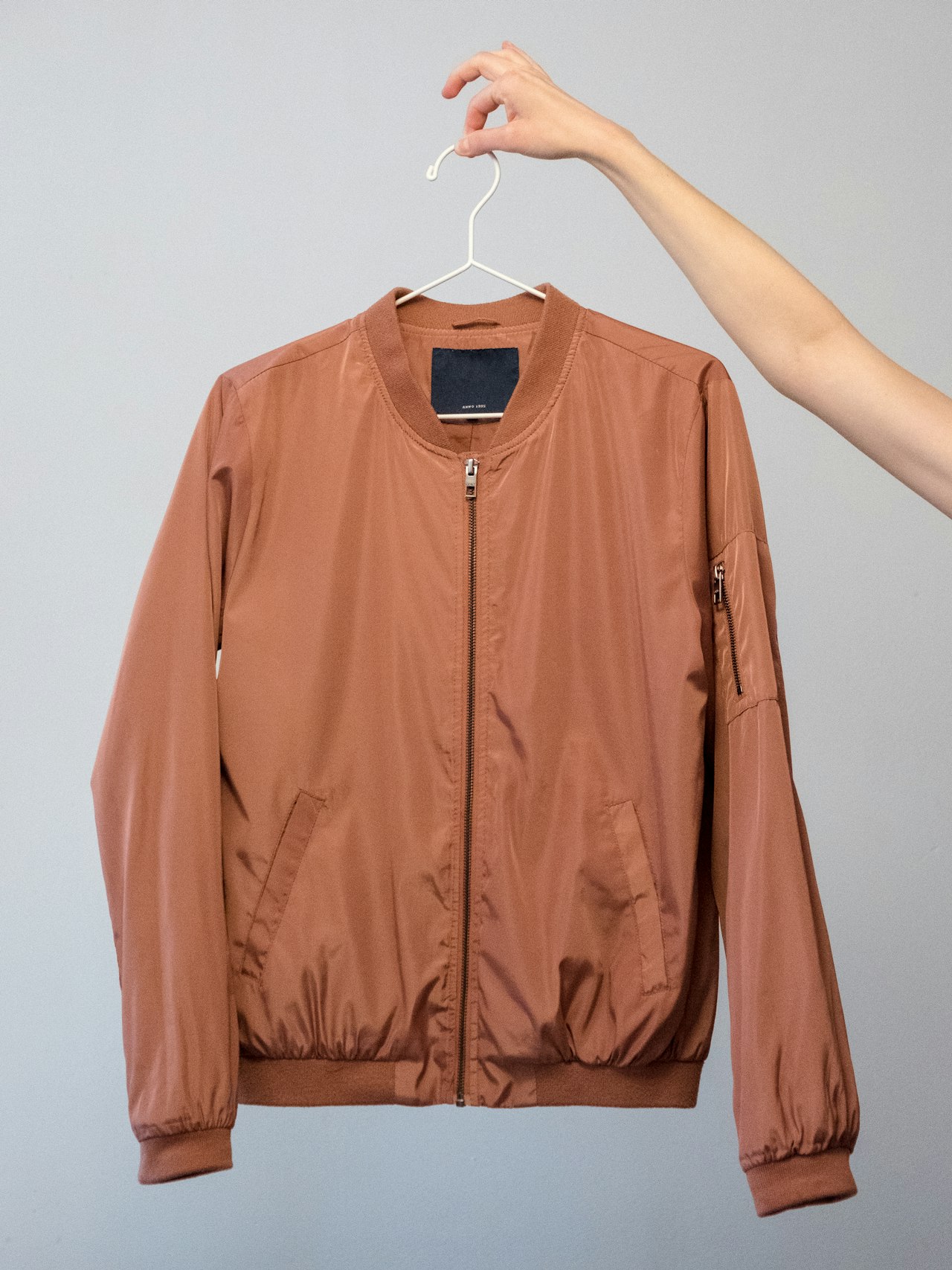
The fastest indicators are labels and hardware. Authentic vintage pieces have labels that reflect the era they are from – fonts, washing instruction formats, country of manufacture designations, and care symbol conventions have all changed over the decades in trackable ways. A “Made in USA” Levi’s tag has a specific format. A genuine 1970s piece will not have modern polyester content listed in the way contemporary garments do.
Hardware on bags, zips, and fastenings tells you a great deal. Genuine vintage metal hardware has weight and patina in ways that modern reproductions rarely replicate convincingly. Ask sellers for close-up photos of labels and hardware if they are not already provided. Any seller of genuine vintage should have those photos or be able to provide them quickly.
“The label and the zip will tell you more about a garment’s actual age than any listing description. Learn to read them and you will stop buying disappointments.”
The Sizing Trap
This is where most people get caught out. Vintage sizing runs small by contemporary standards, but not in a uniform way that you can just add two sizes to. A vintage UK 14 from the 1970s is closer to a contemporary UK 10 in many measurements. A vintage US 8 from the 1980s might have a 27-inch waist and a 35-inch hip. The numbers mean very little. The measurements mean everything.
Always request measurements in centimetres or inches before purchasing – chest, waist, hip, sleeve length, and length from shoulder to hem as a minimum for tops. Inseam and rise measurements for trousers. Sellers who are genuinely experienced will provide these readily. Sellers who hesitate or give you vague answers are a yellow flag.
Build in two centimetres of ease beyond your actual body measurement for anything you want to fit comfortably. Build in more if the fabric has no stretch. Vintage fabric construction is often more rigid than contemporary equivalents.
Condition Grading – What It Actually Means
| Condition Listed | What It Should Mean | What It Sometimes Actually Means |
|---|---|---|
| Excellent / Mint | No visible wear, no flaws | Usually accurate, but check for fading in photos |
| Very Good | Minor wear consistent with age, no damage | Accurate on established platforms, variable elsewhere |
| Good | Noticeable wear, possible minor repairs or fading | Can mean anything from light wear to significant fading |
| Fair / As Is | Visible damage, repairs needed, priced accordingly | Usually accurate – sellers using this grading are typically honest |
| “Great vintage condition” | N/A – this is not a grading term | Unknown – ask for specifics immediately |
The phrase “great vintage condition” in a listing is doing a lot of work to obscure information. It is not a grading term. It is a way of saying the item has visible wear without being specific about what that wear looks like or where it sits. Always ask for clarification and additional photos when you see it.
Returns Policies: The Part Nobody Reads Until They Need To
Depop operates a buyer protection policy that covers items that are significantly not as described – the platform will step in if the garment arrives in materially different condition from the listing. The process involves opening a dispute within a specific window (typically 7 days of delivery), so the moment you receive something that does not match its description, photograph it and begin the dispute process before the window closes.
Vinted’s buyer protection works similarly but the window and terms differ, and cross-border purchases add complexity around who pays return shipping. Read the current terms for your specific country before purchasing anything significant cross-border.
eBay’s buyer protection is the most developed – the “Item Not As Described” policy is the buyer’s friend, and the resolution process is faster than on newer platforms. For higher-value vintage purchases, eBay’s protections are worth factoring into your platform choice. The fees are real but so is the peace of mind.
What I Have Learned the Hard Way
Four years of online vintage shopping has given me a shortlist of things I will not compromise on. I do not buy anything without measurements. I do not buy from sellers with fewer than ten reviews unless the price is low enough that I am comfortable accepting the risk. I do not interpret “good condition” as meaning anything useful without follow-up photos.
I also learned that certain categories are safer online than others. Structured knitwear and wool coats are easier to assess from photos than anything involving stretch fabric. Denim is generally reliable because the wear patterns are visible. Silk and delicate fabrics are where photos consistently mislead – the texture and condition of those fabrics do not photograph honestly.
Start with lower-risk pieces until you develop a feel for a platform and for reading listings accurately. The best vintage finds online are genuinely out there. Getting burned a couple of times is part of the education, but you can minimise the expensive lessons by asking more questions before you click buy.