






The Series That Began With London
When I started this Sky High series, the premise was simple: observation decks are a legitimate tourist experience when they are done well, and the conversation about which ones to visit has been dominated by a handful of famous names for too long. Part 1 covered London – the Shard, the Sky Garden, what each one actually offers and when it is worth the trip. Part 2 moved to New York and the argument for the Empire State Building versus the newer additions to the skyline observation game.
Part 3 is Boston. And Boston, it turns out, makes the most interesting argument of all three – because it is the city where you can most clearly see what regional observation decks do that the famous ones cannot.
What View Boston Actually Is
View Boston is the observation deck experience at the Prudential Center – the Skywalk Observatory on the 50th floor, plus the Top of the Hub restaurant and bar above it. The Prudential Tower sits at 228 metres, which is not the tallest structure in Boston but provides a panorama of the city that is more complete than the height alone would suggest.
The view from the Skywalk covers the full 360 degrees without the interrupted sightlines that affect some taller buildings. You get the Charles River curving through the city, the harbour to the east, the Back Bay neighbourhood directly below, Cambridge and MIT across the water, and on a clear day the geography extends out to the Blue Hills Reservation to the south. It is genuinely one of the more complete urban panoramas I have seen from any observation deck.
The experience itself is more immersive than a simple floor-and-window setup. There is a guided audio tour included with the Skywalk ticket that works better than most of its genre – it is specific enough to be genuinely informative about the history of the buildings and neighbourhoods you are looking at. Most observation decks treat the view as self-explanatory. View Boston gives you a way to understand what you are seeing, which makes the experience last longer and feel more complete.
The Skywalk tickets are timed entry – book in advance and choose your slot carefully, because the difference between visiting in flat midday light and visiting in the late afternoon as the sun drops toward Cambridge is significant.
The Case for Regional Decks
Here is the thing that struck me after visiting London, New York, and Boston in the space of one year. The famous decks – the Shard, the Empire State – are magnificent, but the city below them is simultaneously familiar and overwhelming. London is enormous. New York is enormous. You look out and you see something vast and it takes a significant amount of contextual knowledge to make sense of what you are seeing.
Boston is not enormous. Boston is a city of specific, recognisable neighbourhoods at a human scale – and from View Boston, you can actually see those neighbourhoods as discrete things. The Back Bay. Beacon Hill. Charlestown with the Navy Yard. The Fenway neighbourhood and the stadium. The geography that makes Boston make sense becomes visible from above in a way that does not work when the city is too large to hold in one view.
“The best observation deck experience is the one where you look out and the city suddenly makes more sense than it did when you were standing inside it. Boston delivers that more reliably than most.”
View Boston Versus the Skyscrapers: A Comparison
| Feature | View Boston (Skywalk) | Empire State (NYC) | The Shard (London) |
|---|---|---|---|
| Height | 228m / 50th floor | 443m / 86th floor (main) | 244m / 72nd floor |
| 360-degree view | Yes, unobstructed | Yes | Yes |
| Audio guide included | Yes (good quality) | Optional / extra | No |
| Restaurant on site | Yes (Top of the Hub) | No | Yes (Hutong) |
| Timed entry | Yes | Yes | Yes |
| Approximate ticket price | $30-35 | $44+ | GBP 32+ |
| Crowd levels | Lower / manageable | High | High |
| City readability from above | Excellent | Overwhelming (positively) | Good |
Top of the Hub: When You Stay for Drinks
The restaurant and bar above the Skywalk operates as a separate experience and it is one of the better decisions you can make in Boston on a clear evening. Reserving a window table at Top of the Hub gives you a seated version of the panorama with a cocktail in hand, which is an objectively pleasant way to spend an hour.
The food is good without being exceptional – American steakhouse-adjacent with a view doing considerable work on the ambiance. The drinks list is solid. The service tends toward the professional rather than the warm. None of that matters much when the sun is setting over the Charles River and the city is turning amber below you.
It is worth noting that the Top of the Hub reservation does not include Skywalk access – the two are separate bookings. If you want both, plan for the Skywalk first and then move up to the bar for the golden hour. The transition works well if you time it right. Check View Boston ticket options and times before your trip so you can plan the evening sequence in advance.
Why Go Beyond the Obvious Cities
The observation deck conversation always defaults to the same short list. People plan trips specifically around visiting the Burj Khalifa or the Empire State Building. And those are real experiences worth having. But the secondary cities – Boston, Chicago, Pittsburgh, Edinburgh, Lyon – have their own versions of the same experience, often less crowded, often better priced, and sometimes more genuinely revealing about the city below them.
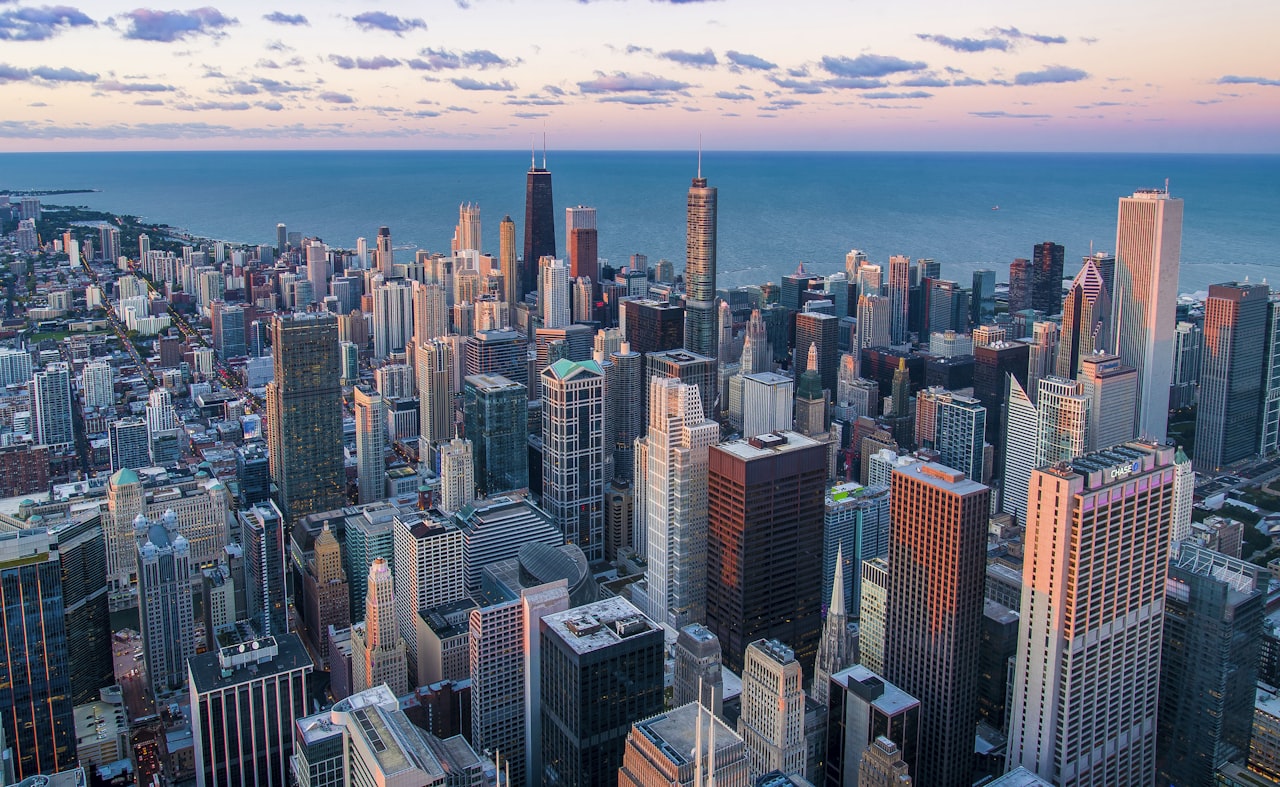
The Hancock Observatory in Chicago makes a strong argument for being the best urban observation deck in the United States, and most visitors are not even aware it exists because the conversation stops at New York. The observation deck in Pittsburgh gives you a view of three rivers converging that is unlike anything else in American urban geography. These things are worth knowing about and worth visiting when you are in the cities that have them.
View Boston earns its place in that company. Booking the Skywalk is something I would recommend to anyone spending more than two days in the city – it is useful context for everywhere you go afterward. The city makes more sense from above, and Boston is a city that rewards understanding its geography.
Closing Out the Series
Three cities, three observation decks, three different arguments for why going up matters. London for the sheer scale of a city that has been accumulating for two thousand years. New York for the concentrated drama of one of the world’s most iconic skylines. Boston for the human-scale revelation of a city that makes sense when you can see all of it at once.
The series started with a simple argument – observation decks are legitimate experiences when they are done well – and I stand by it. The view from anywhere significant is not just a photograph opportunity. It is a way of understanding where you are. And understanding where you are is, arguably, the whole point of travel. Plan your View Boston visit and reserve a time slot before you arrive in the city.