







How It Started (Not the Way You Might Expect)
I did not start watching live sports when I travel because I became a sports fan. I want to be clear about that from the beginning, because the people who recommend attending local sporting events usually do so from the position of someone who already loves sport and wants to share that love. My entry point was different. I went to a basketball game in Brooklyn because a friend had a spare ticket and no better alternative plan for the evening, and I came out of it having had one of the best nights of that entire trip.
That was three years ago. Since then I have attended games at stadiums in four countries, none of which I could have named a starting lineup for. I have watched a sport I still do not fully understand at a level that produced one of the more electric atmospheres I have ever been inside. I have had conversations with strangers that were more interesting than most conversations I have had in restaurants. And I have come to believe that live sport is one of the most underrated ways to access the actual character of a place.
The Thing About Not Knowing the Rules
Knowing very little about the sport you are watching turns out to change the experience in ways that are mostly positive. You stop watching the game as a technical exercise and start watching it as a social phenomenon – which is actually a more interesting thing to observe. Who cheers and when. The specific vocabulary of the crowd’s reactions. The difference between a crowd that is engaged and a crowd that has been turned by a single moment.
You also ask more questions, which leads to more conversations. Sitting next to a genuine fan while knowing almost nothing is an opportunity, not a problem. Most people who love something want to explain it to someone who is genuinely curious. The conversations I have had in sports stadiums as a person who is clearly not a local – “wait, why did they stop the play for that?” – have been unexpectedly real in a way that tourist interactions often are not.
The rules come, eventually, through proximity. You do not need to study them beforehand. The crowd tells you when something good has happened. The atmosphere tells you when the game has changed. By the fourth or fifth inning, or the second quarter, or the second half, you have a functional sense of what you are watching without anyone having to walk you through a rulebook.
The Stadium Food as Anthropology
I have a theory that stadium food is one of the most honest expressions of a city’s food culture. Not restaurant food, which involves chef’s interpretations and Instagram presentation. Stadium food – what a city feeds the people who are about to be very loud and emotional for several hours. It is unfiltered and revealing.
A baseball stadium in the American South will give you a version of regional food culture that no restaurant replicates. The specific hot dog variant, the local beer that outsells the national brands, the regional chain that has the longest queue. At Truist Park in Atlanta, the Chick-fil-A presence is a civic institution. The tomahawk chopped dog is a piece of food theatre that tells you something about the relationship between spectacle and regional pride that is specific to this place.
“Stadium food is what a city feeds people before asking them to be very loud and very invested for several hours. That tells you something honest about the place that restaurant menus generally do not.”
European football stadiums have a different version of this. The specific pie, the particular programme, the specific chants that reference the local geography in ways that are intelligible only to people from there. The food is often worse. The cultural specificity is often higher. Both are interesting for different reasons.
The Shared Energy Problem
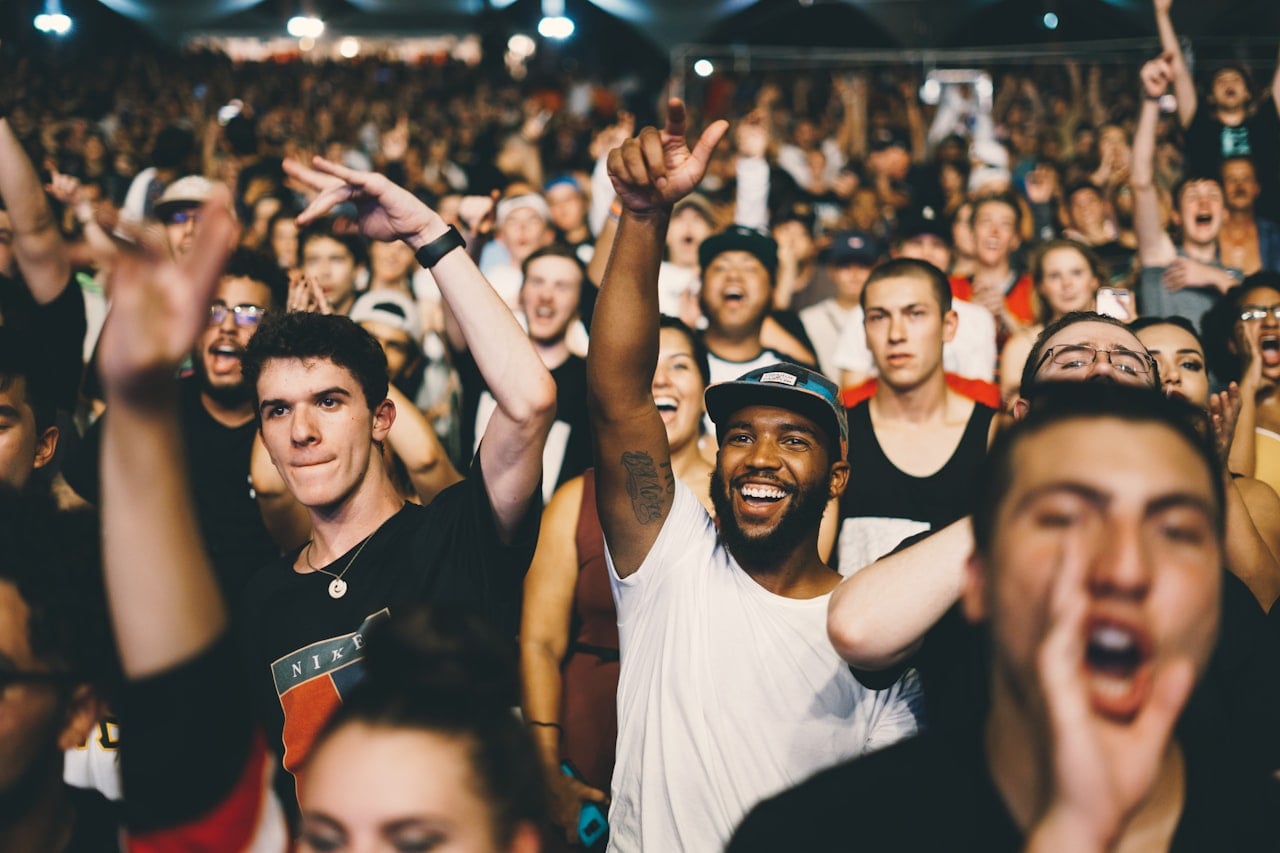
There is a shared energy in a sports stadium that I have not encountered anywhere else, and I say this having been to concerts, festivals, theatre, and plenty of other collective experiences. The specific quality of it comes from uncertainty. Unlike a concert, where the sequence of events is more or less fixed, a sporting event can turn on any single moment. The crowd is not in anticipation of something that will definitely happen – it is suspended between possibilities, and that suspended state is electric in a way that programmed entertainment cannot replicate.
When something unexpected happens – and something unexpected always happens in live sport, which is also the whole point of it – the response from thousands of people simultaneously is one of the more human things you can witness. The collective gasp, the eruption, the sudden silence that falls when the wrong thing occurs. Those moments happen in a fraction of a second and involve everyone in the stadium at once. You cannot be a neutral observer. The energy is too immediate and too physical.
I have been in stadiums where the home team lost after being ahead, and that collective experience of disappointment falling over sixty thousand people is genuinely affecting even when you have no stake in the outcome. I have been in stadiums where an unlikely goal or an extraordinary play happened and the noise was physically something you felt. Those moments are not accessible in the same way on a screen, and they are not accessible at all outside of the shared physical space of a stadium.
The Conversations You Have
Travel makes conversation easier in some contexts and harder in others. Museum conversations are rare. Restaurant conversations with strangers are awkward unless seating is communal. Stadiums are conversational by design – the shared experience, the shared stakes (even for the neutral visitor), and the long stretches of relative quiet in sports like baseball or cricket create the conditions for talking to the person next to you without it being strange.
I have had more interesting conversations in sports stadiums than in any other single venue type. Not every conversation, not every stadium – but the rate is surprisingly high. People explain things. People ask you where you are from and what brought you here. The shared experience of watching something live and together creates a social openness that more formal tourist contexts actively suppress.
The fan who explains baseball to you for three innings and then invites you to follow their season on social media. The couple who have been coming to this stadium for twenty years and have opinions about every change the team has made. The person who moved from somewhere else and is still figuring out whether to adopt the local team. These are the kinds of conversations that do not happen in hotels or restaurants but that happen in stadiums with some regularity.
Which Sports Travel Best
Not all sports translate equally well as visitor experiences. American football is extraordinary as a television spectacle and significantly slower in person than the broadcast version suggests – the game-to-stoppage ratio takes adjustment. Baseball is an acquired experience and a deeply rewarding one once it clicks, but it requires patience on the first visit. Basketball is probably the most immediately accessible live sport for visitors unfamiliar with it – fast, loud, the action is constant, and the arena scale is intimate enough to see everything clearly.
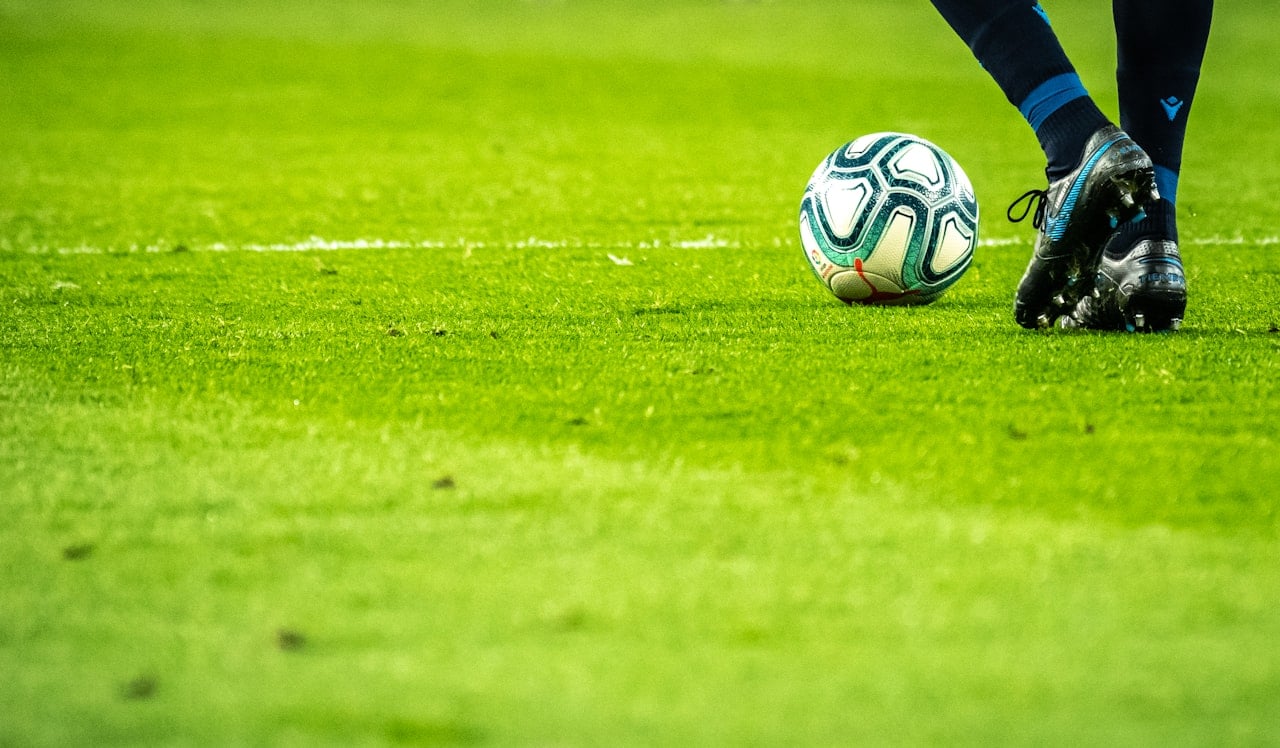
European football (soccer) is the gold standard for pure atmosphere if you get the right match – a local derby, a significant league game, a team with a genuine fanbase. The chants and the songs that have been sung for generations. The stadium that is thirty years old and has absorbed thirty years of emotion into its concrete. That experience is specific and irreplaceable and worth planning a trip around if you ever have the opportunity.
Start with whatever sport the city you are visiting does best. Ask a local which team is worth watching. Buy a ticket for the best game available during your stay. Arrive early enough to absorb the pre-game atmosphere. Bring your curiosity and leave your need to understand everything immediately at home. The rest will happen on its own.