







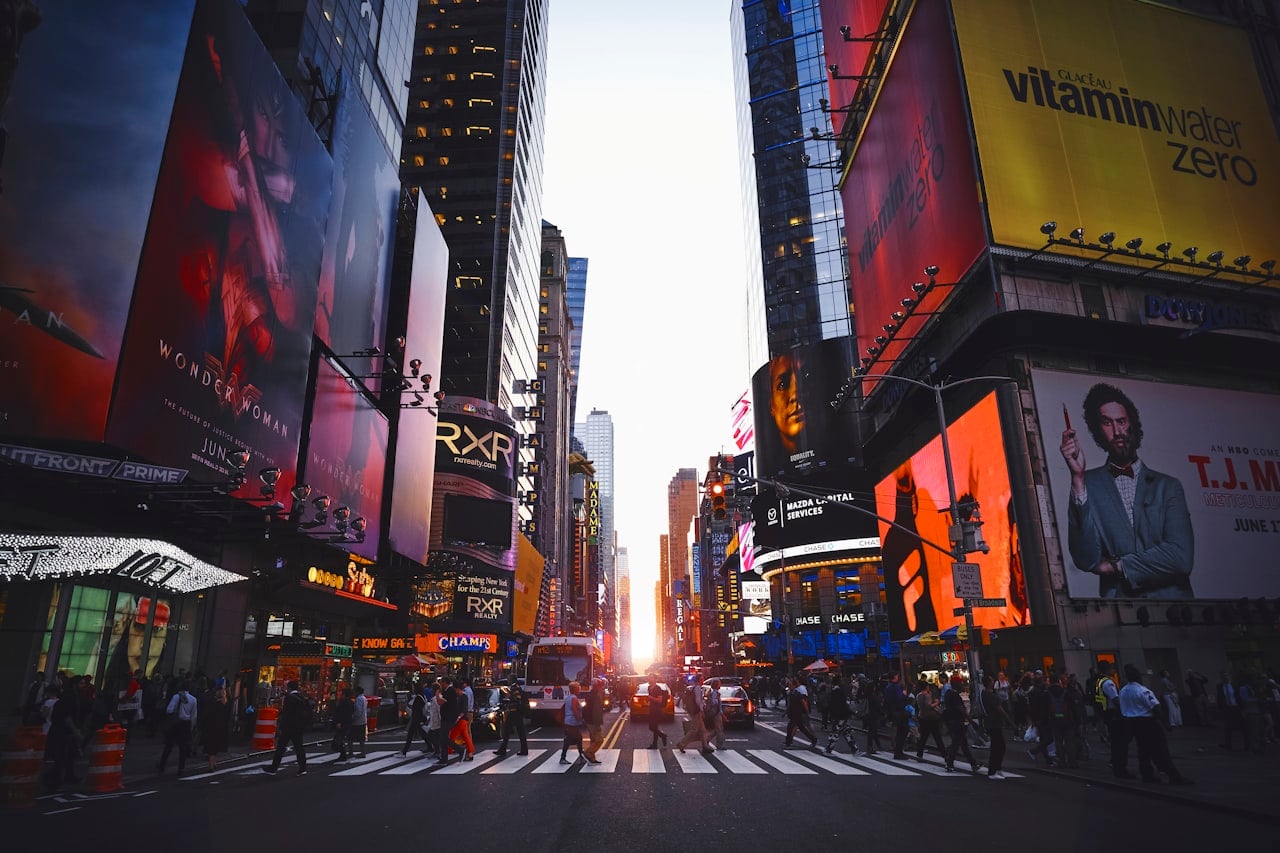
The Honest Truth About New York Time
New York is the city most likely to make you feel like you’ve done a lot while actually covering very little ground. It looks compact on a map and isn’t. The distances between boroughs are real, the transit connections require planning, and the default tourist strategy – trying to see everything in sequence – is probably the most efficient way to exhaust yourself before noon.
I’ve been to New York six times across different lengths of stay. My first trip I saw very little because I tried to see everything. My most recent trips have been more satisfying because I’ve got genuinely better at the logistics. Here’s what I’ve learned – the actual tactical stuff that changes how a day feels.
The Mistakes That Eat Hours
Wrong timing at popular attractions is the biggest one. The Statue of Liberty ferry, most observation decks, and the Metropolitan Museum all have peak windows that are painful and off-peak windows that are completely manageable. Arriving at popular attractions between 10am and 2pm on a weekend is just choosing to spend a significant portion of your time in a queue. Aim for opening time or late afternoon. The difference is often 45 minutes you’re not getting back.
Bad transport choices are the second major time sink. Manhattan looks walkable on a map and sometimes is – but walking from the Upper East Side to Lower Manhattan is an hour-plus each way. The subway is fast and reliable once you understand it. The mistake is avoiding it because the map is intimidating. The MTA app (or Citymapper, which many prefer) makes the route-finding trivial once you’ve used it once. Cabs and rideshares in Manhattan traffic during peak hours are genuinely slower than the subway and cost $25-40 per trip.
Staying in one borough all day is another approach that sounds efficient but usually means a lot of doubling-back. Better strategy: plan your day as a route, not a hub. Start somewhere, end somewhere else, hit things along that line rather than radiating out and back from your hotel.
Apps That Actually Help

Citymapper for transit – it handles New York better than Google Maps for this specific purpose, particularly for subway transfers and real-time delays. It will also tell you which subway car to board to be closest to the exit at your destination, which sounds minor and saves a noticeable amount of time in stations like Times Square where the platforms are very long.
The MTA’s own app for real-time service alerts – signal problems and service changes are a fact of life on the subway and knowing about them before you’re already on the train matters. The NYC Ferry app if you’re planning to use the ferry routes between boroughs, which are often faster than they look on the map and significantly more pleasant than the subway on a good weather day.
OpenTable or Resy for restaurant reservations – not having a restaurant booking plan in New York leads to either very long waits or eating somewhere mediocre. The booking windows open at different times depending on the restaurant, but most worth going to will require at least some advance planning.
Borough by Borough: Timing Strategy
| Borough/Area | Best Time | Why | Avoid |
|---|---|---|---|
| Lower Manhattan / Financial District | Early morning (7-9am) | Empty streets, Brooklyn Bridge walk is beautiful | Lunch rush – office crowds everywhere |
| Midtown | Late afternoon / evening | Times Square is less oppressive after 7pm | 10am-2pm weekends |
| Upper East Side / The Met | Thursday evening (open late) | Free after 5pm for NY state residents; quieter for visitors | Saturday morning |
| Brooklyn (DUMBO / Williamsburg) | Morning or Sunday afternoon | Markets, coffee, views without weekend crowds | Saturday afternoon in summer |
| Central Park | Early morning | Joggers but no tourists; genuinely peaceful | Noon on weekends |
The One Change That Made the Biggest Difference
On my most recent trip I started each day in the neighbourhood where I was planning to spend the morning – not at my hotel, which was in Midtown, but at a coffee shop near my first planned stop. This sounds obvious but it required actually planning the previous evening where I was going to be at 8am, and then commuting there before rather than after breakfast. It sounds like a small change. It gave me 90 minutes of genuinely good morning time in the city instead of the usual hotel-lobby-to-wherever shuffle.
New York rewards people who treat it as an environment to navigate rather than a set of attractions to tick off. The accidental discoveries – the sandwich place with the line out the door, the bookshop in an unexpected building, the rooftop bar a local told you about – require slack time to happen. Build some in. The itinerary that’s 15% less packed will produce a trip that’s significantly more satisfying.
“The best version of a New York day is not the one where you saw the most things. It’s the one where you felt most like you were actually in New York.”
One More Honest Note
New York is tiring in a specific way that no amount of planning fully eliminates. The sensory volume is high, the pace is relentless, and even enjoyable days there are physically demanding. Build at least one morning or afternoon of genuine nothing into a week-long trip. The temptation is to fill every moment because you’ve come so far. The reality is that a morning of coffee and reading in a good neighbourhood gives you the energy to enjoy the afternoon properly. New York is the city that most rewards the planned rest – which is not something I believed until I started doing it.