







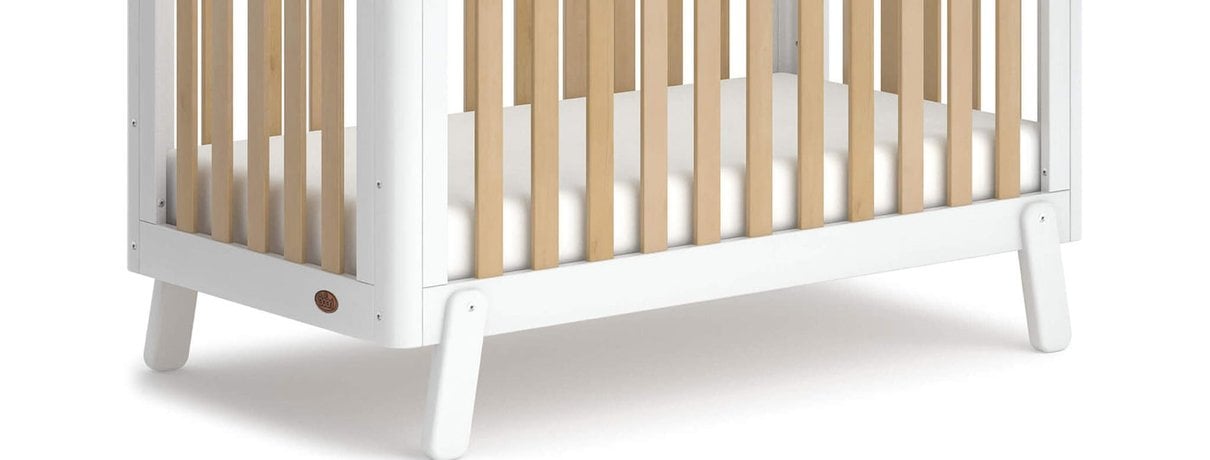
Let me be honest about my first cot. I bought the cheapest one I could find, congratulated myself on the saving, then watched it become useless the week my daughter learned to climb. Sound familiar? A convertible cot is the fix – one frame that follows your child from those tiny newborn nights to the “I’m a big kid now” school years. But not every cot that calls itself convertible delivers, and the gap between the good ones and the gimmicks is where most of us lose money.
So how do you pick one that genuinely grows? I spent far too long down this rabbit hole, and the brand that kept surfacing was Boori, whose convertible nursery range is built around exactly this idea. This is a practical buying guide – not a sales pitch – so I’ll walk you through conversion tech, mattress heights, sizing, and the awkward questions worth asking before you hand over your card.
What “convertible” actually means (and what it should)
Here’s the trap. Plenty of cots use the word “convertible” loosely. They drop one side to make a toddler bed, then stop there – and at three, your toddler still needs somewhere to sleep. A truly convertible cot keeps going. It should move through at least three stages: newborn cot, toddler bed, then a junior or full-size bed your child can use well into primary school.
The mechanism matters more than the marketing. Boori builds its frames around what it calls Boori Conversion Technology, paired with separate kits that physically reconfigure the cot into the next bed up. That’s the part to scrutinise. Does this cot convert through a thoughtful engineered system, or just a removable panel and a hopeful product description? To see how a proper multi-stage system is laid out, browse Boori’s grow-with-your-child cots and see how each model lists its stages.
Conversion kits: the part people forget to budget for
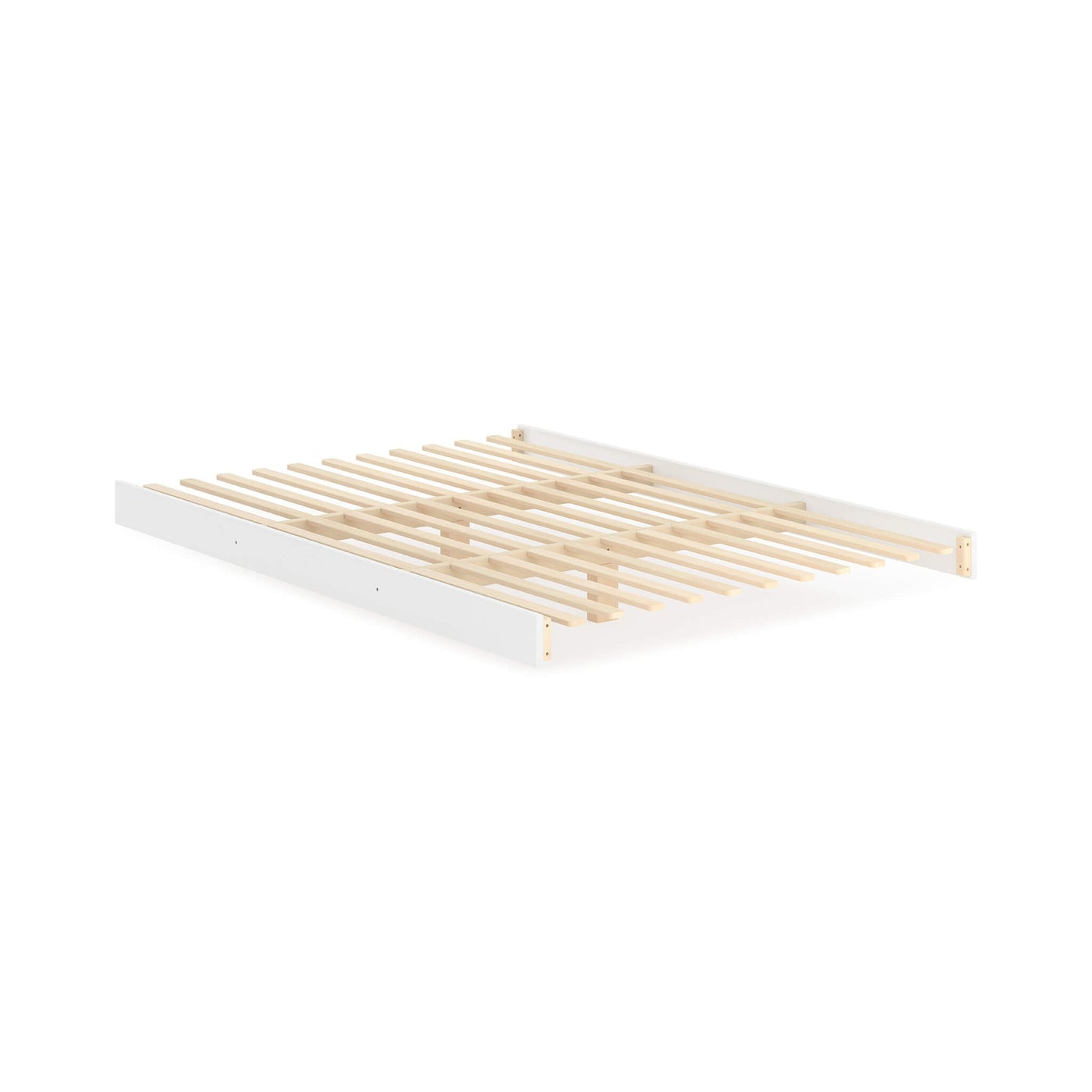
This is where my first cot let me down, and I want to spare you the surprise. The cot is only half the story. To unlock the later stages, you usually need a conversion kit – the rails, panels, or bed ends that turn stage one into stage two and beyond. Some brands bundle them. Many don’t.
Before you buy, find out three things. Is the kit included or sold separately? Will it still be available in two or three years when you need it? And does it match the finish of your cot, so the bed looks like one piece rather than a patchwork? Boori’s Convertible Plus kit slots into its matching cots for a clean transition. I’ll admit I underestimated that last point – a mismatched bed end looks oddly off in a child’s room, even if it functions perfectly.
One more practical tip – save the kit’s product code the day you buy the cot. Future you, mid-conversion at 9pm with a screwdriver, will be grateful. You can usually check kit availability on Boori’s site before you commit – exactly the homework I skipped the first time around.
Mattress heights: the safety detail that’s easy to miss
Adjustable mattress heights aren’t a luxury feature. They’re a safety feature, and the thing I’d check first now. The highest setting saves your back when you’re lifting a sleeping newborn in and out a dozen times a night. As soon as your baby can sit or pull up, you drop the base lower so they can’t tip over the rail.
How many positions do you actually need? Two is the bare minimum. Three gives you proper flexibility across the first year. Look for clearly marked positions and a base that feels solid at every height – no wobble, no flex. Why does it matter so much? Because the moment your curious little one figures out climbing, that lowest setting is the only thing between bedtime and a tumble.
Buy the cot for the climber your baby will become, not the sleepy newborn in front of you today.
And don’t forget the mattress itself. Check the exact internal dimensions before you order bedding – a cot that takes an odd size will have you hunting for sheets forever. The better convertible ranges, like the cots in Boori’s collection, list mattress sizes openly so you match accessories without guesswork.
Sizing: think about the room, not just the baby
A cot looks compact in a showroom. In a real bedroom, with a wardrobe and a changing station fighting for floor space, it can feel enormous. So measure twice. Map where the cot sits as a newborn bed and where the larger converted bed will sit later, because the junior versions usually have a bigger footprint.
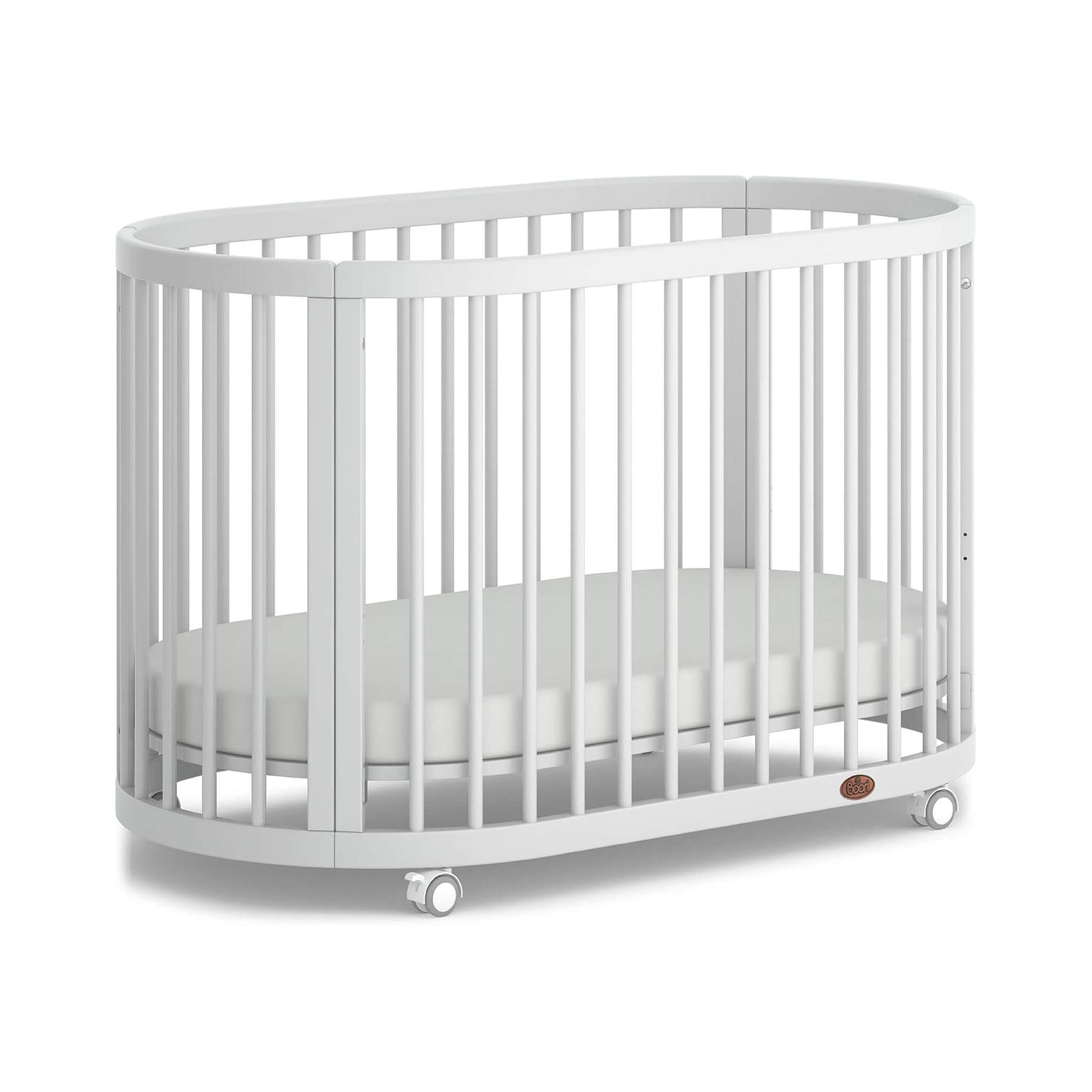
Oval and rounded cots, like Boori’s Oasis Oval, can soften a tight corner and feel less boxy. Classic rectangular cot beds, like the Turin, tend to convert into the most generous junior beds. Which is right for you? That depends on your room shape and how long you want the bed to last. There’s no universally correct answer, and anyone who says otherwise hasn’t tried to fit a cot into a small UK box room. If you’re weighing shapes, compare Boori’s cot shapes side by side with your own measurements in hand.
Materials and build: a quick quality check at the shelf
You don’t need a carpentry degree to spot a cot that will survive a decade of conversions. Want to tell solid wood from dressed-up chipboard at a glance? Run a fingertip along an unfinished edge – real timber shows continuous grain, while particle board reveals a pressed, speckled core under the veneer. Then lift one end. Solid hardwood has a reassuring heft; a suspiciously light frame is usually MDF that loosens after a couple of rebuilds. Last check: fixings that thread into the wood, not flimsy cam-locks that strip the first time you take the cot apart.
Quick checklist before you buy a convertible cot
- Conversion stages: does it go beyond toddler bed to a junior or full-size bed?
- Conversion kit: included or extra, and will it still be sold in 2-3 years?
- Mattress heights: at least 2, ideally 3, with a solid base at every level.
- Mattress size: standard dimensions so bedding is easy to find.
- Material: solid wood over chipboard for repeated reassembly.
- Warranty: a real multi-year guarantee, registered with the brand.
- Matching range: can you add storage or a bed in the same finish later?
If you want the shortcut, Boori has built solid-timber, sustainably sourced cots since 1993, so the material box is already ticked for you.
Warranty: what to demand before you pay
Treat the warranty as a checklist item, not an afterthought. What length should you accept? For a frame meant to last a decade, demand cover measured in years – aim for three or more, and walk away from anything quoted in months. Then read two clauses. Does the cover survive each conversion, or does taking the cot apart void it? And do you claim directly with the brand, not a third-party seller who may not exist by stage three? Boori quotes one to five years by range, so read the warranty terms on each cot’s page before you pay.
There’s a quieter benefit to an established range, too. Want a matching dresser, a coordinating bed, or storage drawers later? You can pick them up in the same finish so the room stays calm and cohesive. Boori ships free to mainland UK and runs a broad coordinating range – beds, storage, highchairs, even Montessori learning towers. You can see the full coordinating collection if you like building a room that grows as a set.
My honest verdict
So, would I buy a convertible cot again? Absolutely – and this time I’d buy a proper one from the start. The maths is simple. One frame that carries your child from newborn to primary school beats three separate beds you replace and bin. Better for your wallet, better for the planet, and far less faff.
Here’s my one honest reservation. The whole grow-with-you promise rests on a kit you won’t buy for two or three years – and there’s no cast-iron way to verify, today, that the exact matching kit and finish will still be in stock when your child reaches the next stage. You’re partly trusting the brand to keep stocking it that far out, and I can’t hand you a guarantee there. What I will say is that an established maker with a deep, long-running range is a far safer bet to still carry your finish than a here-today-gone-tomorrow seller. If you want a cot that genuinely grows with your child, start with the conversion-led range at Boori and check it against the checklist above.