






Most People Visit Rooftops at the Wrong Time
The rooftop attraction is on the itinerary, it’s slotted for 2pm because that’s when there was a gap, and by 3pm you’re back at ground level feeling like you’ve done it. You’ve seen the city from above. That’s the visit, right? Mostly, no. Rooftop views are time-dependent in a way that almost no other city experience is, and the difference between a mediocre rooftop experience and an excellent one is often just a matter of when you arrived.
The city looks fundamentally different at four different moments of the day: midday, golden hour, blue hour, and full dark. Each has value, but they’re not interchangeable, and if you’re only visiting once, you should be intentional about which one you’re choosing.
The Timing That Actually Matters
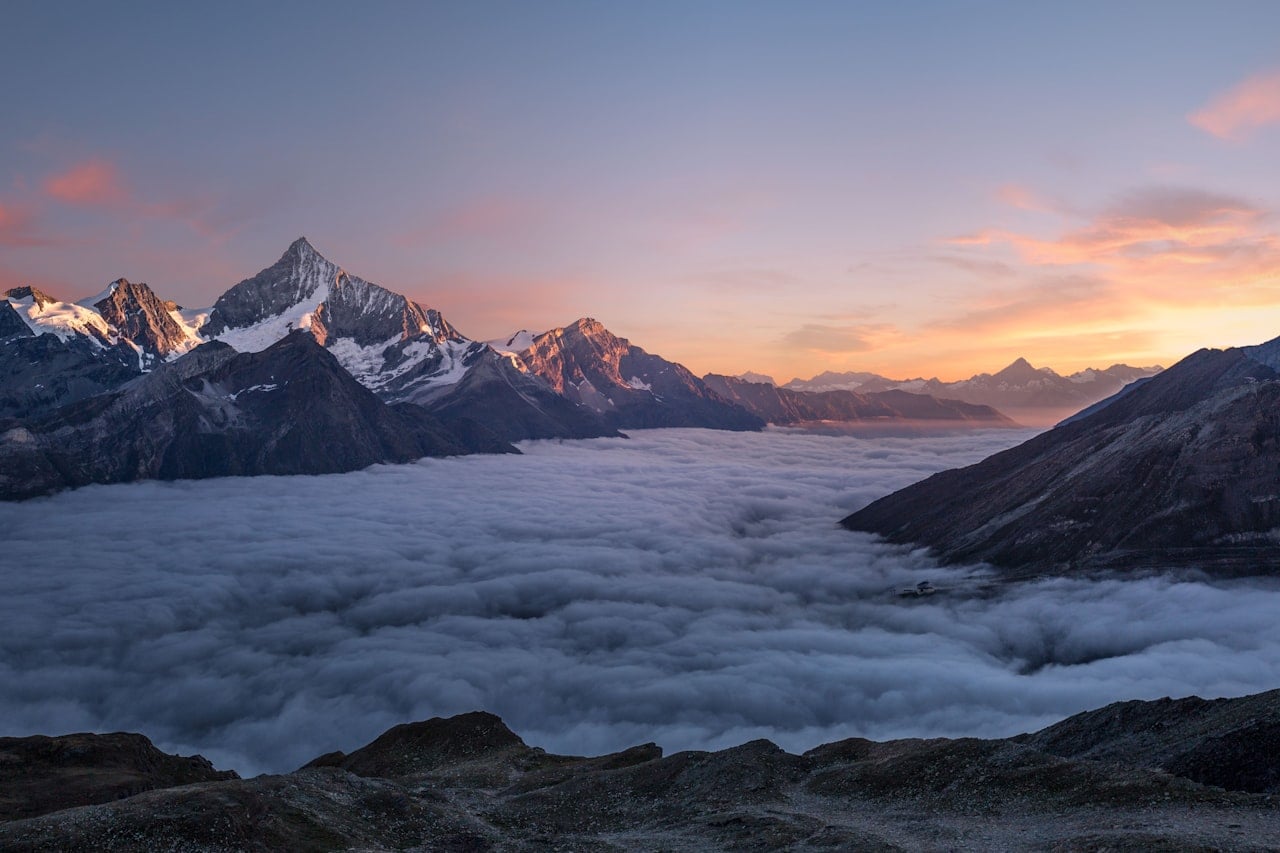
Golden hour – the hour before sunset – is the obvious answer and it’s obvious because it works. The light comes in from a low angle, shadows stretch dramatically across streets and buildings, and the warm orange-pink quality of the light makes every city look more cinematic than it does at any other time. It’s not subtle. It’s the reason every rooftop bar photo you’ve ever saved was taken at this time.
Blue hour is the one most people miss. It begins when the sun drops below the horizon and lasts for about 20 to 30 minutes. The sky transitions from orange to a deep saturated blue, and the city lights are fully on. For about fifteen minutes in the middle of blue hour, the sky and the city are in near-perfect luminosity balance – neither is dominant, and the image has depth in a way that full dark doesn’t. This is when rooftop photography, even on a phone, produces genuinely excellent results.

What to Actually Look at (Not Just Photograph)
Here’s something I’ve noticed about rooftop visits: people spend most of the time looking at their screens, composing photographs. The view as an experience – as something to actually absorb – gets lost. I’m not making a phone-free case here, but I do think there’s value in spending five minutes just looking before you start shooting.
What repays attention: the movement at street level, which from above has a pattern that’s invisible when you’re in it. Traffic flows, pedestrian clusters, the way a neighbourhood’s density changes block by block. Look for the horizon line and notice what’s on it – hills, water, industrial zones, airports – because that’s the geography of the city that locals often don’t consciously see. Find the oldest building visible and trace how the city grew around it.
These things take five minutes, they’re free, and they make the view mean something rather than just look like something.
Camera Tips Without Expensive Gear
Modern smartphones are excellent for rooftop photography if you know what to ask of them. Turn off HDR for rooftop shots at blue hour – the HDR processing can muddy the sky colours that make blue hour special. Shoot in portrait mode only if your subject is close; for cityscape shots, it doesn’t add anything and sometimes degrades the mid-distance sharpness.
Night mode works well for full dark shots but adds motion blur if there’s any camera movement – stabilise against a railing or surface when using it. For golden hour, the phone’s standard mode is almost always sufficient because the light levels are still high enough. The single most impactful thing you can do: clean your lens before shooting. Finger smears on a phone lens flatten contrast and introduce haze that editing can’t fully fix.
Rooftop Bar vs Observation Deck: How to Choose
They’re solving different problems. The rooftop bar is a social experience with a view attached – the view enhances the evening, but the evening is the product. You’re paying for drinks and atmosphere, the view is context. The observation deck is the reverse: the view is the product, and any bar or cafe element is supplementary.
| Type | Best For | Watch Out For |
|---|---|---|
| Rooftop bar | Social evenings, atmosphere, drinks | Drink prices, queue on busy nights |
| Observation deck | Serious views, photography, kids | Entry fee, time limits, weather |
| Free rooftop | Budget, local feel, spontaneous | Variable access, safety rails differ |
| Hotel rooftop | Mid-range quality, usually less crowded | Sometimes guests-only policy |
Dressing for Wind (Actually Important)
Rooftops in cities create their own wind patterns – the Venturi effect between buildings channels and accelerates wind in ways that ground level doesn’t prepare you for. A warm evening at street level can be actively cold at height, particularly on open decks above 150 metres. This isn’t a dramatic warning, just a practical one: bring a layer you can put on, even in summer. The number of people I’ve watched shivering through their own rooftop visit because they underestimated this is considerable.
“The best rooftop visit I’ve ever had was on a Tuesday evening in October, mostly because no one else had planned to be there. Timing your visit off-peak isn’t just better for crowds – it changes what the experience feels like.”
Go at golden hour or blue hour. Look before you photograph. Bring a layer. These are small things and they make a significant difference to a visit that most people invest time and often money in. The city from above is worth getting right.