






I love a New York plan with a little drama in it, but I do not love spending half the day working out which ticket, time slot or add-on makes sense. One World Observatory is one of those Downtown Manhattan experiences that can be wonderfully simple if you make the decisions in the right order. You are heading to One World Trade Center, travelling up 102 floors in 47 seconds, and then deciding how much extra time you want to give the views, exhibits and food.
This is my practical route through it. I have treated the visit like a day out rather than a single photo opportunity, because that is where the venue is strongest. It has the SkyPod elevator, the See Forever Theater, City Pulse storytelling and ONE Dine, as well as panoramic views from floors 100 to 102. If you want to check the live availability before building your itinerary, you can check the current One World Observatory ticket options first.
My short version is this: choose your budget, choose whether you value speed or guidance, then build the rest of the afternoon around your arrival. The venue is at 117 West Street, on the corner of West and Vesey Streets, and listed opening hours are generally 9:00am to 9:00pm, with seasonal changes. That location makes it particularly easy to pair with the 9/11 Memorial, the Financial District or a sunset wander along the Hudson.
Which One World Observatory ticket fits your day?
The biggest planning mistake is assuming the cheapest ticket is automatically the best choice. The Standard General Admission is the entry-level option and covers the core skyline experience. That is the sensible baseline if you already have a packed New York schedule and mainly want the view.
For a little more structure, the Combination Experience is a mid-range option. It adds priority entry, the One World Explorer digital skyline guide and a credit to use at the cafe, bar, restaurant or gift shop. I would choose it when the day is busy and I would rather spend less time in queues.
The All-Inclusive Experience is a mid-range option and is marked as the best value on the ticket comparison. Along with priority entry and the digital guide, it includes selected arrival timing and a food or shop credit. That makes it a useful middle ground for a couple who wants the visit to feel like a proper occasion.
Finally, the VIP Tour is the premium option and adds escorted entry plus a 60-minute guided tour. If you enjoy knowing what you are looking at rather than guessing which tower is which, this is the most naturally guided option. The site notes an additional processing fee, so check the final total before committing.
- Best for a quick first visit: Standard General Admission.
- Best for saving time: Combination with priority entry.
- Best for a relaxed treat: All-Inclusive with the larger credit.
- Best for context: VIP Tour with the 60-minute guide.

One detail I would not skip is reading what is actually included in the ticket you are comparing. The official ticket selection makes the differences easier to scan than trying to remember them from a booking page. I also like that the Combination product details spell out the modest food and retail credit, which can make the upgrade feel more tangible.
Which saving route suits your group?
Once you know which level of experience you want, look for an offer that fits the group. The Family Pack advertises a discount for four or more tickets, while groups of 10 to 50 can receive a discount on Standard, Combination and All-Inclusive Experiences. For a big birthday or family reunion, I would start with the family and group ticket offers instead of putting everyone through separate bookings.
There is also a Late Night Package for visits after 8pm that advertises 50% savings. It is a smart option for people who want the city lit up, and it leaves the earlier part of the day free for museums or shopping. Residents should check the current local offer as well, since eligibility and availability can change.
- Count the people before comparing ticket levels.
- Check whether your preferred arrival time is offered.
- Compare the saving with the processing fee shown at checkout.
- Keep the confirmation accessible on your phone.
For a group, the group discount information is worth opening before you choose dates. For a late arrival, check the All-Inclusive details alongside the Late Night offer, because the best value depends on whether you care more about the later atmosphere or the included credit.
My own rule is to pay for convenience when the rest of the day is time-sensitive. New York days have a habit of expanding unexpectedly, so priority entry can be worth more than a small headline saving if you have theatre tickets or a dinner reservation afterwards.
How can you make more of your One World Observatory visit?
Give yourself enough breathing room to enjoy more than the lift and the glass. The SkyPod ride is a memorable start, but the See Forever Theater and City Pulse features are what give the visit a sense of place. I would allow at least two hours inside, longer if you are adding food or travelling with children who will want to stop at every interactive point.
Before you leave, decide whether your main mood is daytime clarity, golden-hour photographs or a night skyline. The available arrival times will guide that decision. The observatory is high enough that the atmosphere changes quickly as the light moves, and even the same view feels different at 4pm and 8pm.

For a first visit, I would do the exhibits soon after arriving, then return to the windows when you have found your bearings. The One World Observatory experience is much easier to appreciate when you are not rushing from one photo spot to another. If you are using the Combination Experience, the digital skyline guide is a nice way to add names and stories to the buildings below.
- Arrive with a time buffer for Downtown traffic and security.
- Start with the lift and immersive exhibits while everyone is fresh.
- Save a second window circuit for the light you came to see.
- Take a proper break before deciding whether to add dinner.
The practical basics matter too. One World Observatory says it is cashless, although reverse ATMs are available for cash conversion, and major credit and debit cards plus contactless payments are accepted. I would wear comfortable shoes, keep the booking email easy to find and check the plan-your-visit information on the day in case seasonal hours have shifted.
Does ONE Dine belong in your observatory plan?
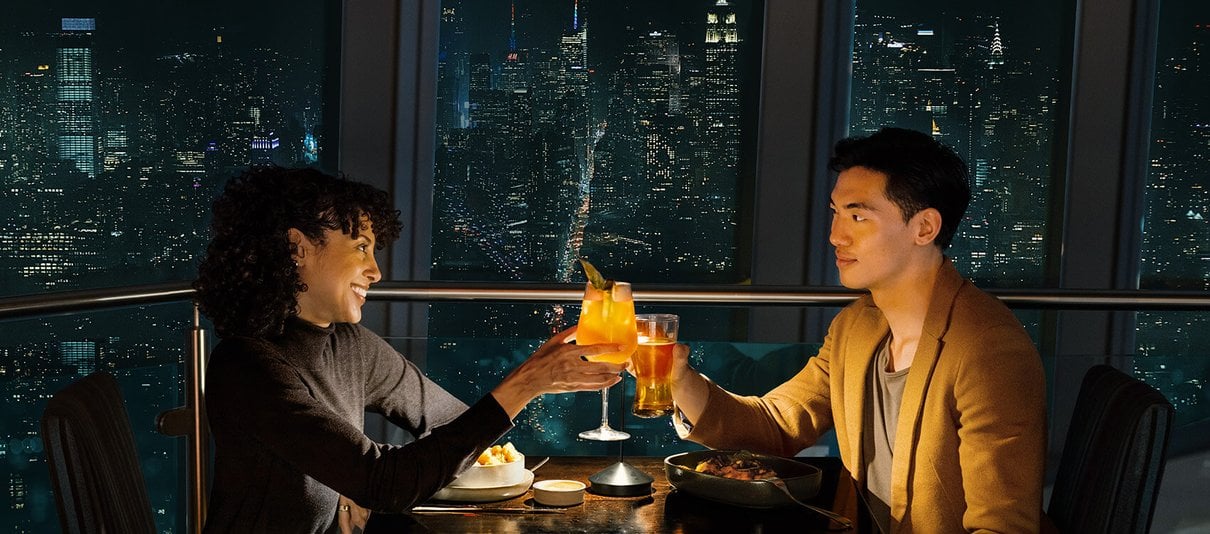
ONE Dine is the part I would add when the observatory is marking something rather than simply filling an hour. It offers seasonally inspired New American dishes and handcrafted cocktails, with dining spaces more than 1,000 feet above Manhattan. You need observatory admission to access the restaurant for an a la carte reservation, so it makes sense to consider the ticket and dining combination before booking a table.
The restaurant page lists operating hours of 2pm to 10pm, and its current seasonal offer includes a two-course lunch from 2pm to 4pm on weekdays during the stated Restaurant Week dates. Menus change, but the attraction is consistent: a meal with skyline context. You can choose a ticket with dining in mind, then review the ONE Dine experience before finalising the evening.
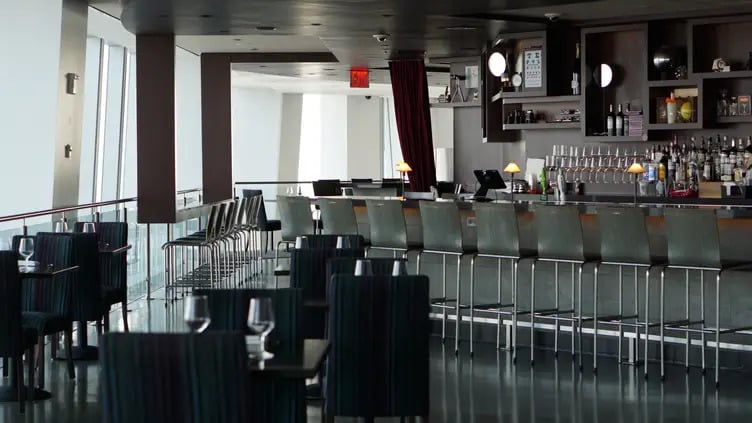
For a celebratory evening, the VIP Tour and Dine concept is the most complete route. The VIP Tour product gives you escorted entry and a 60-minute guided tour, while the venue also promotes a tour-and-dine offer. I would choose that when the dinner is the event, not just a convenient place to eat. For a more flexible plan, the All-Inclusive ticket gives a credit that can be used at the restaurant, cafe, bar or gift shop.

Reserve the table once you know your admission time, and leave a little margin between the lift, exhibits and meal. I would not schedule a restaurant booking immediately after entry: the views are the whole point, and it would be a shame to spend the first hour watching the clock.
- Casual plan: Standard ticket, then decide on a cafe or bar stop.
- Comfortable plan: All-Inclusive ticket and use the credit at ONE Dine.
- Celebration plan: VIP Tour, guided context and a reserved dinner.

The kitchen is led by Executive Chef Reuel Vincent, whose background includes banquet and VIP dining. That detail helps explain why the restaurant feels like a considered extension of the attraction rather than an unrelated venue upstairs. I would still check the latest ticket pricing and available dining-led options because seasonal menus and offers are exactly the sort of thing that changes.
How would a relaxed first visit to One World Observatory work?
If I were planning this from the UK, I would keep the day pleasantly loose: do Lower Manhattan first, arrive with a small buffer, take the SkyPod up, explore the exhibits, return to the views for the best light and then have ONE Dine as the finish. The Standard ticket works if I am moving on for dinner elsewhere. The All-Inclusive option is my pick for a slower afternoon, while the VIP Tour makes most sense when I want the visit to be the main event.
- Check the date, opening hours and current ticket total.
- Pick the ticket tier around the pace of your day.
- Choose daytime, sunset or late night based on the view you want.
- Reserve ONE Dine only after confirming admission timing.
- Keep the confirmation and directions together on your phone.
That is the useful thing about One World Observatory: you can scale it up or down without losing the central experience. A basic ticket gives you the height and skyline; a higher tier adds priority, credit or guidance; dining turns it into a complete evening. Before you travel, I would review the live options, check the current offers and then book the version that matches your actual energy, not the version that sounds most impressive.
For me, the verdict is straightforward: make the ticket decision first, protect the time around it and treat the view as the beginning of the visit. That small amount of planning leaves room for the fun bits, including the slightly ridiculous moment when you realise just how much of New York you can see from up there.