







We have a soft spot for a travel plan that leaves room for a good surprise. Give us a route with one sensible stop and we will still be the ones circling a farm shop, a museum or a winery on the map, wondering whether there is somewhere to park nearby. That is the appeal of Harvest Hosts: the overnight stop can have a personality of its own.
The current offer gives RV travellers unlimited overnight stays at thousands of unusual locations, with no camping fees, across the US and Canada. There are more than 9,700 locations across the wider network, from small businesses to private-property Hosts and golf courses, depending on the plan. I looked at the membership choices, the live discovery map and real Host pages to see where the strongest reasons to join actually sit.
My short version is this: if you already take several RV trips a year, the membership has a clear chance to pay for itself in use and make the journey more interesting at the same time. That is a useful moment to check your route and decide whether the membership fits, rather than signing up on vague road-trip enthusiasm alone.
Disclosure: this post includes affiliate links, and we may be paid a commission on purchases made through them.
Which Harvest Hosts stop would make this route memorable?
A conventional campground solves the parking problem. Harvest Hosts adds a reason to look forward to the parking. You might arrive at a working farm, browse a gift shop, taste something made on site or learn a bit of local history before settling in for the night. The stay is usually one night, although some Hosts offer extra nights, and the profile tells you what the arrangement involves.
The practical benefits are refreshingly specific. The map lets members search along a route, check vehicle suitability and filter for features such as hookups or extra nights. Reviews and photos make it easier to judge whether a stop suits the rig and the mood of the trip. Read every listing carefully, but the decision is much less blind than choosing a random overnight car park.
- More character: farms, wineries, breweries, museums and attractions replace the anonymous pitch.
- More route flexibility: search near a destination or between two points instead of rebuilding the whole journey.
- More useful detail: profiles can show length limits, surfaces, pets, generators, hookups and extra nights.
- A local connection: your spending or tasting supports the Host rather than disappearing into a generic stop.
That last point is important. The overnight does not come with a camping fee, but the idea works because members often buy produce, food, wine, beer, gifts or an experience. The value is not presented as a loophole. It is a simple exchange: a memorable place to stay and a direct way to support a small business.
The photos on a Host page matter here. A location such as Historic Warbird Air Museum in Pennsylvania promises a very different evening from a vineyard or a farm. The listing shows a 4.9 rating from hundreds of reviews and the kind of attraction that gives a short stop a genuine purpose. I would save this museum stop for a route where it is part of the plan, not treat it as a generic replacement for every campground.
Which Harvest Hosts membership matches the way I travel?
The plans are easier to compare when considered as three different levels of access. The Harvest Hosts Classic plan is the tidy entry point. It covers more than 6,000 farms, wineries, breweries, distilleries and attractions, plus campground partner savings.
The Harvest Hosts + Boondockers Welcome option adds 3,300 Boondockers Welcome locations to the core small-business network, taking the headline total to more than 9,300 locations. This is the sensible middle choice for someone who wants both distinctive business stays and quieter private-property stays.
Then there is Harvest Hosts All Access. It combines the broad network with 300-plus golf courses, 1,100 campground partners and an Escapees RV Club membership. Frequent travellers may find the extra reach easier to justify than occasional users.
- Choose Classic if you mainly want farms, wineries, breweries and attractions.
- Choose the combined plan if private-property stays would make your routes much easier.
- Choose All Access if golf, campground discounts and the added RV benefits will get real use.
Every plan includes access through the website or app, route planning, unlimited overnight stays and a one-year membership. The plan information also describes a Happy Camper Guarantee, which gives a new member some reassurance when considering the idea for the first time. The best plan is still the one that matches the way you actually travel, not the one with the largest number on the card.
What can a Harvest Hosts stay look like?
Marketing copy can make almost any travel membership sound magical, so we reviewed the US product pages for details. A few pages gave a better sense of the range. Historic Family-Owned Winery & Bistro in Pennsylvania is built around food, grounds and wine rather than simply a place to stop. The page mentions full hookups, friendly staff and on-site dining, which are the sort of details to check before committing a large RV to a new location.
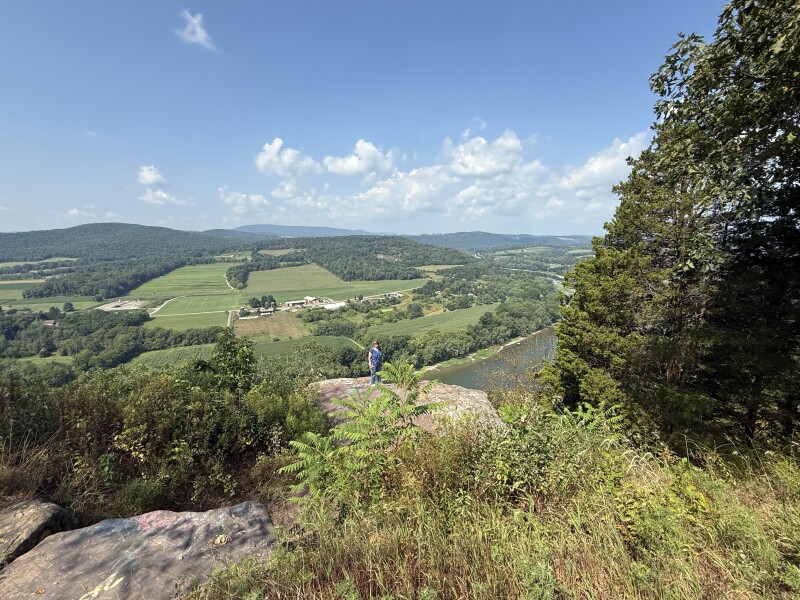
For a quieter countryside mood, Scenic Maple Sugar Camp Retreat offers a very different proposition. The listing is in Pennsylvania mountain country and highlights maple products for sale. I would read the retreat details before requesting, since that is where the parking and arrival information lives. It shows why the membership can feel more personal than a standard overnight: the thing you remember is not only where you parked, but what that place makes or sells.
I also liked the specificity of Harvest Hosts Attraction in Maine. It has a high member rating and reviews that talk about ease of arrival and the setting itself. The name is less descriptive than a winery or a farm, but that is part of the point. I would open the full Maine Host profile before travelling. The map can reveal stops I would never think to search for independently, while the profile and member feedback help me decide if a detour is worth it.
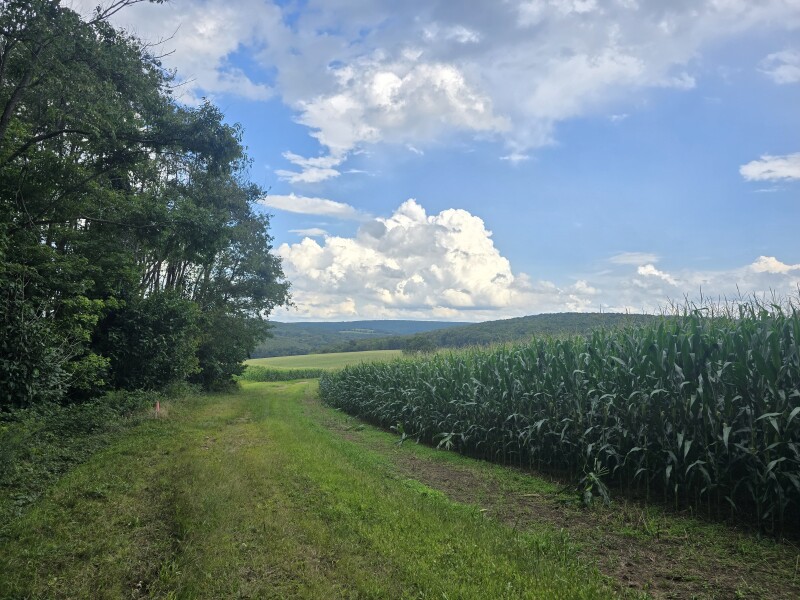
There are trade-offs, naturally. Many stays are dry camping, hookups may cost extra and a one-night stop is not a full-service campground holiday. A self-contained RV is expected, and arrival instructions differ by Host. I would check how the membership works before committing. I would not use it when I need guaranteed bathhouse facilities, a resort pool or a precise full-hookup site every night.
- Check the rig length and turning space before requesting.
- Read the arrival notes for surfaces, check-in times and generator rules.
- Budget for a purchase if the Host sells food, drinks, produce or gifts.
- Keep a campground option for nights when facilities matter more than character.
When does Harvest Hosts earn a place on my route?
The strongest use case is a long route with several nights to fill. The membership adds variety without demanding that every stop become a major excursion. One evening might be a museum, the next a farm, then a winery where members can buy something for dinner. That rhythm makes a long drive feel less like a series of fuel breaks.
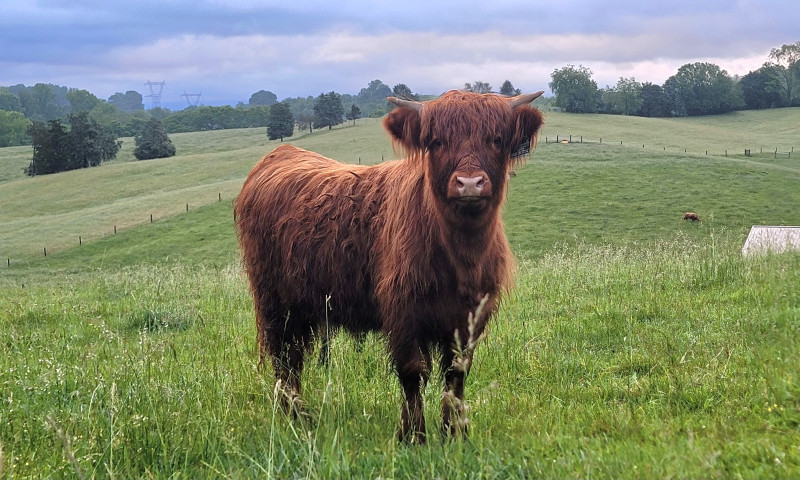
A good example is Idyllic Scottish Highland Farm Stay in Tennessee. The page describes approximately 30 Scottish Highland cattle, a peaceful setting, pet-friendly access and generator permission, while making clear that it is dry camping. That balance makes the service useful: an attractive possibility with enough information to decide whether it fits your needs.
Finally, the US product pages show that some Hosts accept same-day requests, although that does not mean instant availability. Open the route planner before the travel day, save a few favourites and keep an eye on the arrival rules. A little preparation gives the flexibility a much better chance of working.
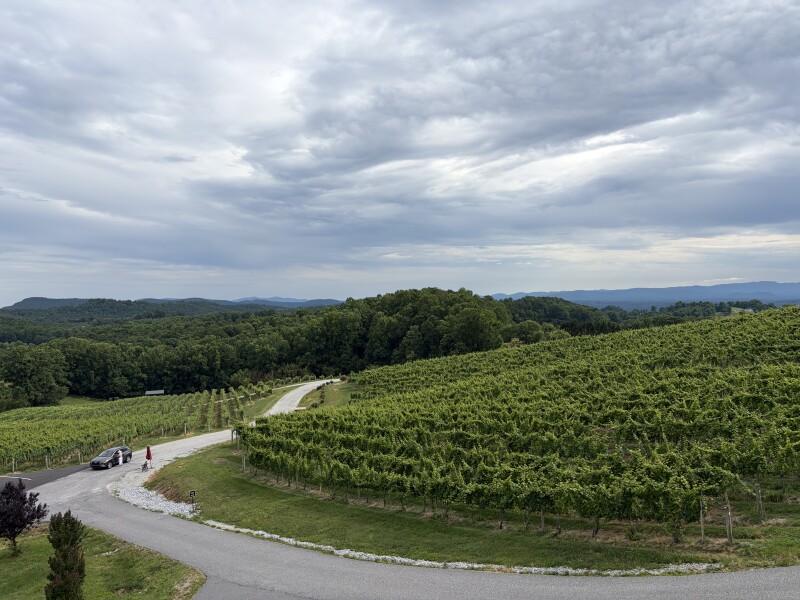
The US product pages show the appeal for people who want to support independent places as they travel. Mountain-Top Boutique Winery in North Carolina has panoramic Blue Ridge views, dining and wine tasting, plus the option of extra nights for a fee. It is not just a bed for the road. It gives the route a reason to slow down.
Ready to plan your next Harvest Hosts route?
Harvest Hosts makes most sense when you value discovery, can travel in a self-contained RV and expect to take enough trips to use the network. The strongest benefits are the sheer variety, the map tools, the opportunity to support local businesses and the low annual entry price during the current sale. The honest limitation is that these stays are not designed to replace every campground or guarantee the same facilities each night.
Based on the US product pages, we would begin with Classic when considering the concept, then move up only when Boondockers Welcome, golf or the extra partner benefits were clearly useful. Before joining, open the map near your next three destinations, save a few suitable Hosts and check the vehicle requirements. That takes minutes and turns a shiny idea into a real decision.
If your RV is already calling for a proper adventure, this feels like a timely offer to investigate. The network is broad and the best nights are the ones that make you say, “You would never have found this place on your own.” Do the route check, choose the tier that fits and let the stop become part of the story.