








I love a good campground, but I also love the slightly ridiculous feeling of pulling up beside a vineyard, farm or brewery and calling it home for the night. That is the promise behind Harvest Hosts, and it is why the membership keeps appearing in RV travel conversations. But is it genuinely better than booking a typical campground, or simply a charming extra for people who already spend most weekends on the road?
I compared the things I would actually want to know before paying: the annual cost, how easy it is to find a stop, what you get on site, how reliable the experience feels and how quickly the membership can pay for itself. The short version is that Harvest Hosts is a travel network, not a campground replacement in every situation. For the right kind of trip, though, it is a very good one.
Disclosure: this post includes affiliate links, and we may be paid a commission on purchases made through them.
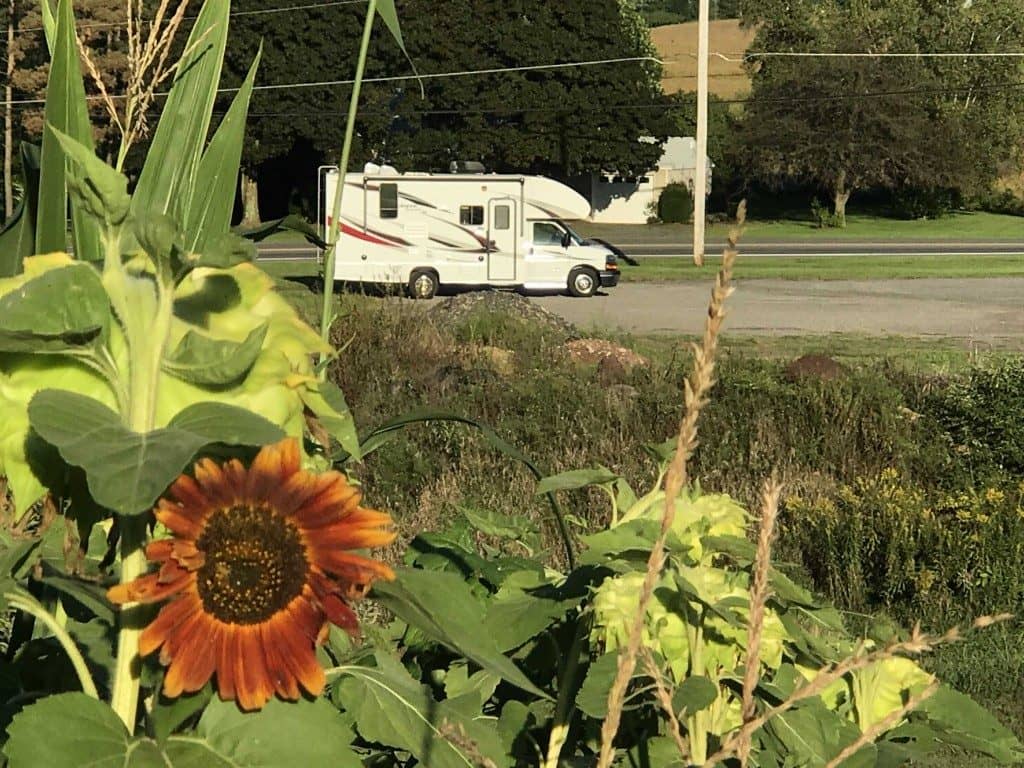
How does Harvest Hosts differ from a campground?
A conventional campground sells you a defined campsite, usually with a pitch, facilities and a clear nightly rate. You choose dates, pay for the reservation and know roughly what the evening will look like. A Harvest Hosts membership works differently. You use the map to request an overnight stay at a participating host, usually for no camping fee, and the host experience is the point.
That could mean tasting local wine, browsing a farm shop, visiting a museum or walking around a brewery’s grounds. The stay is often a one-night stop rather than a full resort-style base. I think of a normal campground as the destination and Harvest Hosts as the interesting comma between destinations.
- Campground: predictable facilities, pitches and nightly booking.
- Harvest Hosts: unusual settings, local businesses and no camping fees at host locations.
- Both: you still need to check access, vehicle length, arrival rules and available hookups.
There is an important catch, and I would rather say it plainly. Hosts are not all identical. Some offer electric hookups for an extra fee, some are dry camping only, and many stays are limited to one night. The listing, reviews and filters matter. If your priority is a shower block, swimming pool and guaranteed full hookup, a traditional campground remains the safer choice.
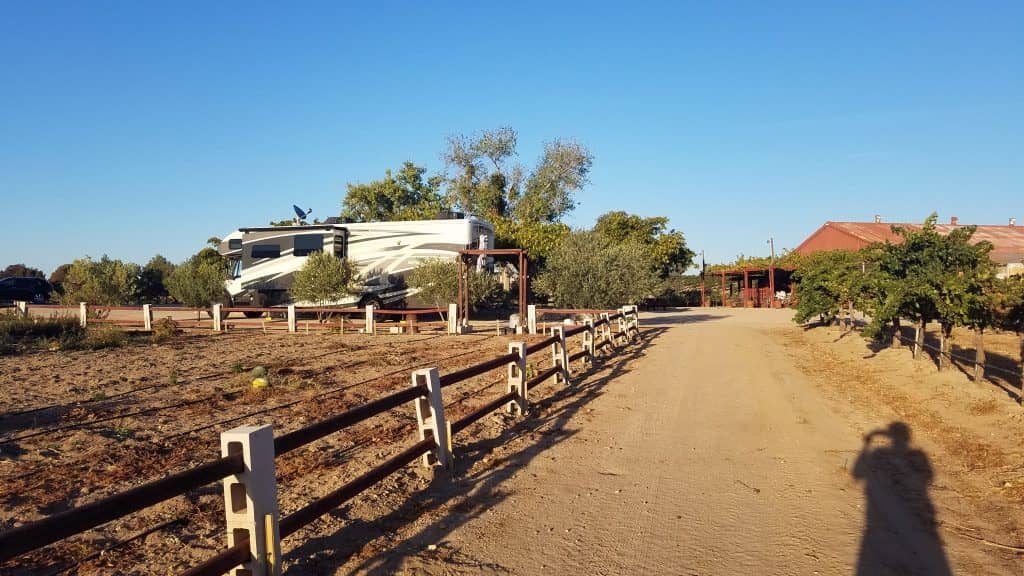
When does a Harvest Hosts membership make sense?
The current plans make the maths fairly easy to follow. Harvest Hosts Classic includes the main network of farms, wineries, breweries, distilleries and attractions. That is the option I would compare with the cost of two ordinary campground nights, rather than pretending every stop is completely free. You can check the Classic offer before planning.
The Harvest Hosts + Boondockers Welcome plan adds access to private-property stays through Boondockers Welcome, which is useful if you value quiet residential or rural overnight options as much as small-business visits. All Access adds golf courses, campground partners and an Escapees RV Club membership to the wider network.
- Classic: best for unique small-business stops and straightforward value.
- + Boondockers Welcome: best if private-property stays appeal to you.
- All Access: best for frequent RV travellers who will use the extra networks and perks.
Compared with a campground, the saving is not just the membership price. You may choose to buy wine, produce, beer or an experience from your host, so no camping fee does not mean no spending. I see that as part of the charm, provided you budget honestly. If you only take one RV trip a year and stay at paid parks for a long weekend, the break-even point is less compelling. If you make several road trips, the annual fee can be recovered quickly.

Will the host network fit my route?
The headline number is 9,700+ locations, with farms, wineries, breweries and distilleries, attractions, community hosts, golf courses and partner campgrounds represented across North America. A large network sounds impressive, but the useful question is whether there is a suitable host near your actual route. Happily, the Harvest Hosts map lets you search by location, host type, hookups and extra nights. I would browse nearby hosts first.
I would plan in this order: decide how far I want to drive, search near the route, then read the host details rather than choosing a pin because the photograph looks lovely. The app and website also show reviews, vehicle restrictions and whether a host accepts generators. That makes it much less improvised than old-fashioned boondocking.
- Map the route and identify realistic arrival times.
- Filter for rig length, hookups, generator rules and extra nights.
- Read recent reviews and check the host’s purchase or visit expectations.
- Request the stay, then confirm the arrival instructions before driving in.
This is where Harvest Hosts has an advantage over searching random overnight spots online. You get a dedicated network and fellow-member feedback in one place. It is still not the same as a guaranteed campground reservation, though. Popular hosts can be unavailable, and a request is not permission to arrive without confirmation.
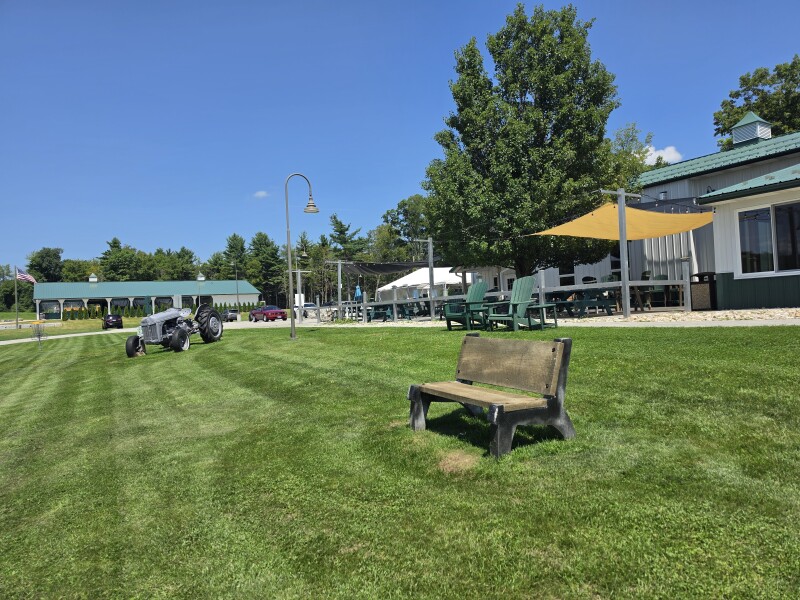
What comfort and amenities will I get?
Campgrounds win on consistent infrastructure. You can usually expect marked sites, bathrooms, dump stations and, depending on the park, showers and laundry. Harvest Hosts wins on atmosphere. A quiet farm field or winery may feel more memorable, but you need to be comfortable with simpler facilities and more variation from one stop to the next.
Some hosts have electric or water hookups, often for an additional charge. Extra nights may also be available, in some cases up to four total nights. Filters make those features easier to find, but I would never assume them. A self-contained RV is important because many stays expect you to manage cooking, toilets and waste inside your vehicle.
- Check whether the host has electric or water hookups.
- Confirm your RV length and turning space before arrival.
- Look for generator-friendly and extra-night filters if they matter.
- Keep a backup campground in mind for weather, fatigue or a late arrival.
The community element is another meaningful distinction. A campground can be wonderfully social, but a host often gives the stop a more personal connection to the place. You may meet the owner, learn what is made there or leave with something local. That is not a guaranteed perk, and I would not treat a purchase as an admission fee, but it is a lovely way to make a travel day feel less anonymous.
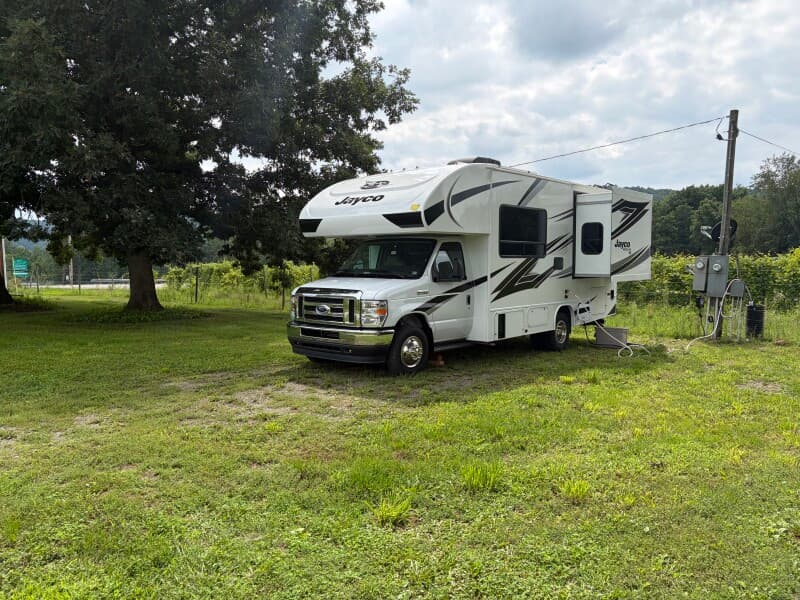
Which option suits my kind of trip?
For a family wanting a week beside a pool, a couple needing a serviced pitch or anyone who values fixed facilities above novelty, I would book the campground. It is easier to compare like with like, and the nightly price buys a more predictable experience. I would also choose a campground when I need to arrive late or stay several nights without moving.
For a self-contained RV couple driving between destinations, Harvest Hosts Classic is the most sensible starting point. It offers the core idea at the lowest listed annual price, and you can test whether you enjoy the one-night rhythm before paying for more access. If private-property stays sound especially appealing, the Boondockers Welcome combination is the better comparison.
I would pick All Access only when I expected to use several of its extras. The higher plan is not automatically better if your trips are occasional. Its value grows for frequent travellers who want the broadest mix of hosts, campground partner discounts and the Escapees benefit.
- Choose a conventional campground for facilities and certainty.
- Choose Classic for affordable, characterful one-night stops.
- Choose + Boondockers Welcome for a broader private-property network.
- Choose All Access when the added networks will genuinely be used.
Ready to choose between Harvest Hosts and a campground?
After weighing the alternatives, I think Harvest Hosts is worth it for active RV travellers who enjoy the journey as much as the destination. The annual price is modest beside repeated campground nights, the host network creates genuinely different stops, and the map makes route planning practical. I especially like that the membership nudges you towards small businesses and places you might otherwise drive straight past. Compare the plan options if you are undecided.
The trade-off is predictability. You must read listings, request stays, respect the host’s expectations and accept that amenities vary. That is a fair exchange for a vineyard, farm or brewery setting, but it is not the same product as a full-service campground. My recommendation is to start with the Classic plan if you take at least a few RV trips each year, then move up only when the additional networks match how you travel.
In other words, keep campgrounds for comfort nights and use Harvest Hosts for the memorable ones. That combination feels more useful than forcing either option to do every job.