






I love a pretty route as much as the next person, but RV travel is ultimately a series of practical decisions: where can I fit, what will it cost, and will I still be cheerful when I arrive? Harvest Hosts takes a different approach from a standard campground. Instead of booking a serviced pitch for a nightly fee, I join a membership network and request overnight stays at farms, wineries, breweries, attractions and other host properties.
That sounds charming, and often it is. It is also not a universal replacement for a campground. In this comparison I am weighing Harvest Hosts against the typical campground on the things I would actually compare before paying: upfront cost, facilities, route flexibility, comfort, atmosphere and the amount of planning involved. The membership includes 9,700+ locations advertised across the wider network, so the question is less “is it cheap?” and more “does it suit the way I travel?”
My short answer is already forming: I would choose Harvest Hosts for interesting one-night stops and a traditional campground when I need reliable services. The useful part is working out where each option earns its place.
Disclosure: this post includes affiliate links, and we may be paid a commission on purchases made through them.
What does a campground offer that Harvest Hosts does not?
A campground is designed around camping infrastructure. I expect a marked site, a defined check-in process and some combination of electricity, water, sewer, toilets, showers, laundry, a dump station or shared recreation space. The exact bundle varies, but the service is the point. I can arrive, connect the RV and get on with the evening. I would still compare the membership offer before deciding where it fits.
Harvest Hosts is designed around access and experience. The Harvest Hosts map puts farms, wineries, breweries, attractions and community hosts along a route, then lets members request a stay. A property may offer a level parking area and a warm welcome, but it may also be dry camping with no shower block. I am exchanging predictable infrastructure for a more distinctive setting.
- Campground: pay for a defined camping service and usually know what facilities are available.
- Harvest Hosts: pay an annual membership to access unusual overnight settings, then support the host through a purchase or visit.
- Best overlap: some plans include campground partners, so the choice is not always completely either-or.
That difference changes my expectations. If I am travelling with a nearly empty water tank, a full grey tank and a toddler who has just discovered the urgency of showers, a serviced campground wins. If I want to break a long drive beside a vineyard and buy local produce in the morning, the membership network becomes much more appealing.
How does Harvest Hosts membership compare with campground nights?
The price comparison is not quite annual fee versus free night, because a host stay can involve a tasting, meal, shop purchase or paid hookup. Still, the maths is attractive for regular RV travellers. Harvest Hosts Classic includes 6,000+ farms, wineries, breweries, distilleries and attractions, plus 1,100+ campground partners. I would check the current Classic deal before budgeting around it.
Harvest Hosts + Boondockers Welcome adds 3,300+ private-property hosts. Harvest Hosts All Access includes 300+ golf courses, campground partners and an Escapees RV Club membership alongside the core network.
- Choose Classic if two campground nights would cover the annual fee for your travel pattern.
- Choose + Boondockers Welcome if private driveways and residential hosts matter to you.
- Choose All Access only when the golf, campground and Escapees extras will genuinely be used.
A campground usually wins on price transparency per night. I know the pitch fee before I arrive, although add-ons can still appear for electricity, pets, extra vehicles or premium sites. Harvest Hosts wins on repeat use: after the membership fee, the overnight itself has no camping fee, but I should budget for the host’s business. That is part of the arrangement, not an unpleasant surprise to be gamed.
My honest cost verdict is simple. For one short RV trip a year, a campground may be easier. For several journeys with two or more suitable stays, the membership can pay for itself quickly. The full plan comparison is worth checking immediately before joining because sale pricing and included perks can change.
Where do campgrounds offer more comfort than Harvest Hosts?
This is the section I would not skip just because the photos are lovely. A typical campground is the safer choice for full hookups, bathrooms, showers, laundry, playgrounds and a level marked site. Some locations are basic, of course, but their listings are generally built around explaining camping facilities. I can also filter by amenities on a campground booking search and compare sites within the same property. I also like to see the available RV options before committing.
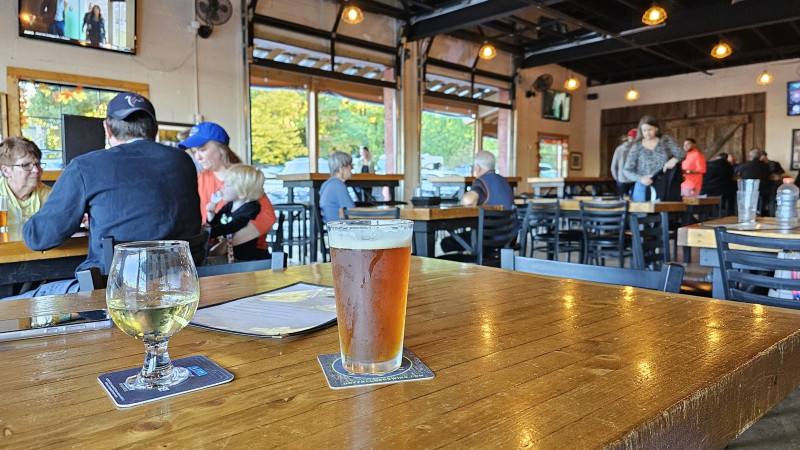
Host properties are more varied. Many accept self-contained RVs, and some offer electric or water hookups for a small extra fee. Others are dry camping. I would open the Sustainable Farm Brewery & Winery Getaway profile as an example: it is described as having a taproom, restaurant, café, 50A electric availability and room for rigs over 45 feet. That is unusually useful detail, but I would still verify the current arrival instructions before setting off.
- Need a shower and laundry? Book a campground, or confirm a nearby alternative before choosing a host.
- Need power? Filter for electric and check whether the hookup costs extra.
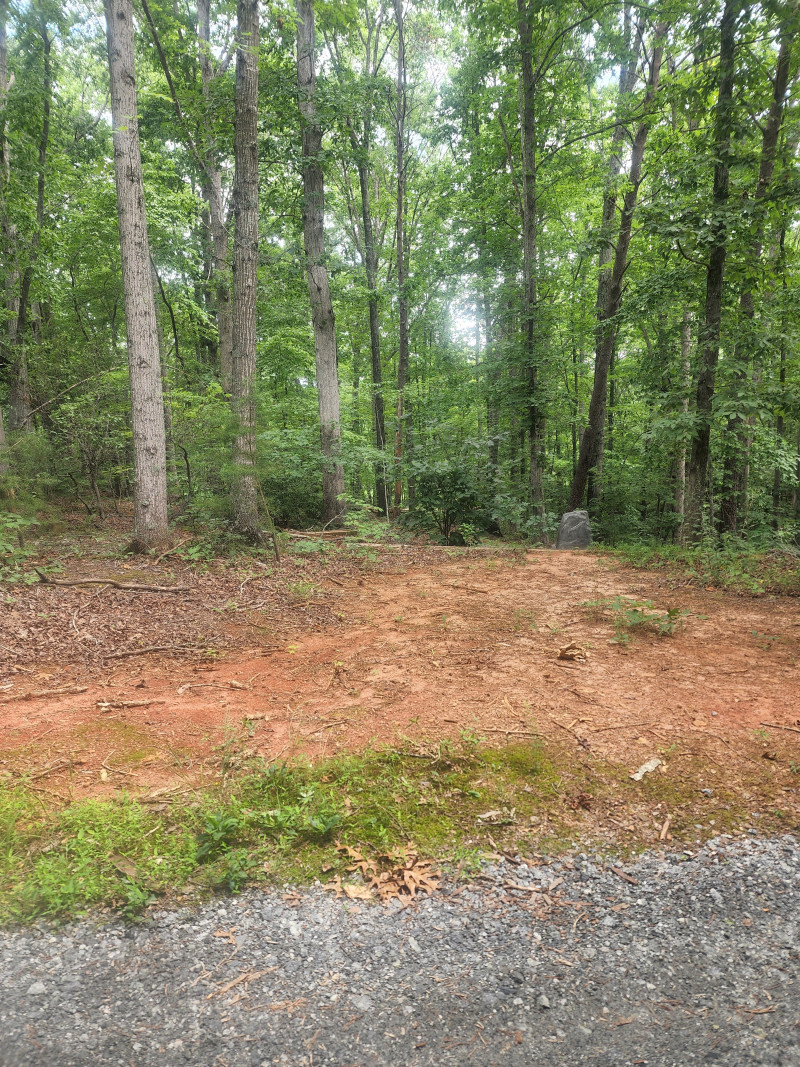
- Have a large rig? Read the length, turning and surface notes rather than trusting the main photo.
- Want quiet? Check reviews, generator rules, business hours and arrival expectations.
The Mountain-Top Boutique Winery listing demonstrates another trade-off: the host offers up to four extra nights for an additional nightly fee. That could be a lovely base for exploring, but it is not the same as assuming a campground has every service on site. Comfort requires more homework with a host stay.
How can Harvest Hosts improve route planning?
Campgrounds are excellent when I have a destination and a firm arrival time. The difficulty comes when the popular ones are booked, expensive or miles away from the route. Harvest Hosts adds a different kind of flexibility. I can search along the drive, look near a destination and save several host types rather than defaulting to the same highway stop.
The route-planning map includes filters and listing information, while reviews and photos help me judge whether a stop is realistic. I would save at least two options, then check vehicle length, pets, generator policy, hookups, slope, surface and the host’s preferred arrival window. The Idyllic Scottish Highland Farm Stay is the sort of specific listing that makes the network memorable, with its rural setting and extra-night option.
There is a catch: many host stays are for one night, requests may need confirmation and the parking area may not resemble a formal pitch. I never rely on a map pin alone. I save the message thread, screenshot the arrival notes and keep a paid campground as a fallback for storms, fatigue or a sudden change of plan.
My quick comparison looks like this:
- Campground: best for a fixed destination, facilities and predictable arrival.
- Harvest Hosts: best for breaking a route somewhere memorable and supporting a local business.
- Either: check reviews, access, weather and the needs of your particular RV.
That button is most useful when I have a real route in mind. Browsing a map for an hour and then discovering that the nearest attractive host is a four-hour detour is how travel planning becomes unpaid admin.
Which travel style suits Harvest Hosts best?
The emotional difference is noticeable. A campground gives me a little private rectangle and the relief of knowing the system. That is valuable after a long day. Harvest Hosts gives the stop a story: a farm shop, a brewery lunch, a museum visit or a conversation with the person who runs the place. The Historic Warbird Air Museum listing, for example, offers a much more memorable reason to pause than a generic parking lot.
The trade-off is that I need to behave more like a considerate guest. I read the rules, arrive when agreed, keep the area tidy and support the host in a way that makes sense. I also accept that a working property can have uneven ground, animals, business noise or an early start. Charm is not the same as guaranteed comfort.
For families, large rigs and travellers who dislike uncertainty, a campground is often the kinder choice. For couples, solo travellers and curious RVers with a self-contained setup, the membership’s social and local angle can be exactly the point. I would use it as a complement rather than forcing every night into one system.
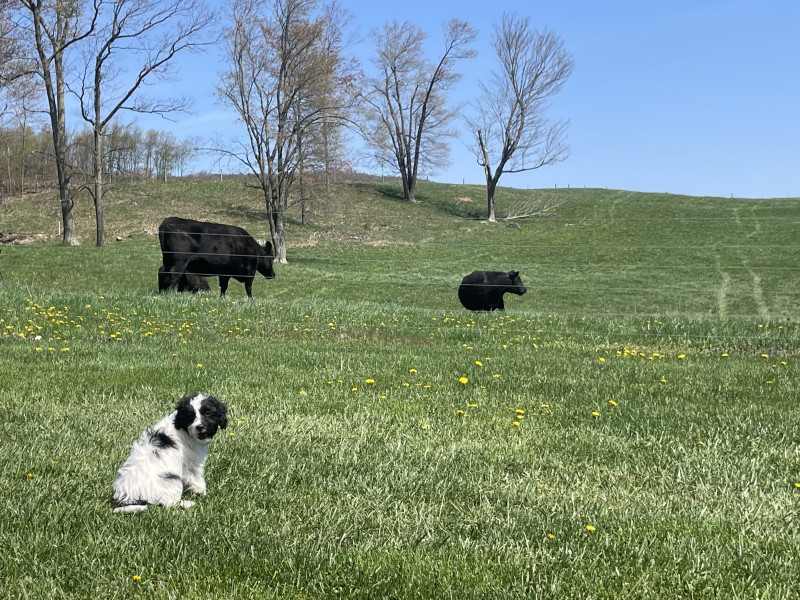
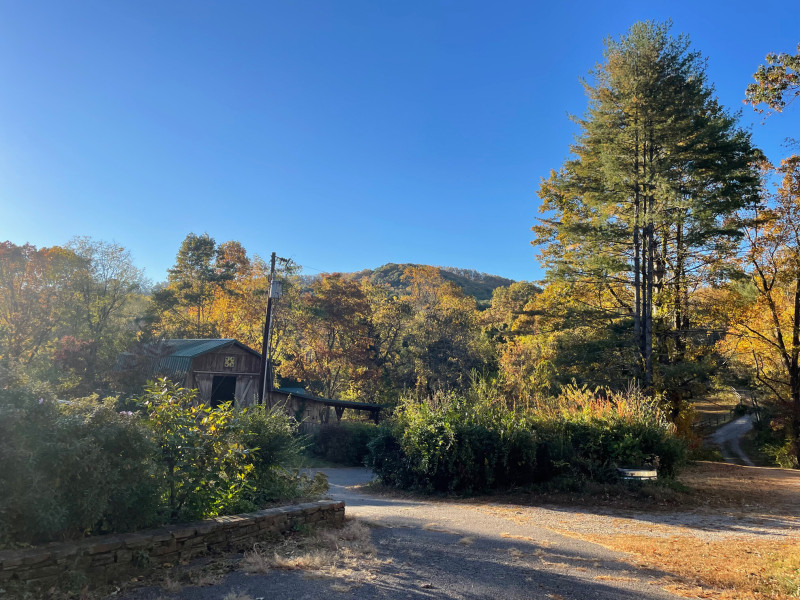
I like to leave a little breathing room between two scenic stops. It gives me time to check access, read the latest notes and decide whether I need a more conventional site that night.
Ready to test Harvest Hosts on your next RV trip?
I recommend Harvest Hosts to RV owners who are self-contained, take multiple road trips and genuinely like the idea of staying at small businesses or unusual properties. I would start with Classic because it is the least risky test and the core network is already broad. If I knew I would use private-property stays, I would consider + Boondockers Welcome. I would reserve All Access for travellers who can name the extra benefits they will use.
I would not recommend it as a complete campground substitute. A campground is better for showers, laundry, full hookups, children’s facilities, long stays and a reliably level site. The strongest setup is a mix: use campgrounds for service-heavy nights and Harvest Hosts for the stops that make the route feel like a holiday rather than a transfer.
Before joining, I would check the current plans, search one familiar journey on the map and open two or three listings. If the locations fit your vehicle and the small-business exchange sounds enjoyable, the membership is a very sensible addition to an RV toolkit.