





Planning an RV trip sounds wonderfully simple until I am staring at a map with three possible routes, a nearly full campground calendar and a partner asking whether we really need to drive another hour for a place to sleep. My favourite solution is to build the overnight stops into the adventure itself. That is where Harvest Hosts fits: it connects self-contained RVers with farms, wineries, breweries, attractions, golf courses and private hosts.
This is my practical route-planning method for using the membership well. It covers choosing a plan, checking a host, timing your requests and preparing for the less polished bits. The headline appeal is clear: 9,700+ locations and unlimited overnight stays with no camping fees. The real value appears when I use those locations as useful, interesting stepping stones rather than random pins.
Before I search, I decide what job I need the membership to do. Do I want a memorable stop between two cities, a quiet place after a long driving day, or a few extra nights near a destination? That one decision changes the best plan. It also stops me from paying for features I will never use, which is a very glamorous way to ruin a travel budget.
Disclosure: this post includes affiliate links, and we may be paid a commission on purchases made through them.
Which Harvest Hosts membership fits the trip?
Start on the Harvest Hosts plans page and compare the three practical routes. Harvest Hosts Classic includes the core network of farms, wineries, breweries, distilleries and attractions, plus campground partners. For a couple taking several road trips, this is the sensible first test.
The Harvest Hosts + Boondockers Welcome plan adds private-property stays, so it suits me when I want both small-business visits and quieter residential or rural overnights. Harvest Hosts All Access adds golf courses, more campground partner access and an Escapees RV Club membership.
- Classic: choose it for farms, wineries, breweries and attractions at the lowest listed price.
- + Boondockers Welcome: choose it when private-property stays are a major part of the plan.
- All Access: choose it when golf, broader partner perks and the extra networks will get genuine use.
The membership is not a promise that every stop has full hookups, showers or a level concrete pitch. It is access to a network of hosts with different layouts and expectations. I budget for purchases from a host too, because supporting the farm shop, tasting room or café is part of the social bargain. No camping fee does not mean no travel spending.
Where should I search along the route?
Next I open the Harvest Hosts map and search from point A to point B. I can also explore locations near a destination, but route planning is more useful when the stop saves me from backtracking. I set a realistic driving limit first. A beautiful farm is not a good choice if arriving there means pushing through another exhausting two hours.
The map lets me look for host types, hookups, generator-friendly locations, extra nights and sometimes same-day requests. I save a few options, then open each host profile instead of trusting the thumbnail. Profiles show photos, reviews, rig-size limits and arrival details. Read the practical notes before falling for the scenery.
- Set the route and a comfortable maximum driving time.
- Filter for vehicle length, hookups, pets, generators or extra nights.
- Save two or three realistic hosts for each overnight gap.
- Compare recent reviews, access notes and the host’s preferred arrival window.
For a first trip, I would pick a listing that explains its parking surface and check-in method clearly. A gravel area, a host greeting and a 50A hookup can be exactly right for one rig and awkward for another. If you want to see the type of variety available, browse the location gallery and then return to the actual listing for the details that matter.
What should I check at the host site?
My next pass is deliberately unromantic. I check whether the host accepts my vehicle length, whether there is enough turning space, and what happens if I arrive after dark. I look for the parking surface, slope, check-in time and whether the host greets guests. These details tell me more about the night than a dozen sunset photos.
Then I check facilities. Some hosts offer electric or water hookups for an extra fee. Others are dry camping, which is fine when my tanks and batteries are ready. I confirm whether pets are welcome, whether a generator is allowed and whether extra nights can be requested. The membership benefits include map layers for weather, satellite views and cell coverage, all useful when a stop is remote.
- Rig fit: length, height, slide-outs and tow vehicle space.
- Arrival: check-in time, host greeting and late-arrival instructions.
- Power: dry camping, generator rules or paid electric hookups.
- Comfort: slope, surface, signal, pets and access to food or water.
A listing with four stars and honest notes can be a better fit than a perfect-looking photo with no useful information. I also keep a paid campground as a backup for stormy weather, fatigue or a late change. Flexibility is part of good RV planning, not evidence that the membership failed.
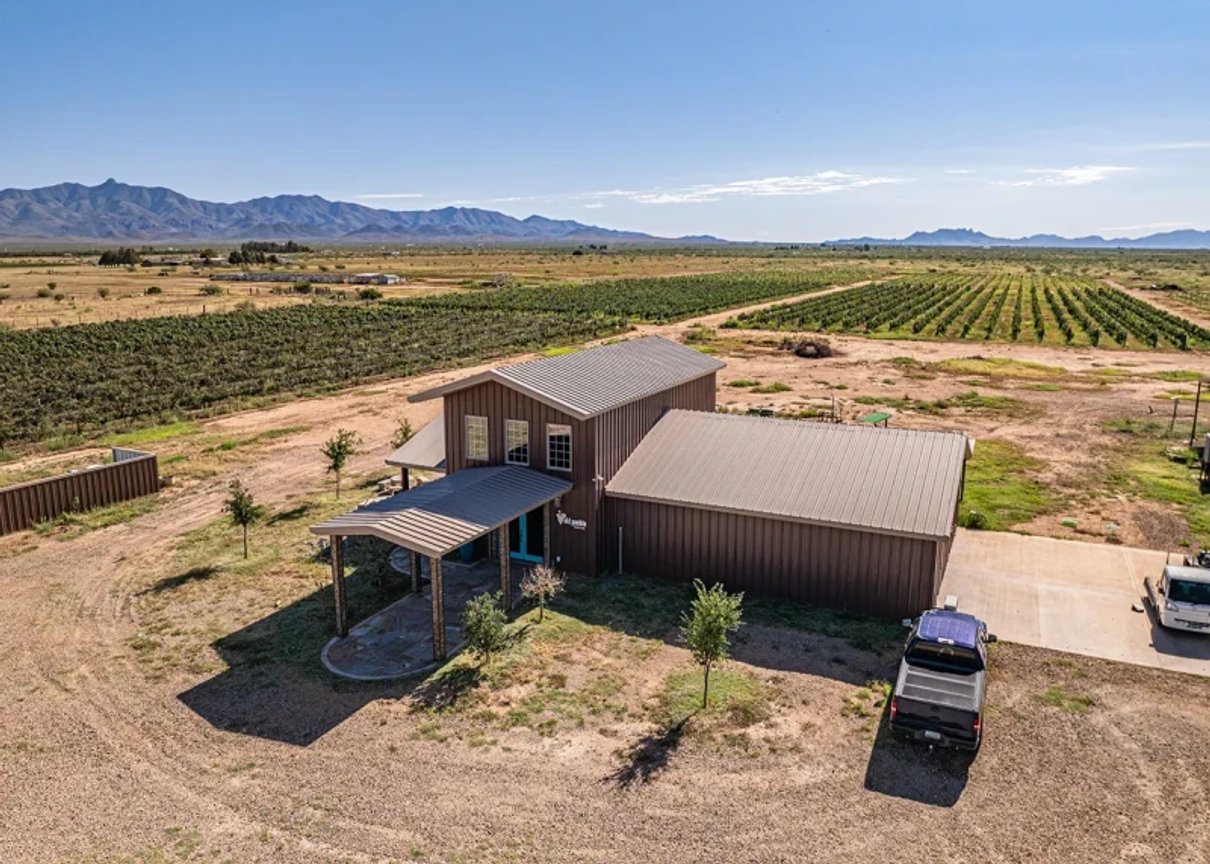
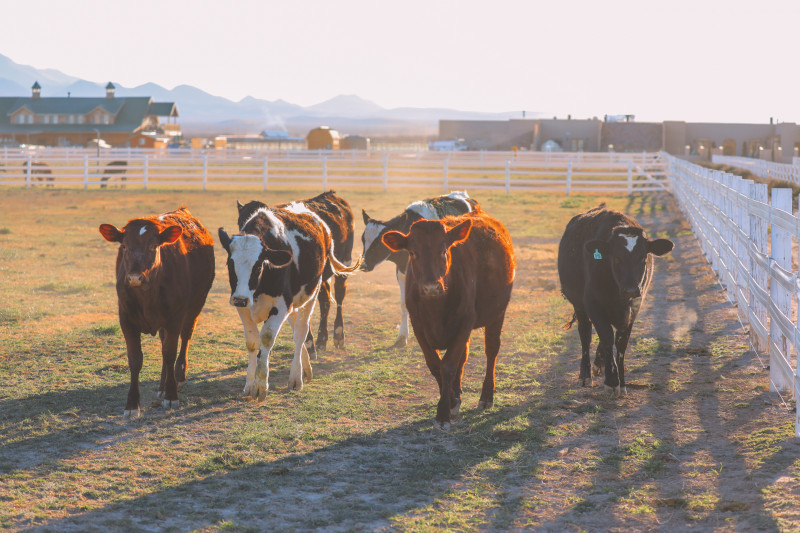
One of the concrete stays I would shortlist is Sustainable Farm Brewery & Winery Getaway in Arizona. Its profile describes a working farm with a taproom, restaurant and café, plus 50A electric availability, on-site dining and space for rigs over 45 feet. That is a useful example of how to read beyond the category label: this is not just a wine stop, it is a potential food-and-power stop too.
How should I request the stay?
Once I have a first choice and a backup, I request the stay through the Harvest Hosts booking tools. My message is short: I include the RV length, arrival estimate, number of people, pets if relevant and whether I would like a hookup. If the host has purchase guidance or a tasting appointment, I ask about that politely rather than treating it as an admission fee.
I do not drive in just because a pin exists on the map. I wait for confirmation, save the arrival instructions and check the route again on the day. Many hosts accept same-day requests, while others open availability 90 to 180 days ahead. A quick look at current availability tells me whether I need to be flexible with the date.
Before departure, I screenshot the listing and message thread. Signal can disappear precisely when I need a gate code, and apparently my phone enjoys choosing scenic dead zones for its little dramas. I also send the host a courtesy update if traffic changes my arrival time. Good communication protects the welcome.
How can I make the host stop worthwhile?
The best Harvest Hosts stays are not just cheap parking. I check opening hours, reserve a tasting or meal if needed, and leave time to browse the property. At a farm, that might mean buying produce. At a brewery, it might be lunch and a walk. At an attraction, the admission or shop can turn an ordinary travel break into the day’s highlight.
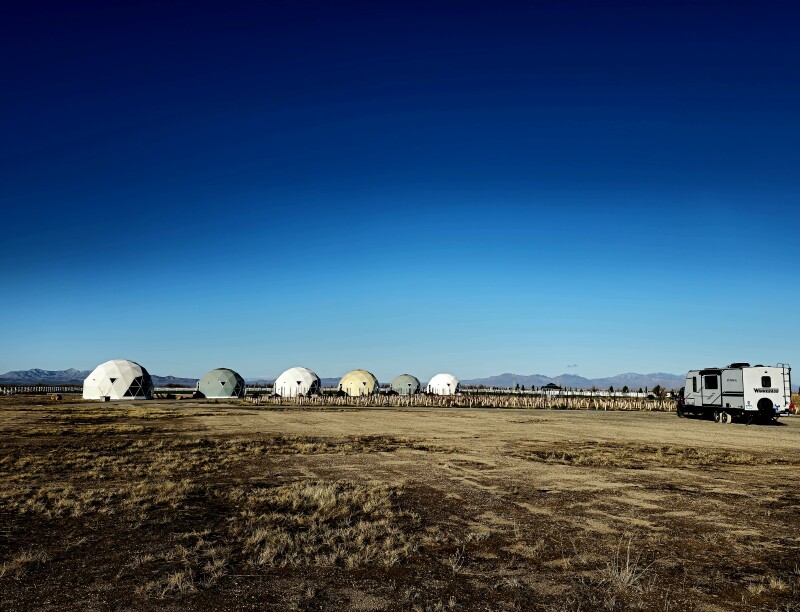
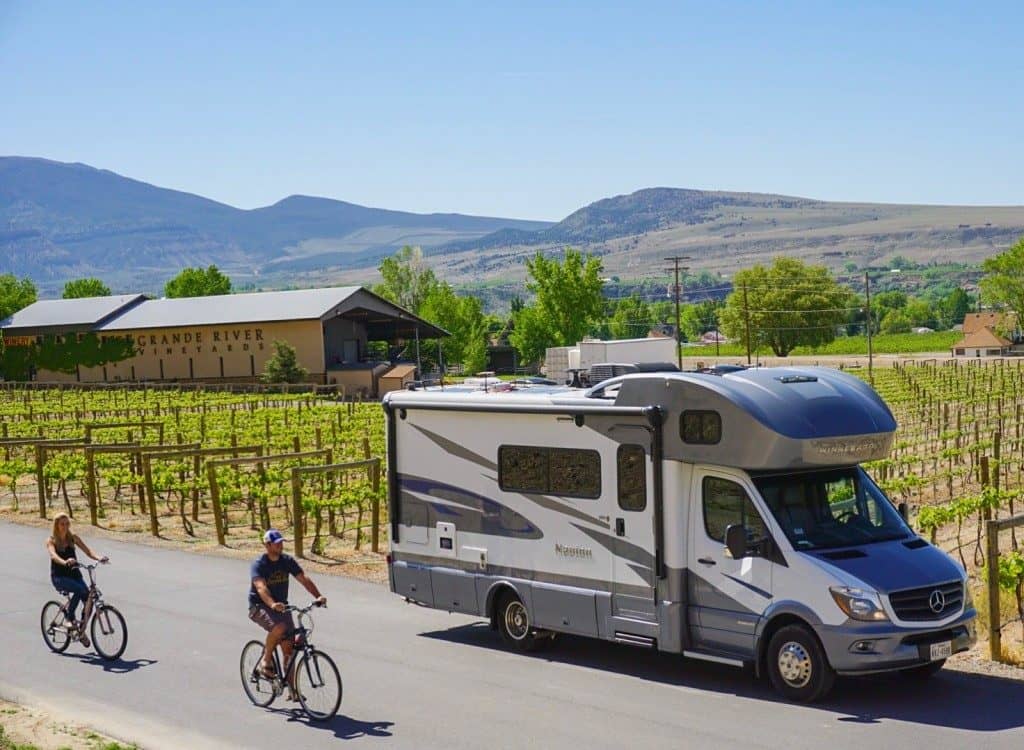
Member photos show how different the experience can be. The gallery of RV locations includes vineyards, working farms and outdoor recreation spaces, while the individual host pages add the information needed to judge fit. I choose one meaningful activity, then keep the evening easy. A quiet walk and a local snack are sometimes the whole itinerary.
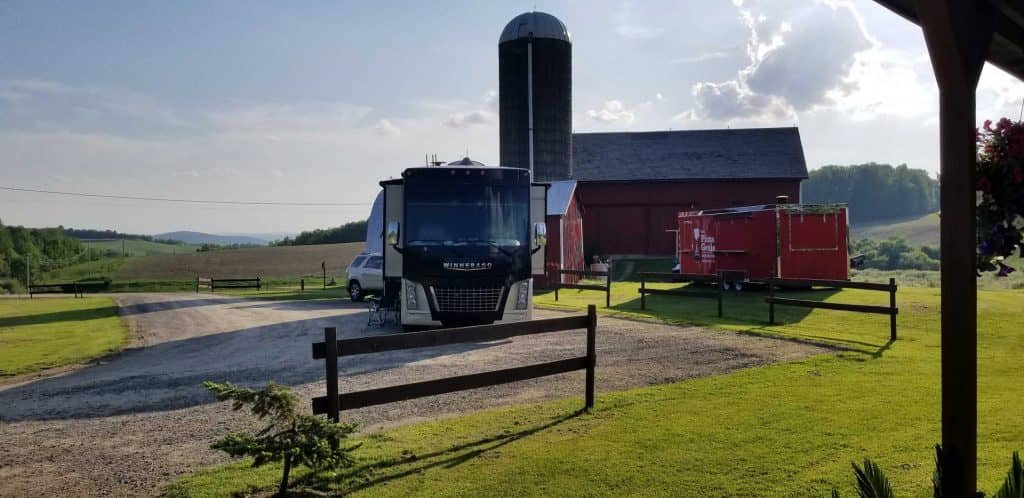
On departure, I follow the host’s instructions, leave the area tidy and write a review while the details are fresh. That review may help the next RVer decide whether the surface, noise level or access suits them. It also helps the network stay useful rather than becoming a collection of pretty but vague map pins.
What should I confirm before departure?
I keep this final checklist in my notes before every booked stop. It takes less than five minutes and prevents the most irritating surprises.
- Confirm the booking and host contact details.
- Recheck weather, road access and arrival time.
- Verify power, water, dump-station and generator plans.
- Pack a way to support the host, whether that is a meal, tasting or shop visit.
- Keep a fallback campground or alternate host in reach.
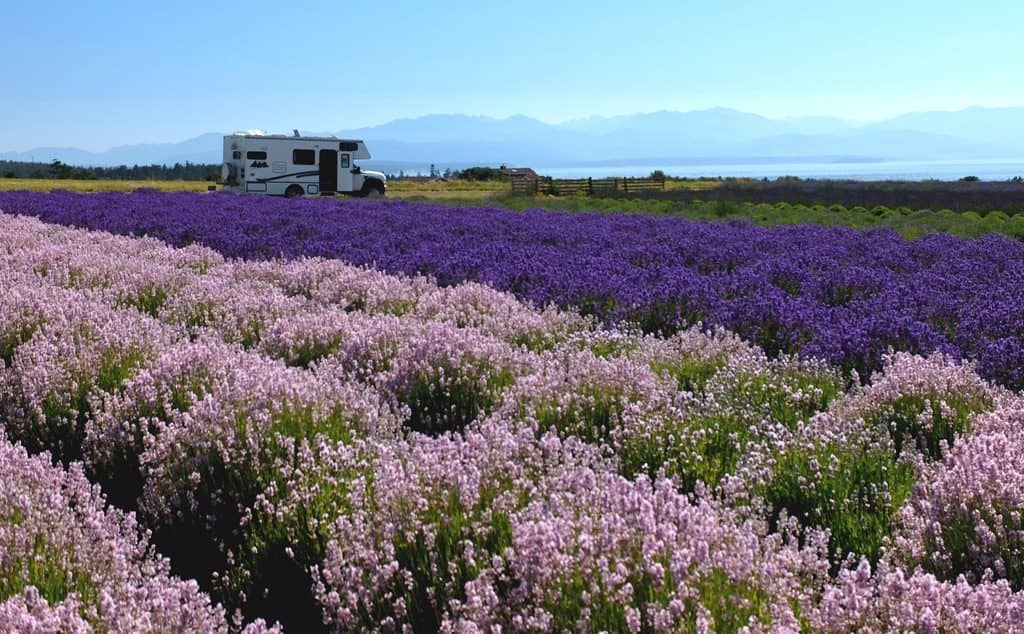
My verdict is straightforward: Harvest Hosts works best as a route tool. Classic is the easy entry point at the listed sale price, + Boondockers Welcome makes sense for travellers who want private-property variety, and All Access is worthwhile when its extras match the way you already travel. The network is not a substitute for every serviced campground, but it can make the spaces between destinations far more interesting.
If your RV is self-contained and you enjoy local businesses, unusual scenery and a little planning, I would review the Harvest Hosts options now, then search one familiar route. Look for a realistic first stop, read the details and request it with enough information for the host to say yes confidently.