






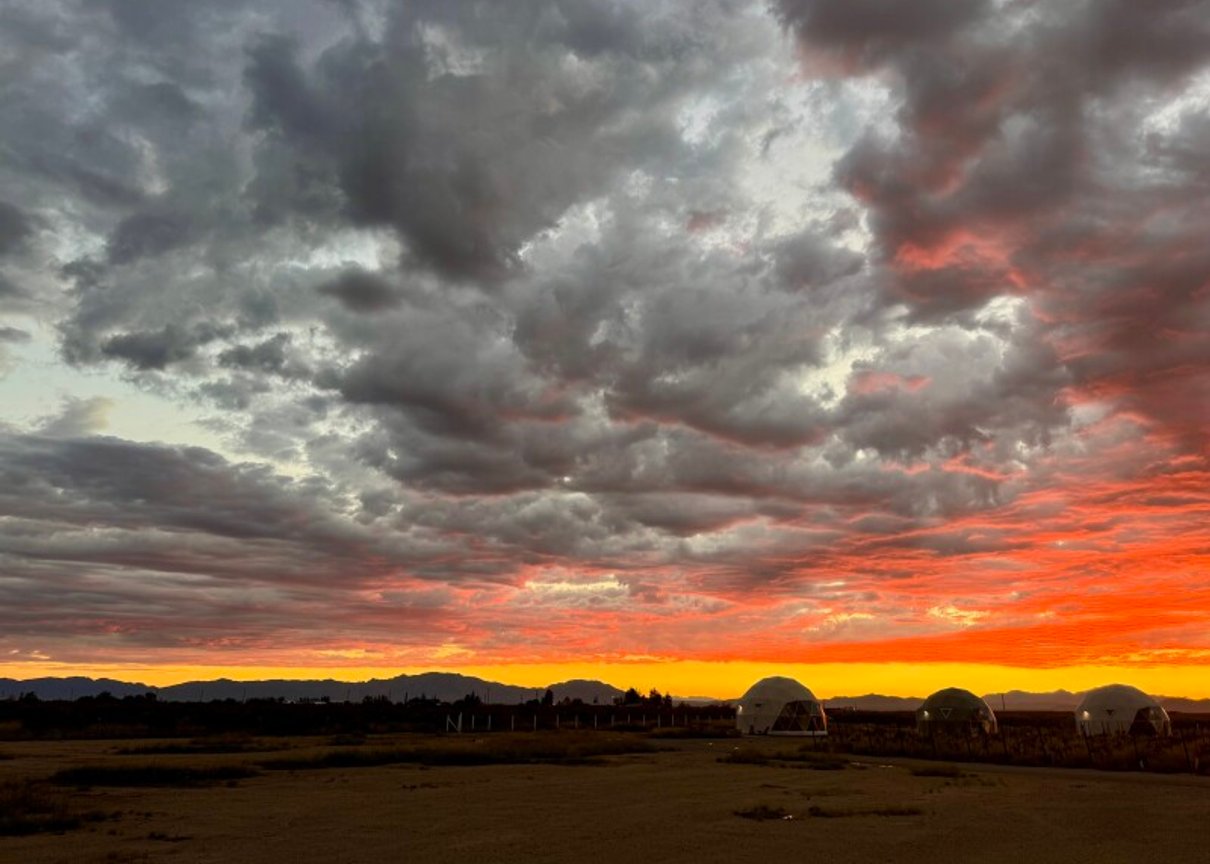
I am very easily won over by a road trip with a little story attached to it. Give me a choice between a nondescript car park and waking up beside a vineyard, a farm shop or a tiny museum, and I know which one I will be daydreaming about. That is the thinking behind Harvest Hosts: an RV membership that turns the overnight stop into part of the adventure.
For a first look, the headline is straightforward. Members can find 9,700+ locations across the US and Canada, request unlimited overnight stays and pay no camping fees at participating Hosts. The network includes farms, wineries, breweries, distilleries, attractions, golf courses and private-property stays. I spent time with the Harvest Hosts homepage, the How It Works guide and the current plan comparison to understand what the brand is really offering.
The important bit is that this is not a hotel directory with a quirky filter. Harvest Hosts connects RV travellers with hosts who have a reason for welcoming visitors, and asks members to support those businesses by shopping, tasting, eating or booking an experience. That gives the membership a personality, but it also means a little thoughtfulness is part of the deal.
What makes a Harvest Hosts stop worth remembering?
What makes the brand memorable is the range. A standard campground mainly answers the question, “Where can my RV go tonight?” Harvest Hosts adds another question: “What would make this stop worth remembering?” Its categories make that difference easy to see.
- Farms bring produce, animals, countryside and small farm shops into the route.
- Wineries and breweries create food-and-drink stops with a built-in local connection.
- Attractions can include museums, historic places and unusual visitor sites.
- Community Hosts offer private-property stays, while golf courses and campground partners broaden the practical options.
There is a lovely spontaneity to that mix. I might set out thinking I need one practical night near a highway, then discover a family winery or a farm with a view and suddenly the route has a little more shape. The location gallery is useful for inspiration, while the Discover map is where I would check whether the idea works near a real journey.
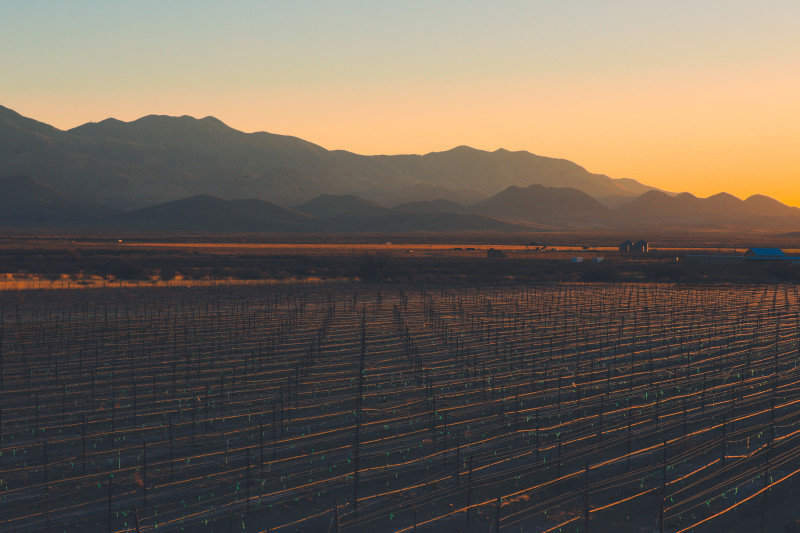
The range is also a useful reminder not to assume every Host is the same. Some have electric hookups, some offer extra nights and some are wonderfully simple places to park and rest. The listing tells you about vehicle length, arrival instructions, pets, generators and available extras. In other words, the brand supplies the network, but the individual Host page supplies the detail.
Which Harvest Hosts plan fits my travel pattern?
There are three main ways into the service. I like that the structure is relatively easy to understand, although I would still open the plan details before choosing because the best option depends on how often you travel and whether private-property stays matter to you.
- Harvest Hosts Classic is the focused starting point. It includes 6,000+ farms, wineries, breweries, distilleries and attractions, plus 1,100+ campground partners.
- Harvest Hosts + Boondockers Welcome adds private-property stays and reaches 9,300+ locations.
- Harvest Hosts All Access reaches 9,700+ locations, adds 300+ golf courses and includes Escapees RV Club membership.
If I were trying the concept for the first time, I would look closely at Harvest Hosts Classic first. It is the least complicated entry, and the core network is already broad enough to show whether I enjoy this style of travelling. The brand says Classic can typically pay for itself in the cost of two campground nights, which I would treat as a useful benchmark rather than a promise.
The middle plan becomes more interesting if your favourite kind of stop is a quiet private driveway or rural property. Harvest Hosts + Boondockers Welcome combines the small-business network with those community stays. The small price gap to Harvest Hosts All Access may make the top tier tempting, but I would only pay for the extra features if golf, Escapees membership and the largest possible network genuinely fit my plans.
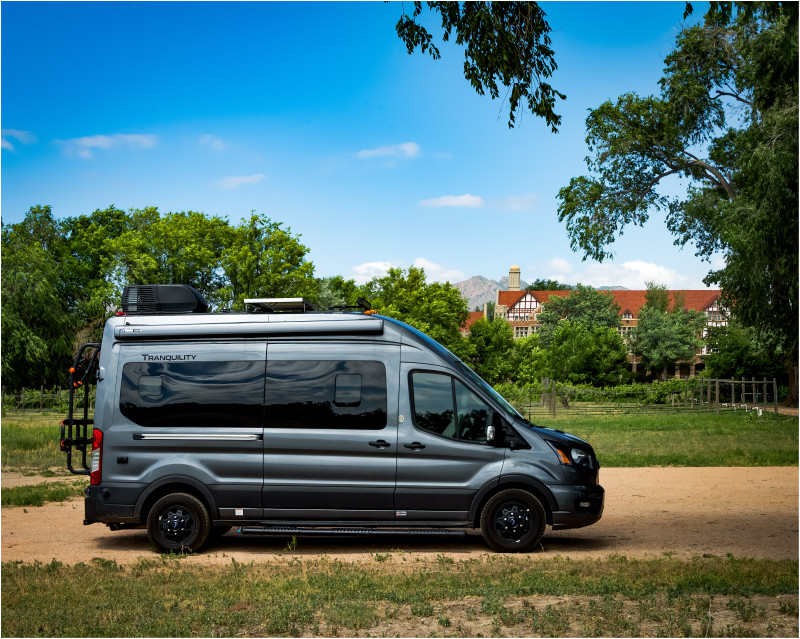
The other useful thing about the prices is perspective. This is an annual membership, not a promise that every night of an RV holiday will be free of every cost. Members are encouraged to spend with the Host, and hookups or extra nights may carry separate charges. I see the value as choice plus character, with savings as a welcome part of the calculation.
What will a Harvest Hosts stay feel like?
The easiest way to understand the service is to look at real listings. The Sustainable Farm Brewery & Winery Getaway in Willcox, Arizona has a taproom, restaurant and café, with 50A electric hookups available separately and parking for rigs over 45 feet. It also offers an extra night. That is a strong example of the brand’s practical-meets-special sweet spot: I can stop somewhere memorable without pretending my large RV does not need room.
- Best for: a food-and-drink overnight in wine country.
- Useful detail: hookup availability is listed separately.
- Good question to ask: whether the extra night suits the route and arrival window.
Then there is the Mountain-Top Boutique Winery near Hendersonville, North Carolina, where the draw is a scenic Blue Ridge setting. Its listing highlights a 4.9-plus rating, pets allowed and up to four extra nights. I appreciate that sort of information because it helps me imagine the actual stay. It could be a quick stop, or I could slow down, buy something local and use it as a small base for exploring.
For a very different experience, the Historic Warbird Air Museum in Pennsylvania offers aircraft restoration, historical exhibits, a gift shop and spacious level parking. It allows generators, pets and vehicles over 45 feet, with up to three extra nights. That is the kind of listing that gives a family a reason to leave the vehicle rather than simply waiting for morning.
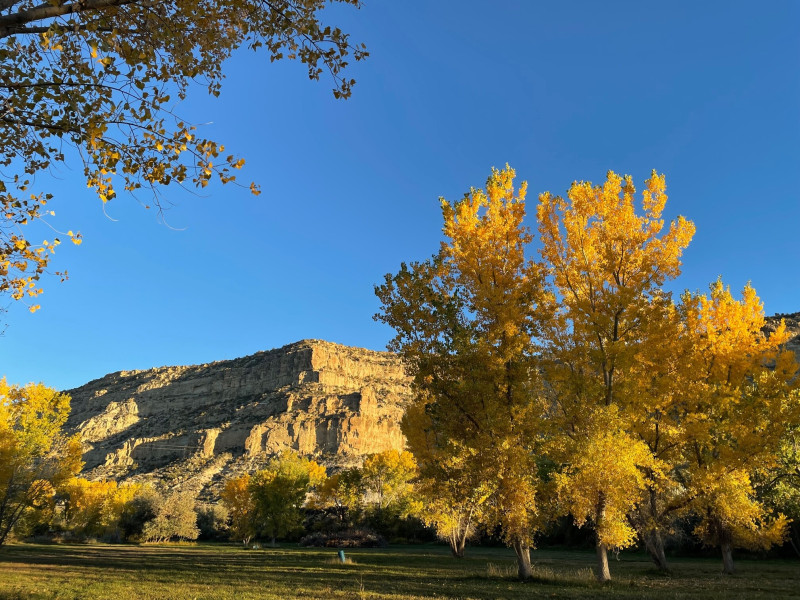
Those examples show why I would browse beyond the price card. One person’s perfect Host is a winery with a tasting room; another’s is a quiet farm, a museum or a private rural property. The brand’s range is the product, really, and the plan is the key that opens the relevant part of it.
How should I prepare for a Harvest Hosts stay?
I would approach a Host stay with a little more care than a last-minute campground booking. The route-planning tool can find options along the way, and the app makes the map easy to carry, but I would still read the full page before requesting. My quick routine would be:
- Filter by vehicle length, hookups, pets and extra nights.
- Read recent reviews and note the arrival window.
- Message with dates, RV size and a clear plan to support the Host.
- Keep a campground alternative if weather, access or facilities are especially important.
The exchange is part of the brand’s identity. A purchase from the farm shop, a tasting, a meal, a gift or an experience helps make the welcome worthwhile. It also keeps the stay feeling like a visit rather than free parking. I find that a refreshing bit of honesty, particularly because it encourages travellers to notice the business behind the beautiful setting.
There are limits, of course. You may not get the same guaranteed water, sewer, pool or uniform pitch that a full-service campground offers. A one-night stay is common, and some desirable locations will need planning. That is why I see Harvest Hosts as a companion to campground bookings rather than a total replacement for them.
Why might an RV traveller care about Harvest Hosts?
If you already own an RV and are planning several journeys, the appeal is fairly clear. The Discover page gives you a way to test the map before joining, and the network can turn a necessary travel day into a stop with a view, a conversation or a new local favourite. That is a meaningful difference from simply searching for the nearest place to park.
I also think the brand has a nice answer to a common road-trip problem: the itinerary becomes all distances and no texture. A farm, a brewery, an attraction or a community Host creates a reason to remember where you were, even when the stop was only one night. The current 25% offer makes the experiment easier to justify, especially if two campground nights would otherwise be part of your next few trips.
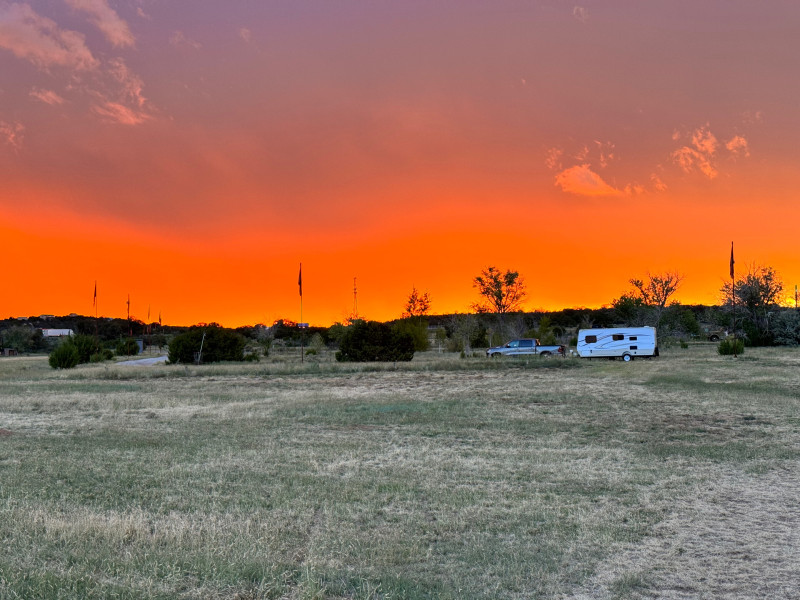
My verdict is warm but practical. Harvest Hosts is a memorable route layer for RV travellers who like discovering small businesses and unusual places. I would start with Classic, open the map near a route I already expect to drive and save two realistic Host pages. If those pages make me want to linger, the membership has answered its own question.
For the right traveller, this is less about collecting overnight locations and more about collecting little stories. That feels like a very good reason to look at the membership options before the next long drive.
Disclosure: This article contains affiliate links. If you join through one, PrettyHOW may earn a commission at no extra cost to you.