







A London skyline visit can be a quick photo stop or the centrepiece of a day out. The View from The Shard is built around making the city itself the main event, with a few different ways to shape that visit.
For a first-time reader, the useful question is not simply how high the building is. It is what the official experience includes, how the levels work together and whether a straightforward admission or occasion ticket better suits the day.
The brand sits at the meeting point of a landmark building and a visitor attraction. Its appeal rests on the changing view, the open-air Skydeck and the option to add a more hosted or celebratory layer.
Disclosure: this post includes affiliate links, and we may be paid a commission on purchases made through them.
The short version: The View from The Shard is a skyline experience with a defined route across indoor viewing spaces and an open-air deck, rather than a single viewing room. Standard Admission is the clearest starting point; Champagne Experience and Proposal Experience add occasion-specific elements. Check the official store for current availability and inclusions.
What is the idea behind The View from The Shard?
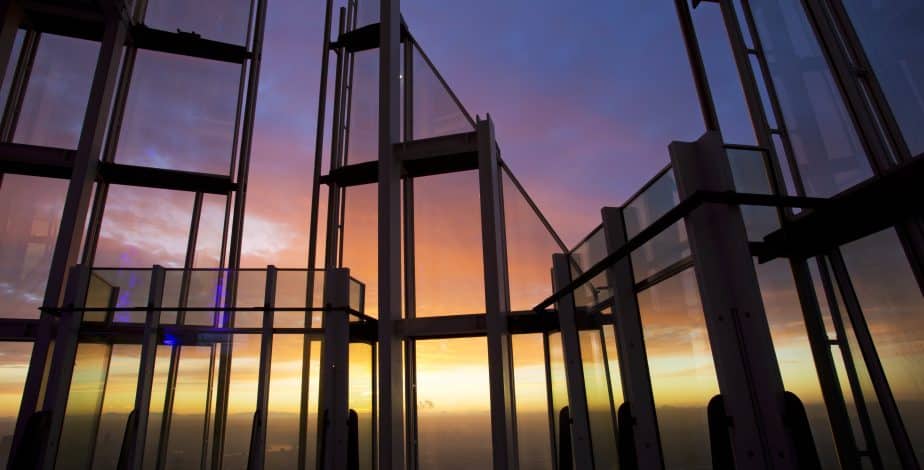
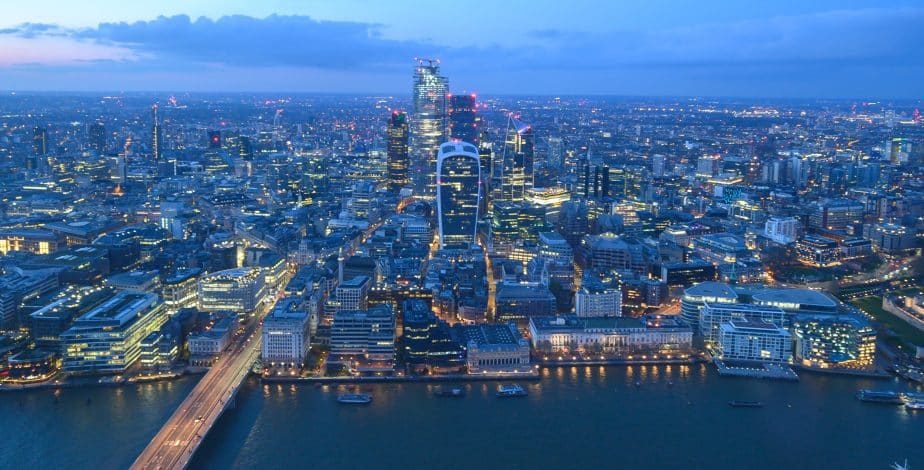
The attraction makes the city its central exhibit. Visitors go up into The Shard to look outward across London, but the format is more considered than a brief lift-and-photo moment: the official visit includes indoor viewing on Levels 68 and 69 and the open-air Skydeck on Level 72. That gives the experience a sequence, moving from sheltered panoramas to a more exposed perspective above the city.
That distinction matters when planning. An indoor view can be easier to linger over and compare landmarks from; stepping onto the Skydeck changes the feel of the visit, with the city open to the air. The attraction presents the view as something to explore in different ways, supported by London Experts who can help connect distant landmarks to the city below.
The brand’s own framing combines the physical height of the building with a guided sense of place. A first-time visitor who likes context as much as the photograph may value that human element. Someone focused on a quick landmark checklist may care more about the clear route between viewing levels and the practical visit details.
- Indoor viewpoints on Levels 68 and 69 offer a sheltered way to look across London.
- The Level 72 Skydeck adds an open-air component to the visit.
- London Experts provide interpretation that can make distant sights easier to place.
For the simplest version of that format, Standard Admission is the natural reference point. The brand lists the viewing levels and Skydeck in its admission offer, so it is the option to assess first when the skyline itself is the reason for going. The exact slot and inclusions should be confirmed on the official ticket page.
Why does the three-level route change the visit?
A strong observation attraction needs more than height. It needs a reason to move through the space, and the three viewing levels give The View from The Shard a simple structure. Visitors can take in the city indoors, shift their angle between floors and then decide whether the open-air deck is the moment they want to prioritise.
From an editorial perspective, that layered layout is the brand’s most useful point of difference to understand before booking. The view is not a fixed picture: light, cloud, season and the direction a visitor turns all affect what catches the eye. A clear day can help with identifying landmarks, while softer or changing conditions can make the skyline feel more atmospheric. Neither guarantees a particular photograph.
The attraction also publishes a View Guarantee for eligible tickets, with conditions set out by the brand. It is a useful form of reassurance for a weather-sensitive activity, but it should not be mistaken for a promise of perfect visibility or an automatic second visit: the official terms explain the landmark-visibility criteria and how a visitor must claim any applicable return voucher on the day. Read those terms before relying on them.
This is where Standard Admission works well as the anchor product. It keeps attention on the core route and leaves the visitor free to choose their own pace within opening hours. Families can also check the official child ticket information and age conditions before selecting a slot; the ticket page is the right place to confirm what applies to their booking.
A practical plan is to arrive with a little flexibility. Opening times vary, last entry is earlier than closing, and the bars stop service before the venue closes. Those details affect how much time is comfortable, especially if the visit is being fitted around dinner, a train or another London booking.
Which ticket reflects the kind of visit you want?
The official range makes the brand legible through three different intentions: see the skyline, add a celebratory drink, or mark an especially personal occasion. The options share the setting, but their value depends on whether the extra element is meaningful to your plans.
- Standard Admission suits visitors who want the viewing route to be the main event.
- Champagne Experience suits an occasion where a hosted drink is part of the appeal.
- Proposal Experience is designed around a private proposal moment and coordinated details.
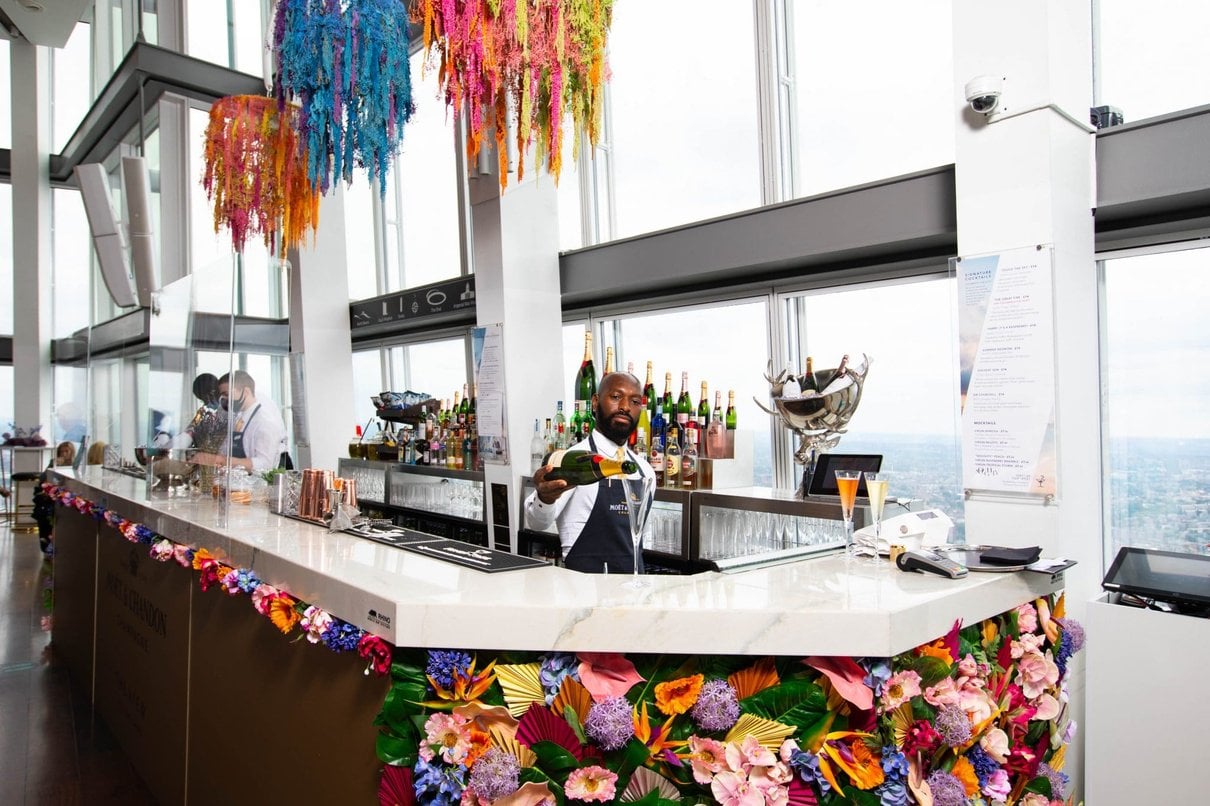
The Champagne Experience reframes the visit as a celebration. The brand associates its setting with a high-level champagne bar, and this ticket route is relevant when a drink is part of the occasion rather than an afterthought. Check the current experience page for what is included on the chosen date, including any alternatives or service conditions. It is less compelling if the group would rather keep the visit simple or does not want an alcohol-led extra.

The Proposal Experience takes a more planned approach. The official listing describes a private setting and coordinated touches such as flowers, a soundtrack and a dedicated concierge. That can reduce the number of details a couple has to arrange independently, but it also makes this a highly specific choice. It is for someone who wants the venue to be part of a proposal plan, not simply a scenic ticket with a small add-on. Confirm inclusions and any personalisation directly on the official offer page.
What makes the brand relevant beyond the view?
A skyline is an immediate draw, but a place becomes more memorable when it helps visitors understand what they are looking at. The View from The Shard gives that role to its London Experts and to the layered viewing environment. The result is a brand with both a visual promise and an interpretive one: look across the capital, then make sense of the pattern of landmarks, river bends and neighbourhoods.
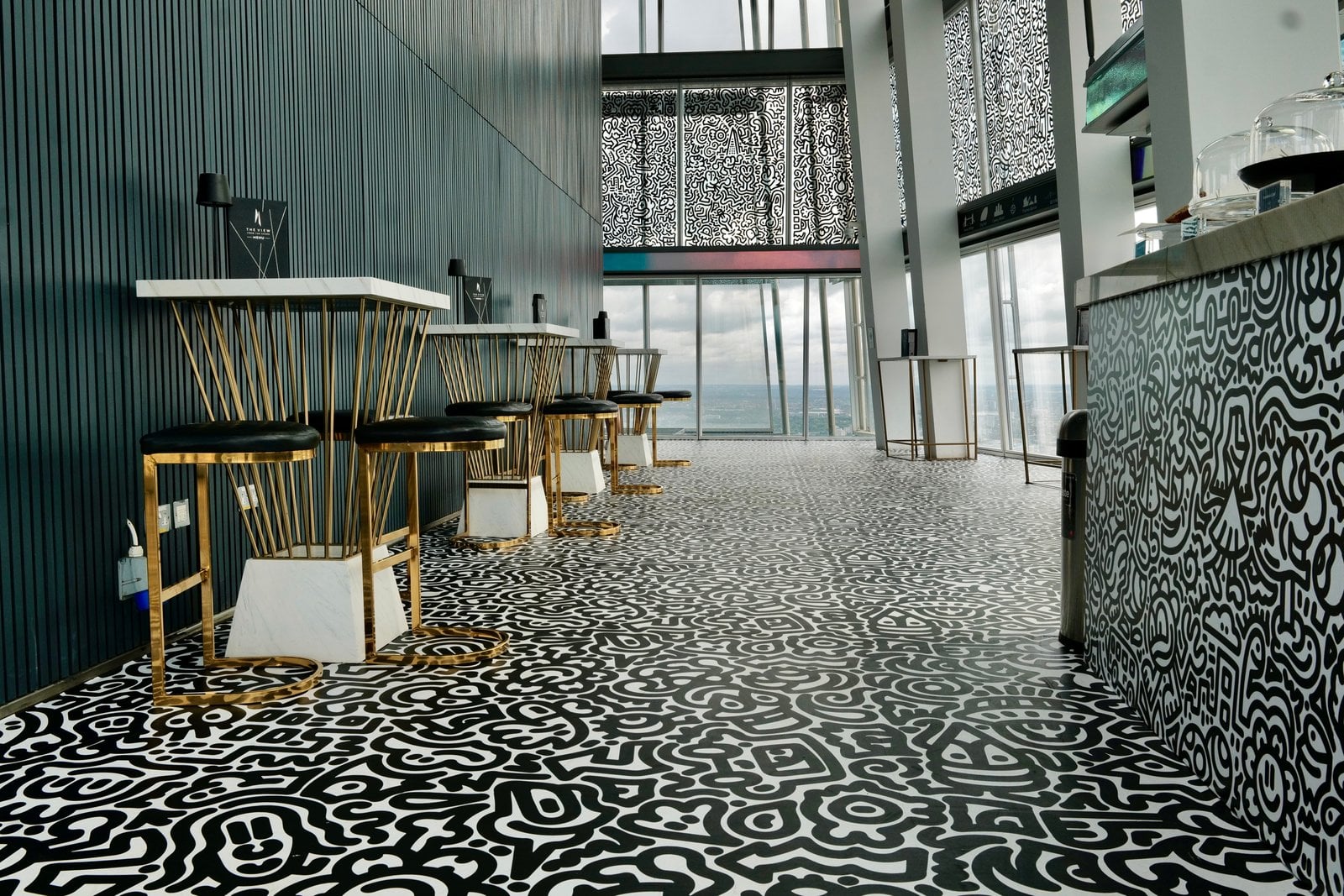
This is a helpful lens for deciding whether the attraction belongs in a London itinerary. It may be a good fit for a first visit, a family outing where a high viewpoint feels like a shared activity, or a return trip built around a particular occasion. It is less suited to a schedule that leaves no room for weather or timing to shape the experience. The visit is fundamentally about looking out, so the reader should be comfortable with a view-led attraction as the main activity.
Groups have a different planning question: coordination. The brand offers group arrangements through its ticket route, which can make booking more structured for a larger party. The official pages should be checked for current eligibility, booking rules and what counts as a group; these can differ from individual admission. A group visit benefits from agreeing a preferred time and checking arrival expectations before everyone sets off.
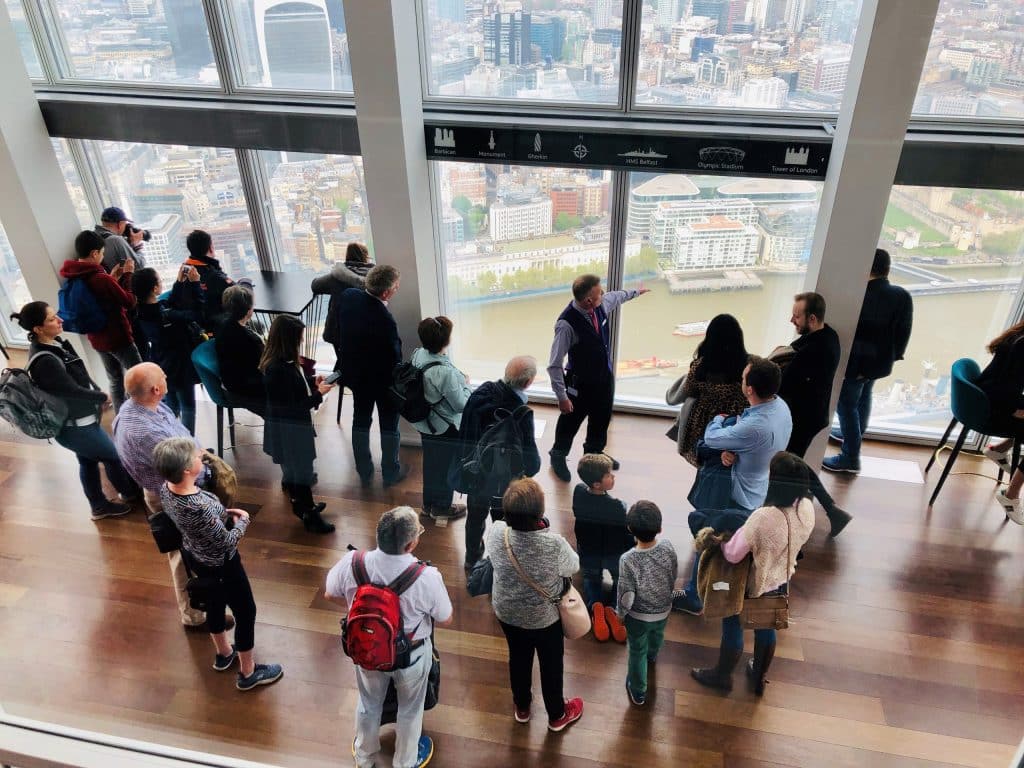
The brand also uses special installations and events to give repeat visitors something different to see. Those changing layers can add character, although they are not a substitute for checking what is actually scheduled during a particular visit. For a first-time reader, the core promise remains the same: elevated views over London, an outdoor vantage point and optional ways to make the outing feel more personal.
How should a first-time reader choose?
Start with the reason for going, then compare the ticket details that follow from it. This keeps the decision grounded in the experience rather than in a more expensive-sounding label. The official ticket pages are also where to verify availability, age rules, current inclusions and the terms of any guarantee.
- Choose the core view if exploring the viewing levels is enough for the day.
- Add an occasion layer only when a hosted drink or proposal setup genuinely improves the plan.
- Check timing and terms against the rest of the itinerary, including arrival and closing details.
- Plan for visibility with realistic expectations and understand the View Guarantee conditions before arrival.
If the main draw is simply seeing London from above, start with Standard Admission and compare its available slots with your day. If a toast is central to the outing, look at the current Champagne Experience details. For a proposal, the Proposal Experience is the more purpose-built route, with the caveat that its planned format may be more than a casual visit needs.
There is no need to decide that every visitor should choose the same version. The right choice follows the occasion and the value placed on guided context, an outdoor viewpoint or a hosted extra. Reviewing the official inclusions side by side is more useful than assuming each upgrade changes the view itself.
Ready to make The View from The Shard part of your London plans?
Our recommendation for a first visit is to begin with the core viewing route and add an experience only when its extra element clearly suits the day. Standard Admission is the most straightforward starting point; Champagne Experience and Proposal Experience make more sense for specific occasions. The honest limitation is that weather and visibility remain part of any skyline visit, and availability and conditions can vary.
Before settling on a slot, review the current official ticket information, then look at the occasion experience or proposal details only if they fit your plans. That is a simple way to get to know the brand: start with the skyline, then decide how much structure the day needs.