







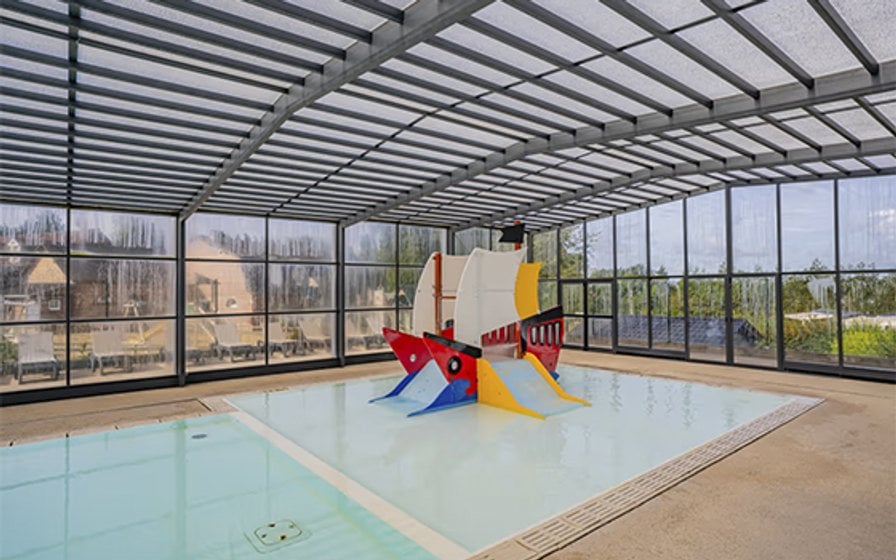

When the days shorten, a Normandy break can still feel like a proper change of scene, especially if the crossing is part of the trip rather than a dash to get through.
For UK travellers, the route question needs a little care: Irish Ferries’ Dublin-Cherbourg service starts in Ireland, so reaching Dublin is part of the plan. Here is how to weigh the crossing, the ship and a park stay for an autumn itinerary, using the details Irish Ferries publishes on its travel pages.
We have based this guide on the operator’s route, ship and holiday information. Sailings, facilities and accommodation availability can vary by date, so check the current details for the trip you are planning.
Disclosure: this post includes affiliate links, and we may be paid a commission on purchases made through them.
The short version: An autumn Normandy trip can suit travellers who want to take a car, make the crossing part of the journey and stay beyond the immediate port area. The key caveat is that Dublin-Cherbourg is not a direct UK departure, so compare the drive or rail journey to Dublin with other route choices before committing.
Does Dublin-Cherbourg fit a UK autumn break?
Irish Ferries lists Dublin-Cherbourg as its direct Ireland-France route. For a UK resident, that means a first leg to Dublin, then a ferry crossing to Cherbourg. The attraction is a straightforward arrival in Normandy, with your own vehicle available for onward travel; the trade-off is the extra cross-channel planning to reach the Irish port.
Start with the full door-to-door journey, not just the sailing. Check how you will get to Dublin, where you will stay if the departure time makes an overnight stop sensible, and how long the drive from Cherbourg to your accommodation will take. In autumn daylight is shorter, so a late arrival or a long first drive can feel more tiring than the map suggests.
The Dublin-Cherbourg route page sets out route information and schedules. We would use the operator’s live timetable to compare dates and departure times, then look at the W. B. Yeats details to see what the ship offers for that sailing. The Dublin-Cherbourg route details and the current sailing timetable are the two pages to revisit as dates firm up. Check the route page again when your dates are fixed.
- Map the UK-to-Dublin leg and the Cherbourg-to-stay leg separately.
- Check sailing times and check-in requirements for your chosen date.
- Leave room for a rest stop if you are driving after arrival.
Before choosing, compare the ferry with the whole alternative journey you would actually take. The Dublin-Cherbourg service is designed around a different starting point from a UK port, so review its route information against your own map. A UK departure by another route may be easier for some starting points, while Dublin-Cherbourg can work better if the Ireland leg is convenient and you want to land in Normandy. Irish Ferries publishes a Dublin-Cherbourg route overview, with schedules that should be checked for the dates under consideration.
What should you expect aboard W. B. Yeats?
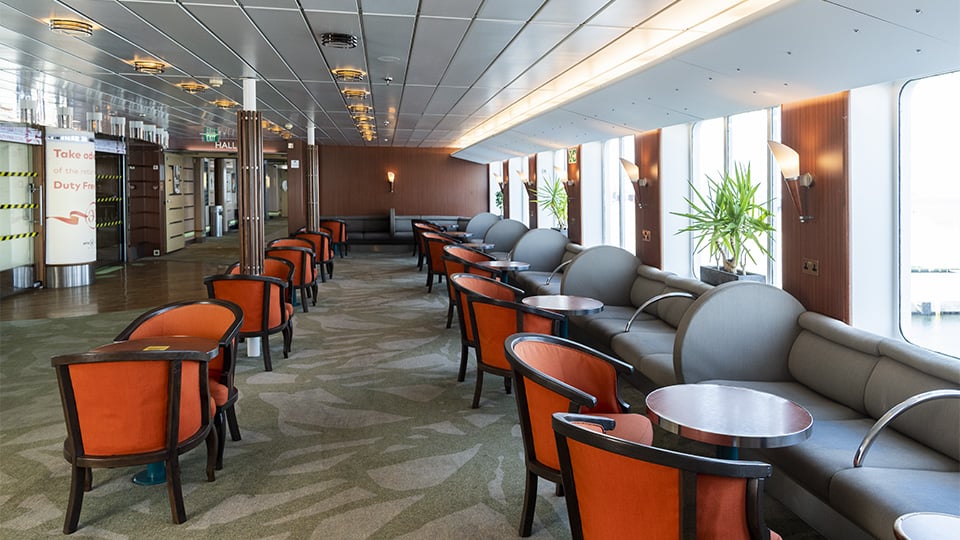
The ship is part of the decision on a longer crossing, particularly when autumn weather makes an indoor base useful. Check the W. B. Yeats facilities and the ship information for your planned sailing. Irish Ferries describes W. B. Yeats with cabin options, restaurants, lounges and family spaces. The ship page is the best place to confirm which facilities are relevant to your sailing rather than assuming every service or space will operate in the same way on every departure.
For an overnight journey, a cabin can provide a private place to rest. The published cabin range includes four-berth rooms, window and inside choices, as well as suite categories and accessible accommodation. Think about who is travelling and how they sleep: a family may value having a door and somewhere to settle children, while a couple on a shorter crossing may prefer to compare a cabin with other seating options. Availability and cabin configuration should be checked during booking. Review W. B. Yeats cabin options alongside the deck plan before deciding what suits your group. The ship overview can be revisited when comparing cabin types.
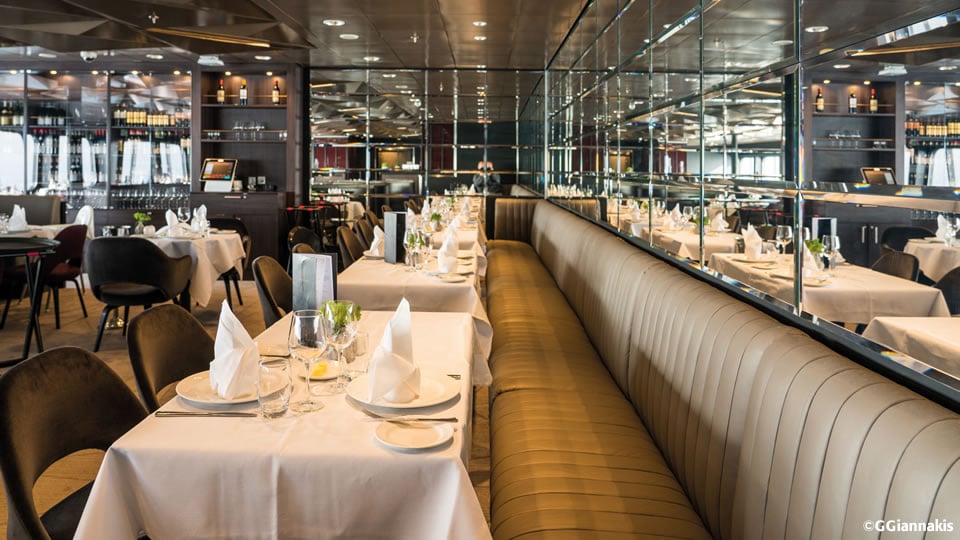
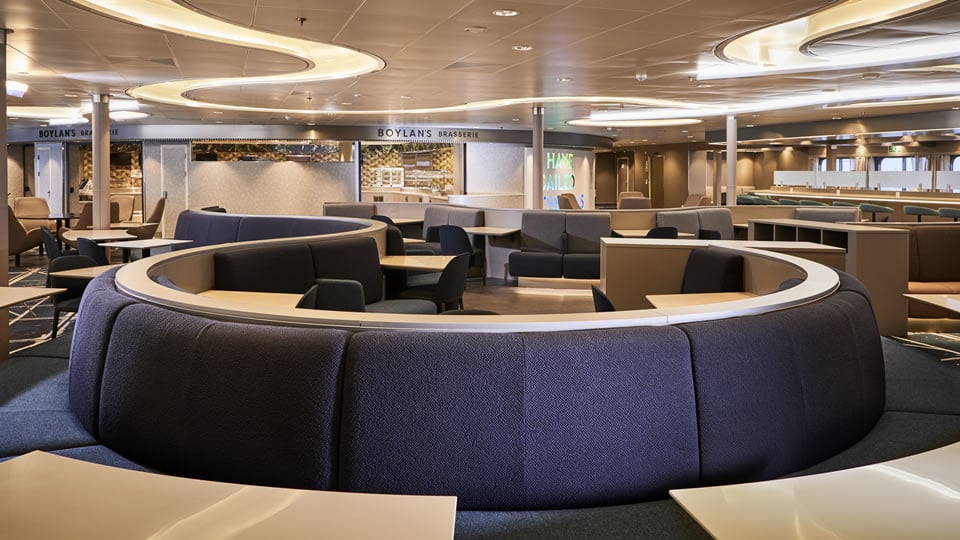
Dining matters when the crossing spans a meal time. Lady Gregory is one named restaurant on the ship; Irish Ferries also presents Boylans Brasserie and Cafe Lafayette in its onboard material. Menus and opening arrangements can change, so treat these as facilities to check rather than a promise about what will be serving on your date. The ship page and its deck layout give context for the onboard spaces. If you have dietary needs, look for current onboard information before travel.
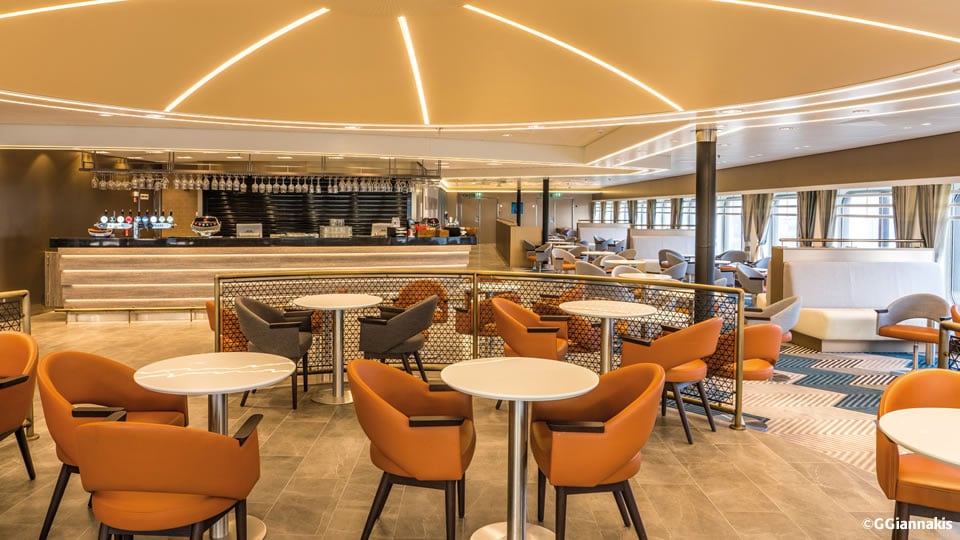
The Maud Gonne bar is another specific space shown by Irish Ferries. Families might be more interested in the play area, while travellers looking for a quieter crossing can review lounge access and cabin choices. The route pages also describe an Innisfree Club Class Lounge, available with select cabins or as a subject-to-availability upgrade according to the brand’s information. Check the fare and availability details before treating lounge access as included. The W. B. Yeats page is where to confirm the current description, and its deck plan helps you locate the spaces shown.
- Choose a cabin around the number of travellers and the crossing schedule.
- Check whether an upgrade or lounge access is included in the option selected.
- Review the ship facilities and deck layout before booking if mobility or family needs matter.
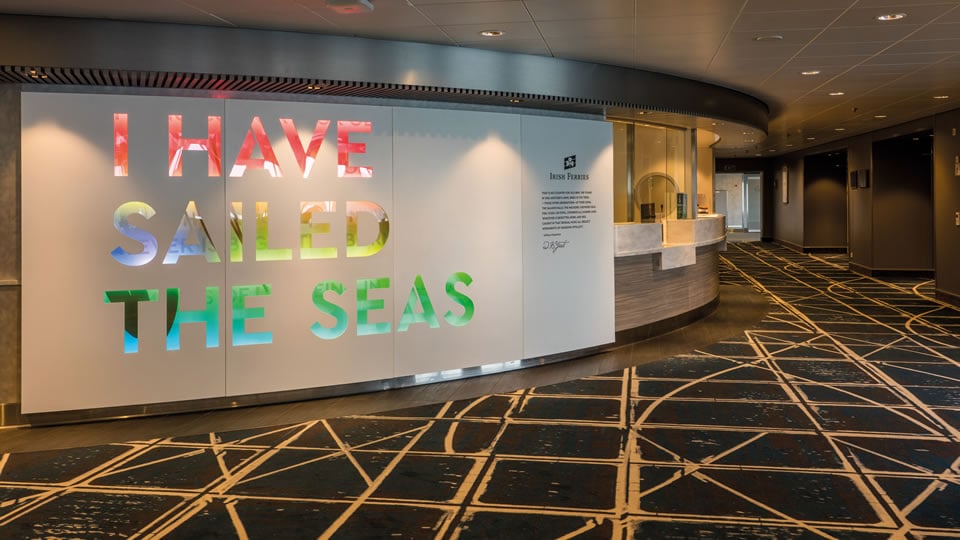
The W. B. Yeats deck plan can help you understand where key spaces sit, though it is not a substitute for confirming accessibility details with the operator. We would review it alongside the ship page, especially when travelling with children, older relatives or anyone who benefits from shorter walks around the vessel. A deck plan is useful context; it does not guarantee a particular cabin location until your booking shows it.
To get a clearer picture, open the W. B. Yeats ship page, then check the published deck plan. These pages give more useful planning detail than a generic promise of comfort: you can match the published spaces to the way your group expects to spend the crossing.
Which Normandy stay makes sense after the crossing?
Irish Ferries links its France travel planning to accommodation options, including Eurocamp holiday parks. That can be appealing if you want a base with facilities on site and a self-catering rhythm, rather than changing hotels as you tour. Browse the Eurocamp park options and the France holiday page to build a shortlist. Check the park listings again after settling on travel dates. It is worth checking the particular park and accommodation type, since facilities and opening periods vary and some options are more seasonal than others.
For an autumn trip, the useful question is what remains open on the dates you want. Pools, restaurants, activities and reception hours may run on a seasonal schedule. Confirm the park’s own details and the booking conditions before shaping the rest of your itinerary around a facility that might not be operating.
The Irish Ferries Eurocamp holiday parks page is a starting point for the linked stay options. A specific example such as Domaine de Drancourt may suit travellers looking for a park base in Normandy, while Chateau Lez Eaux is another named park to compare. Look at location first: a pleasant site is less useful if it adds too much driving to the places you want to visit. Compare Domaine de Drancourt and Chateau Lez Eaux by location and opening dates.
Autumn also changes the balance between accommodation and day plans. A site with indoor facilities may be more useful when weather is unsettled, but location and opening dates still matter more than a long facilities list. Make a shortlist based on your intended Normandy stops, then check travel times from each park rather than trying to cover the whole region from one base.
- Choose two or three places you most want to visit.
- Compare park locations against those stops and the port arrival.
- Confirm seasonal opening dates, accommodation inclusions and cancellation terms.
- Keep a flexible indoor option for a wet afternoon.
Some travellers may prefer a hotel or a town-centre base instead of a holiday park. Start with the holiday park listings, then compare the route and arrival details that shape your first night. Irish Ferries also lists other France stays, so compare what is included, how much independence you want and whether your group benefits from on-site facilities. No single accommodation type is automatically the best fit for every autumn trip.
What details are easy to overlook?
The main limitation is geography: the route begins in Dublin. A headline fare or sailing time cannot tell you whether the total journey is convenient from your UK starting point, so include the cost and time of reaching the port when comparing options. The brand’s route information is a useful starting point, but it cannot decide that practical question for your household.
Also account for date-specific details. Autumn sailings may have a different pattern from peak summer dates, and accommodation availability can narrow as parks move into their quieter season. Check sailing information and the current timetable, plus the relevant check-in guidance and booking terms, before you finalise an itinerary. If taking a pet, review the route-specific rules early rather than assuming policies are identical across crossings.
For onboard planning, verify which facilities are open on the sailing, what your fare includes and whether you need to reserve a cabin or lounge option in advance. For a park, confirm opening dates and what is included in the accommodation. These checks protect the shape of the trip without relying on a broad seasonal description.
- Check sailing and check-in information for your actual travel dates.
- Confirm the ship and facilities attached to the selected departure.
- Review accommodation opening dates and cancellation terms.
- Build realistic drive times around arrival, daylight and rest breaks.
Ready to plan an autumn Normandy crossing?
We would shortlist Dublin-Cherbourg if Ireland is a convenient part of the journey, you want a vehicle in France and the port-to-stay plan is manageable. The combination of a named ship, cabin options and linked park stays gives you useful pieces to compare, but the route’s starting point remains the deciding limitation for many UK travellers.
Check the live sailing pattern and the exact park dates before committing, then compare the door-to-door journey with alternatives from your home area. If Dublin works for your itinerary, the W. B. Yeats and Normandy park pages make a sensible next check.