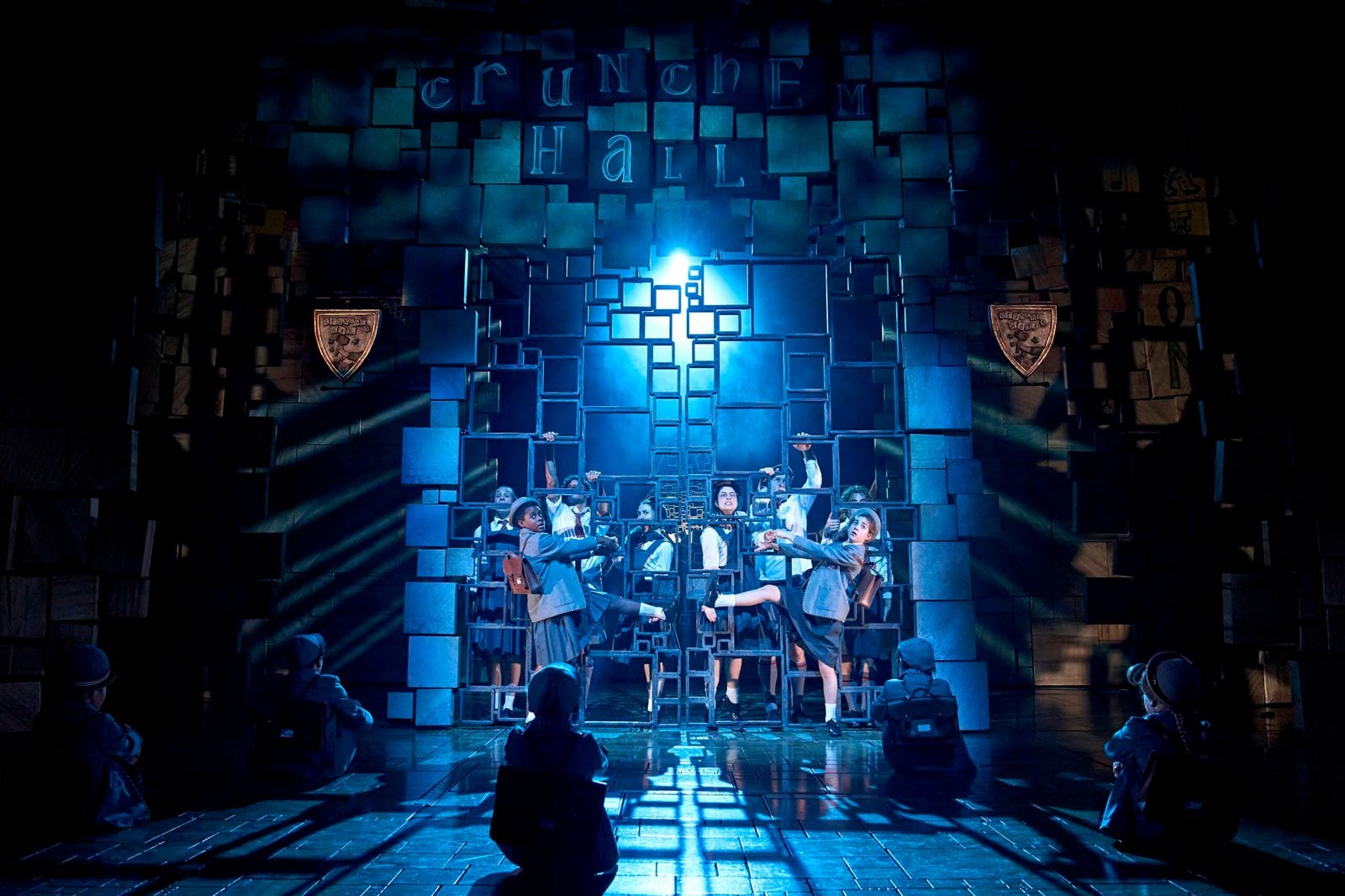









Choosing a performance of Matilda, The Musical UK NEW can mean more than picking a date. The same production sits behind the standard show and official assisted performances, but they do not offer the same kind of support.
We compared the available formats by what changes in the auditorium, who may find each option useful, and what to confirm before booking. This is a guide to the official information, not a report from a visit.
Disclosure: this post includes affiliate links, and we may be paid a commission on purchases made through them.
The short version: choose a standard performance if you want the conventional format and do not need an adaptation. Pick Chilled for a more flexible approach to movement and noise, Captioned if on-screen text supports your experience, or Audio Described if live description is useful. Dates and seat availability are the deciding practical limits.
What changes between a standard and an assisted performance?
The London production is staged at the Cambridge Theatre, and the official site lists several performance types alongside its regular dates. An assisted performance is not automatically a different version of the story. In some cases the change is about how the auditorium works; in others, additional information is made available to the audience.
That distinction matters when comparing the options. A standard performance is the baseline. The Chilled Performance keeps the production unchanged while taking a more casual approach to noise and movement. A Captioned Performance and an Audio Described Performance add different access support rather than a general comfort setting.
Compared with a typical theatre outing, the strongest point is having options attached to the same show. The limitation is that these formats are scheduled for selected performances, so flexibility over dates can be narrower. The official pages are the right place to confirm which dates are currently listed and what is included.

Which format suits a more flexible visit?
The Chilled option is the clearest choice when the question is whether a guest can move or leave the auditorium more comfortably. The production itself is described as unchanged, while the auditorium takes a more relaxed approach to noise and movement. The official description also notes that audience members can go in and out during the show.
This makes it a useful comparison against both the standard format and a conventional performance elsewhere. It addresses the atmosphere around watching, rather than adding captions or narration. For a party that benefits from knowing movement is acceptable, that may be the deciding feature. For someone who needs information delivered in another format, Chilled is not a substitute for Captioned or Audio Described.
Before selecting it, check whether the available date works for the whole group and review the official guidance about the performance. If planning for a baby, the site says babes in arms are welcome when they are not walking or requiring their own seat. Confirm the current terms directly, since the listing is the authority for the specific date.
- Choose Chilled when movement and the option to step out matter most.
- Keep the standard format in consideration if no auditorium adjustment is needed.
- Compare the date listing before making travel plans around a particular format.
For the official description, start with the Chilled Performance details and compare them with the current performance options. The name Matilda The Musical Chilled Performance refers to a particular date-based format, rather than an everyday ticket feature.
When do captions make the better comparison?
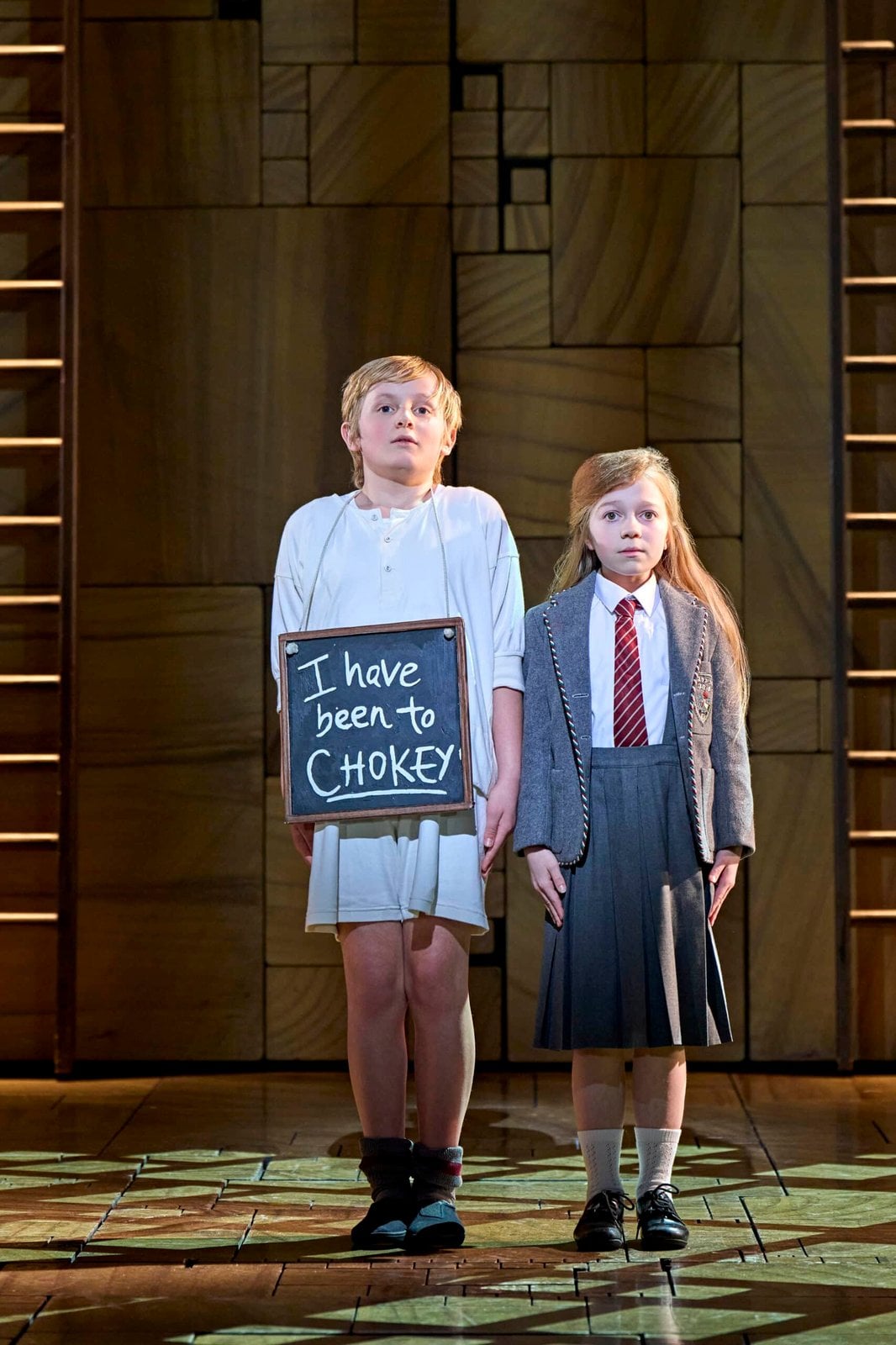
The Captioned Performance is aimed at people who use captions to follow the performance. It serves a different need from Chilled: the emphasis is access to spoken and sung content, not a relaxed approach to moving around the auditorium. If captions are part of how someone follows live theatre, this format is the closer match.
That focus is also its boundary. Captioning does not itself answer questions about step-free access, seating positions or the suitability of a particular date. Those are separate planning points to confirm with the theatre. Anyone comparing a standard date with a captioned one should check the listing and ask the box office about the arrangement and suitable seats before completing a booking.
The official Matilda The Musical Captioned Performance page keeps the relevant format information together. We would treat it as the front-runner when captions are the priority, while recognizing that a standard date may provide more scheduling choice if the access feature is not needed. Availability can change, so the date itself remains part of the decision.
- Identify whether captions are needed by anyone attending.
- Compare listed captioned dates with your preferred travel plans.
- Ask about the caption display and seat location if either could affect the experience.
Who should put Audio Described first?
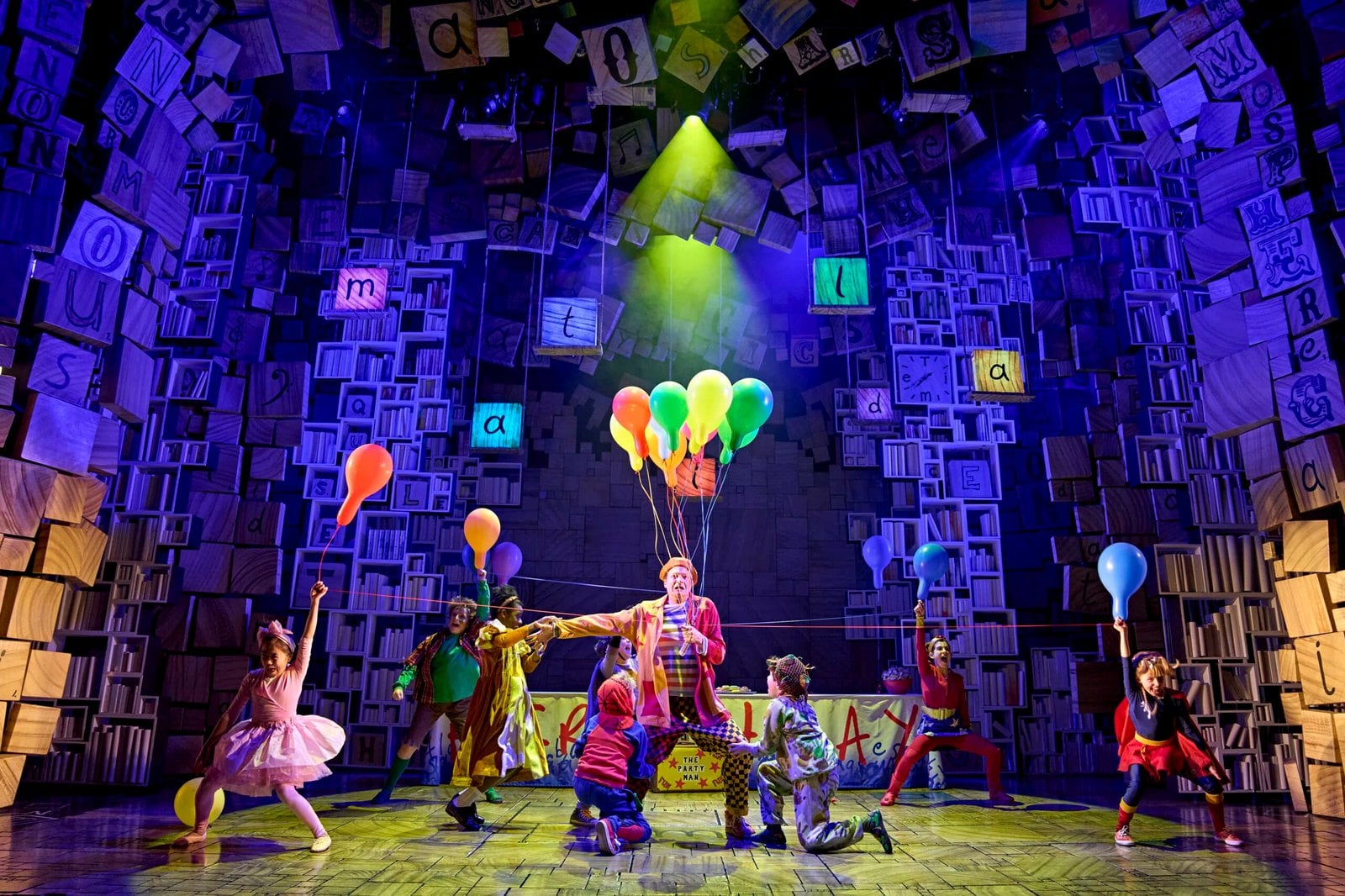
The Audio Described Performance is the most relevant of these choices for blind and partially sighted audience members who benefit from spoken description of visual action. It is distinct from captions and from a relaxed auditorium. If someone in the party uses audio description at theatre, this should be compared before settling on a standard performance.
Details that matter include how the description is delivered, whether equipment is provided, and what a guest needs to do before the performance. Confirm these with the official page or box office rather than assuming the arrangement is identical at every theatre. A date may be listed as Audio Described while the listener still needs to arrange a suitable seat or collect equipment.
Among the options here, Matilda The Musical Audio Described Performance is the clear pick when description is the key access requirement. It may be less useful if the principal need is captions or freedom to move. For a mixed group, discuss the priority with the person who will use the service; the best fit is defined by their access needs, not by a general ranking.

How do the choices compare with a typical theatre booking?
A typical theatre booking often begins and ends with date, seat and budget. Here, the official format is another meaningful criterion. That is an advantage for visitors who need a specific kind of support, but it does not remove the ordinary booking questions: where the seat is, what the route into the theatre involves, and whether the schedule works.
| Format | Best fit | Trade-off | Official details |
|---|---|---|---|
| Standard performance | A conventional theatre visit | No format-specific adjustment | See performance options |
| Matilda The Musical Chilled Performance | People who value freedom to move or step out | The show itself is unchanged | See Chilled details |
| Matilda The Musical Captioned Performance | Audience members who use captions | Only scheduled on selected dates | See Captioned details |
| Matilda The Musical Audio Described Performance | Blind and partially sighted audience members | Requires checking the specific arrangement | See Audio Described details |
Compared with a ticket-and-hotel bundle or a generic theatre package, booking the performance directly around the format gives a clearer route to date-specific information. A bundle may simplify trip planning, but it can be less useful if it does not let you choose the assisted performance you need. We would settle the performance and access arrangement first, then consider any travel package separately.
For context, the Cambridge Theatre site describes access details including stairs between some levels and specific routes for access to the Stalls. These practical details may be as important as the format label. Check the current accessibility information and discuss individual requirements with the venue before booking.
What should you confirm before choosing a date?
Start with the need, then match the date to it. The format name can help narrow the search, but it cannot tell you everything about a seat or an individual guest’s requirements. A few direct checks make the comparison more useful:
- Confirm that the selected performance is explicitly listed as the format you need.
- Ask what equipment, advance arrangements or arrival steps apply.
- Check the seat location and route through the theatre with access staff.
- For a group, make sure companions can book nearby and that the timing works.
The official Chilled information, Captioned details and Audio Described guidance are useful starting points. These pages are more relevant than relying on a general ticket summary, because they identify what each performance type is intended to provide. For non-format questions, use the theatre’s access information as well.
A practical comparison is not a judgement of which audience need is more important. It is a way to avoid choosing a date that lacks the support a guest expects. If the right option is not visible in the calendar, contact the box office before substituting another format.
Which Matilda performance is the best fit by use case?
For a conventional visit without a specific performance adjustment, the standard performance is the simplest pick and may offer the broadest date choice. For a guest who needs a more casual auditorium environment, Chilled is the winner by use case. Captioned is the strongest match when captions are how someone follows theatre, while Audio Described is the relevant option when spoken description supports access to visual action.
There is no universal winner because the options solve different problems. The official site’s strength is that the categories are distinct; its limitation is that access formats appear on selected dates and require a little more checking. Use the relevant page, confirm details with the venue, and make the choice around the audience member who will use the support.
Ready to choose the right Matilda performance?
Our recommendation is to shortlist the format by need first, then compare dates and seats. For a straightforward outing, start with standard performances; where access support matters, use the matching official format page and verify the arrangement directly. The main limitation is schedule choice: the format you want may not be available on every preferred date.
Once you know which kind of performance fits, review the current listings and venue guidance before finalising the group plan. The show’s official performance pages are the clearest place to make that last comparison.