







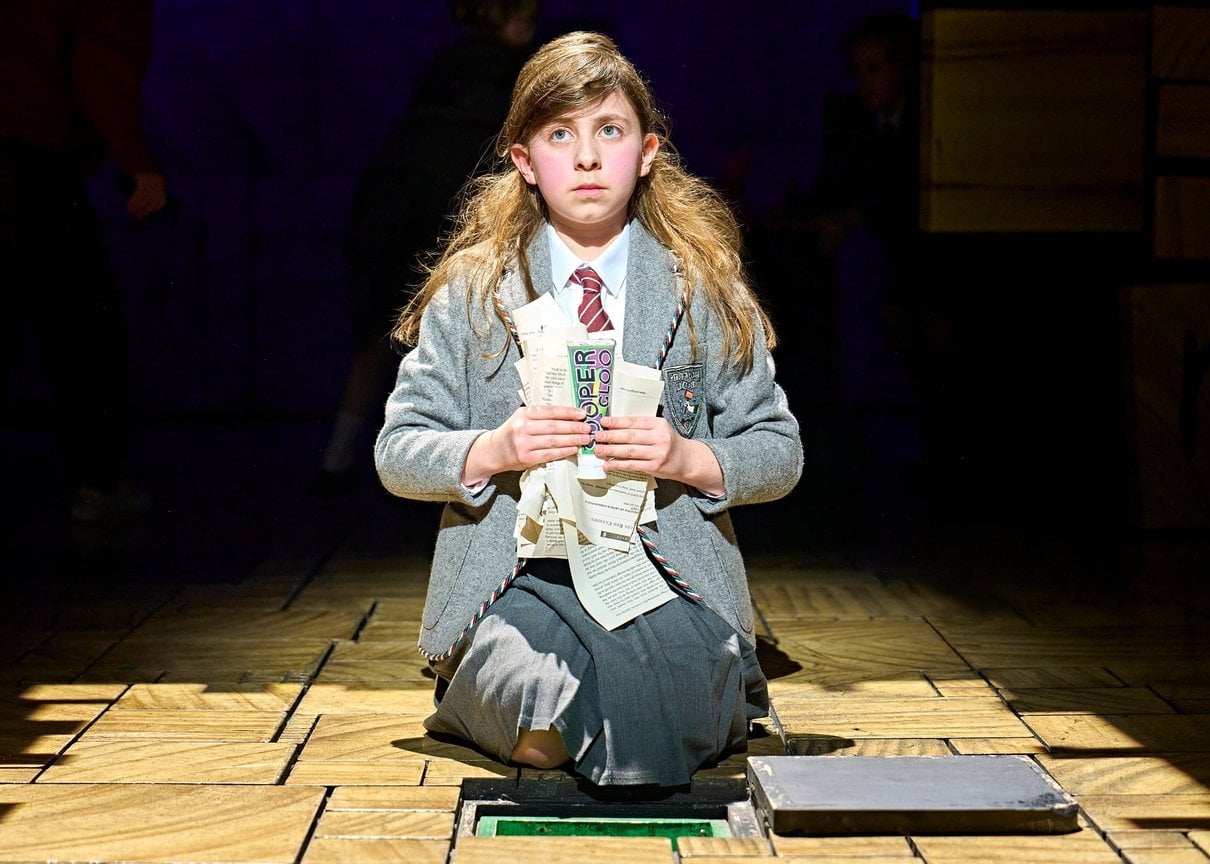

Some theatre trips work best when everyone can settle quietly in a seat; others need a little more room for movement and breaks. The Chilled Performance at Matilda, The Musical UK NEW is designed with that second kind of visit in mind.
We reviewed the official UK performance information and resources to see what the format actually changes, how it differs from other access options, and what families should check before choosing a date.
This is a particularly useful detail when a child is curious about live theatre but might find a conventional auditorium routine difficult. The official description makes the format sound accommodating, while also drawing a clear line between a relaxed audience environment and a changed production.
Disclosure: this post includes affiliate links, and we may be paid a commission on purchases made through them.
The short version: The Chilled Performance keeps the show itself unchanged and takes a more casual approach to noise and movement in the auditorium, including the option to leave and return. It may suit visitors who benefit from that flexibility, but it is not described as a version with the production’s sound or effects reduced; check the specific date and access information before booking.
What does the Matilda Chilled Performance include?
The official page describes a performance where the atmosphere and theatre rules are more relaxed. Audience members can make noise and move around more freely, and visitors may go in and out of the auditorium. Crucially, the show itself remains unchanged and is not shortened and same production. That distinction matters: it is the setting around the performance that is adjusted, not a specially shortened or quieter version of the musical.
For a family weighing up whether a first theatre trip feels manageable, that flexibility can be the central benefit. A child who needs a movement break does not have to treat that as a disruption or miss the whole experience. The page also notes that babes in arms are welcome at chilled performances, while standard age guidance and seating rules still matter for other visits.
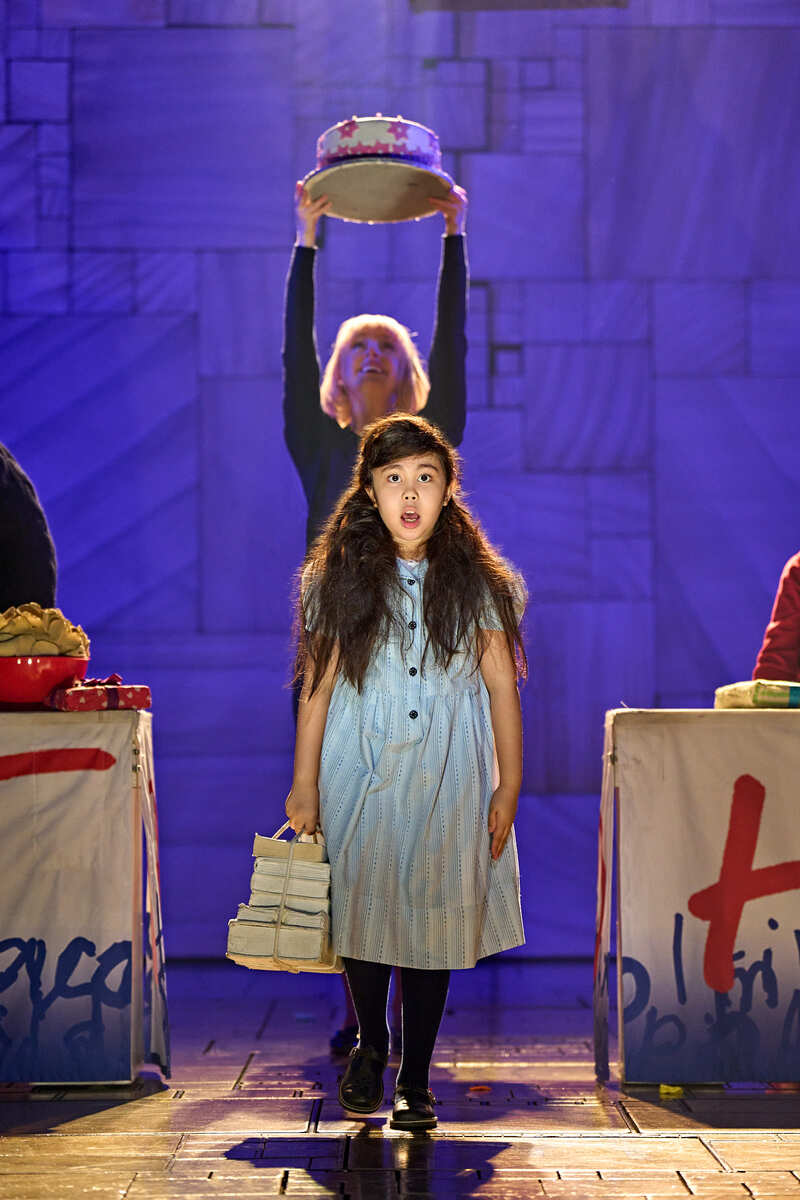
- More freedom to move: the auditorium has a more casual approach to movement.
- Entry and exit flexibility: visitors can go in and out during the performance.
- The show stays intact: the production is not described as adapted for this format.
- Preparation material: the official page links to a Sonic Story and a visual story resource.
The scheduled dates are limited compared with the full performance calendar. For the format details, visit Matilda’s Chilled Performance listing. We recommend opening the Matilda The Musical Chilled Performance details early, then checking the date against the needs of your group rather than assuming every performance uses this format. The product page gives a starting point for the official listing, but availability may change. See the Chilled Performance details again when you are ready to compare dates.
Where is the format strongest, and where are its limits?
Its clearest strength is that it makes a live performance feel less dependent on sitting still and staying silent. The official description is unusually concrete about movement and leaving the auditorium, so families can judge whether those accommodations address their particular concern. It also points to preparation resources before arrival, which can make an unfamiliar venue and story easier to picture.
There are limits worth taking seriously. A Chilled Performance is not the same as a Relaxed Performance. The site describes relaxed performances as potentially adapted to support audience needs, with loud noises and music possibly turned down. For a chilled performance, the production is unchanged. If volume, lighting or specific effects are the concern, families should review the content advisory and contact the theatre with questions rather than infer that “chilled” means lower sensory intensity.

The official content advisory mentions flashing lights, lasers, loud sound effects, popped latex balloons and stage haze. Actors also interact in audience spaces. These details may affect whether this service suits a particular visitor. The page’s Chilled Performance information is a good first reference, and the theatre’s access team can clarify individual questions that the general page cannot answer.
Our review is based on the published service description, not a personal visit. On that evidence, the offer is strongest as a flexibility option and not a lower-sensory version, not as a guarantee that every sensory feature will feel gentle. That is a meaningful difference when making a plan with children or anyone who may need to step out. The official chilled format is specific about that flexibility.
- Good fit if movement or the option to leave and return helps someone enjoy a show.
- Less suitable if the main requirement is a production with quieter sound or altered effects.
- Worth checking if audience interaction or stage haze could be uncomfortable.
How does it compare with captioned and audio described performances?
These formats solve different access needs, so the most useful question is not which one is best overall, but what kind of support matters to your party. A Matilda The Musical Captioned Performance uses live subtitles displayed on screens beside the stage, including spoken lines and sound effects. This can support deaf and hard-of-hearing audience members and anyone who benefits from seeing dialogue in text. The official captioned performance information explains the arrangement.

An Matilda The Musical Audio Described Performance adds spoken commentary explaining the stage action through a headset. The official page says touch tours take place before these performances, giving visitors an opportunity to experience the set, costumes and props. Read the Audio Described Performance notes for the listed service details. A separate BSL option is also listed for selected performances; the theatre asks visitors booking a signed performance to contact the box office for a seat with a clear view of the interpreter.
In practical terms, the choices break down like this:
- Choose chilled when a flexible atmosphere and movement breaks are the priority.
- Choose captioned when live on-screen text would help follow dialogue and sound cues.
- Choose audio described when spoken visual description and the touch-tour option are useful.
- Ask the access team if more than one support need applies or if the listed description leaves a question open.
Those are separate official services rather than interchangeable ticket labels. You can revisit the captioned option and the audio description option while deciding. Checking the captioned performance details and audio described performance details alongside the chilled listing helps avoid booking based on a name that sounds broadly reassuring but does not match the support needed.
What should families check before choosing a date?
Start with the official date list because assisted performances run on selected dates, not necessarily every day. Then check the booking page for current availability and seating information. The site says the production is booking ahead, but a published date should not be treated as proof that seats remain available.
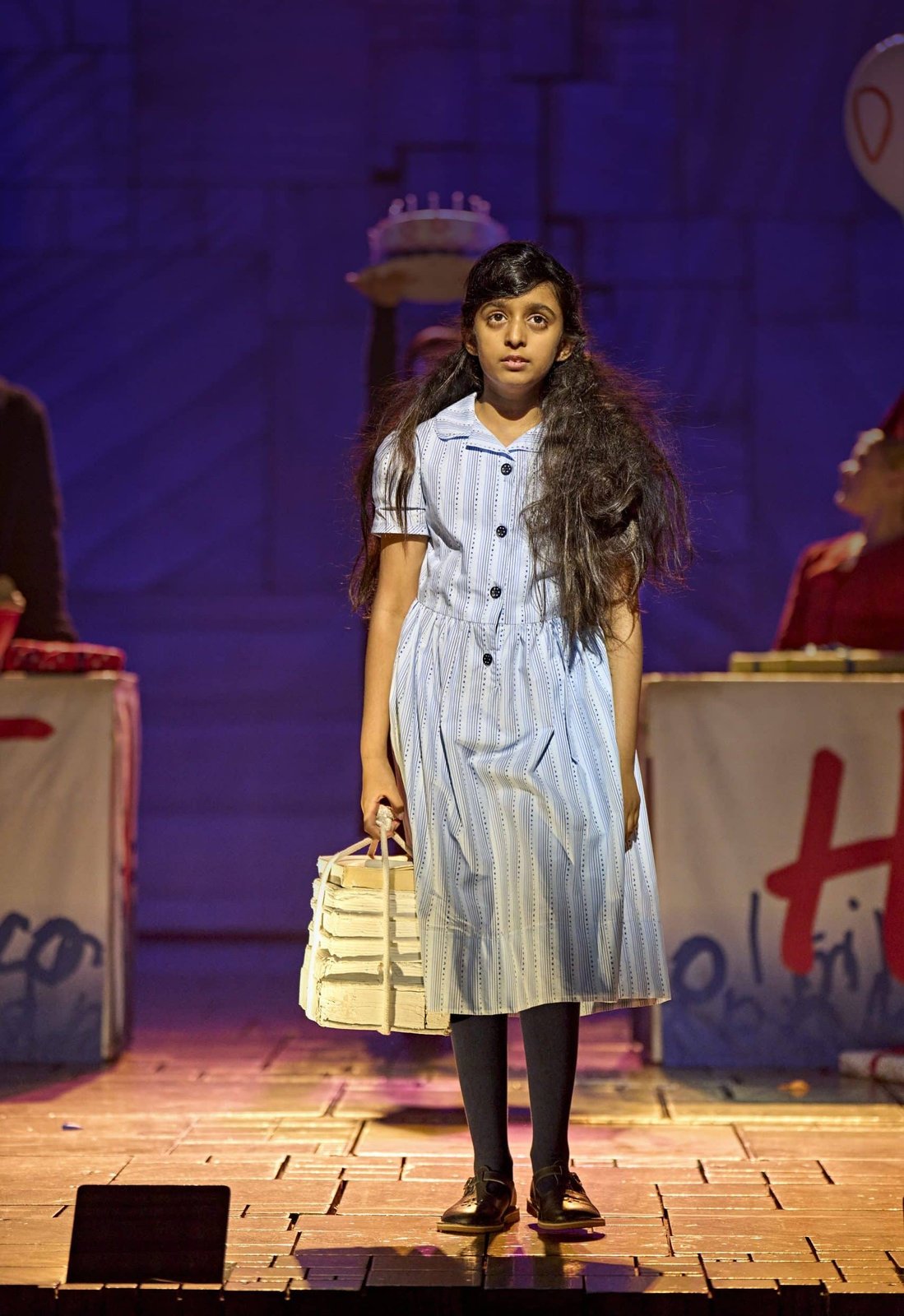
Next, decide whether the flexibility described for chilled performances answers the actual need. The official Chilled Performance page links to a Sonic Story highlighting key sounds and a visual story that can help visitors understand what to expect. Those tools are useful for preparation, but they do not replace direct advice where a specific sound, lighting effect, access route or seating question is involved.
It is also sensible to plan the venue arrival. The Cambridge Theatre is in Seven Dials, and the accessibility information explains that access routes vary by level, with stairs to the Dress and Upper Circle. The theatre page includes details on the Stalls, access host support, toilets and transport. It is sensible to reopen the official chilled listing before selecting a date. Contact the box office or access team if your party needs a particular route or seat arrangement.
- Confirm that the performance date is explicitly listed as chilled.
- Read the content advisory and sensory notes together with the format description.
- Open the visual and Sonic Story resources before the visit if they would help.
- Ask the theatre about seating, arrival or assistance needs in advance.
The overall buying experience is split between the official information page and ticketing. The brand’s page gives the context and the list of access formats; its Book Now pathway goes to the theatre ticketing system. That separation is common for live theatre, but it means visitors should re-check the selected performance label and date as they proceed.
Who is the Chilled Performance best suited to?
Based on the published description, it may suit families with younger children, visitors who find a strict quiet-and-still expectation difficult, and anyone who feels more comfortable knowing an exit and return are possible. It is open to everyone, rather than restricted to one diagnosis or group. That broad invitation is helpful, while still leaving the decision to each audience member’s needs. The official service description can help families assess the fit.
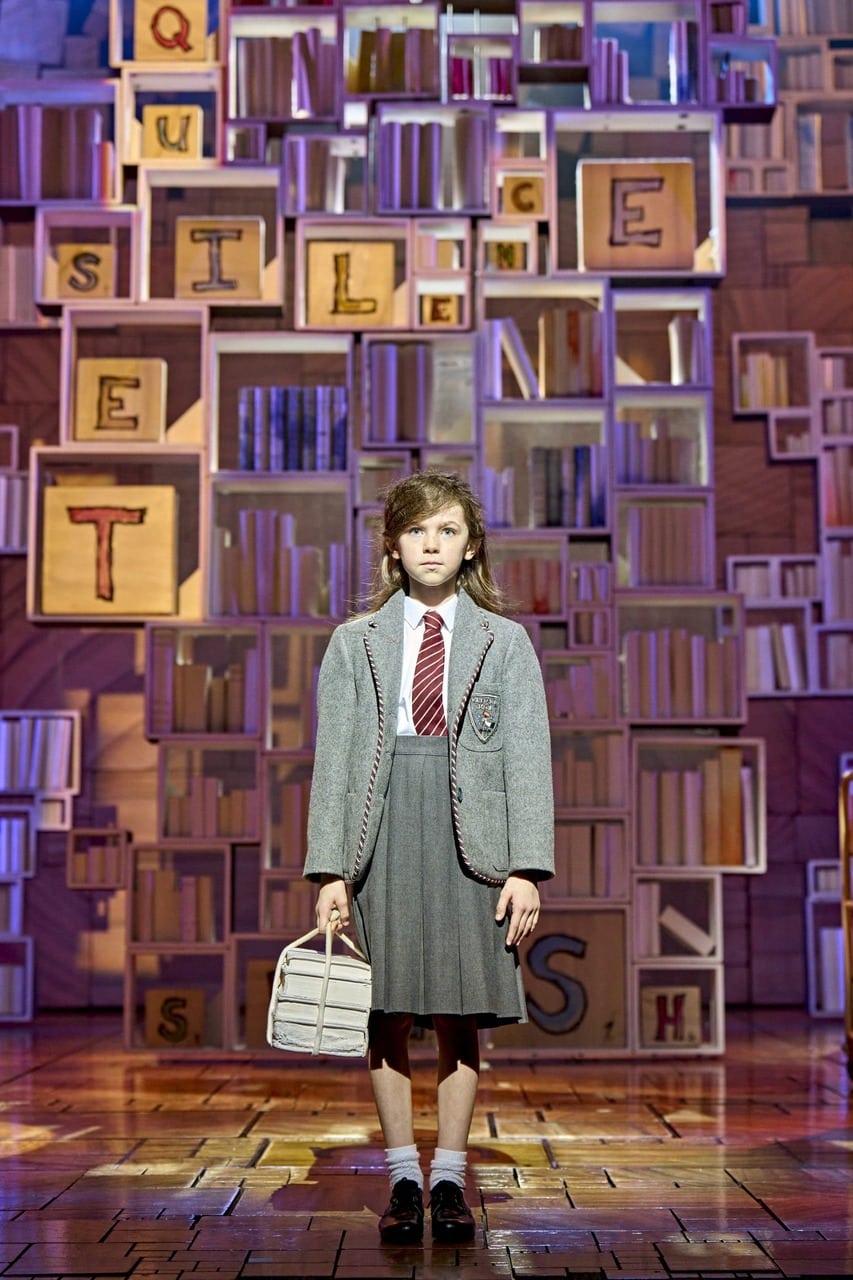
We would recommend considering it when audience flexibility and movement breaks is the main requirement. We would pause and ask the venue for guidance if the main concern is loud sound, flashes, haze or performers entering audience spaces. For some parties, a captioned or audio described date may be the more relevant service, and the official pages make those options easy to compare.
As supporting context, Matilda, The Musical UK NEW is the Royal Shakespeare Company production inspired by Roald Dahl, with a book by Dennis Kelly and original songs by Tim Minchin. That creative background explains why families may be drawn to the show; this review’s practical recommendation rests on the specific accommodation details above.
Ready to check whether a Chilled Performance fits your plans?
The Chilled Performance has a clear, useful purpose: it makes the audience environment more flexible while keeping the musical unchanged. For the right visitor, that can remove a real barrier to enjoying live theatre. Its limitation is equally clear: it does not promise reduced sound or different effects, so check the advisory and raise individual access questions before selecting a performance.
We recommend starting with the official date and resource details, then confirming the ticket listing and seating requirements with the theatre. That gives you a better basis for deciding whether chilled, captioned, audio described or another performance is the right match. The Chilled Performance listing remains the natural starting point if flexibility is your priority.