









Choosing a theatre performance can involve more than the date and seats, especially when someone in your party may need freedom to move or step outside. The Chilled Performance of Matilda The Musical is designed with that in mind.
We reviewed the official UK performance information rather than attending the show. This focused review explains what the format changes, what remains the same, and which visitors may find the flexibility useful.
Disclosure: this post includes affiliate links, and we may be paid a commission on purchases made through them.
The short version: The Chilled Performance takes a more casual approach to noise and movement, including the option to leave and re-enter the auditorium. The production itself is unchanged, so this is a flexibility option rather than a quieter or adapted version. Check the official listing for a suitable date and read the sensory advisory before booking.
What does the Chilled Performance change?
The central feature is a change in the auditorium expectations, not in the performance. The official Chilled Performance description says that noise and movement are approached more casually, and audience members can go in and out during the show. That can help people who would otherwise worry about remaining seated and quiet throughout.
In practical terms, the format may suit a family planning around a child who could need a break, or an adult who feels more comfortable knowing that stepping out is possible. It can also take pressure off companions, who may be anxious about disturbing nearby audience members if someone needs to move or vocalise. The option to return makes a short pause different from having to abandon the visit.
The official page says babes in arms are welcome at this format when they are not walking or requiring their own seat. This is a specific allowance, not a general under-six admission policy. The production’s separate age guidance says children under six are not suitable for standard performances, and children under four are not admitted to the auditorium. Read the current official guidance and contact the box office if your circumstances are unclear.
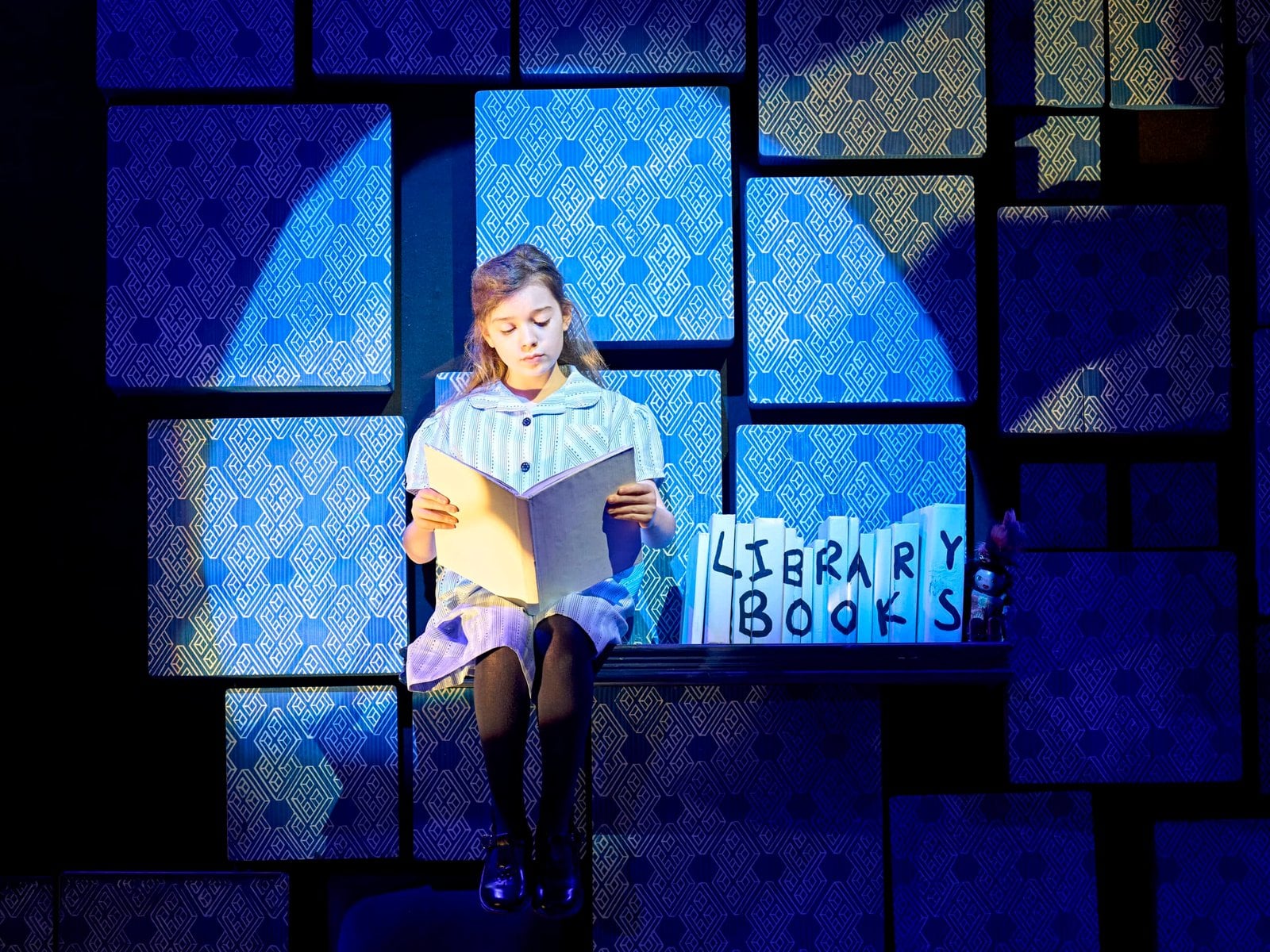
Other official formats serve different purposes. The Relaxed Performance loosens the theatre rules and may adapt elements of the show. The Captioned Performance displays dialogue and sound effects on screens beside the stage. The Chilled Performance is the one to consider when flexibility around movement and leaving the auditorium is the main need.
- Movement: audience members can leave and re-enter.
- Noise: the auditorium takes a more casual approach.
- Staging: the production itself is unchanged.
- Infants: babes in arms are welcome under the stated conditions.
Who is this format likely to suit?
This offering is most relevant when the possibility of needing a break is part of the decision. That can include families with young children, audience members with sensory or access needs, and companions who would prefer to know that moving around is accepted. The official page describes it as a performance for everybody, rather than a members-only event.
The flexibility may be reassuring even when nobody expects to leave. Knowing that an exit is available can reduce the pressure of a long live performance, particularly for a first theatre visit. The ability to re-enter also means a pause need not turn into a decision to leave for the rest of the show. Check the official Chilled details against the needs of your party.
However, a more relaxed approach to audience noise does not mean that the auditorium will be quiet, nor does it change the show’s content. The official advisory lists flashing lights, lasers, loud sound effects, popped latex balloons and stage haze. Actors also interact in audience spaces. Visitors who may be affected by those elements should read the production advisory and ask the venue about specific concerns.

A useful decision starts with the support you actually need, rather than the most reassuring label. If sound and movement flexibility are the priority, the Chilled Performance fits that description. If the main need is British Sign Language interpretation, live captions or audio description, compare the relevant captioned format, BSL performance or other assisted performance information. These are distinct services rather than interchangeable versions of the same accommodation.
How do booking and preparation work?
The official page groups the assisted performance options, their scheduled listings and preparation material. Start by checking the Chilled Performance listing for a date that works for your group. It links into the venue ticketing system, where seat and availability information is handled. A particular format may not be listed for every performance, so confirm the date before arranging the rest of a visit.
For booking questions, the official accessibility page directs visitors to the theatre box office by email or telephone. That is the best route for clarifying an individual access requirement, infant arrangements or seating question; a general article cannot confirm how a request will be handled on a particular date. The venue can explain whether an arrangement needs to be made ahead of time. Contact details appear with the official performance information.
Preparation resources can make the visit less unfamiliar. The official Sonic Story highlights key sounds from the show. The adapted performance visual story offers a way to anticipate aspects of the visit. These resources can be reviewed before choosing a date, and they are helpful context rather than a substitute for a conversation with the venue.
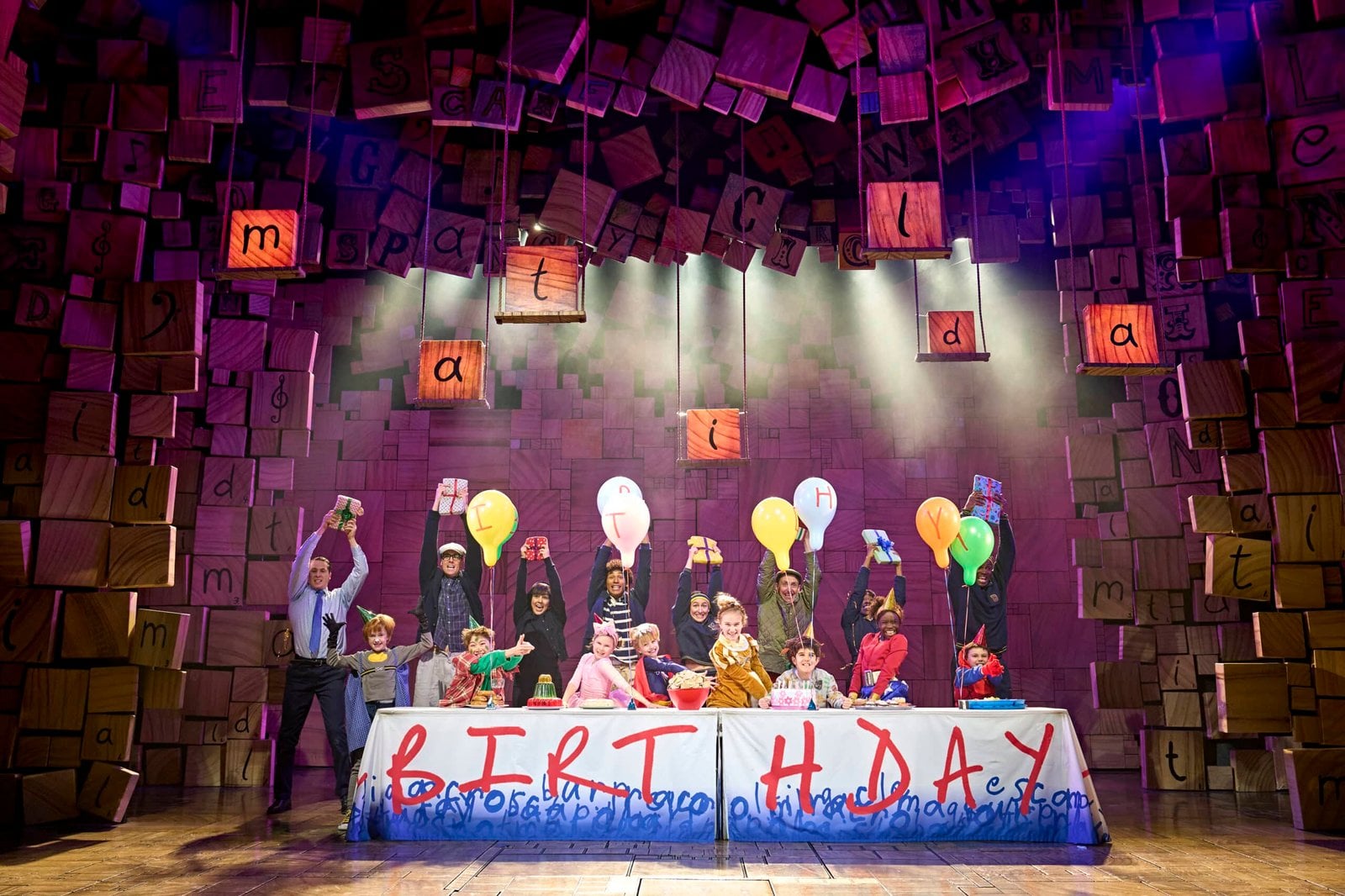
We suggest a simple planning order:
- Identify the specific flexibility or access support that would help.
- Read the show’s sensory advisory and available preparation materials.
- Check the Chilled listing and confirm the date with the official booking route.
- Contact the theatre about an individual access, infant or seating question.
This helps avoid assuming that the performance format answers every access question. The route through the theatre, seat location and assistance on arrival are separate from the relaxed movement policy inside the auditorium. The venue’s access information provides further details to check while planning.
What are the limits to keep in mind?
The largest limitation is also the key distinction: the Chilled Performance itself is unchanged. It does not promise reduced lighting or sound effects, and the official advisory notes sensory elements some visitors may wish to consider carefully. For someone who needs those elements adapted, a different listed format or a conversation with the venue may be more useful.
Availability is a practical consideration. Chilled performances are scheduled dates, rather than a feature to assume across the calendar. If one date matters, check the current official listing before building travel plans around it. The official page provides show information and links to venue ticketing for the actual booking details.
There is also no guarantee that a visitor will find the atmosphere comfortable simply because movement is allowed. The theatre surroundings, audience and show itself remain part of the experience. We would describe this as a meaningful accommodation for flexibility, with boundaries that deserve attention in advance. The Chilled information page is useful, but personal questions are best put to the venue.

It may help to compare each option by purpose:
- Chilled: a casual approach to noise and movement; show unchanged.
- Relaxed: theatre rules and ambience are relaxed, and the performance may be adapted.
- Captioned: live text appears on screens beside the stage.
- Audio described: additional commentary describes the action; touch tours are offered ahead of these performances.
Those distinctions come from the official descriptions. The Relaxed Performance information and Captioned Performance details can help if another support is central to your decision. We would not choose solely by format name; look at the actual feature and match it to your party.
Is the Chilled Performance worth considering?
For someone who values permission to move, make noise or step outside and return, this is a clear, practical offering. Its scope is easy to understand, and the linked preparation resources give visitors another way to get ready. Families considering a first theatre outing may appreciate that defined flexibility, as may adults who simply feel more comfortable with an easy exit.
It is a less compelling match if the main concern is the content or sensory effects, because the show remains unchanged. In that case, review the advisory and compare the specific support offered by the Relaxed Performance, Captioned Performance or Audio Described Performance before selecting a date. The official performance listing should guide the final check.

Ready to check the Chilled Performance?
We recommend considering this format when a more flexible auditorium is the priority, while treating the unchanged staging and sensory advisory as part of the decision. Read the preparation resources, confirm a currently listed date and contact the theatre about individual access or seating needs.
The limit is straightforward: flexibility does not mean the production is adapted or free of intense effects. If that distinction suits your plans, check the official Chilled dates and follow the venue’s booking route.