









A familiar story can feel very different once it has to work on a stage. If you know Matilda from Roald Dahl’s book, the London musical raises a natural question: what has been carried across, and what has been newly made for live performance?
For a first visit, the answer is useful context. Matilda, The Musical UK NEW is not simply a story retold with songs; it is a Royal Shakespeare Company production with its own theatrical language, creative team and practical visitor resources.
This feature follows the official UK production pages and explains the details that help a newcomer understand the brand before choosing what to explore.
Disclosure: this post includes affiliate links, and we may be paid a commission on purchases made through them.
The short version: The musical keeps Dahl’s determined child at its centre while using Dennis Kelly’s book and Tim Minchin’s original songs to create a larger stage world. Its identity comes from that creative combination, its long-running London home at the Cambridge Theatre and official resources that let visitors prepare in different ways.
What changes when Matilda becomes a stage musical?
The starting point is Roald Dahl’s story of a clever, book-loving girl who pushes back against adults who underestimate her. On stage, the emotional engine remains recognisable: Matilda uses imagination and courage to assert control over a world that often treats children as an afterthought. The theatrical version broadens that idea through a company of performers, choreography, scenery and music.
The official creative credits give a useful map. Dennis Kelly wrote the book, shaping the source material into scenes that can move between the school, home and Matilda’s imaginative inner life. Tim Minchin wrote the original songs, giving the production a musical voice that can carry plot, character and comic timing at once. The Royal Shakespeare Company produces the London show, connecting the title with a major British theatre institution.
That matters because adaptation is a series of choices. A stage version has to establish relationships quickly, make its settings legible from the auditorium and give an ensemble a reason to move together. The musical form lets a feeling become a shared event: a song can turn a private thought into a moment the whole theatre witnesses. It also means the production’s pacing and tone are shaped by performance rather than by a reader setting their own pace.
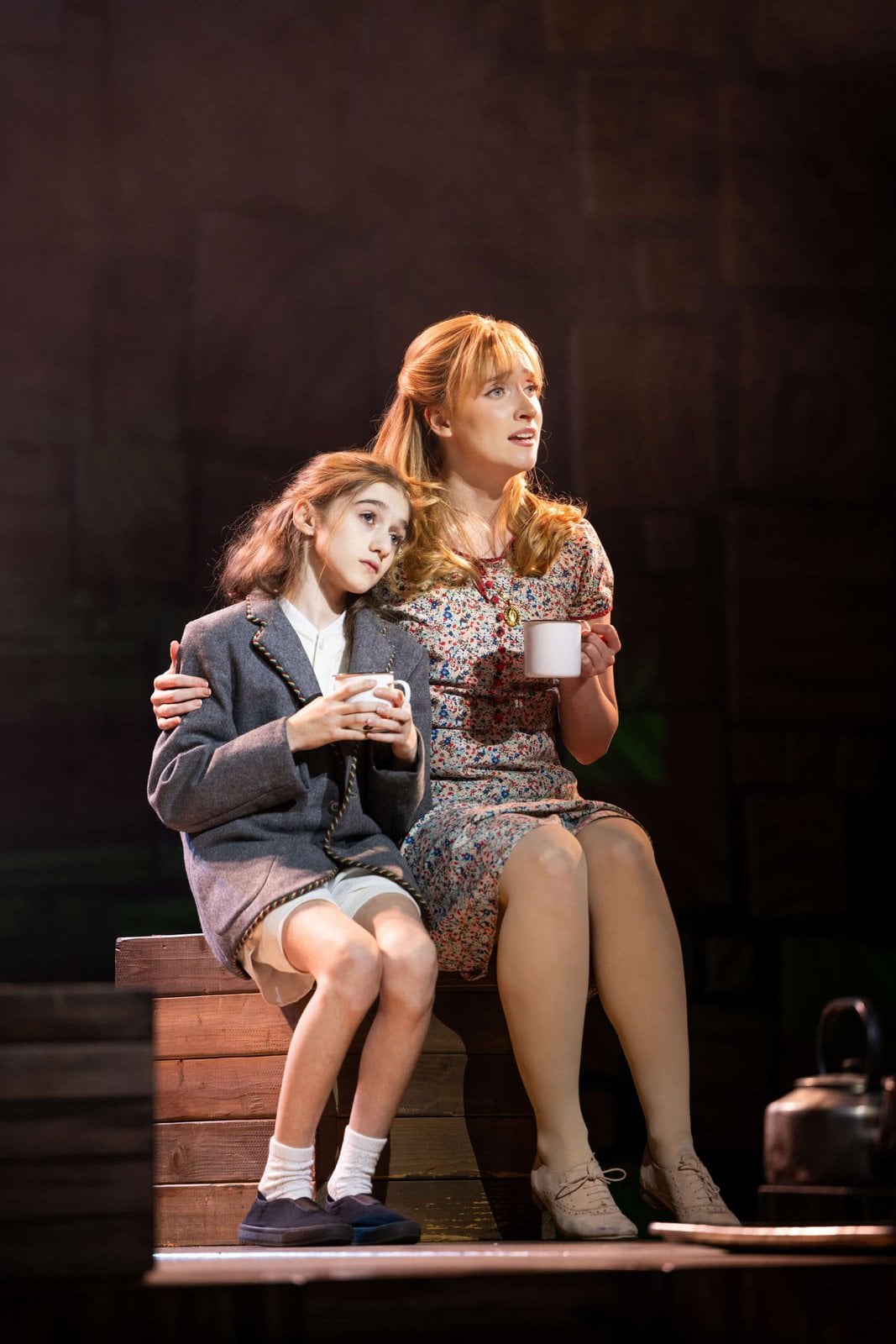
For a first-time reader, this is the most helpful way to approach Matilda, The Musical UK NEW: as an interpretation with a clear lineage, not a substitute for the book. People who already love Dahl may recognise the mischievous perspective, while those meeting the story for the first time can follow it as a family musical about resourcefulness, unfairness and imagination.
- Source: Roald Dahl’s children’s story.
- Stage book: Dennis Kelly’s adaptation.
- Original music: songs by Tim Minchin.
- Production context: a Royal Shakespeare Company musical in London’s West End.
Which creative details give the production its identity?
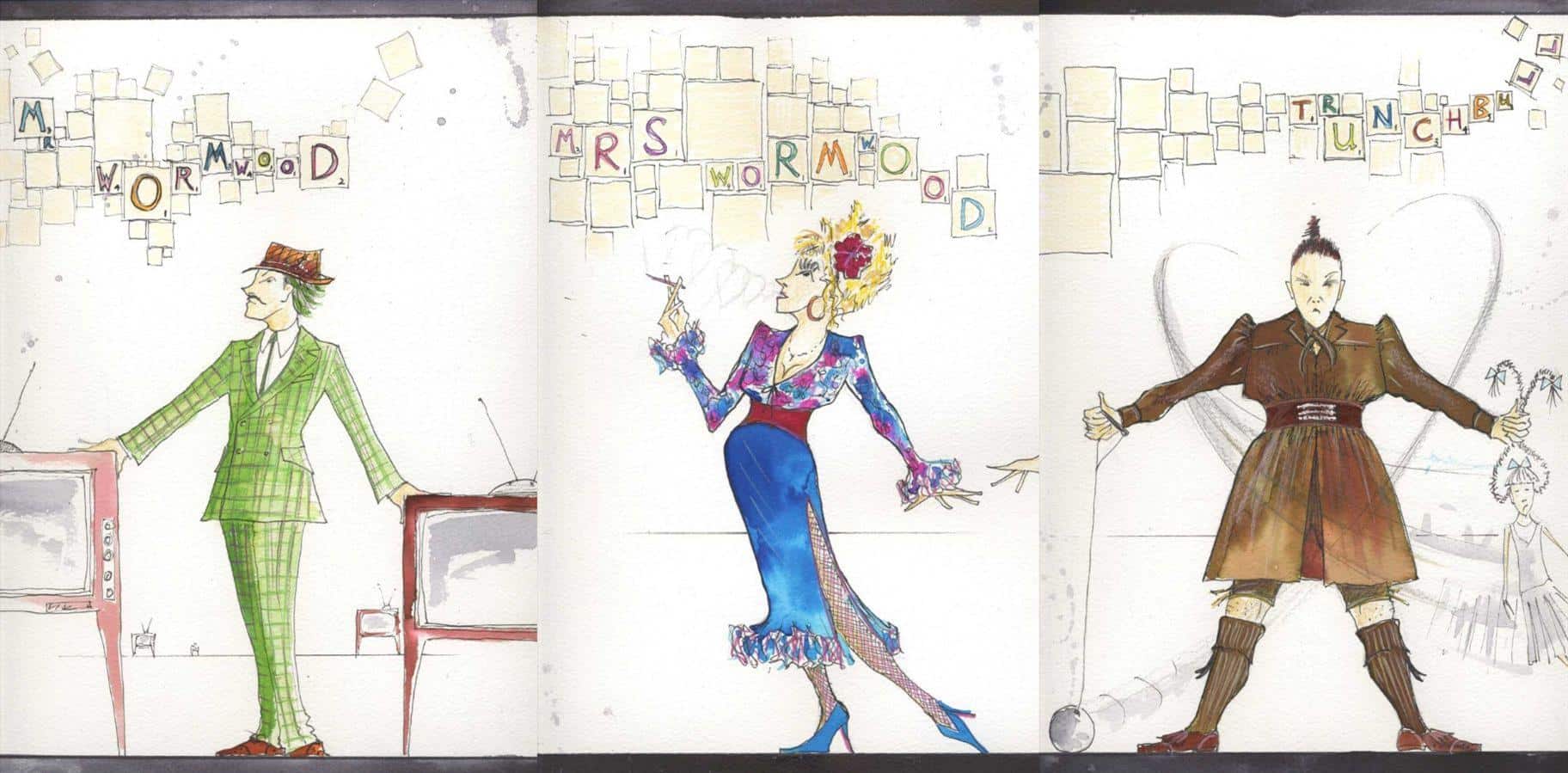
The show’s visual world is part of its storytelling. Costumes and staging help establish the contrast between a child’s point of view and the adult systems around her. The official production gallery offers a glimpse of that design work, including costume concepts and performance photographs. Those images are useful as context, though they are only snapshots; they cannot communicate the timing, sound or scale of a live scene.
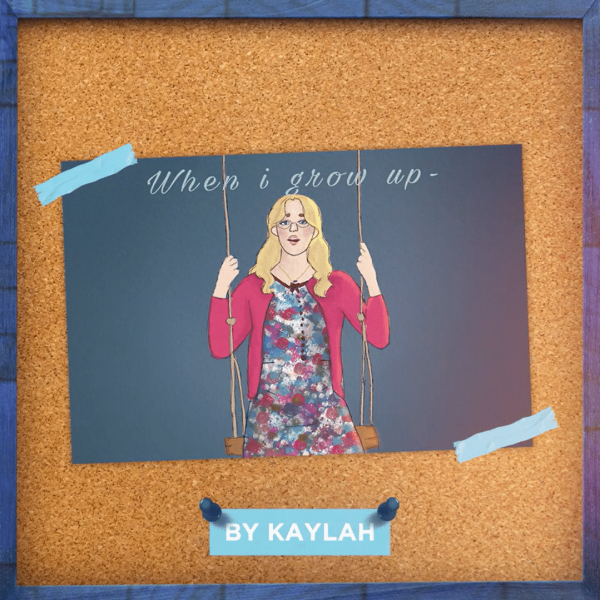
Music is another defining strand. Minchin’s songs are not an add-on between scenes; they are part of how the show introduces characters and advances the story. That helps explain why a song title such as “When I Grow Up” has a life beyond a single production moment. The official gallery also collects video material and soundtrack-related resources, giving a newcomer a route into the show’s musical vocabulary before or after a visit.
The creative identity rests on contrast: a child’s sharp intelligence against adult absurdity, playful humour alongside serious stakes, and small personal acts set against a large ensemble stage picture. This combination gives the property a distinctive tone, but it will not be every theatre-goer’s preference. Someone looking for a quiet naturalistic drama may find the heightened musical style too broad; a visitor drawn to energetic storytelling may find that scale part of the appeal.

There is also a practical point in the production credits. A musical’s identity depends on many people beyond the writer and composer: performers, musicians, directors, choreographers, designers and stage teams each make the same material work night after night. The official Matilda show information and creative credits are worthwhile stops for readers who like to understand how a production is assembled, rather than only whether the story sounds familiar.
How does the Cambridge Theatre shape a first visit?
The official Cambridge Theatre page places the London production in Seven Dials. Naming the venue gives this brand a specific home: the experience is tied to a central London theatre visit, with a fixed auditorium and a performance date to plan around. That is different from reading the book at home or watching a screen adaptation, where the setting and schedule are flexible.
First-time visitors should treat venue information as part of the production, not small print. Before committing to a date, check the official ticket information, the current performance calendar and the venue guidance relevant to your party. Availability and the cost of attending can depend on the chosen date, seat and booking details, so the official booking path is the place to confirm current terms. We do not quote a fixed price here because those details can change.
For families, a little preparation often makes the day feel more manageable. Look at the journey to Seven Dials, consider how long the performance and travel will take, and discuss any sensory or access needs before selecting a performance. The production’s official site includes a Sonic Story and visual story material. These are practical introductions to elements of the theatre experience, though visitors with specific requirements should still confirm the details directly with the venue.

That combination of a defined venue and planning resources is a meaningful part of the brand’s range. It does not mean every date or format will work for every visitor. It does mean a newcomer can find more than a synopsis: there are pages to understand the show, the venue and ways to prepare.
Which official performance options are useful to know?
The official UK pages list several formats intended to support different access needs. They are not separate versions of the story, and each option should be checked against the published date and details. Three examples illustrate how the site’s range can be useful:
- Matilda The Musical Chilled Performance is described for a more casual auditorium approach to noise and movement while the production remains unchanged. It may suit visitors who benefit from flexibility during a performance.
- Matilda The Musical Captioned Performance provides captions as part of the performance. Check the official listing for dates and the precise arrangements.
- Matilda The Musical Audio Described Performance is an option to investigate for visitors who use audio description. The official page explains the current offer and relevant access information.
The site also references BSL interpreted and Relaxed performances, alongside preparation materials. Those labels are useful starting points, not a guarantee that any particular date meets an individual need. Confirm the format, availability and venue arrangements for the performance you are considering.
These offerings show how an established production can develop a more informative relationship with its audience. The story and creative team may attract someone initially, while details such as captioning, audio description or a relaxed auditorium approach can make the practical question of attending more answerable. If access is central to your decision, begin with the official Chilled Performance details, review Captioned Performance information, and compare the current Audio Described dates.
Where should a newcomer start exploring?
Start with the official story and creative information if you want to understand the adaptation before deciding whether a visit appeals. The about page gives production context; the gallery brings together images and video; and the cast and creative pages offer a closer look at the people behind the London staging.
If you are considering a performance, shift from background to logistics. Check the official date and seat options, read the Cambridge Theatre information and identify whether one of the official formats fits your party. If you are planning with a child or someone who likes to know what to expect, look for the Sonic Story and visual materials ahead of the day.
A simple order of exploration keeps the choices manageable:
- Read the story and creative overview to see whether the production’s premise interests you.
- Look through the gallery for a sense of the visual and musical world.
- Check dates, venue guidance and access information on the UK site.
- Use preparation resources where they answer a real question for your group.
The official pages are strongest when they answer a concrete question. They can explain what the show is, who made it, where it plays and which support resources are listed. They cannot tell you whether a particular performance will feel right for every member of your party, so personal needs and current venue details still matter.
Ready to explore Matilda’s London production?
Our recommendation for a first-time reader is to begin with the story’s creative lineage, then use the official pages to decide whether the London production and its practical options fit your plans. The combination of Dahl’s source, Kelly’s stage book, Minchin’s songs and the RSC production gives Matilda, The Musical UK NEW a clear identity, while the Cambridge Theatre and access resources make the next steps specific.
The limitation is that a brand feature can introduce the production but cannot stand in for a date-specific booking check or personal access advice. Confirm current availability, venue arrangements and the details of any performance format directly on the UK site. If the show’s story-led musical approach sounds right for you, that is the natural place to continue.