







Use this practical Aetrex buying guide to match support features, adjustability and shoe shape to the way you actually spend your day.
Shopping for supportive footwear is rarely just a question of whether a shoe looks comfortable in a product photo. The useful decision is more specific: will the shape, closure, cushioning and upper make sense for the hours you expect to spend in it?
Aetrex gives us a sensible starting point because the range includes sandals, clogs, loafers and dressier styles built around its orthotic system. The brand says its footwear and orthotics are informed by more than 50 million global foot scans. That does not decide fit for every wearer, but it gives the buying process something concrete to examine.
Disclosure: this post includes affiliate links, and we may be paid a commission on purchases made through them.
The short version: Aetrex builds many styles around a built-in orthotic system, memory foam cushioning and adjustable fit features. Jillian, Bondi, Susie and Collette offer different routes through sandals, clogs and loafers, so compare the construction with your routine and check the live product page for current price, size availability, materials, returns and delivery terms.
What setting will the shoe handle?
First, write down the setting rather than the style you are tempted to buy. A shoe for a commute and office day has a different brief from a sandal for a hot-weather trip or a clog for short periods on your feet. This small pause helps prevent a familiar mistake: choosing the most attractive silhouette and only later asking whether it can handle the day.
- For walking: look for cushioning, a secure closure and a sole that feels stable through repeated steps.
- For standing: prioritise the footbed, support structure and adjustability, especially if your feet tend to change during the day.
- For office dressing: check the upper, heel height and how easily the shoe can be adjusted without losing its smart shape.
- For warm-weather travel: consider breathability, strap placement and whether the sandal can be tightened for longer walks.
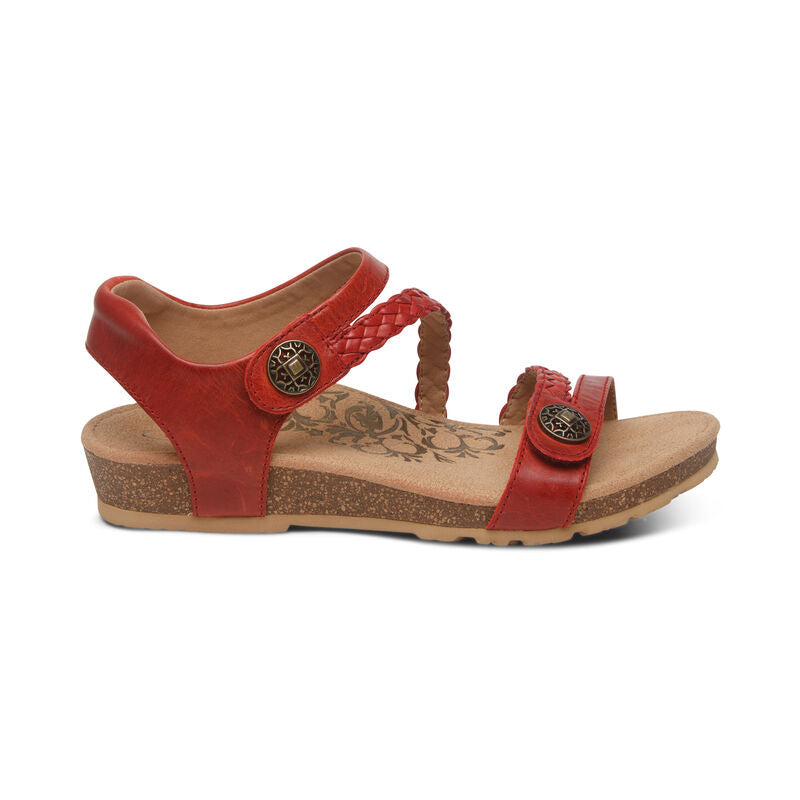
That is where Jillian makes sense as a reference point. The product page describes a fully adjustable sandal with signature arch support, memory foam cushioning, a padded heel and an ultra-light cork midsole. The braided detail keeps it in the everyday wardrobe rather than making it read like a medical shoe. We would put it on a shortlist for casual walking and travel days, then check the available size and current store information before committing.
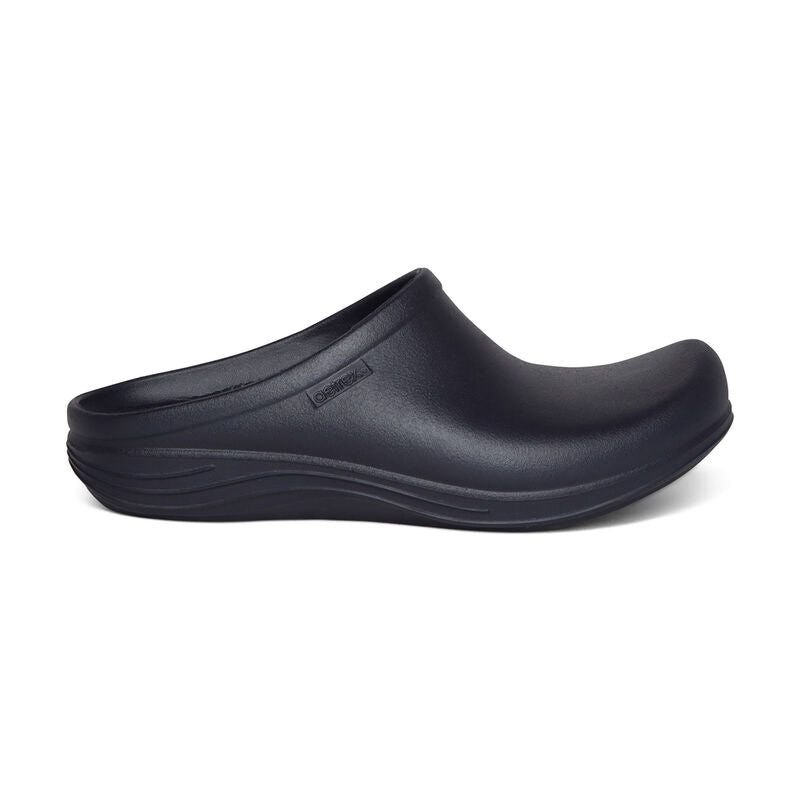
For a more relaxed option, Bondi is a clog made with UltraSKY injected EVA, which the store describes as cushioning, shock absorbing and durable. It also has a soft foam toe post. That detail is relevant if you dislike the pressure of a traditional flip-flop style, although a clog will not suit someone looking for a low-profile office shoe. The Bondi listing is the place to confirm the live fit and size information.
Which support details matter to you?
Once the use case is clear, read the construction details in the same order every time. Arch support is only one part of the picture. A useful comparison also includes cushioning, closure, upper material, sole and any removable or fixed footbed information. Those details tell us how a shoe may behave, while the live listing tells us what is currently available.
| Option | Shape | Useful detail | Best starting point |
|---|---|---|---|
| Jillian | Adjustable sandal | Arch support, memory foam and cork midsole | Warm-weather walking |
| Bondi | Orthotic clog | Injected EVA and soft foam toe post | Casual, easy-on wear |
| Susie | Open-toe sandal | Adjustable hook-and-loop straps and memory foam | Breathable everyday outfits |
| Collette | Loafer | Leather upper, lightweight EVA and metal shank | Smarter work dressing |
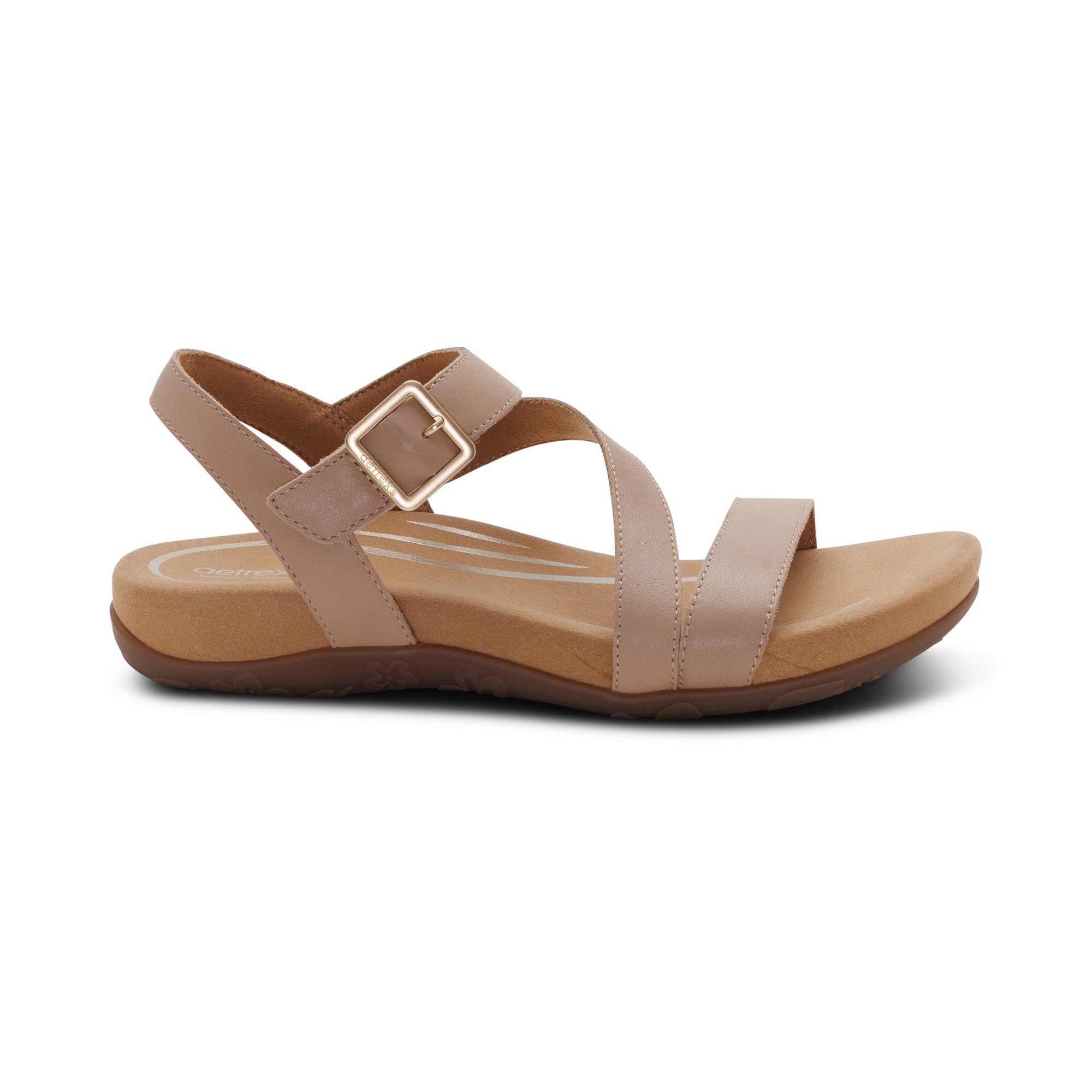
Susie is the clearest example of why the small details matter. A sandal can look open and airy while still giving you a more adjustable fit. The store describes hook-and-loop straps, an open-toe silhouette, built-in arch support and memory foam cushioning. If your brief is a breathable daily sandal rather than a statement occasion shoe, the Susie product page gives you the right details to check.
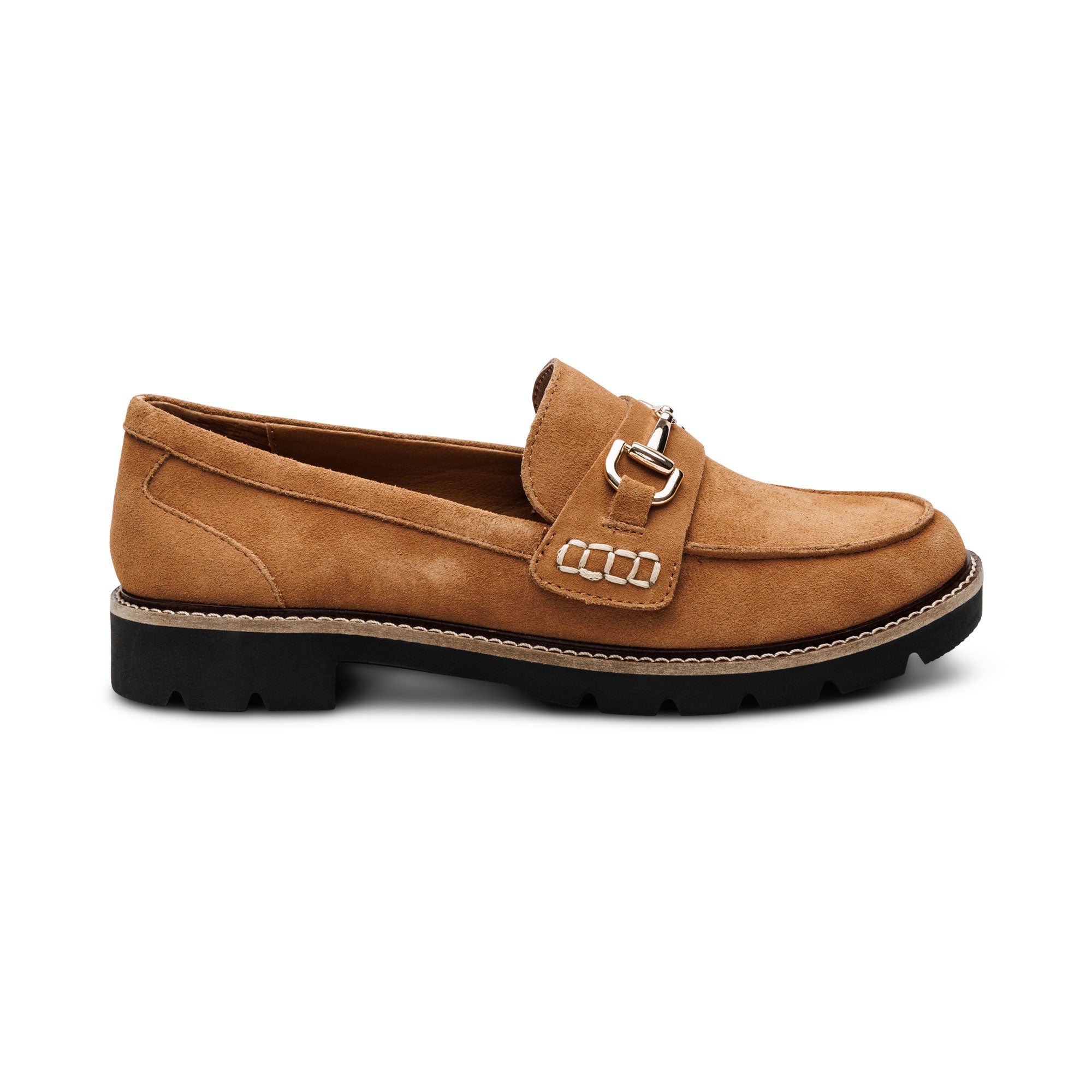
If your wardrobe needs a closed-toe option, Collette shifts the conversation to a leather loafer. A lightweight EVA midsole, lightweight construction outsole, metal shank and adjustable vamp are the features that stand out in the store description. That combination may appeal to someone who wants a polished shape with more structure than a flat, but the limitation is obvious: a loafer is less ventilated than a sandal and the suede colour needs more care. Use the Collette listing to check the current sizes and care information.
Which Aetrex silhouette fits your wardrobe?
Supportive footwear does not need to be visually narrow. The range includes practical shapes and more decorative ones, so we would make the wardrobe decision after the fit decision. If a shoe is for repeat wear, ask whether you can imagine it with at least three outfits and whether the closure is easy enough to use on a busy morning.
- Choose Jillian when a braided sandal and adjustable straps fit your summer wardrobe.
- Choose Bondi when an easy-on clog and generous cushioning matter more than a sleek outline.
- Choose Susie when you want an open-toe sandal with a simple, neutral finish.
- Choose Collette when work outfits call for a loafer, leather upper and a more finished profile.
- Compare the live listing if colour, width, size or availability is the deciding factor.
There are dressier directions too. The Maria sandal range adds a jeweled gunmetal finish, a hook-and-loop closure and a memory foam footbed, while the Kristin block heel uses a genuine leather upper, memory foam and a stretchy gore detail. For a platform look, the Vania sandal range pairs genuine leather with adjustable closures and cushioning. These are useful reminders that support criteria can travel into occasion dressing, but a higher or more substantial silhouette still needs a careful fit check.
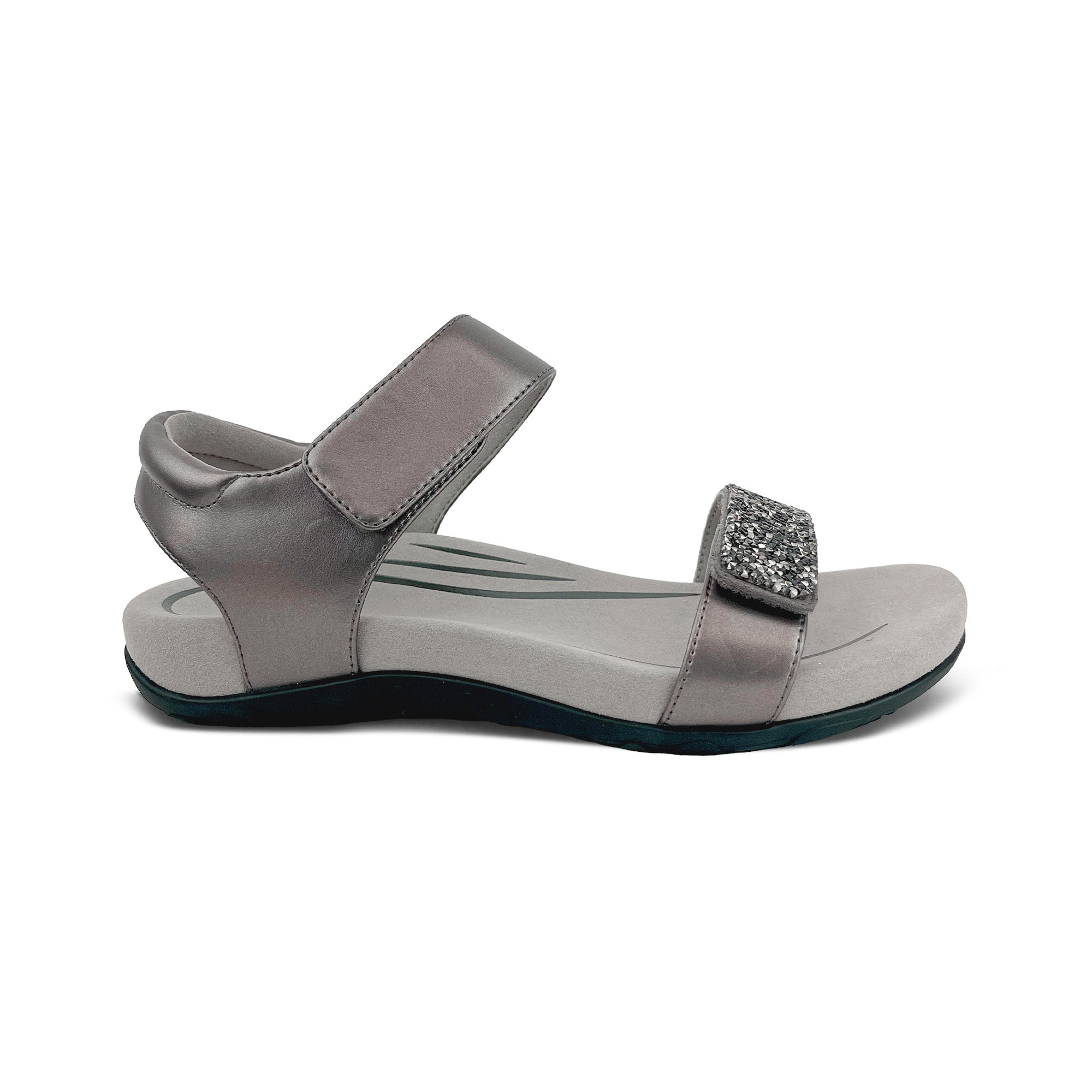
That gives the dressier part of the range a useful place in the same decision process: appearance can lead, but the closure and footbed still deserve a check.
What does the live product page show?
Product pages change, and footwear is especially sensitive to size availability and seasonal colour. Before you order, open the exact Jillian page, Bondi page, Susie page or Collette page you are considering. Then check:
- Size and availability: confirm the size range and the colour shown on the exact listing.
- Materials: read the upper, midsole, outsole and lining details, especially if you need leather, lightweight foam or a particular care routine.
- Adjustability: identify whether the shoe uses hook-and-loop, laces, stretch or a fixed opening.
- Price and delivery: use the live store page for current cost, shipping details and any applicable conditions.
- Returns: read the current returns and exchanges policy before checking out, because fit is personal.
The store also presents foot scanning and fit technology as part of the wider Aetrex approach. That is useful context, but it is not a substitute for checking the shape against your own foot or asking a qualified professional about persistent pain. We would treat the scan-led design story as a reason to investigate the construction details, not as a promise that one style will work for every person.
Who benefits from this Aetrex buying route?
Aetrex is a natural choice for readers who want support features built into a finished shoe rather than starting with a separate insert and trying to make it work inside every pair. The range also makes sense for someone moving between settings, because sandals, clogs, loafers and more occasion-led shoes appear in one store.
It is less suited to someone who wants an ultra-minimal shoe, a particular specialist performance category or a guaranteed solution to a foot condition. The brand describes products as helping with common foot discomfort, but we should not turn those store statements into medical promises. A good buying decision still depends on fit, wear pattern, comfort and any advice you have already received.
- Best for: everyday shoppers comparing support, cushioning and style in one footwear range.
- Best for: people who value adjustable straps, closures or a structured upper.
- Think twice if: you need a very specific clinical device or a technical shoe for a narrowly defined sport.
- Always check: the live product details, current price, size availability and returns terms.
Ready to compare the Aetrex styles and choose your everyday pair?
Aetrex makes the support conversation practical. Jillian, Bondi, Susie and Collette show four different routes through the same decision: start with the day ahead, compare the construction, then choose the silhouette that you will genuinely wear.
The honest limitation is that scan-informed design and built-in cushioning cannot remove the need for personal fit checking. We would use the Aetrex store to confirm current product information, then choose the page that matches your use case rather than the most persuasive-looking style.