







When a lighting project starts with one vague question – “what do I actually need?” – a specialist catalogue can be more useful than a general homewares shop. BLT Direct is built for that moment, with products ranging from familiar replacement bulbs to the drivers, profiles and controls that sit behind a more considered scheme.
That breadth is the reason a first visit can feel slightly technical. We have looked at the store’s range to explain what BLT Direct does, which product families matter, and how to narrow the choice without pretending every light is interchangeable.
It is a UK lighting retailer with products from names including Robus, Ener-J, Soraa and All LED. The useful difference is the level of information on many product pages: wattage, colour temperature, beam angle, lumens, dimensions, voltage and IP rating are often set out together.
Disclosure: this post includes affiliate links, and we may be paid a commission on purchases made through them.
The short version: BLT Direct is worth knowing if your lighting question goes beyond picking a bulb by shape. Its catalogue covers decorative, practical and project components, with enough specification detail to compare like with like. The trade-off is that you need to know your fitting, voltage and intended location before adding a technical product to your basket.
What does BLT Direct actually sell?
The simplest way to understand BLT Direct is as a lighting parts cupboard that also happens to include finished fittings. The store groups products by use and technology, so someone replacing a single lamp can shop alongside a customer planning a run of LED strip or a commercial-style panel installation.
- Bulbs and lamps: LED, halogen and specialist formats, including reflector lamps and familiar base types.
- Fittings: panels, downlights and other fixtures for rooms, workplaces and practical areas.
- LED systems: strip lighting, profiles, connectors, tails and drivers that need to work together.
- Controls and outdoor lighting: smart accessories, festoon-style options and weather-rated string-light kits.
That range is also why a product name matters. A GU10 downlight, a G53 reflector lamp and a 24V strip driver are not substitutes, even if they appear beside one another in a broad lighting search. The store’s technical filters and specification panels are there to reduce that mismatch.
It is worth browsing by component when the project is still taking shape. A Robus Sun circular LED panel gives a different profile from the Evofire Mini. For a small directional source, the Soraa AR111 sits in a different part of the decision. The point is not that one is better, but that the specification follows the job.
Which products show the breadth of the range?
A useful starting sample is the Robus ATMOS 38W LED Panel. The listed specification describes a white, non-dimmable panel with 3000K warm white light, a 110-degree beam angle and an IP20 rating. That points towards a tidy indoor panel installation rather than a damp location or a fitting where dimming is essential.
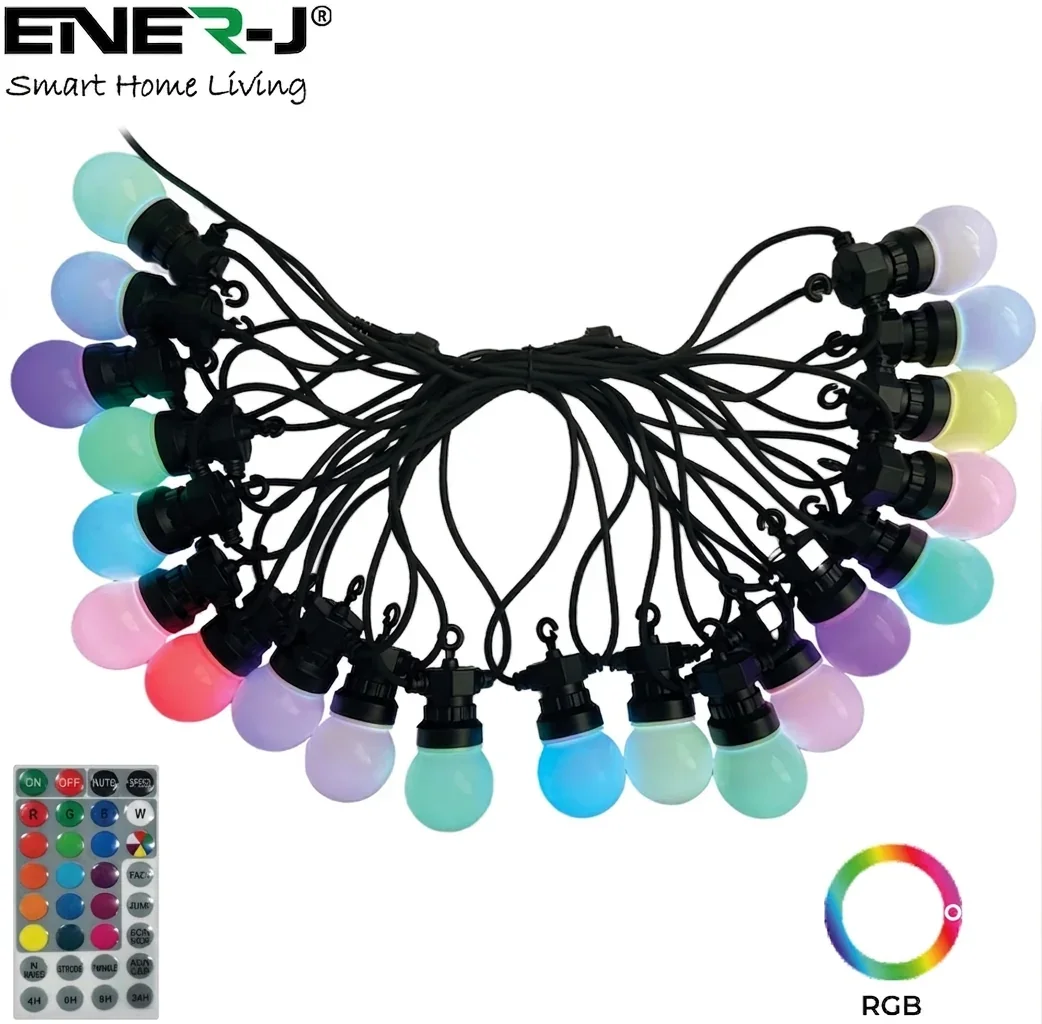
For a more decorative outdoor direction, the Ener-J 20 Pack LED IP65 13M RGB Dimmable String Light Kit brings a different brief. Its IP65 rating, colour-changing format and remote control make it about atmosphere and flexibility, while the length and included bulbs are the details to check against a balcony, patio or garden layout.
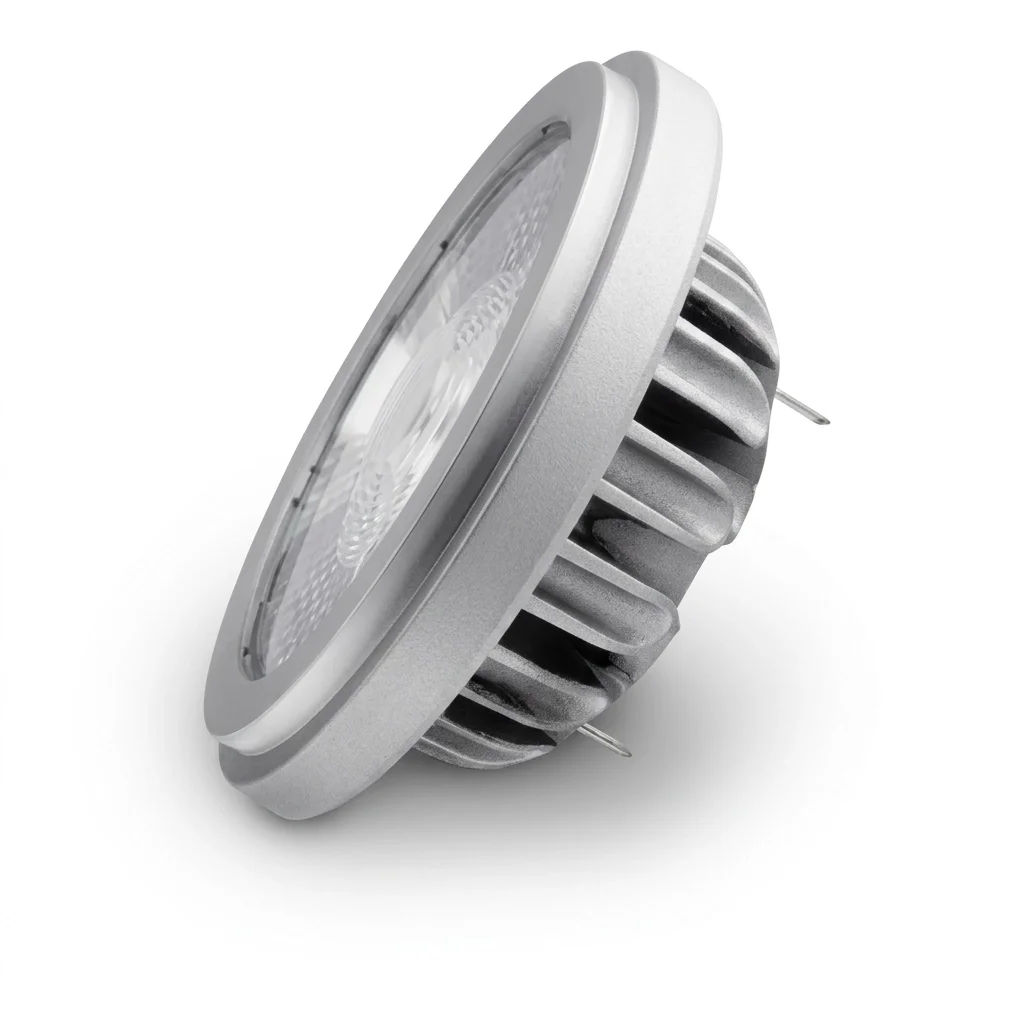
At the more focused end is the Soraa AR111 12.5W LED G53 Bulb. The store lists a 2700K colour temperature and 25-degree beam, which is helpful context: this is the sort of lamp to consider when a display, feature or directional pool of light matters. It is not the obvious choice for a broad, soft ceiling wash.
Why do the technical details matter?
Lighting purchases tend to go wrong in small, unglamorous ways. The lamp fits the socket but not the dimmer. The strip is the right colour but the driver is wrong. The outdoor product looks suitable but lacks the protection its location needs. Specification is the practical story, not a distraction from it.
- Confirm the base, voltage and physical dimensions before comparing brightness.
- Match the colour temperature and beam angle to the mood or task you want.
- Use the IP rating as a location check, especially around bathrooms, kitchens and outdoors.
- For strip systems, check the driver, profile, connectors and control method as one system.
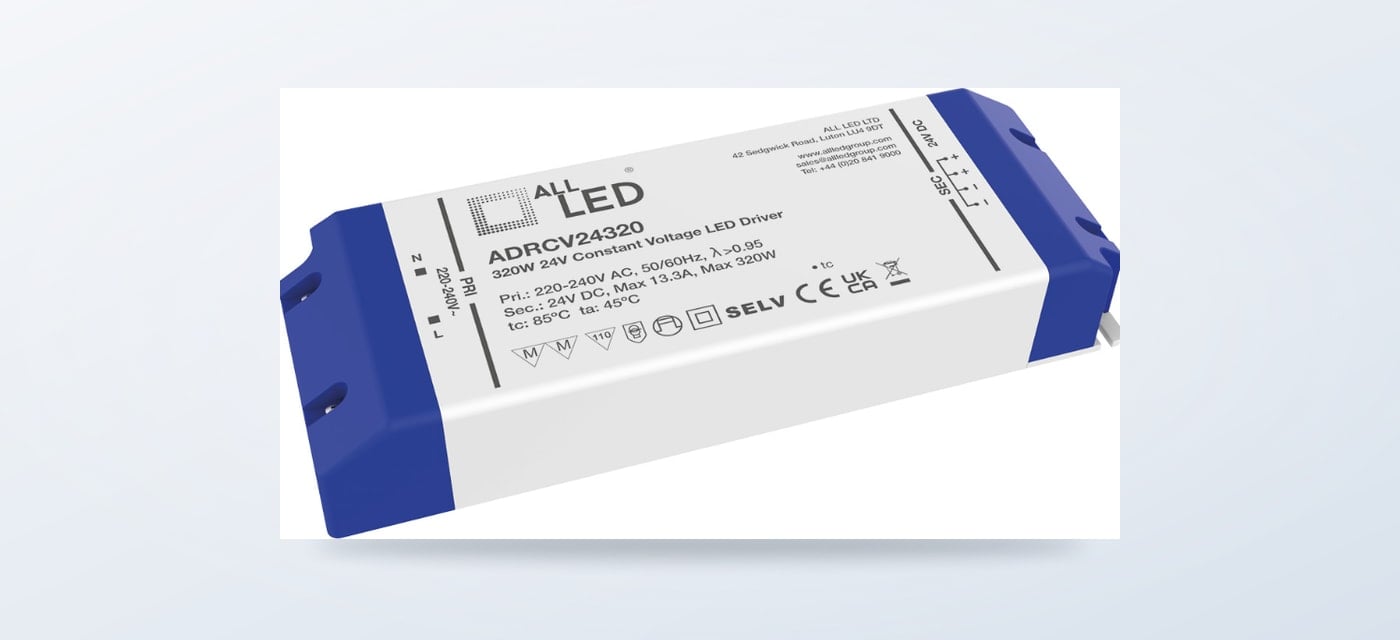
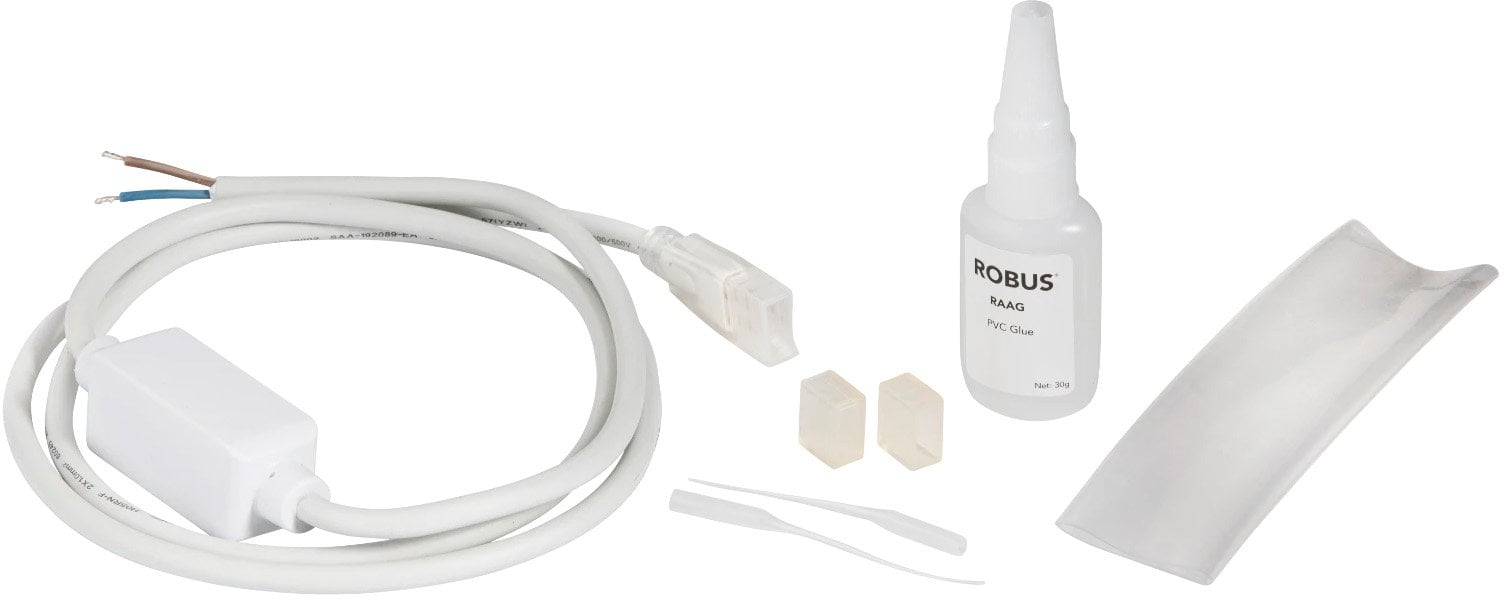
For example, the ALL LED Drive24 320W 24V IP20 DC Constant Voltage LED Driver is a component for a 24V constant-voltage setup. It belongs in a planned installation, where the strip’s voltage and total load have already been established, rather than a casual replacement basket.
The same thinking applies to smart lighting. The Robus Switch Connect BLE Gateway is not a lamp at all. It is an accessory for Robus smart-lighting technology, so compatibility and the rest of the control setup matter more than appearance.
Where does BLT Direct feel most useful?
We think the store makes most sense in three situations. First, when a replacement is slightly unusual and a base, beam or voltage search is more reliable than browsing by room. Second, when a project needs several linked components. Third, when you want to compare a recognised lighting brand’s specification with alternatives before committing.
- For a straightforward replacement: start with the existing fitting, not a visual style.
- For a room scheme: decide whether the priority is ambient, task, accent or decorative light.
- For strip lighting: map the run, voltage, driver, profile and controls together.
- For outside: check IP protection, cable routing and where the control sits.
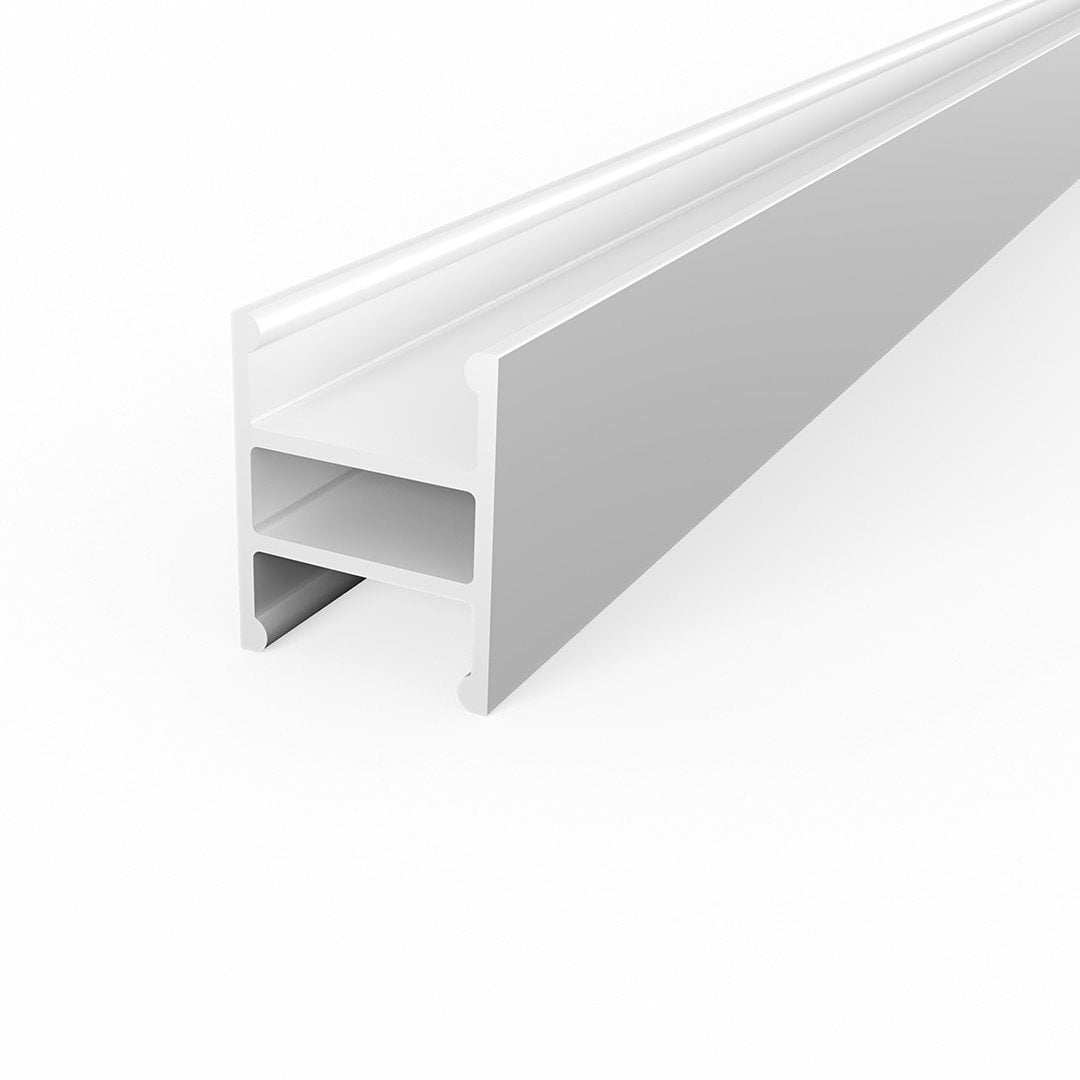
There is a practical design layer too. A Robus Atlantic AC Strip Cut Pack belongs to the sort of project where the strip itself is only one decision. A profile can soften the visible dots and protect the installation. A Tech-Light surface white LED profile shows how the catalogue extends into those finishing details.
If the finished effect is the priority, compare the visible options first. The Ener-J string-light kit is about colour and repetition, while the Robus ATMOS panel is about even illumination. That distinction helps keep a decorative search from drifting into a commercial fitting, or vice versa.
How should a first-time shopper begin?
Start with the job, then use the catalogue to solve it. Search for the fitting or component you already have, note the details on the product page, and only then compare style, output and brand. This sounds less glamorous than choosing a warm glow from a photograph, but it prevents the most expensive kind of lighting mistake: buying a product that cannot be installed.
- Take a photo of the existing fitting and write down its base or connection.
- Measure the available space and note whether the location is indoor, damp or exposed.
- Choose the light quality: warm white, cool white, colour-changing or directional.
- Open the full product page and check the voltage, rating, dimensions and compatibility notes.
- Keep the current price page open because cost changes with size, wattage, pack contents and brand.
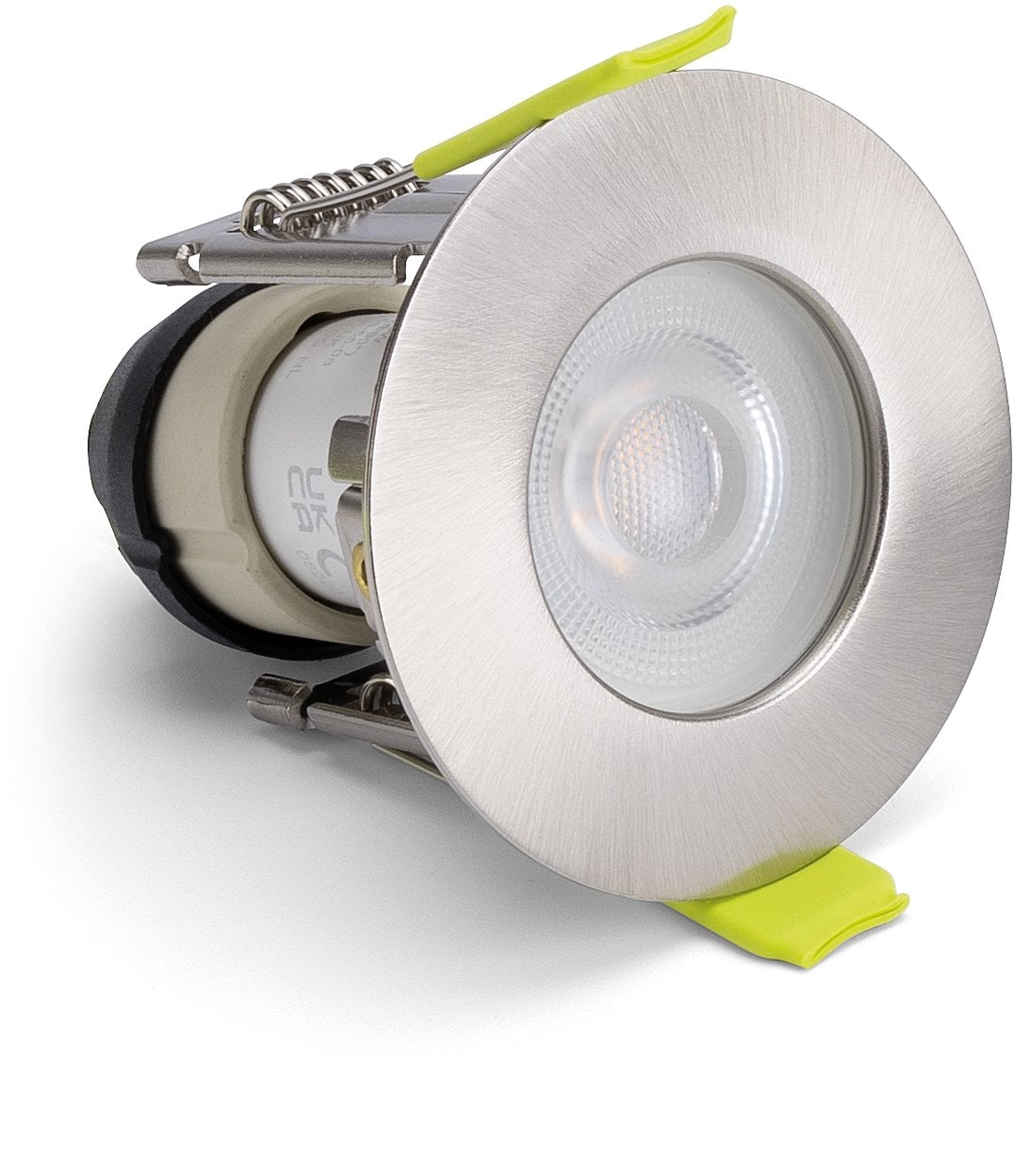
For a recessed fitting, the Evofire Mini Fire Rated Downlight illustrates the sort of concrete information to check. The listing references an IP65 rating, a 43mm cutout and a satin nickel finish with a GU10 holder. Those details tell you far more about suitability than the word “downlight” alone.
Before checkout, it is also sensible to read the delivery and returns information and use the store’s technical advice route if a system is unclear. BLT Direct is strongest when you treat it as a specialist reference: the product page gives you the vocabulary to make a better decision, but it cannot measure your room or confirm an existing installation.
Keep the useful product pages open while you decide: the Drive24 driver for a strip plan, the Robus gateway for smart control, and the Atlantic strip for a linear-light idea. A final check of the Tech-Light profile options can reveal the finishing parts a first search missed.
Ready to choose a lighting starting point?
Our recommendation is to begin with one clearly defined job: replace a lamp, light a surface, add a panel, or build an outdoor atmosphere. From there, BLT Direct’s range is unusually useful because it lets you move from the visible product to the hidden parts that make it work. Check the current price on each page, especially where wattage, length, pack size or control hardware changes the total.
The honest limitation is choice. A broad catalogue can make a small decision feel like a technical project, and specialist products still need accurate measurements and compatibility checks. If you are happy to do that small amount of homework, the store gives a first-time shopper a sensible route from lighting idea to workable specification.