







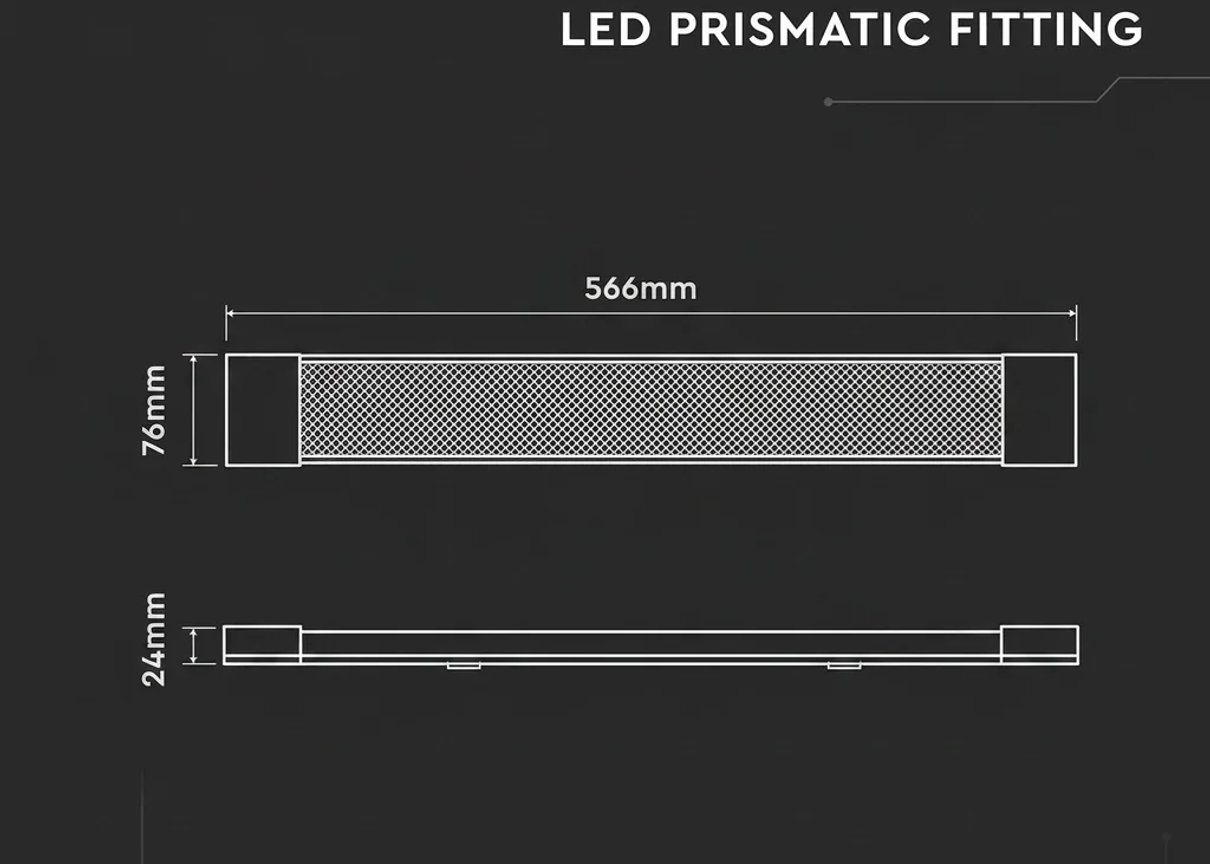
When a lighting project depends on the right fitting, profile and strip working together, a broad catalogue is helpful only if the details are clear. BLT Direct gives buyers plenty to compare, but the real question is how much of that decision work the product pages do for you.
We reviewed the UK store’s product information and range. The strongest case is for shoppers who already know the type of light they need and want a specialist catalogue with technical details; it is less suited to anyone expecting a single recommendation to settle a complex installation.
Disclosure: this post includes affiliate links, and we may be paid a commission on purchases made through them.
The short version: BLT Direct earns a qualified recommendation for project-led lighting searches. The range and specifications make it easier to narrow down options, especially profiles and strip lighting, but buyers must still check dimensions, voltage, compatibility and installation requirements against their own project.
One sensible way to use the store is to work from constraints towards appearance: note the mounting method, dimensions, environment and electrical requirements first, then compare finish and light quality. That order keeps a polished product image from distracting from a basic fit issue. Where several specifications are close, write down the deciding difference rather than relying on memory while navigating the catalogue.
How should shoppers read the catalogue?
BLT Direct describes itself as a one-stop source for light bulbs and other lighting products. The UK catalogue spans lamps, tubes, fittings, LED strip lights, LED profiles, drivers and electrical accessories. That breadth is its clearest practical strength: a homeowner, tradesperson or facilities buyer can research related parts within one specialist store instead of starting from a general homewares catalogue.
Its navigation is organised around product families and usefully specific filters. The batten collection, for example, offers attributes such as length, wattage, light colour and fitting type. Elsewhere, the store groups profile formats including plaster-in, corner, waterproof and two-metre kits. This structure rewards shoppers who can translate a room or project into technical requirements.
The flip side is that breadth creates work. A large selection does not itself tell a buyer whether a fitting will suit a particular ceiling, whether a driver is compatible with a chosen strip, or whether a product is appropriate for a damp or exposed area. That remains a specification-reading task, and sometimes a conversation with a qualified installer. Browsing the lighting catalogue is most productive once you have that brief.
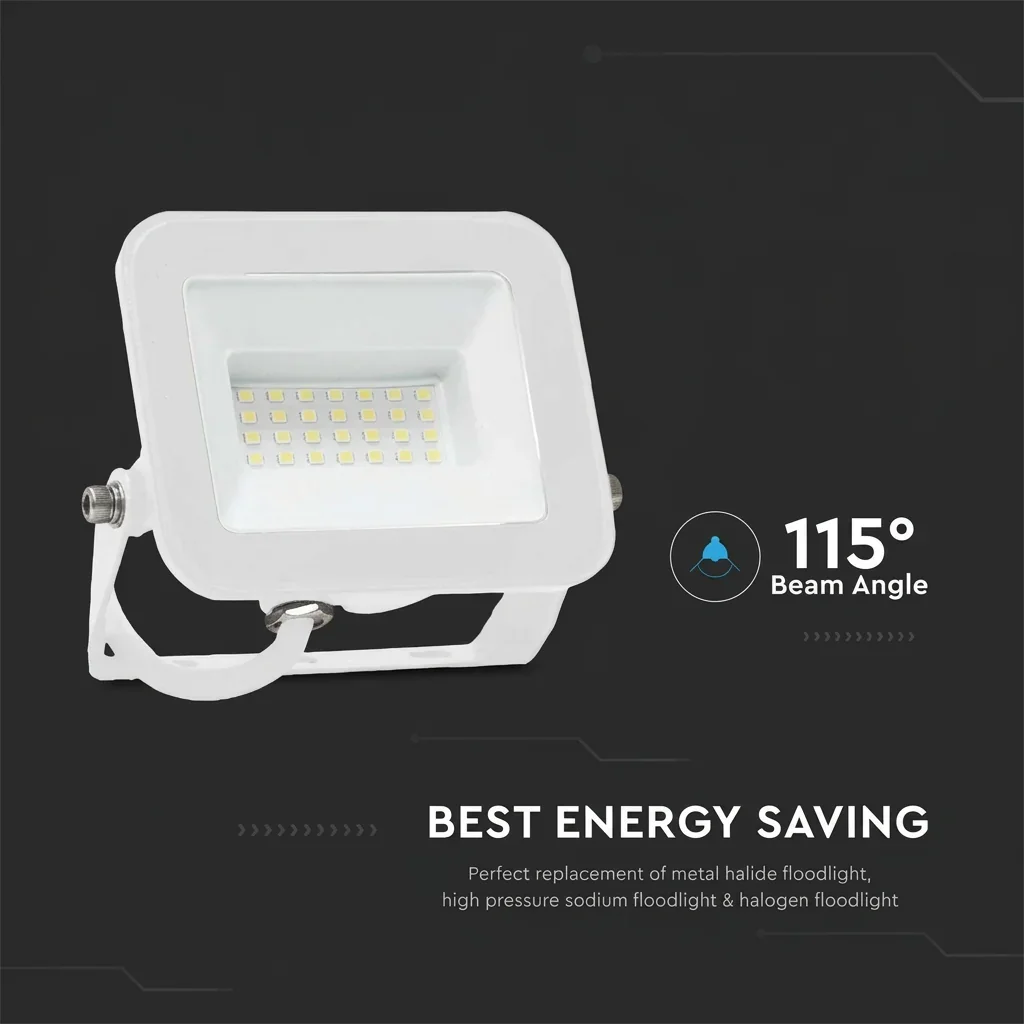
For us, the store’s value is strongest as a research and sourcing tool, rather than as a design service. Its product pages surface dimensions and technical attributes, while the shopper remains responsible for connecting those details to the installation. Check delivery, returns and availability information on the live UK site as part of that final decision. Browse the lighting product range once those checks are clear. Use the UK store listing for the current details.
What do three listings reveal about the range?
The V-Tac Plaster In Silver LED Profile Kit 23173 is a concrete example of a project-specific listing. The page identifies it as a two-metre plaster-in profile kit and says it includes an opal cover and end caps. That gives a buyer a defined starting point for a recessed detail. The profile range lets you check other formats too. Follow the product name to check the 23173 product details, especially the profile dimensions and whether the planned opening and strip are compatible.
For a visible surface installation, the 2m x 25mm Tech-Light Surface Gold LED Profile Kit P6-1 takes a different approach. The listing names a gold finish, surface format, two-metre length and included opal cover and end caps. Those details help distinguish it from a plaster-in channel, though the finish should be considered alongside the room and surrounding trim. See more surface profile options on the store. The P6-1 product page is the right place to confirm exact measurements and components.
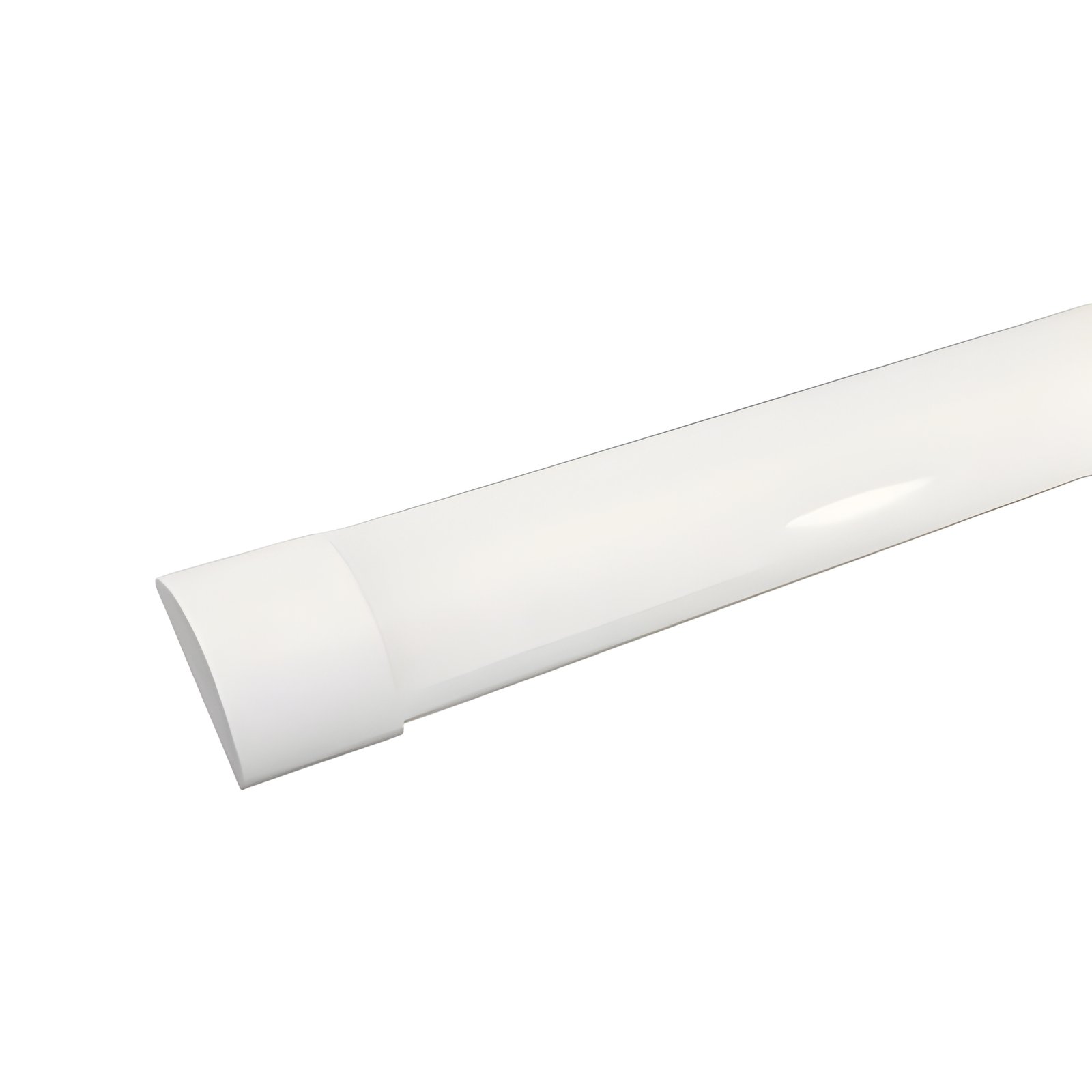
The COB Spotless LED Strip shows how specific strip listings can be. The product name identifies a 24V strip, an IP20 rating and a warm colour temperature. Its 24V and IP20 specifications are meaningful decision cues, but not enough in isolation: browse the LED strip selection with the power supply in mind. buyers should confirm the required power supply, total strip length, dimming approach and the profile or mounting method. See the COB Spotless strip specifications before deciding whether it fits the plan.
Together, these examples show the value of the store’s breadth. A recessed profile, a surface profile and a low-voltage strip do different jobs. The catalogue makes those options visible, but it does not make them interchangeable. Compare the profile choices on BLT Direct against the job before you settle on one. An appealing product title is a starting point, not a compatibility guarantee. Use BLT Direct’s product information to check the combination.
- For a recessed line: compare plaster-in profile dimensions with the intended cut-out.
- For a visible channel: consider the surface profile finish and how it will sit in the room.
- For LED strip: check voltage, wattage, length, driver and dimming compatibility together.
Where does the catalogue leave work for the buyer?
The same detail that makes BLT Direct useful can feel demanding if you are starting from a vague brief. Terms such as IP rating, colour temperature, constant voltage and profile dimensions describe real differences, but a shopper needs to know which differences matter in their room. A listing can state a specification without deciding whether it meets a project’s requirements.
Compatibility deserves particular attention across multi-part lighting. A strip, driver and dimmer may each look suitable on their own while failing as a combination. Before ordering, check the required supply voltage and wattage, whether the power supply has adequate capacity, and whether controls match the strip type. If the installation involves mains wiring or a regulated environment, use an appropriately qualified professional.
There is also a trade-off between range and confidence. Filters help narrow a large selection, yet product pages cannot substitute for a site survey or a clear lighting plan. Measure twice, note the intended environment, and keep a list of required accessories. Review the current BLT Direct options against it. Where a specification is unclear, contact the retailer or manufacturer before relying on an assumption.
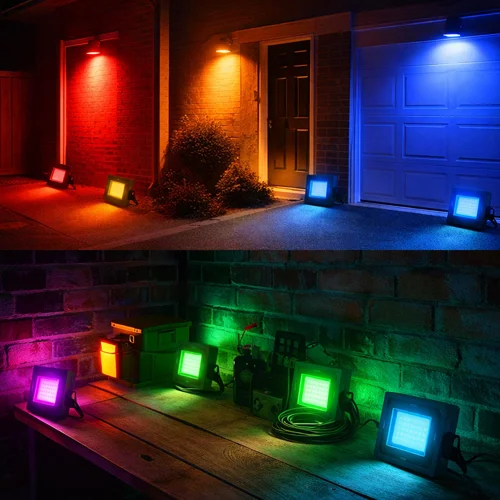
We would also avoid treating a product photograph as a full technical reference. Images can help distinguish a form factor or finish, but exact dimensions, included parts and installation notes should come from the written listing and accompanying documentation. Availability can change, so confirm current stock and delivery details on the store page when planning a project. Check the live store pages before you finalise your schedule.
- Measure the installation area and compare it with the full product dimensions.
- Confirm environmental rating for the actual location, including exposure to moisture or dust.
- Match strip, driver and control gear using their written specifications.
- Check what is included, then identify any connectors, end caps or mounting pieces still needed.
A considered shortlist also makes customer support more useful. Share the product name, measurements and intended use when asking a question; a specific query is easier to answer than a broad request for the right light. Keep the product page and its documentation available until the parts arrive so the ordered specification can be checked against the plan.
Which buyers benefit most from this selection?
BLT Direct suits informed project shoppers: people replacing a known bulb type, sourcing a particular fitting, or comparing technical options for an installation. Trade buyers and confident DIY planners may appreciate the range and filtering because they can arrive with measurements, constraints and a shortlist.
It can also help a homeowner who is willing to research carefully. The product pages make it possible to compare named options such as the V-Tac profile kit, Tech-Light surface kit and COB strip rather than browse only by style. But someone choosing lighting for a room without knowing lumen needs, colour preference, fitting constraints or electrical requirements may want help from a lighting professional before purchasing.
That is the key qualification in our recommendation: good catalogue, buyer-led decision. The store is stronger at offering options and product data than at prescribing a finished scheme. If you know what you are trying to achieve, its range is a meaningful advantage. If you do not, start by defining the job and getting measurements before opening a long list of products. The BLT Direct range is easier to navigate with a shortlist in hand.
Ready to compare lighting for your project?
We recommend BLT Direct for UK buyers who value a specialist catalogue and are prepared to verify the technical details. Its profile and strip-lighting selection gives specific projects a useful starting point, and the visible product attributes make a more considered shortlist possible.
The limitation is equally clear: product information cannot confirm your site conditions or guarantee that separate components work together. Take measurements, confirm the full specification and ask for qualified help where the installation calls for it. Then check current product details on the UK store before placing an order, including the latest product information.