







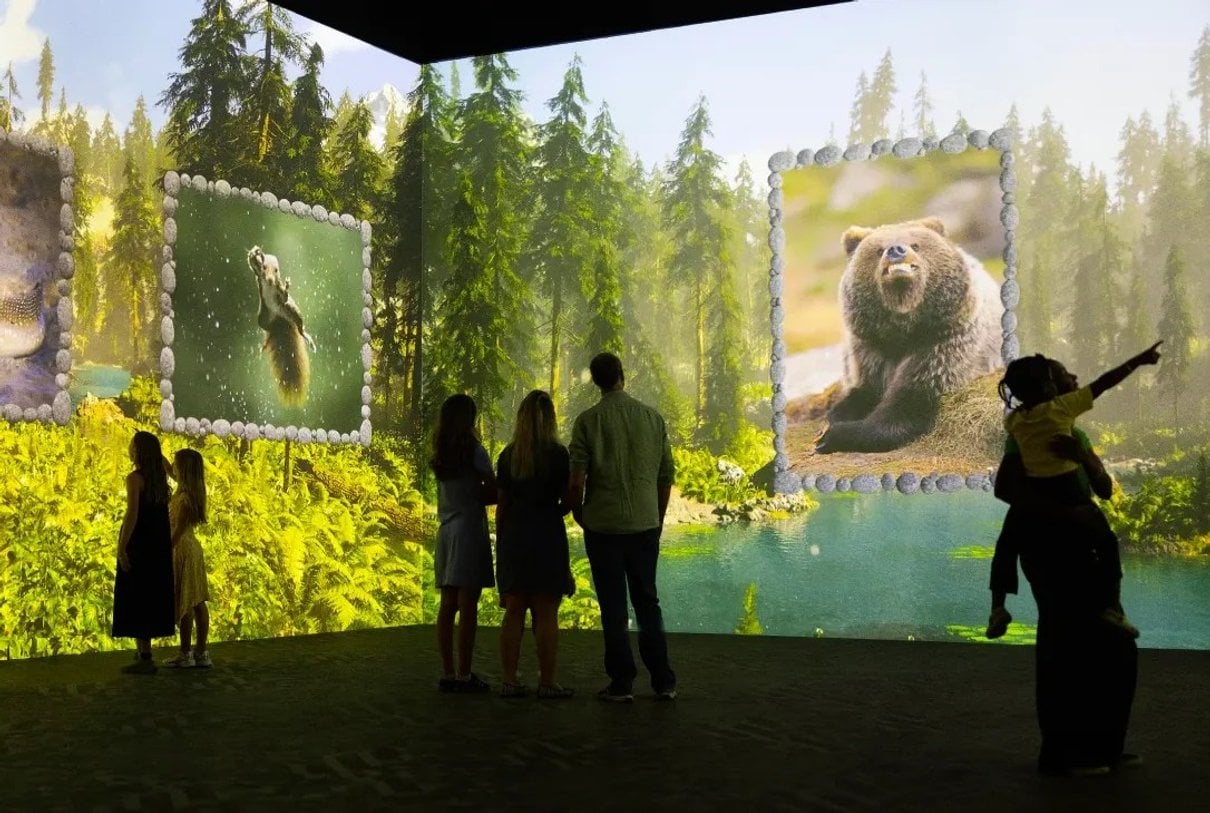

When an art exhibition turns paintings into a room-sized moving image, the obvious question is whether the scale adds meaning or just spectacle. Frameless makes that question the centre of its London visit.
We reviewed the venue’s published information and current experience pages to understand what a ticket includes, how the galleries differ and where the format may not suit every visitor. The answer depends less on how many famous works you recognise than on whether you enjoy looking at art in motion.
Frameless is a projection-led attraction near Marble Arch, presenting works across four themed galleries. Its main strength is variety within one visit; its main limitation is that sound, movement and changing light are part of the interpretation, so it is not a quiet substitute for a conventional gallery.
Disclosure: this post includes affiliate links, and we may be paid a commission on purchases made through them.
The short version: Frameless is a considered choice for visitors who want familiar and lesser-known art recast as a shared, sensory experience. Standard admission covers the four main galleries, while evening events and repeat-access options serve narrower plans. Check the current session details and accessibility information before choosing.
What does the four-gallery format actually offer?
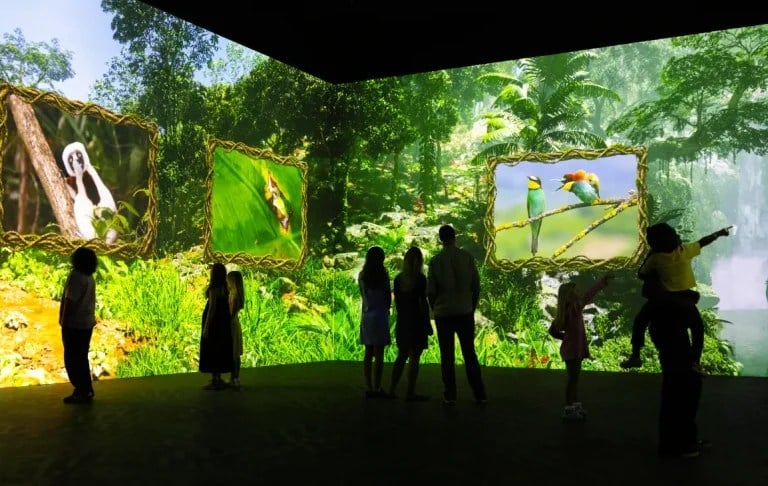
The core ticket is built around four environments rather than a linear exhibition of framed works. Frameless describes large-scale digital projections, animation and original soundtracks, with each gallery organised around a different way of experiencing art. That makes the visit more atmospheric than label-led: the setting and sequence do much of the storytelling.
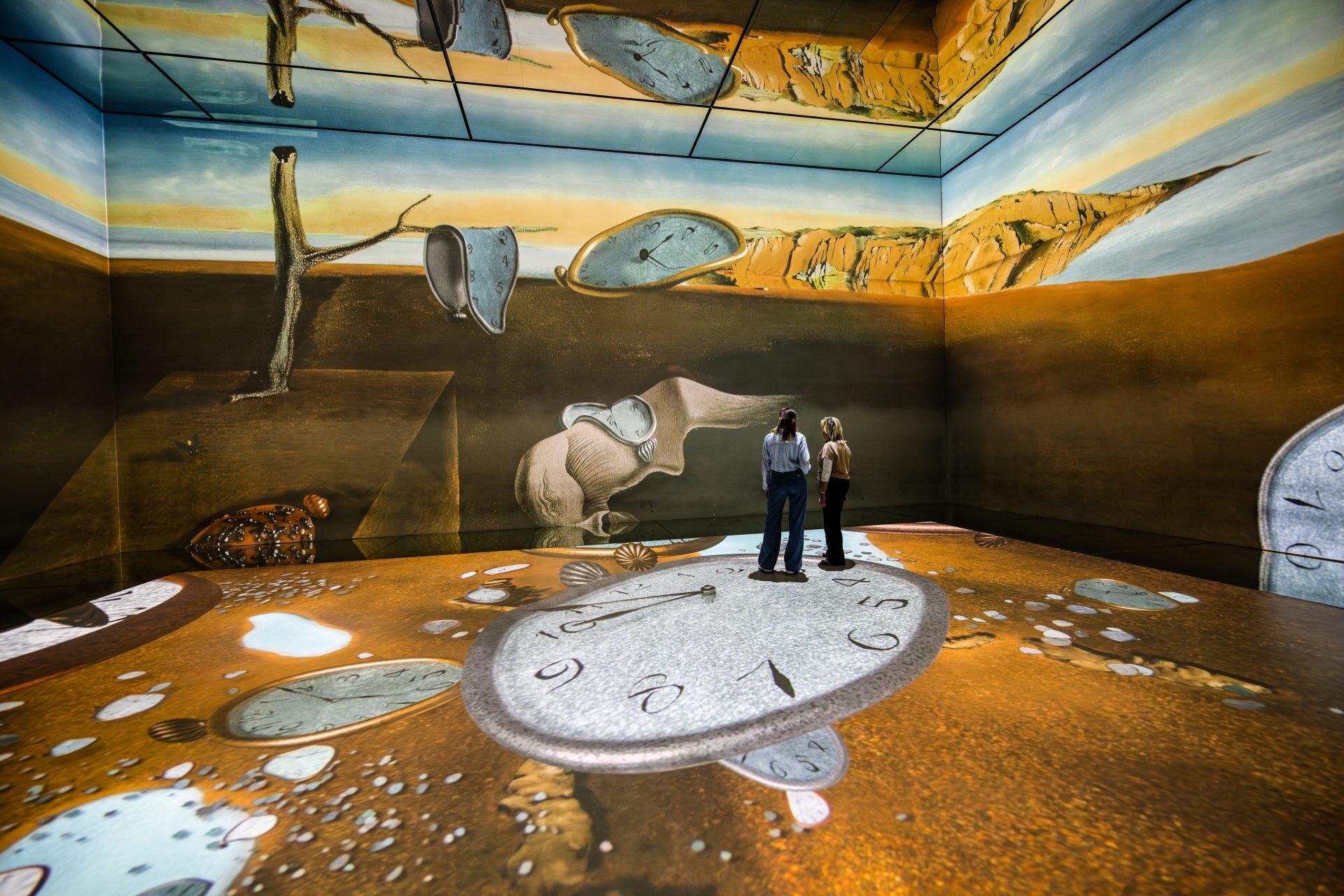
Its Beyond Reality gallery leans into surreal and dreamlike imagery. Visitors who enjoy visual puzzles may find this the most immediately absorbing room, because the work is designed to reward looking around rather than standing in front of one fixed canvas. The venue’s Beyond Reality experience page gives a useful sense of that direction before booking.
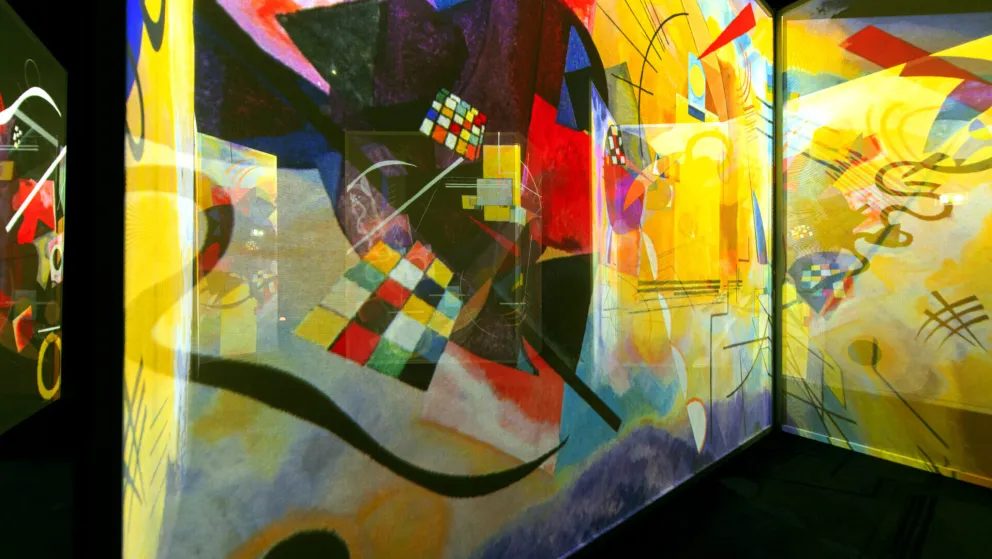
Colour in Motion offers a different register, using colour and movement as the organising idea. It may be the strongest fit for visitors who want a more immediate visual experience and are less concerned with following a narrative. The Colour in Motion gallery and the broader Frameless experience overview help distinguish this from the more surreal rooms.
The remaining galleries broaden the mix through abstraction and imagery inspired by the natural world. The result is not four versions of the same projection trick. There is a shift in mood and visual language, which gives a first visit a credible sense of progression even if you do not recognise every artist.
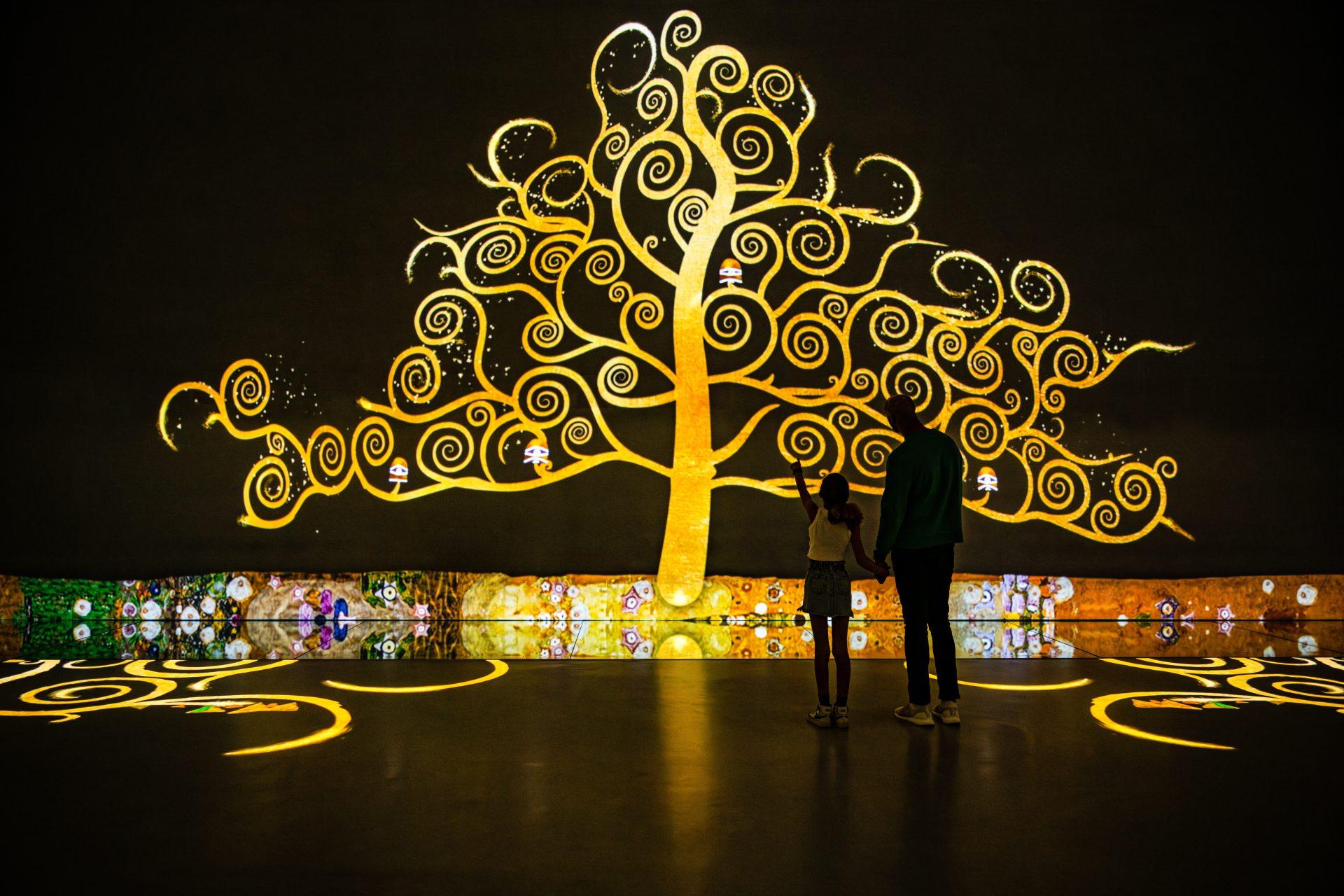
That breadth is a genuine strength, especially for a mixed group: one person can respond to the paintings, another to the scale or soundtrack. Still, the venue does not publish the visit as a scholarly survey with extensive object-by-object interpretation. If close reading, quiet and original canvases are your priorities, a traditional museum may be more satisfying.
Does Frameless make the art more accessible?
The presentation lowers the barrier to entry. Large images, clear visual changes and music can make the work inviting to visitors who might find a conventional gallery daunting. It also gives people space to move through an image rather than approach it as a single object behind a rope.
There is a trade-off: immersive presentation can shift attention from the artist’s original choices to the venue’s digital treatment. Cropping, scale, motion and sound shape what you notice. We would treat Frameless as an interpretation of art, not a replacement for seeing the original works in a museum or reading more about their context.
The current programme also includes Blank Canvas residencies within standard admission, according to the ticket information. That adds a contemporary element alongside the established works. Because residencies and content can change, look at the current standard admission details and the venue’s gallery descriptions before making a specific artwork the reason for your visit.
- Best for: visitors drawn to visual atmosphere, movement and a shared outing.
- Less suited to: anyone seeking a silent, label-rich or conservation-focused gallery visit.
- Useful expectation: the digital presentation is part of the work as experienced here.
Practical planning matters too. A timed session means you should choose a slot that works for your day and check the latest entry guidance. The site provides visitor information covering location, opening times and access; those details are more useful than relying on an old social post or a third-party listing. Start with the official ticket page, then review the experience information for the mix of galleries.
Which booking format fits the way you will visit?
Standard admission is the clearest starting point for a first visit. It is the option that gives access to the four main galleries and current Blank Canvas residencies. Session availability and the current booking terms can change, so confirm those on the official Frameless tickets page before you settle plans with friends.
FRAMELESS Lates is described as an adults-only evening format. The atmosphere and timing are the point: it may work for a date night or a later London plan, but it is not automatically a better-value version of a daytime visit. Check the event schedule and inclusions on the FRAMELESS Lates page to see whether a specific session suits you.

Annual membership is aimed at repeat access, so its logic depends on living nearby or expecting to return. One visit alone is not enough to make membership the obvious choice; compare current membership conditions with the dates and benefits you would realistically use. The official membership page is the place to verify the current terms.
Gift cards remove the need to choose a visit date as part of the present. They are a flexible option when the recipient likes art experiences but their diary is uncertain. Before gifting, check expiry, redemption and any booking requirements directly on the Frameless gift card page.
- Choose standard admission for a first visit focused on all four galleries.
- Choose Lates when an adults-only evening setting is the reason to go.
- Consider membership only if repeat visits are realistic.
- Use a gift card when date flexibility matters more than choosing a session now.
What are the strongest points and the limits?
The strongest case for Frameless is its coherent format. Four different gallery ideas create variety, and projection, animation and original music make art feel like an event that a group can experience together. For a London visitor looking for a visually led indoor activity, that combination is more distinctive than a standard exhibition hang.
Another plus is the range of entry points. The galleries are not dependent on one artist or one temporary show, while current residencies and separate evening programming can make repeat visits feel different. The official gallery overview and admission information are the best way to check what is included in the date you are considering.
The limits are just as clear. Immersive rooms can be busy, sensory and less suited to slow contemplation. Projection also changes the original work, which is precisely the attraction for some people and the compromise for others. We would not recommend booking solely because a famous painting appears in the marketing: the experience is about the whole environment, not a promise of seeing an artwork in its original form.
There is also a practical limit to any review based on published material: programming, access arrangements and ticket conditions may change. The venue’s own pages should take priority when you are choosing a session, especially if your plans depend on a particular residency or evening event. Check its Lates listing, membership terms or gift card conditions as relevant.
Ready to plan a Frameless visit?
Our recommendation is to consider Frameless if you want an art-led London outing with scale, sound and movement, and you are comfortable with interpretation taking centre stage. The four-gallery structure gives the visit a stronger basis than a single projection room, while standard admission keeps the decision straightforward for a first visit.
Choose another kind of gallery if your priority is quiet attention to original objects or detailed historical context. If the immersive format appeals, check the current session, access information and any changing programme on the official site before booking. Its main strength is also the key expectation to hold: this is art experienced as a designed environment.