








When London plans already include museums and galleries, does Frameless offer a meaningfully different art visit?
Frameless presents art through large-scale digital projection across four galleries. The venue says the experience brings 42 masterpieces to life, which makes this a format-led attraction rather than a conventional walk past framed works.
We reviewed the official venue information and its listed experiences, not a personal visit. The case for going depends on whether immersive presentation is part of the appeal, and on whether the current programme fits your date.
Disclosure: this post includes affiliate links, and we may be paid a commission on purchases made through them.
The short version: Frameless is a considered choice for visitors who want art on a room scale, a choice of gallery moods and optional evening programming. The format trades quiet, object-led looking for a more enveloping presentation, so check the current programme and access details before committing.
What does the gallery format give visitors?
The clearest strength is variety within one visit. The four-gallery structure lets visitors move between different visual approaches instead of asking one projection style to carry the whole experience. The venue lists works spanning major artists and art movements, while the scale of the images makes composition and colour the immediate focus. The official gallery admission listing is the practical starting point for that format.
That is a different kind of attention from reading wall labels or studying an original canvas. Projection can make a work feel vivid and accessible to people who do not usually choose a gallery, and the room itself becomes part of the interpretation. Frameless describes its galleries as immersive; that is a fair summary of the proposition, although it does not mean every visitor will find the format equally absorbing. The four-gallery visit is best assessed on those terms.
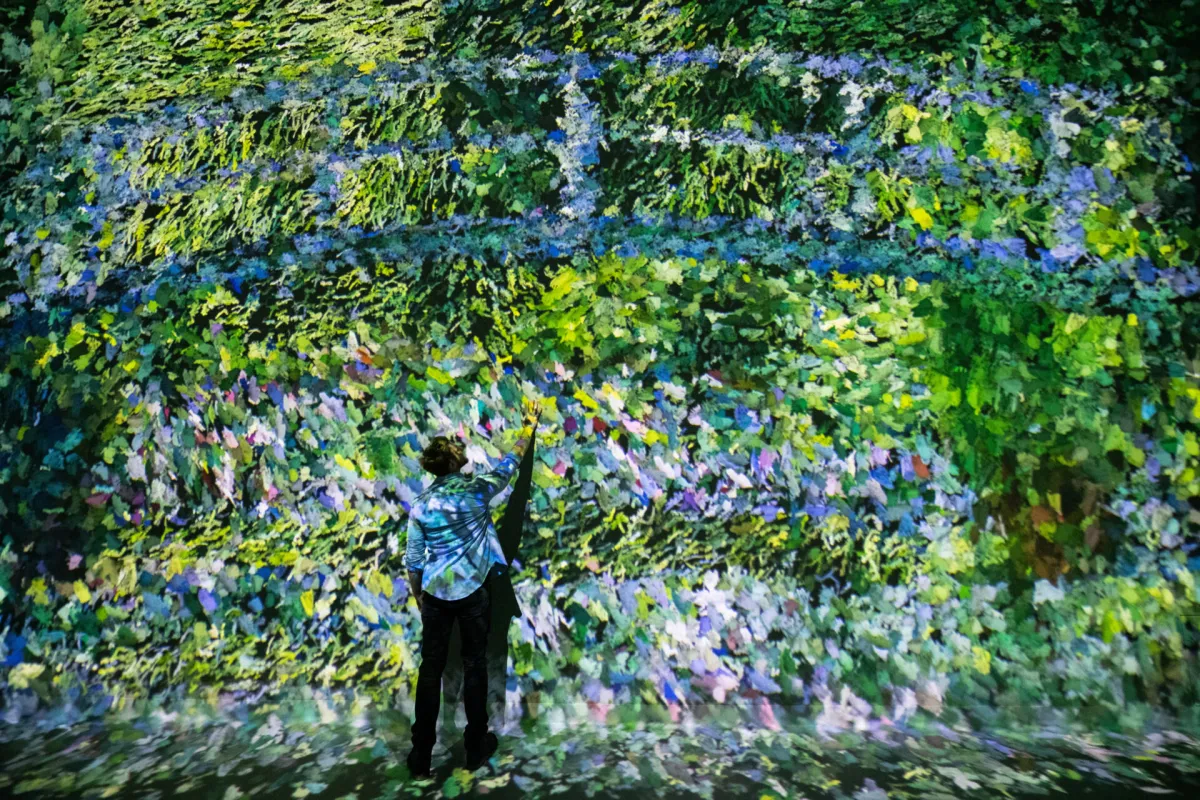
The Standard admission listing is the straightforward route into this central offer. Before choosing, read the official Standard admission page for the current entry arrangements and date availability. Its value is strongest if you want time to move between the galleries at your own pace; it is less compelling if you mainly want original works, extensive object labels or a tightly guided art-history explanation. The current entry information should answer the practical basics.
We would also treat the venue’s headline count as a scope statement rather than a promise that every work will hold equal attention. A visit’s rhythm depends on how long you spend in each room and which visual styles suit you. Check the admission details against your group’s access needs and preferred pace, particularly if anyone benefits from planning breaks or quieter periods. A little pre-planning can protect the unhurried gallery rhythm that makes this format work.
Which parts make the strongest case?
The practical strength is that the format has more than one reason to engage. A visitor can come for a favourite artist, respond to the moving image and sound, or treat it as a shared social outing. The strongest fit is someone who enjoys looking around and discussing impressions, rather than someone expecting a lecture or a collection display.
- A clear format: four rooms create natural variety and make the experience easy to understand before booking.
- A broad entry point: familiar masterpieces can give less frequent gallery-goers a starting point.
- Optional atmosphere: the evening programme changes the social setting without replacing the core art-led visit.
- A changing layer: limited-run residencies can give returning visitors a reason to check the programme again.
That final point is visible in the listed Comedy Wildlife Awards residency, presented as a limited-run addition and included with admission. It offers a lighter subject than canonical art, which may broaden the appeal for mixed-age groups or visitors who want a playful counterpoint. The official Comedy Wildlife Awards residency page is the place to confirm whether it remains part of the programme on your date; rotating content is a benefit only when it is actually available. Check the current residency listing before making it the centrepiece.

For readers deciding whether the overall experience suits them, it helps to separate the core visit from add-ons. You are primarily choosing a room-scale art presentation. A residency adds topical variety, while a themed evening adds a different mood. Neither should be treated as essential to the standard offer unless the listing for your chosen date says so. The core admission page keeps that distinction clear.
Does FRAMELESS Lates change the experience enough?
FRAMELESS Lates is the more distinctive option for adults planning an evening out. Frameless describes it as an 18+ after-hours setting with a curated Soho Radio soundtrack and access to its café bar. That combination moves the visit closer to a cultural night out: the artwork remains central, but music and drinks are part of the stated atmosphere. The official Lates format is a useful option to compare.
It will suit visitors who like galleries with a social energy, couples looking for an indoor evening plan, and groups who want conversation around the art. It is a less natural fit for anyone who wants a calm, low-stimulation visit or is planning with children. The 18+ rule matters, and the bar context should not be mistaken for a guided programme or a guarantee that a particular residency is running. Check the age and evening notes for the chosen session.

Read the current FRAMELESS Lates page closely for the evening format and the session that matches your plans. We would compare that listing with Standard admission on the official site rather than assume the extra atmosphere automatically makes Lates the better value. The right choice is about timing and mood as much as content. The evening experience details should be read alongside the day option.
One useful distinction: the soundtrack is part of Lates as described by the venue, while the daytime experience should be judged on the galleries themselves. If music is a draw, check what is currently included; if art viewing is your priority, consider whether an after-hours social setting will help or distract. The FRAMELESS Lates details should settle the format questions before you pick a slot.
Where does the experience have limits?
Projection is the attraction’s defining strength, but it also sets the limit. Digital scale and movement can make images approachable, yet they do not offer the material presence of an original painting. Visitors who prefer close looking, quiet rooms and interpretive text may find the presentation less satisfying than a traditional museum, even if they recognise the care behind it. The venue’s description of its galleries helps set expectations.
The format can also be sensory by design. Large images, changing light and sound are part of an immersive environment. That may be energising for some and tiring for others. The venue’s information should be checked for current access guidance, quieter options and practical facilities rather than relying on a general assumption that an attraction is suitable for every sensitivity or mobility need. Review the official visit information before booking.

Programme freshness is another consideration. The Comedy Wildlife listing is an example of content that can change, and older promotional imagery may remain online after a run ends. Look at the live residency information as well as general venue pages if a specific exhibition is your reason for going. We would not plan around a named residency until its dates are confirmed for the visit.
Finally, the venue’s many options can make a simple visit feel more complicated than it is. Start with the central admission format, then add an evening setting only if it changes your plan for the better. You do not need to build the decision around every seasonal programme item. The current admission information is the practical anchor, while the Lates page covers the after-hours alternative.
Who is most likely to enjoy Frameless?
Our recommendation is strongest for visitors who want a visually led London attraction and are open to interpretation through projection, sound and movement. It can work particularly well as a shared outing because people can react to the same rooms in different ways. Those seeking quiet contemplation, original objects or a conventional curatorial narrative should compare it with a more traditional gallery before deciding. Start with the standard gallery option if this is your first visit.
Use this quick decision check:
- If room-scale digital art is the draw, begin with Standard admission and check the live visit details on the official entry page.
- If an adults-only evening and soundtrack are part of the appeal, compare the Lates option and the current evening details for your date.
- If a residency is your main reason to go, confirm its status on the specific programme page before choosing.
- If quiet, object-led viewing matters most, consider whether a projection environment is the right match for your group.
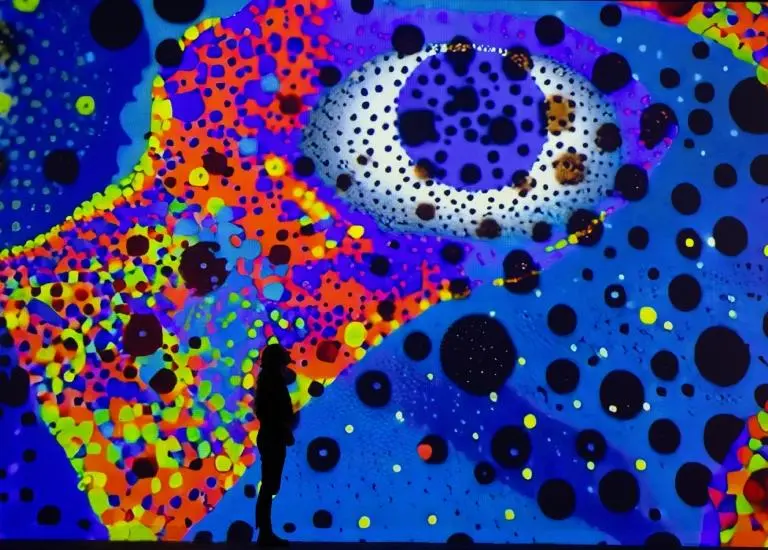
These distinctions are more useful than asking whether Frameless is universally “worth it”. Its appeal is particular: immersive scale over original objects, choice among several gallery environments, and optional programming that can make the outing more social. If those are the things you want, the format has a coherent case. If not, a famous-art label alone is not enough reason to book. The admission overview is a sensible next read.
For a first visit, we would keep the plan simple: check the date, review entry and access information, then decide whether the standard galleries or the evening format better match your energy. The official ticket information and Lates listing are the two useful comparisons. Treat the residency as a bonus unless its current dates line up with your plans.
Ready to plan a Frameless visit?
Frameless earns a recommendation for readers who want art presented as an enveloping, social visual experience and are comfortable with the trade-off that digital interpretation is not the same as seeing original works. Its four-gallery structure is a clear strength; the sensory intensity and changing programme are the honest limits to weigh.
Check the current admission details and programme before choosing a date, especially if you are aiming for FRAMELESS Lates or a named residency. For a general first visit, start with the core gallery offer and add an evening format only when its atmosphere suits your group. Review Standard admission, FRAMELESS Lates and any featured residency that matters to your plans.