






Immersive exhibitions can sound appealing in theory. In practice, visitors may want to read the timings, check the nearest loo and consider how long the advertised “unmissable” moment lasts. Based on the current programme and visitor extras on the UK product pages, Frameless raises a practical question: is this a good London day out, or a photogenic room with a premium ticket? The answer is positive, with a few important caveats.
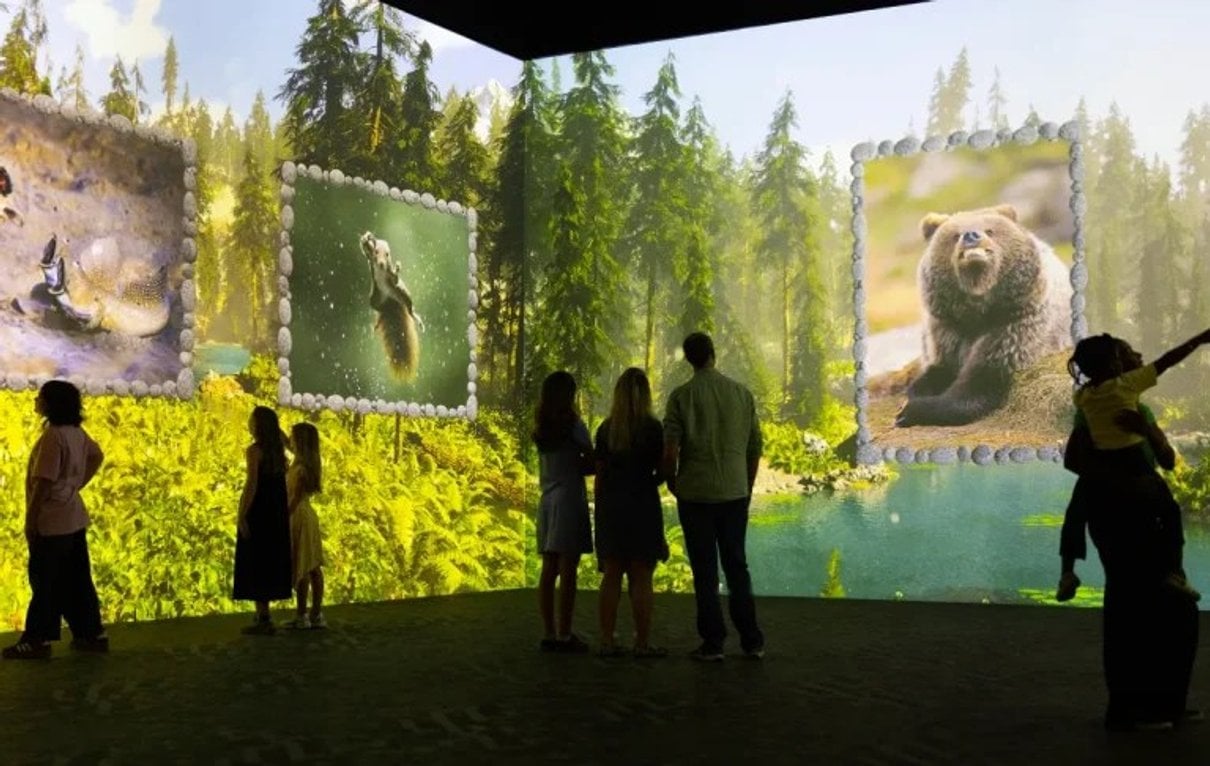
Frameless is a permanent multi-sensory art experience at Marble Arch. The proposition is straightforward: four galleries, floor-to-ceiling projection, cinematic movement and an original score, with more than 40 famous works brought into motion. That sounds enormous, and the scale is the point. You do not stand in front of one screen and wait for it to change. You move through a sequence of spaces, each with a different visual mood.
Disclosure: this post includes affiliate links, and we may be paid a commission on purchases made through them.
What does Frameless feel like before you see the detail?
Our first impression from the UK product pages is that this works best as a two-hour visual wander, not as a conventional gallery where visitors tick off paintings. The material describes a contrast between quiet, contemplative sequences and huge, energetic bursts of colour. The site recommends allowing approximately two hours, which may be realistic for visitors who want to sit down occasionally and let the soundtrack do some work.
- Best for: a relaxed central London date, a creative family outing or visitors who enjoy taking photos.
- Biggest strength: the feeling of being inside changing landscapes rather than looking at a flat display.
- Main weakness: the ticket price varies by date, so value depends on booking ahead and using the full visit.
- My rating: 4 out of 5 for spectacle, with a half-point mentally deducted for the occasional busy-room feeling.

The UK ticket page describes the standard admission options and booking details. Visitors can use the official standard admission ticket page rather than relying on an unofficial reseller. If you are comparing dates, see the current admission availability before making other London plans. The page lists normal hours as Monday to Thursday 11am to 6pm, Friday 10:30am to 10pm, Saturday 10am to 10pm and Sunday 10am to 6pm, with last entry two hours before closing.
That timetable shapes how visitors might plan a visit. A weekday afternoon may feel easier for anyone who dislikes crowds, while a Saturday evening is a different proposition. Allow travel time for Marble Arch and arrive with enough margin to use the full slot, rather than squeezing Frameless between two fixed bookings. The venue is about a minute from Marble Arch station, which is a practical point for a central London plan. Check a quieter weekday slot if that sounds like your kind of outing.
How do Frameless’s four galleries differ?
The UK product pages describe the experience as more than one long projection. The galleries have distinct identities. Beyond Reality leans into dreams, surrealism and other worlds, with artists including Munch, Bosch, Dalí, Klimt, Rousseau and Ernst. It may suit visitors looking for something atmospheric and a little strange.
Colour In Motion is the more immediately joyful choice. Monet, Van Gogh, Signac, Seurat, Delaunay and Morisot are used to explore brushwork and colour, so it should appeal to anyone who likes the recognisable, lively side of art. You can read about the Colour In Motion gallery before you go, and see the current gallery details too, although visitors may prefer to leave some surprise intact.
- Beyond Reality: surreal, dreamlike and slightly theatrical.
- Colour In Motion: bright, painterly and probably the most instantly camera-friendly.
- The World Around Us: landscapes, cityscapes and seascapes featuring Canaletto, Van Gogh and Rembrandt.
- The Art Of Abstraction: a more graphic journey through shape, movement and form.
The World Around Us feels like the grounding section, built around landscapes and seascapes. Then The Art Of Abstraction changes the language entirely, bringing in Kandinsky, Klimt, Mondrian, Malevich and Klee. That variety is one of the most convincing reasons to visit. If one artist or mood does not land for you, the next room resets the experience.
For specific planning, browse the full Frameless experience guide and then choose the visit time. It may be better not to promise children that every image will be familiar, but adults and older children may find enough recognisable names to stay engaged. The music and movement do much of the emotional work, which is why this is closer to a cinema, concert and gallery hybrid than a typical museum stop.
Which Frameless extras can change the visit?
The most interesting add-on is The Art of You digital artwork. After exploring, visitors can have a portrait transformed into an artwork inspired by the styles experienced in the galleries. The page offers digital and printed artwork, and each artwork can include one or two people. That is a personal souvenir option for visitors considering a keepsake.

The UK product pages describe the The Art of You Photo Experience with four clearly named visual directions: Rembrandt, Van Gogh, Kandinsky and Impressionist. That makes the add-on feel like a creative choice rather than a generic photo booth. Visitors can compare the styles and consider whether the digital option suits them.
- Digital artwork: entry-level, easy to share and the sensible budget pick.
- Printed artwork: mid-range, better if you want something physical to take home.
- Capacity: one or two people in each artwork, useful for couples or parent and child.
The second distinct offering is the FRAMELESS Lates ticket, an evening ticket. It runs every Friday and Saturday from 6pm to 10pm and is 18+ only. The difference is not simply a later entry time: there is a curated Soho Radio soundtrack, cocktails, wine, craft beer and non-alcoholic drinks from the Café Bar, plus an after-hours atmosphere that should suit a date or a group of friends. Compare the Lates dates before you invite the group.

Frameless Lates may suit visitors seeking a particular mood, rather than a longer exhibition. Families can look at daytime standard admission, while adults who want drinks and music may find the format appealing. The current programme can change, so check What’s On before committing to a particular residency.
What should you consider before booking Frameless?
The honesty section: immersive art is not automatically better art. Some visitors will love the scale, while others may miss the texture and physical detail of an original painting. The rooms can also be busy, and a projection-based show is at its best when you are willing to pause rather than rush around hunting for the perfect photograph. That is why the two-hour recommendation matters.
Visitors can also read the practical pages before travelling. Opening times help avoid a wasted journey, while accessibility information is important for anyone who wants to understand the environment in advance. A useful pre-visit checklist is:
- Book online early enough to use the advertised advance saving.
- Check the date, age restrictions and current residency details.
- Allow around two hours, plus time for the Café Bar if that is part of the plan.
- Choose daytime admission for under-18s, as Lates is adults only.
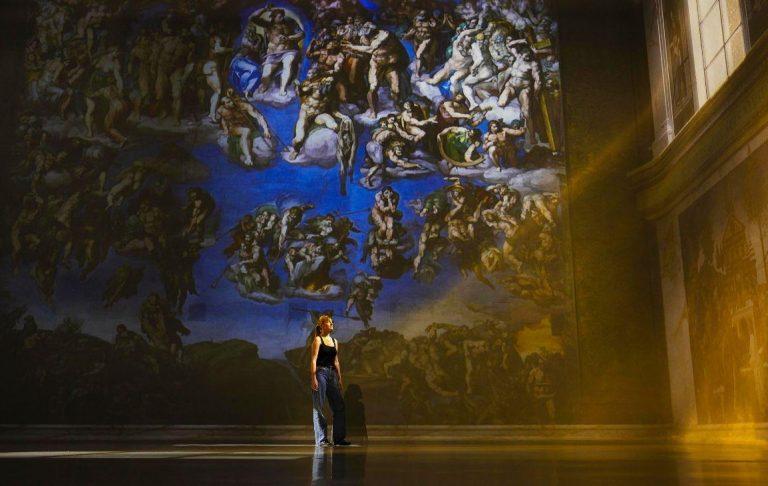
There is also a useful sense of change around the core galleries. The UK product pages currently highlight limited-time material such as The Sistine Chapel reimagined, while other residencies come and go. That means a second visit could feel different, but it also means old reviews can date quickly. Use the live artist residencies page as the final check rather than trusting a social post from months ago.
Ready to book your Frameless visit?
For visitors who buy into the format, yes. Frameless earns its ticket by offering real scale, a well-separated four-gallery structure and enough artistic variety to prevent the experience becoming one long screensaver. The venue’s central location makes it easy to fold into a London day.
The caveat is expectation. This is not a quiet museum visit and it is not a substitute for seeing an original masterwork. It is a theatrical reinterpretation designed to make visitors feel surrounded by colour, sound and movement. Standard admission may suit a first daytime visit, with The Art of You as an optional keepsake and Lates when the social atmosphere is part of the occasion.

The official UK product pages offer enough practical detail to plan sensibly. A new residency may provide a reason to return, and visitors can check the programme before booking. That research helps visitors decide how an afternoon or evening in London might fit their plans.